China is pushing back against fresh European Union threats of trade barriers, warning the tougher stance could derail recent bilateral talks just as Brussels weighs new import restrictions on Chinese chemicals, furniture and machinery.
EU-China Trade Tensions Rise Over New Import Barriers
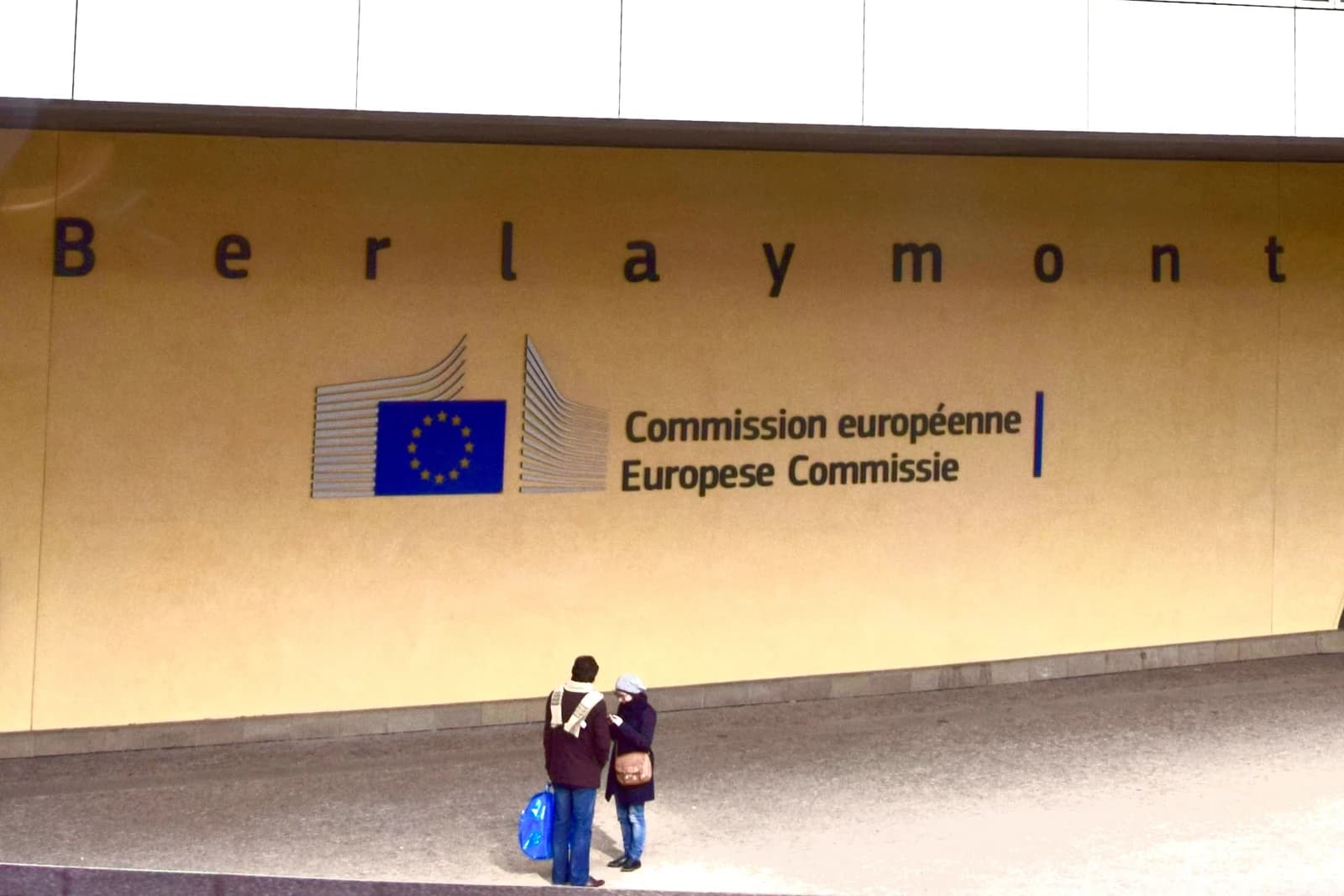
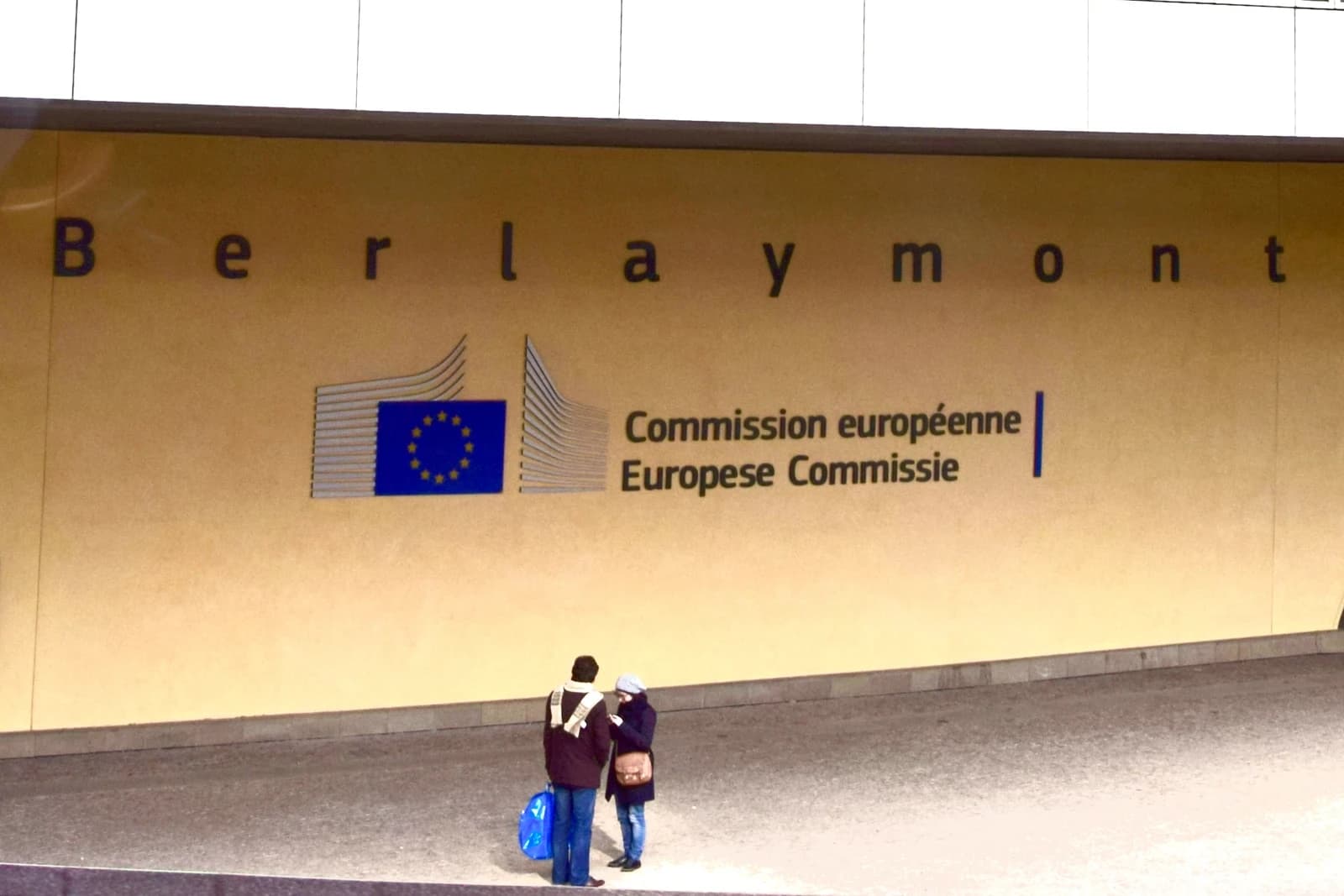
The dispute matters because the EU is moving from rhetoric to policy. Brussels is preparing a broader effort to protect vulnerable industries and narrow a $404 billion trade deficit with China, a gap that has become politically toxic in Europe as manufacturers face weak growth and intensifying competition from Chinese exporters.
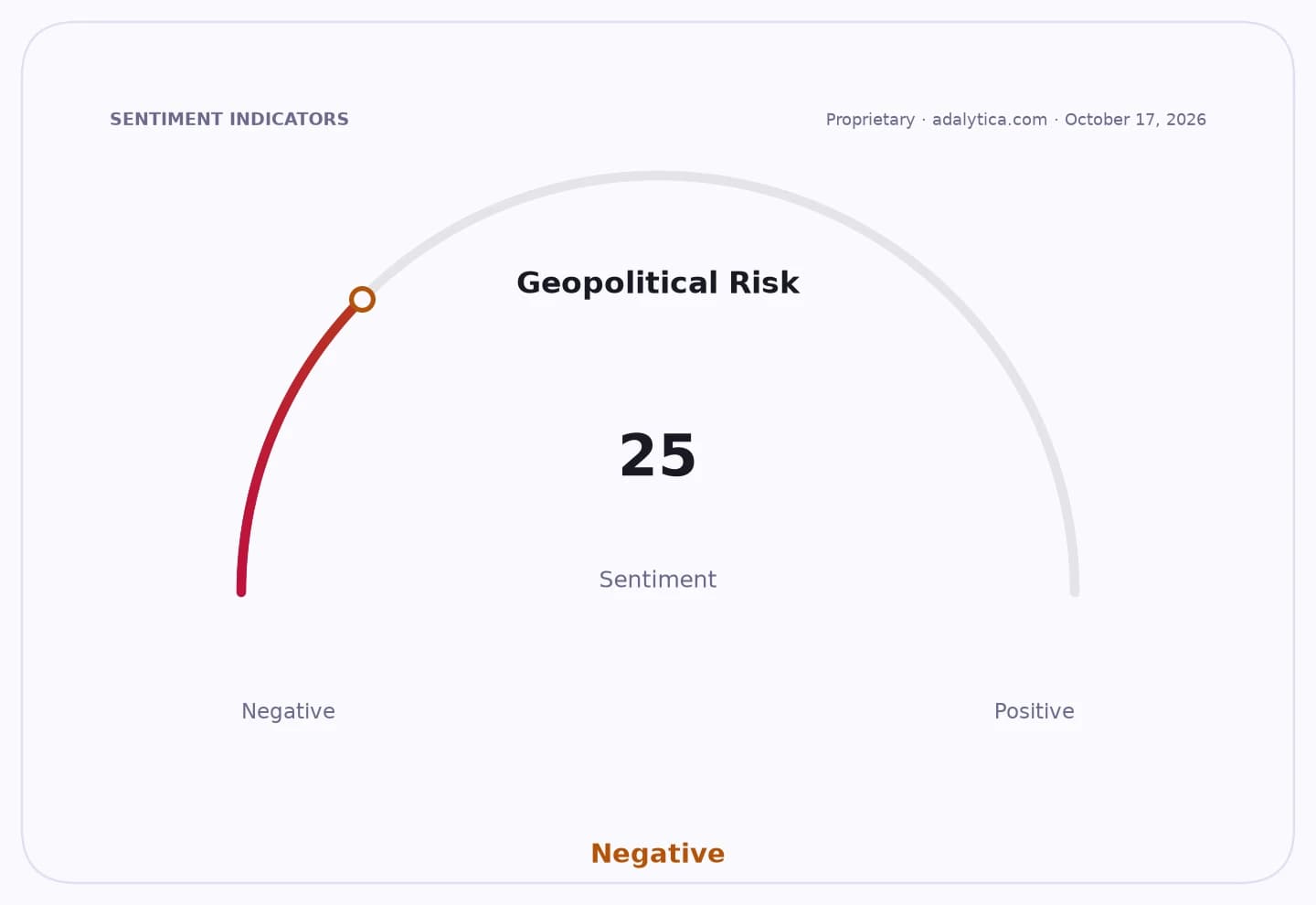
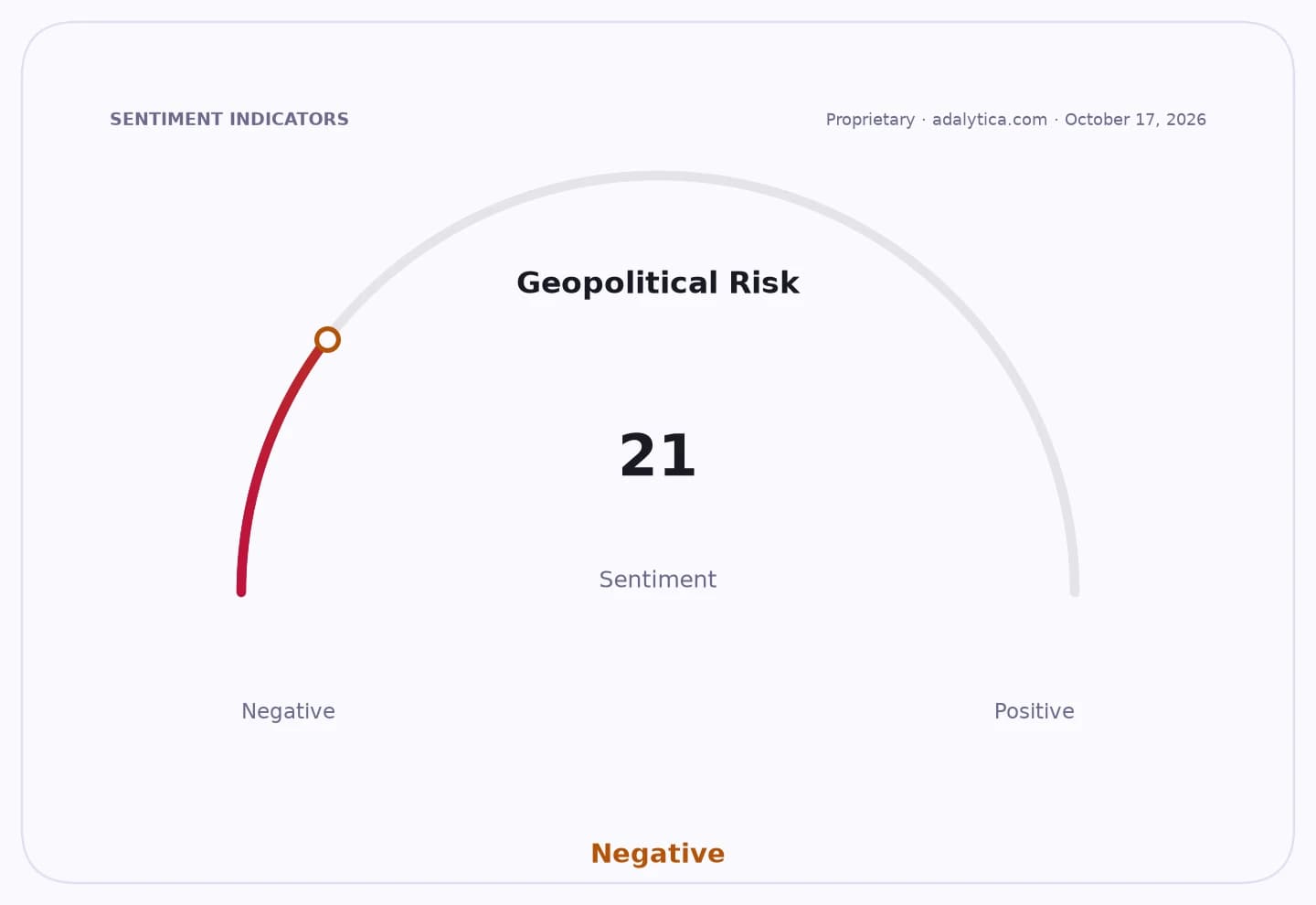
Sentiment Indicators
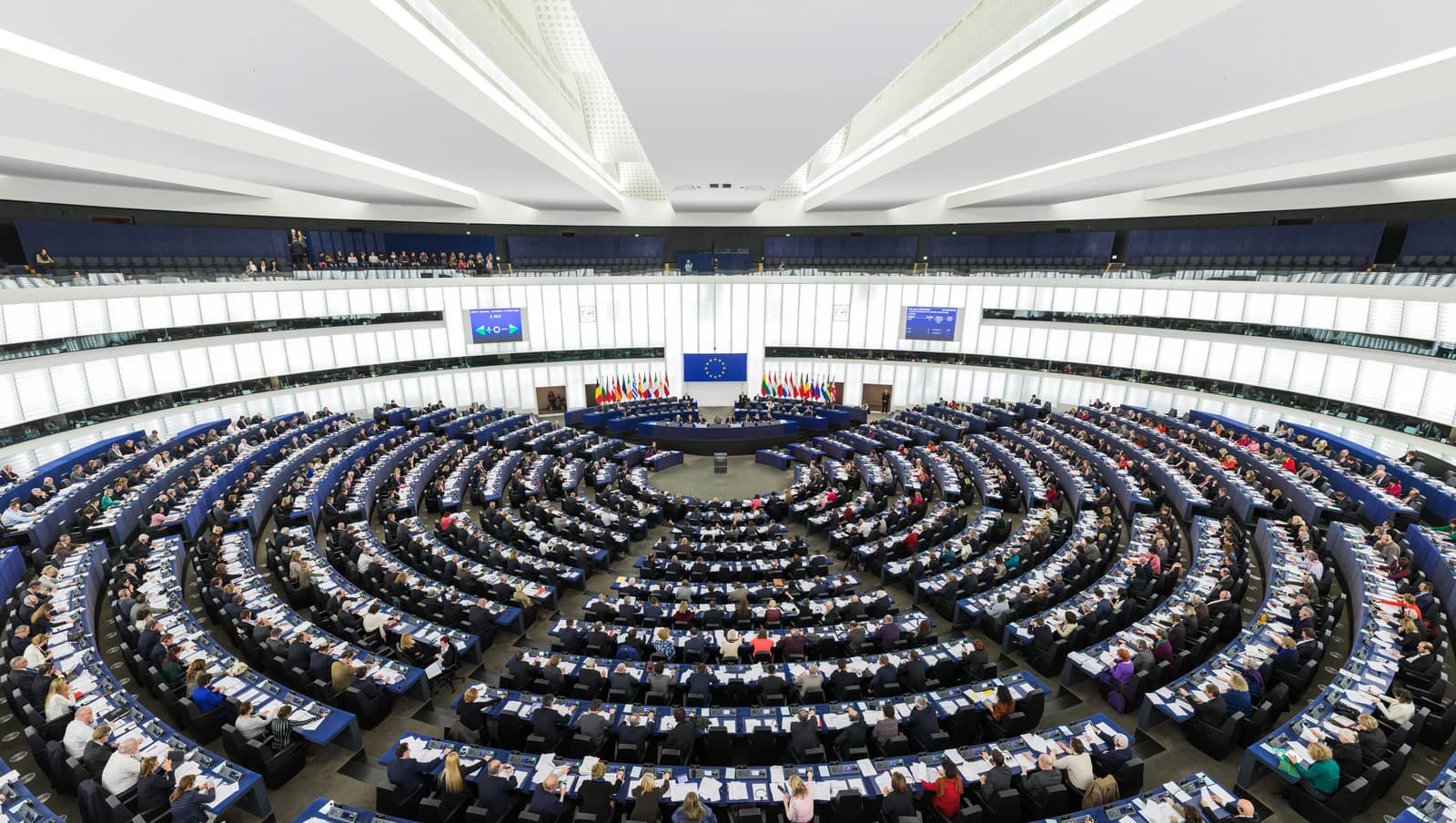
Ursula von der Leyen told the European Parliament the bloc should be ready to deploy trade-defense tools if negotiations with Beijing fail to deliver results, while also backing quicker safeguards for sectors such as chemicals and machinery. She also unveiled plans to reduce dependence on foreign suppliers, including the DiversifyEU package and a faster mechanism for limiting market access when EU interests are seen as threatened.
Chinese analysts quoted by the Global Times said the pressure could undermine the 16-point consensus China and the EU reached in talks in Beijing on trade, investment, export controls, intellectual property and World Trade Organization reform. They argued Europe’s industrial problems stem from a lack of innovation and modernization, not just Chinese competition in areas such as electric vehicles.
The stakes extend beyond diplomacy. Trade restrictions would raise costs for European importers, add friction to global supply chains and risk retaliation from Beijing, while also creating new uncertainty for companies exposed to both markets. Mercedes-Benz chief executive Ola Kallenius warned that tighter barriers can lift costs and disrupt supply networks, a concern shared by exporters across autos, chemicals and industrial equipment.
For investors, the issue keeps pressure on Europe-linked assets and adds another layer of risk to sectors with heavy China exposure. Chinese equities and exchange-traded funds tied to the mainland could remain volatile if talks sour, while European industrial names may face higher input costs and weaker demand if the conflict escalates.
The latest exchange suggests the EU-China trade relationship is shifting from managed friction to open strategic competition, with Brussels increasingly willing to use protectionist tools and Beijing insisting that dialogue remains the only acceptable path forward. The next catalyst is whether the two sides can preserve the recent negotiating channel or whether the EU turns its warning into formal restrictions.
| Entity | Gains | Losses |
|---|---|---|
| EU chemical, machinery and furniture makers | ▲Protection from Chinese competition | ▼Higher import costs |
| Chinese exporters to Europe | ▲Ongoing market access | ▼New trade barriers |
| European industrial firms | ▲Short-term policy support | ▼Supply-chain disruption |
| Investors in FXI/EWG/EWP | ▲Clearer policy catalyst | ▼Greater volatility and policy risk |