The European Parliament has thrown its weight behind a tougher line on China, adopting a report that intensifies scrutiny of Beijing’s treatment of Uighurs, Tibetans and overseas dissidents and keeps the EU-China relationship firmly in the political crosshairs.
EU Parliament Tightens China Rights Pressure
That matters because Europe is still China’s second-largest trade partner, and the relationship now sits at the intersection of human rights, industrial policy and trade. When lawmakers sharpen their language on forced labor and alleged assimilation policies, the risk rises that political friction will spill into tariffs, import restrictions and supply-chain decisions that affect manufacturers, retailers and investors far beyond Brussels.
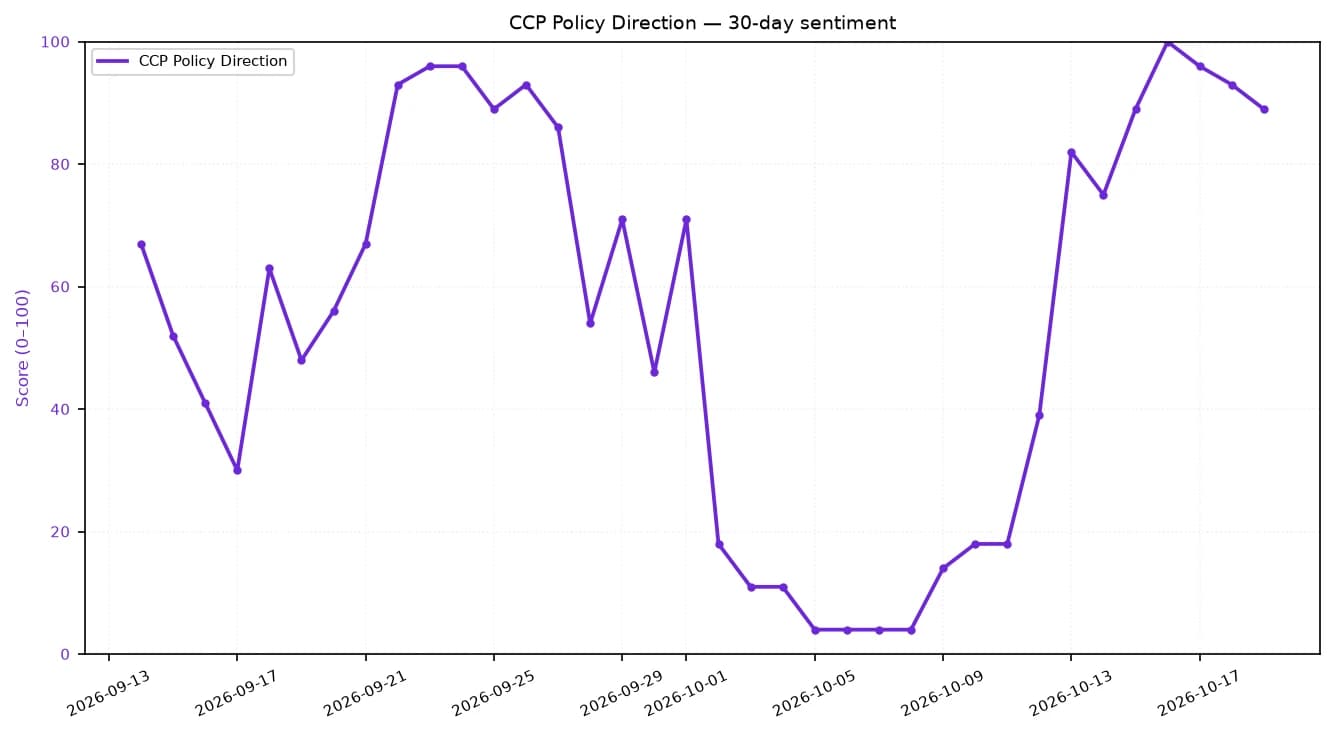
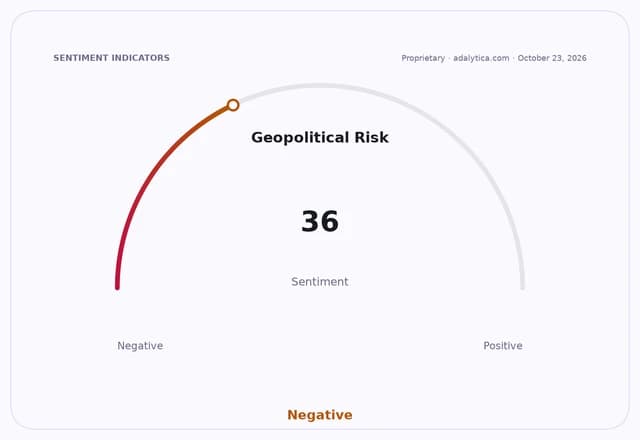
Sentiment IndicatorsⓘProprietary · adalytica.com · October 23, 2026
This is a snapshot — live sentiment, awareness and momentum for 130+ markets update continuously in the dashboard.Open AlphaPulse
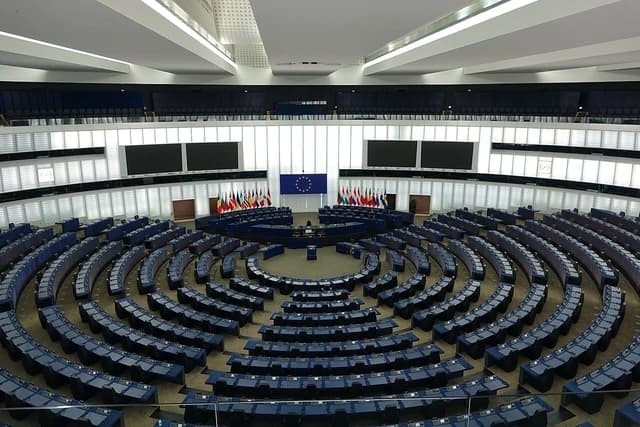
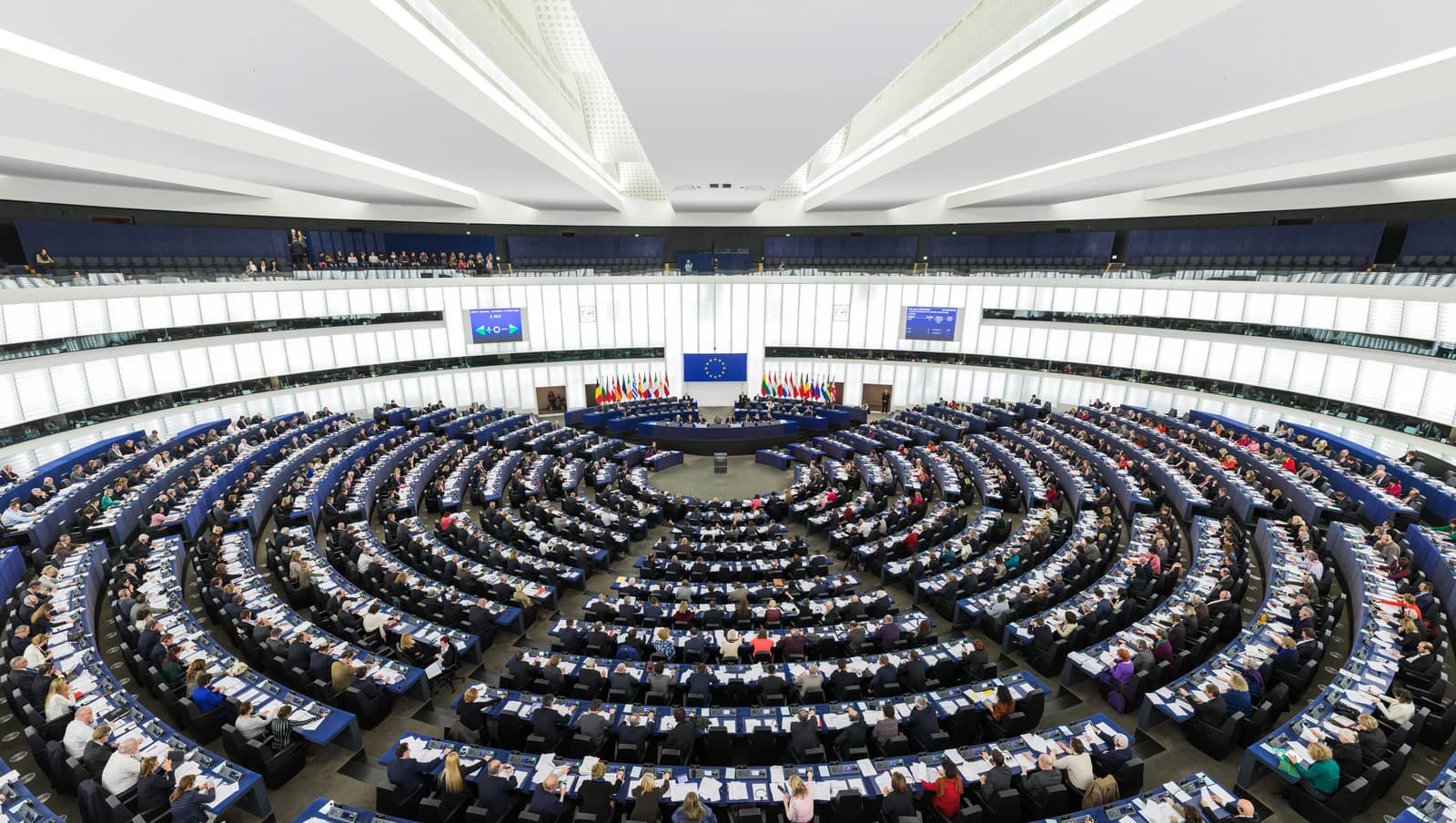
The report passed with an overwhelming majority, 454 votes in favor, 86 against and 110 abstentions. It urges the European Union to increase pressure on Beijing over repression in Xinjiang and Tibet, enforce a full ban on goods made with forced labor and demand the unconditional release of political prisoners.
At the heart of the dispute is China’s new “law on promoting ethnic unity and progress,” which took effect on July 1 after being approved in March. European lawmakers say the measure could further institutionalize assimilation and expand Beijing’s reach against activists living abroad, raising legal and sovereign concerns inside EU member states.
For investors, the immediate question is not whether this changes rhetoric — it already has — but whether it changes rules. Europe has been moving toward stricter due-diligence, sanctions and import controls, and any escalation around forced labor or human-rights enforcement would hit sectors with deep exposure to Chinese manufacturing, from apparel to electronics and industrial components.
China’s market exposure to that risk is already visible in Chinese equity proxies. The iShares MSCI China ETF, FXI, closed at $32.45 on the latest data, below its 50-day moving average of $34.50 and 200-day average of $35.73, with RSI readings near 42. That points to a market that is still under pressure rather than discounting a clean resolution. The KraneShares CSI China Internet ETF, KWEB, has also been weak, slipping to $23.21 versus a 50-day average of $25.15.
The broader backdrop is a fragile diplomatic balance. Beijing has warned that new EU trade barriers could derail negotiations, while the EU says it does not want a trade war. That uneasy truce is exactly why this report matters: it shows that political pressure in Europe is rising even as both sides try to preserve commercial stability.
Longer term, investors should treat this as part of a bigger decoupling story rather than a one-day headline. Human-rights disputes rarely stay confined to speeches and resolutions; they often become compliance costs, sourcing shifts and margin pressure. That does not automatically make China uninvestable, but it does mean portfolios need to be built with diversification and a multi-year horizon, not on the assumption that EU-China trade tensions will simply fade.
| Entity | Gains | Losses |
|---|---|---|
| EU lawmakers | ▲Political leverage | ▼Diplomatic flexibility |
| Uighur/Tibetan advocates | ▲Visibility and support | ▼None |
| China exporters | ▲None | ▼Forced-labor scrutiny |
| China-related ETFs | ▲Long-term theme interest | ▼Near-term policy risk |