Russia’s nickel shipments to the European Union climbed to their highest level in more than three years in August, underscoring how Europe’s metals trade with Moscow persists even as the bloc remains broadly committed to reducing dependence on Russian commodities.
EU Nickel Imports From Russia Rise in August
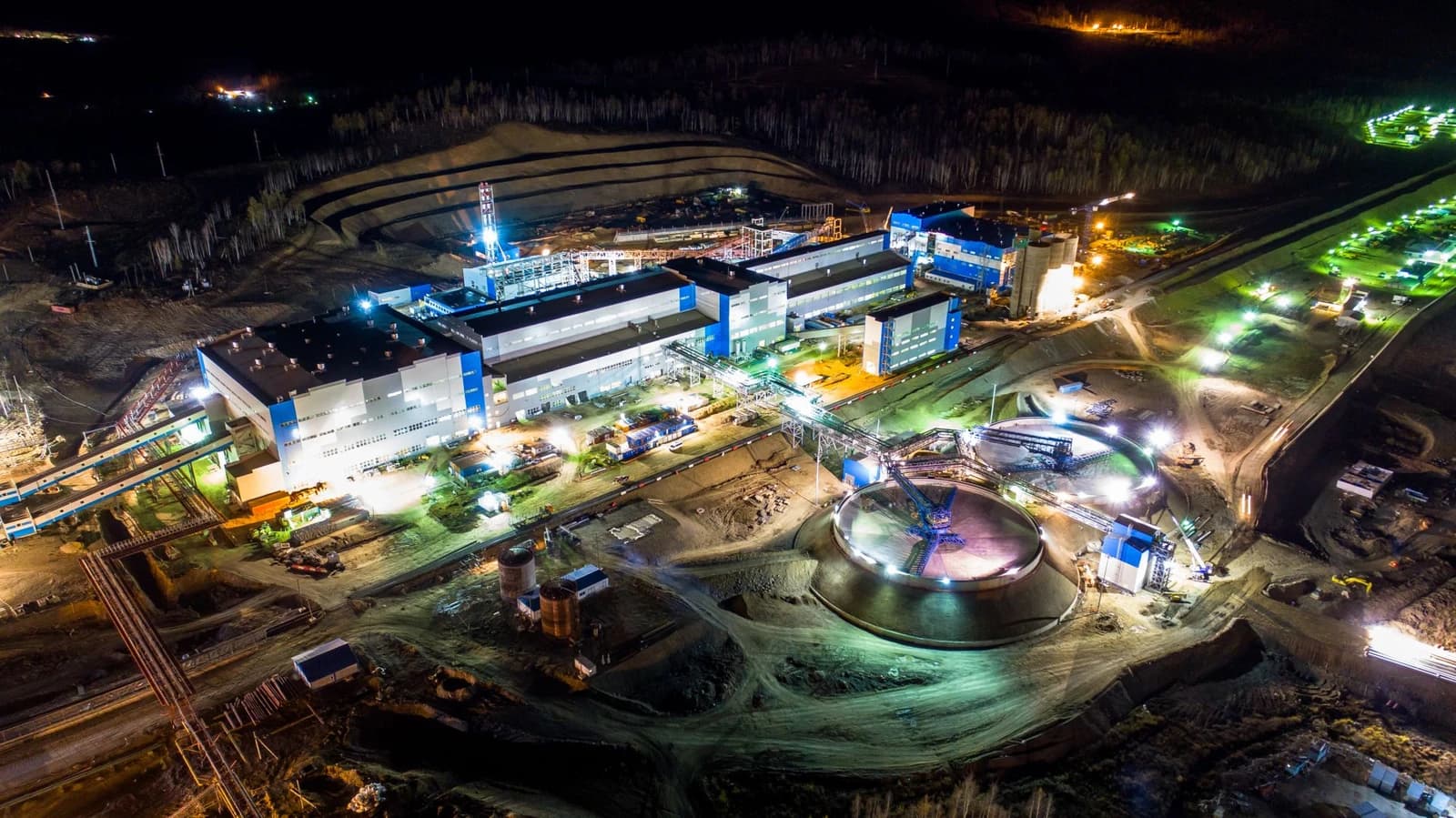
Eurostat data reviewed by Sputnik show the EU imported $125 million of nickel and nickel products from Russia last month, up 20% from July and 12% from a year earlier. That was the strongest monthly reading since March 2023 and a reminder that nickel remains one of the more durable commercial links between Russia and the bloc, despite sanctions pressure across much of the wider energy and metals complex.
Sentiment Indicators
The numbers matter because nickel is a critical input for stainless steel and batteries, two industries that sit at the center of Europe’s industrial base and its long-term electrification strategy. A sustained rebound in Russian flows can help ease supply tightness and cap price spikes for European buyers, but it also reinforces the bloc’s exposure to a producer it has tried to sideline since the invasion of Ukraine. For Moscow, the data point to a trade channel that still generates hard currency at a time when sanctions have constrained many other export routes.
Most of the August purchases were nickel matte and intermediate products, worth $106 million, while unwrought nickel accounted for $18.8 million. Finland was by far the largest buyer inside the bloc, importing $120 million worth, followed by the Netherlands, Germany and Denmark. The concentration in Finland highlights the industrial and logistical realities of the trade: even when political scrutiny is high, European refining and manufacturing networks can keep Russian material moving through the market if it remains economically attractive and legally permissible.
For investors, the data are a reminder that commodity markets often adjust faster than geopolitics. Russian supply still influences the balance in nickel, a metal whose price has already been battered by oversupply concerns and shifting demand from battery makers. More Russian exports into Europe could weigh on pricing power for non-Russian producers and support users that rely on stable feedstock costs, while complicating the outlook for miners and processing companies competing in an already weak market.
The key question is whether August marks a one-off spike or the beginning of a firmer trade pattern. If Russian nickel exports to the EU continue to rise, the market may read that as evidence that sanctions leakage and selective exemptions are still shaping Europe’s industrial supply chains. If the increase fades, it will look more like an isolated swing in a market still trying to rebalance after years of geopolitical disruption.
| Entity | Gains | Losses |
|---|---|---|
| Russian nickel exporters | ▲Higher hard-currency sales | ▼Reduced isolation from EU market |
| EU buyers and processors | ▲More supply, lower input costs | ▼Greater dependence on Russia |
| Non-Russian nickel miners | ▲Tighter competition | ▼Pricing pressure |
| Finland | ▲Access to feedstock | ▼Political scrutiny |