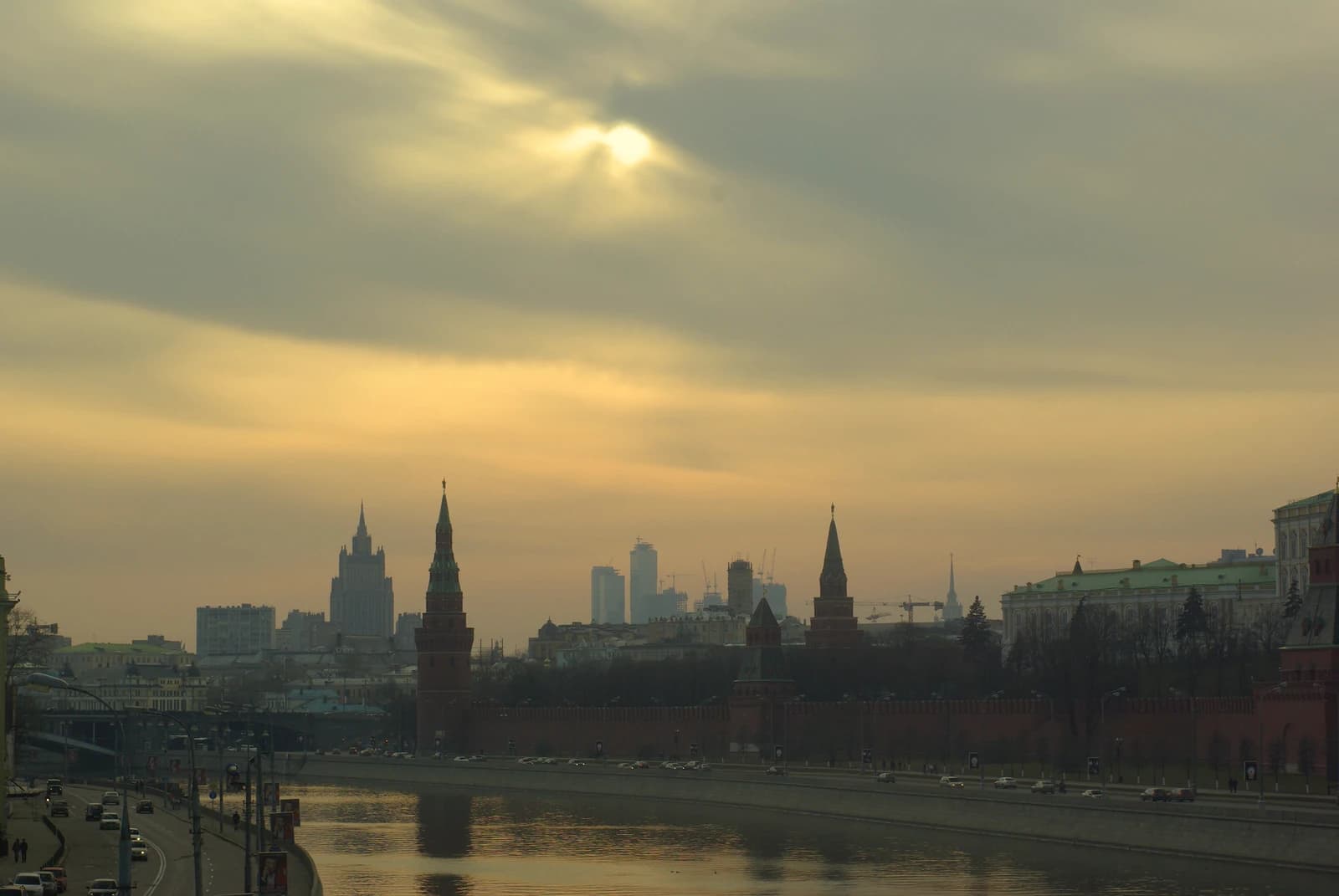
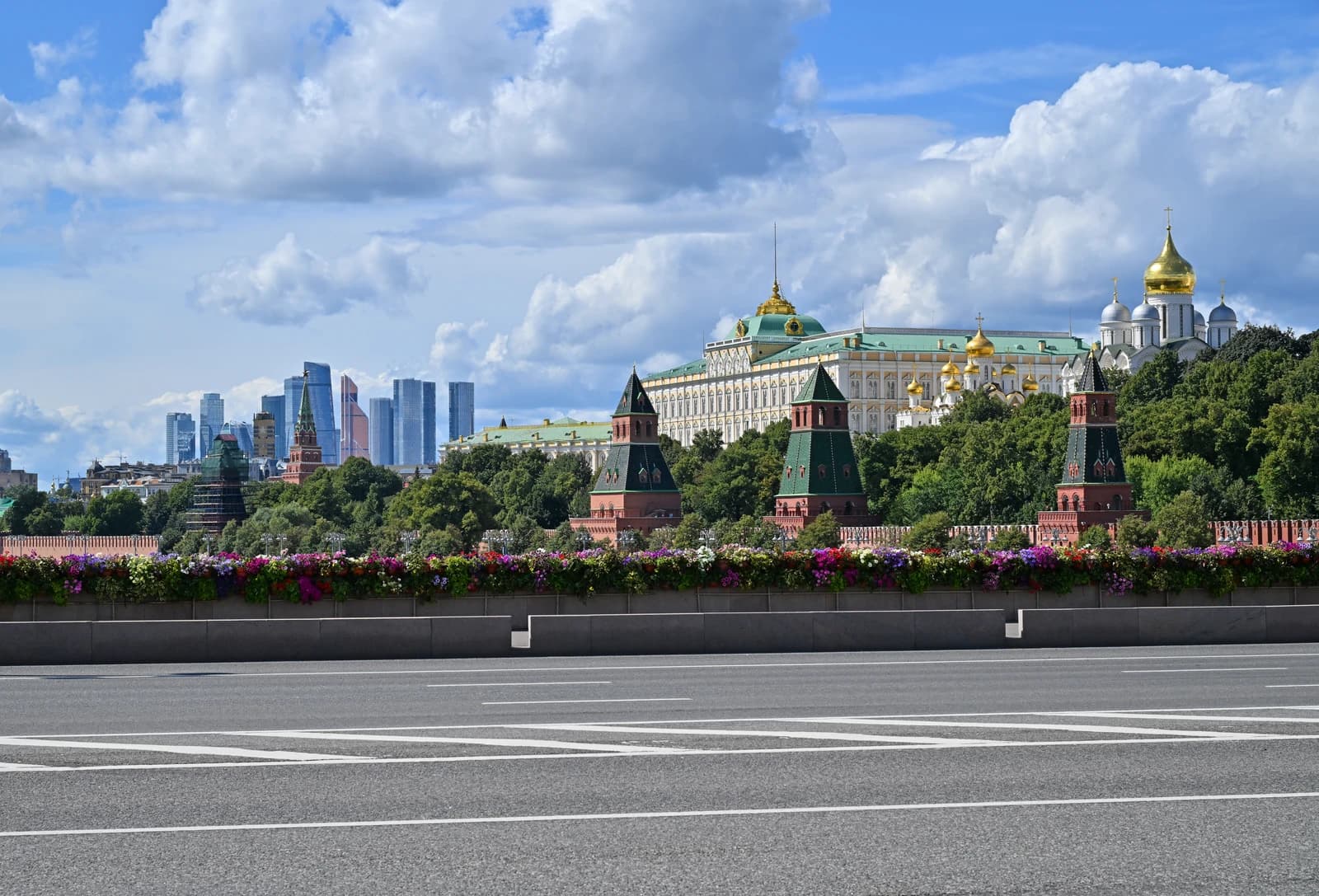
Russia is trying to keep what remains of its foreign corporate base by offering better terms to companies that did not leave after the invasion of Ukraine, a sign the Kremlin still sees value in selective overseas capital even as sanctions and war risk continue to reshape the economy.
Russia offers better terms to foreign firms that stayed
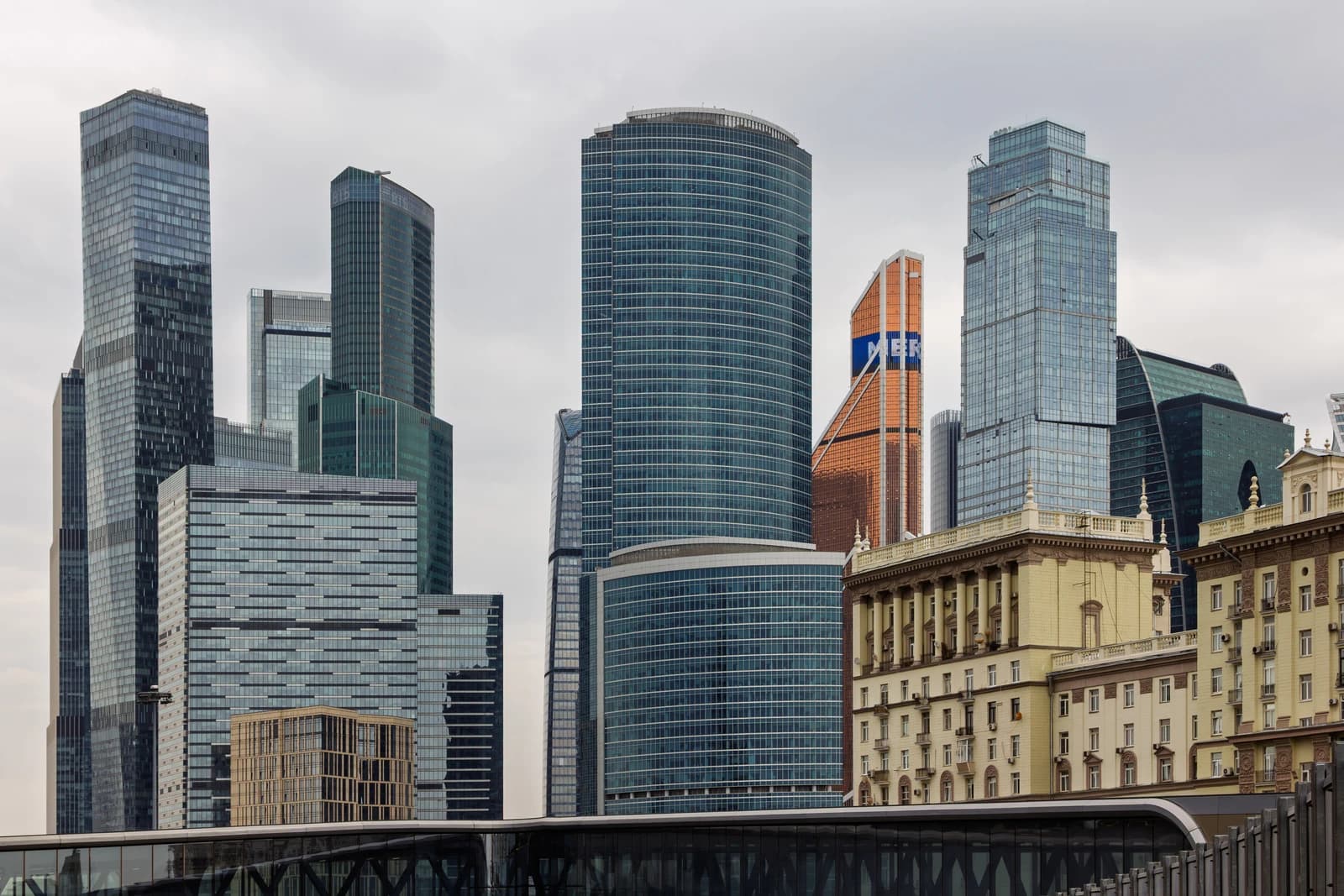
President Vladimir Putin said in remarks aired by state TV that Moscow is creating “favorable” conditions for foreign businesses that chose to remain in Russia, while arguing that many Western companies were forced out by political pressure rather than their own commercial judgment. The message matters because it underlines a familiar Kremlin priority: preserve access to imported technology, management know-how and consumer brands where possible, even as the broader relationship with the West stays hostile.
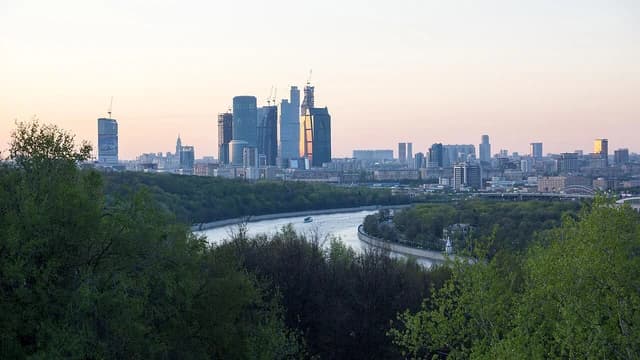
For investors, the important point is not a sudden reopening — it is the asymmetry. Russia still wants some foreign capital, but only on Moscow’s terms. That means surviving multinationals may gain a degree of regulatory predictability or local support, while companies that exited are unlikely to see easy re-entry or asset recovery. The policy also reinforces the idea that the Russian market is becoming more segmented, with winners concentrated among firms able to navigate sanctions, localization rules and state scrutiny.
The backdrop is a war economy that has already redirected trade, capital and energy flows. Putin separately attacked the European Union’s drive to reduce dependence on Russian supplies, saying such bans will not work fully and noting Russia still accounts for about 20% of the bloc’s energy market. That claim is a reminder that even under sanctions, Moscow continues to exert leverage through commodities, logistics and legacy commercial ties.
Markets have largely treated Russia as an investable frontier only through proxies, but the broader implication is relevant for energy and sanctions-sensitive assets. Oil and gas producers, shipping networks, commodity traders and regional suppliers all benefit from persistent dislocation, while European importers and companies with Russia exposure remain stuck in a fog of compliance risk and geopolitical volatility. The move in the U.S. Energy Select Sector SPDR Fund to around $70, above its 50-day and 200-day moving averages, shows how energy-linked assets can still attract capital when geopolitical risk keeps supply chains tight.
The market underestimates how durable these fracture lines can be. Even if the war eventually moves toward talks, Russia’s attempt to court the firms that stayed suggests a long period of selective engagement rather than a clean reset. For investors, that argues for staying positioned in the picks-and-shovels of disrupted trade — energy, defense, transport and critical infrastructure — rather than betting on a broad normalization that still looks distant.
| Entity | Gains | Losses |
|---|---|---|
| Foreign firms that stayed in Russia | ▲Better operating terms | ▼Still face sanctions risk |
| Russian state | ▲Retains capital and know-how | ▼Limited foreign investment |
| Energy producers and traders | ▲Tight supply dynamics | ▼Import-dependent buyers |
| EU importers | ▲N/A | ▼Persistent energy leverage |