President Vladimir Putin said Russia is creating favorable conditions for foreign companies that stayed in the country, a reminder that the companies still operating there may have an edge if they can navigate sanctions, war risk and a tighter political environment.
Putin Says Russia Is Favorable to Foreign Companies
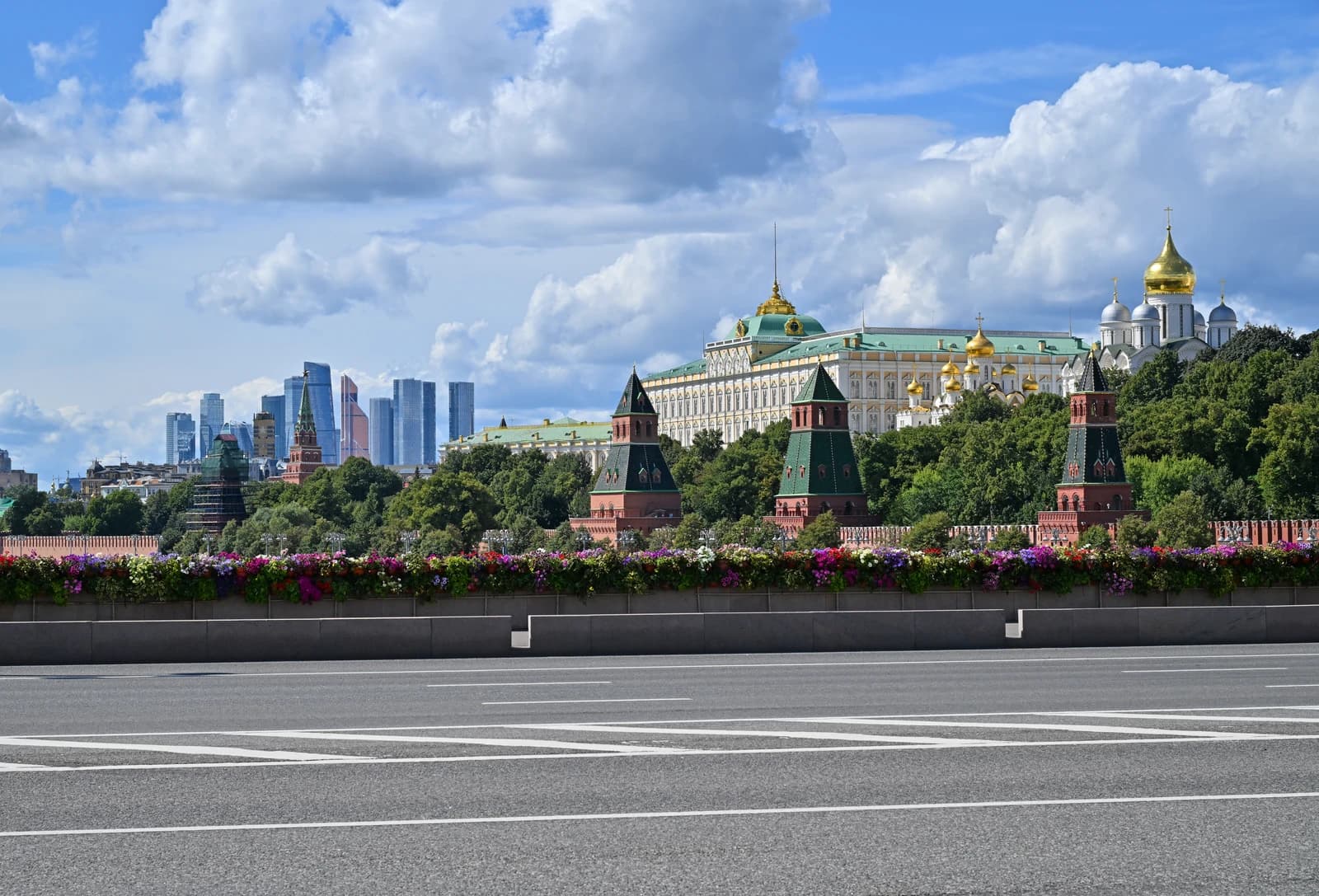
For investors, the key point is not the rhetoric itself but the message behind it: Russia wants to signal that select international businesses can still make money in its market, even as many Western firms have exited since the invasion of Ukraine. That matters because the remaining firms may benefit from reduced competition, localized supply chains and customer demand that has not disappeared, but it also highlights how dependent those businesses are on policy decisions in Moscow.
Sentiment Indicators
The economic logic is straightforward. When rivals leave, surviving players can sometimes gain pricing power, shelf space and market share. In Russia, that can be especially valuable in consumer goods, industrial services and energy-adjacent businesses that are difficult to replace quickly. But the same environment that creates those openings also carries heavy risks: capital controls, legal uncertainty, sanctions exposure and reputational damage for any company seen as too close to the Kremlin.
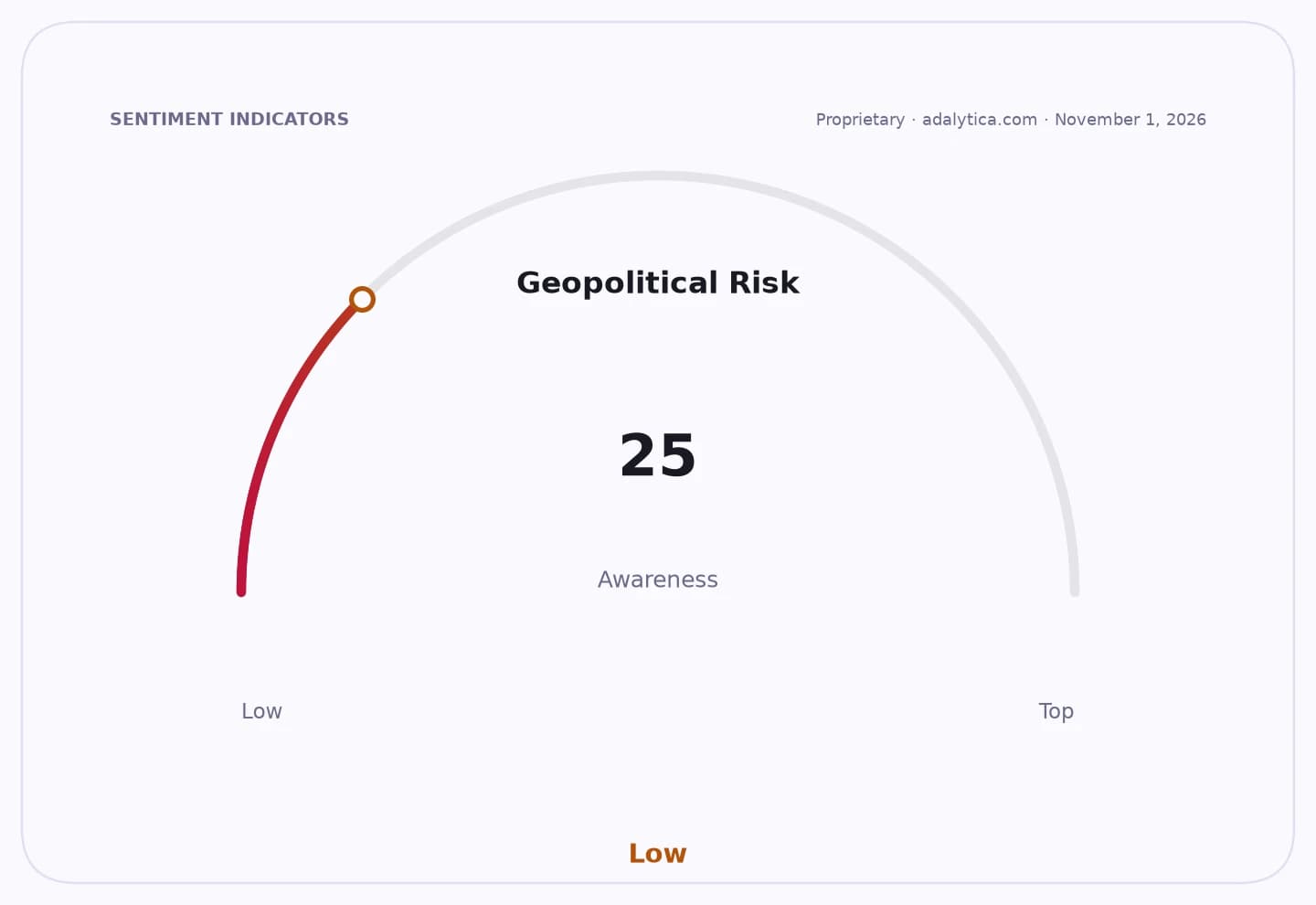
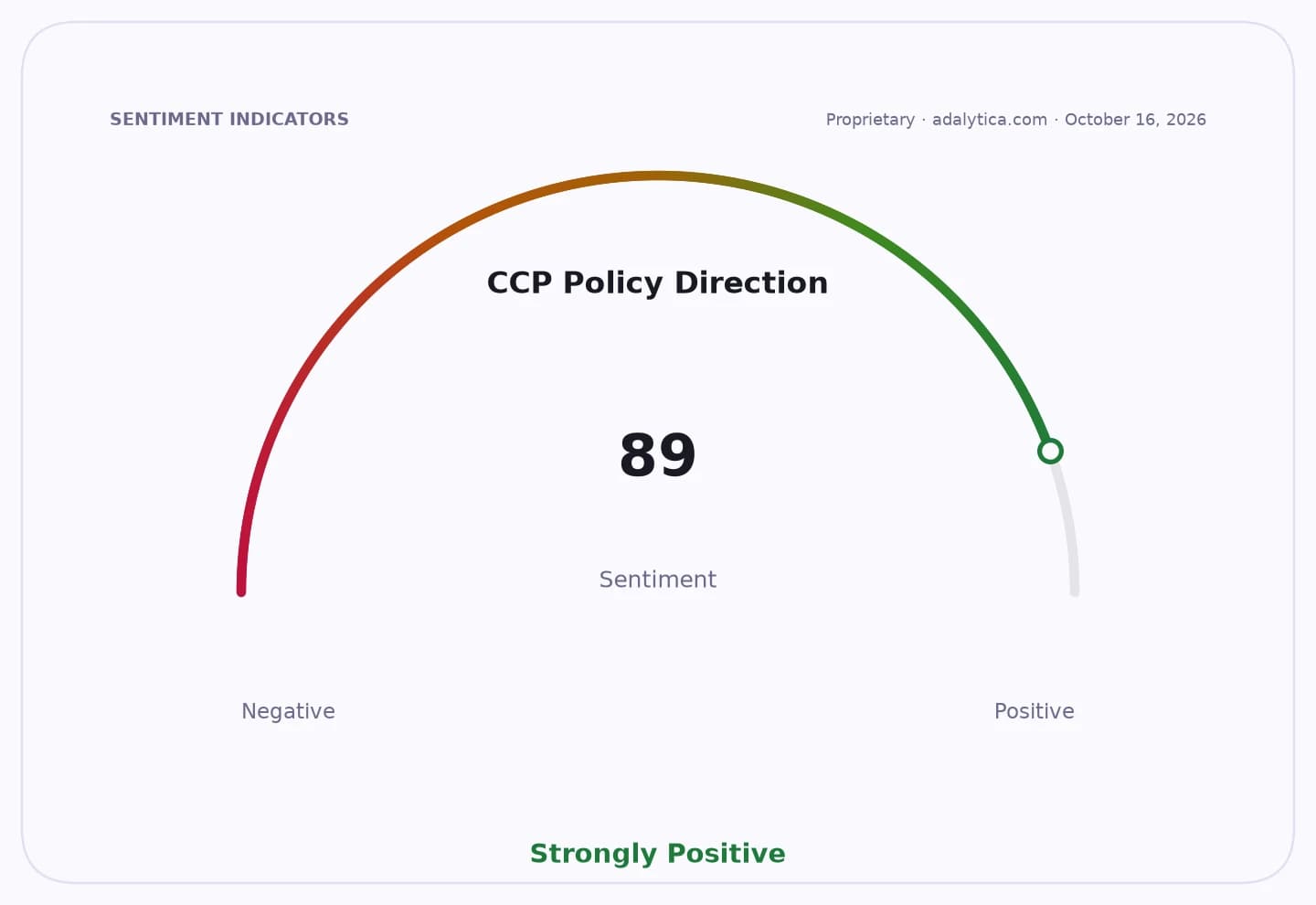
Putin’s remarks fit a broader effort by Moscow to project stability and attract or retain business activity despite the war. That is particularly relevant now, as geopolitical risk remains elevated and investors are being forced to weigh any potential upside in Russia against the reality that access to the market is still highly constrained. The latest readings from Adalytica’s Global Stability Sentiment show extreme greed alongside fear-laced awareness, underscoring how fast risk appetite can rise even when fundamentals remain fraught.
For long-term investors, the practical lesson is that any opportunity tied to Russia should be treated as a special situation, not a core portfolio theme. The upside may exist for a handful of companies that are already embedded in the market, but the durability of those gains depends on politics as much as profits. In other words, the companies that stayed may indeed find favorable conditions — but investors should demand a wide margin of safety and expect volatility to remain high.
| Entity | Gains | Losses |
|---|---|---|
| Foreign companies still in Russia | ▲Less competition, potential market share gains | ▼Reputation risk, sanctions exposure |
| Kremlin/Russian state | ▲Signals stability, keeps economic activity alive | ▼Must support business climate amid war and sanctions |
| Western firms that exited | ▲Avoid operational and compliance risk | ▼Lose access to Russian customers and assets |
| Investors in Russia-linked assets | ▲Possible selective upside | ▼High geopolitical and policy risk |