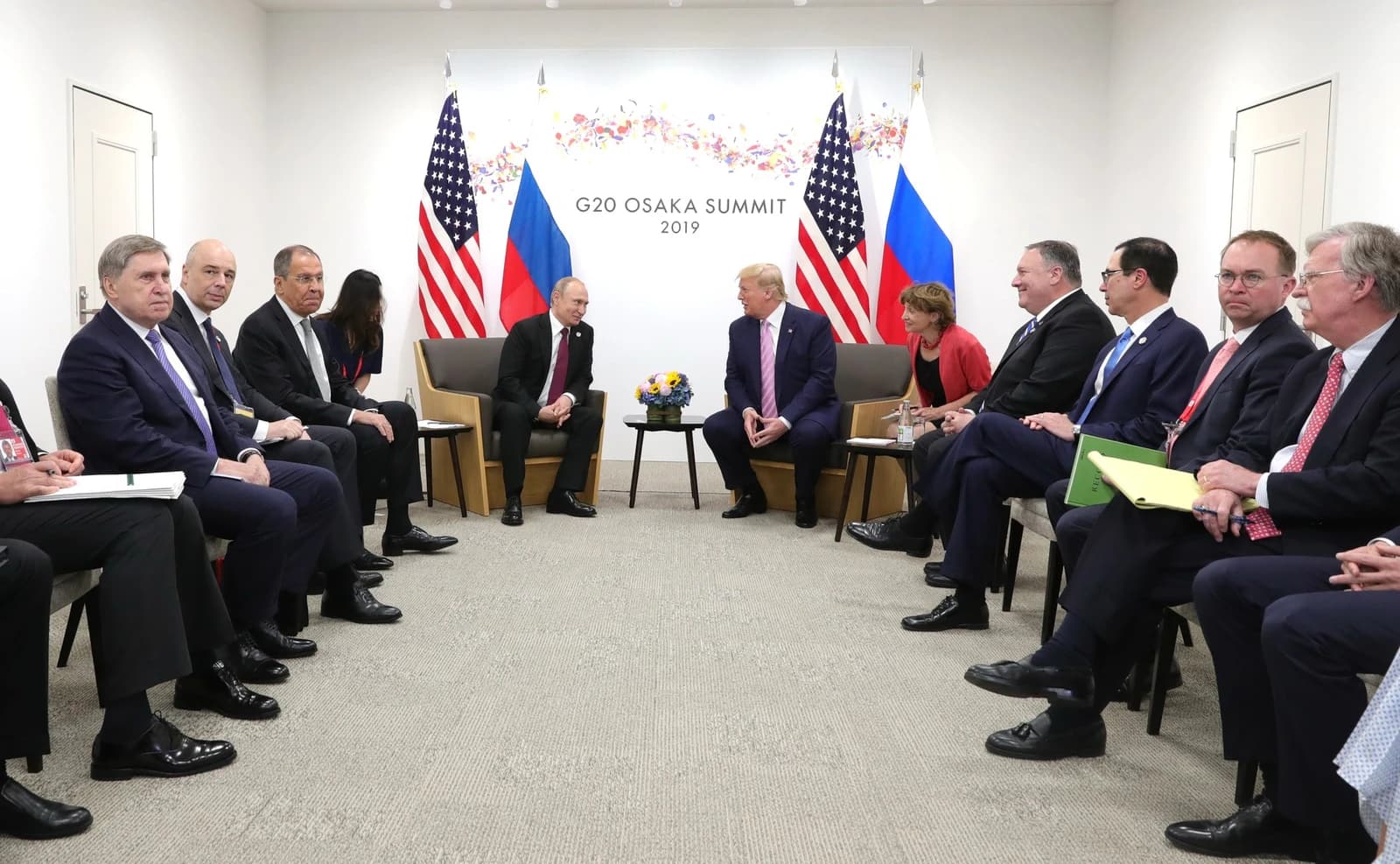
Donald Trump is signaling that Washington wants an economic opening with both Ukraine and Russia once the fighting stops, a stance that could reshape the postwar investment map for energy, commodities and reconstruction while also easing pressure on Moscow.
Trump's Ukraine-Russia Opening Could Aid Rebuild
Geopolitical Risk
For investors, the important part is not the rhetoric itself but the commercial logic underneath it. If the U.S. pushes for contracts, resource deals and reconstruction work in Ukraine while also restoring some form of business relationship with Russia, the end of the war could create winners on both sides of the border. That would matter for companies exposed to infrastructure rebuilding, mining, energy, logistics and industrial supply chains, especially if sanctions are softened over time.
Sentiment Indicators
Trump specifically pointed to a potential deal involving Ukraine’s natural resources, saying it could be worth as much as $1 trillion. He also said the U.S. had agreed to the arrangement because the Biden administration provided Ukraine with $350 billion of military equipment. That framing turns postwar aid into a future commercial claim, which is a major shift from the more traditional model of grants, loans and diplomatic support.
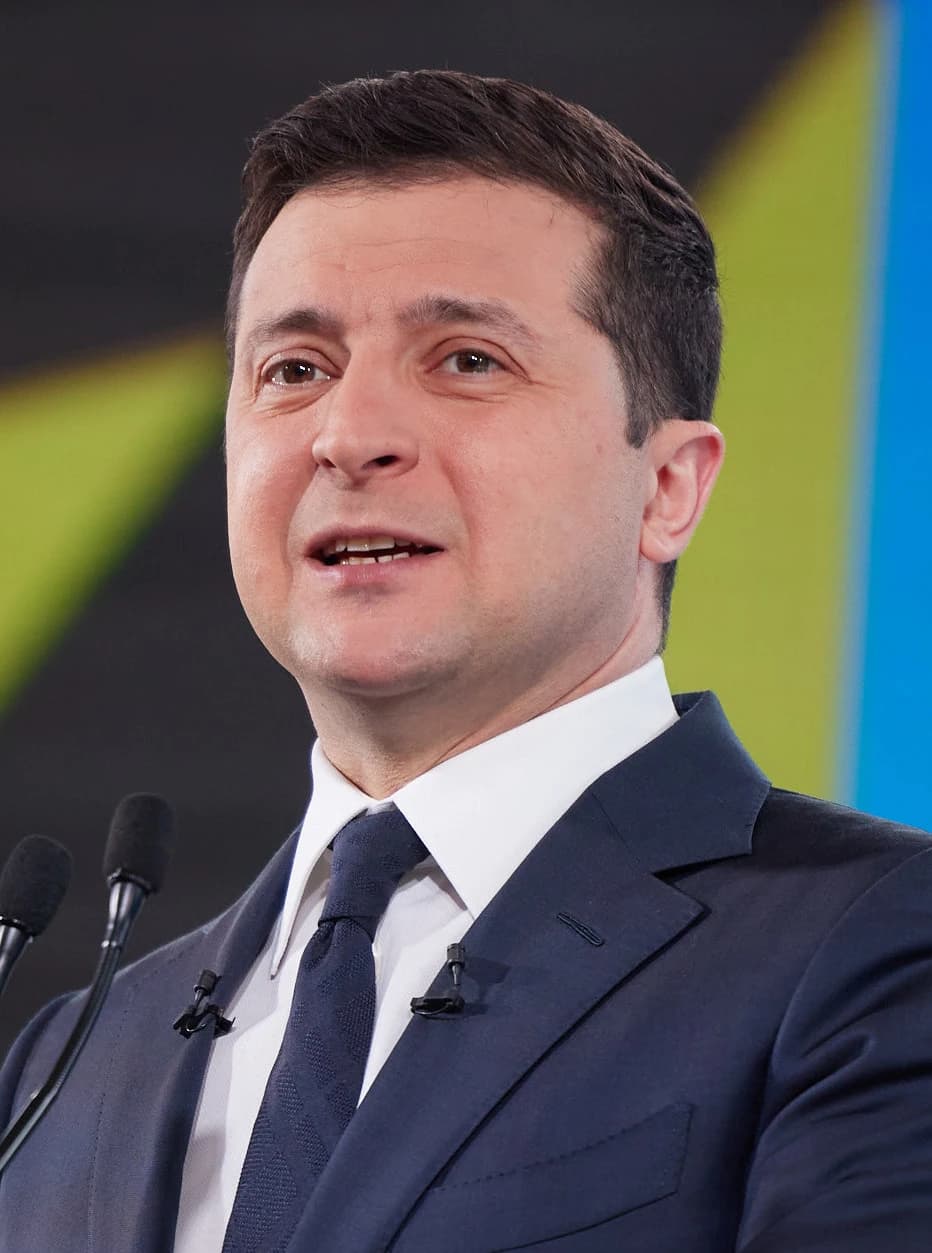
The message also lands against a backdrop of strained U.S.-Ukraine relations. Trump has accused President Volodymyr Zelensky of resisting peace efforts, while Zelensky has said Washington failed to warn Kyiv about Russian strikes and has accused Trump of pressuring Ukraine toward capitulation. That tension matters because the shape of any eventual peace deal will determine whether Western capital treats Ukraine as a high-risk frontier market or a long-duration rebuild story.
Geopolitical Risk — 30-day sentimentadalytica.com
Explore this data interactively — full history, time series and cross-market comparisons.
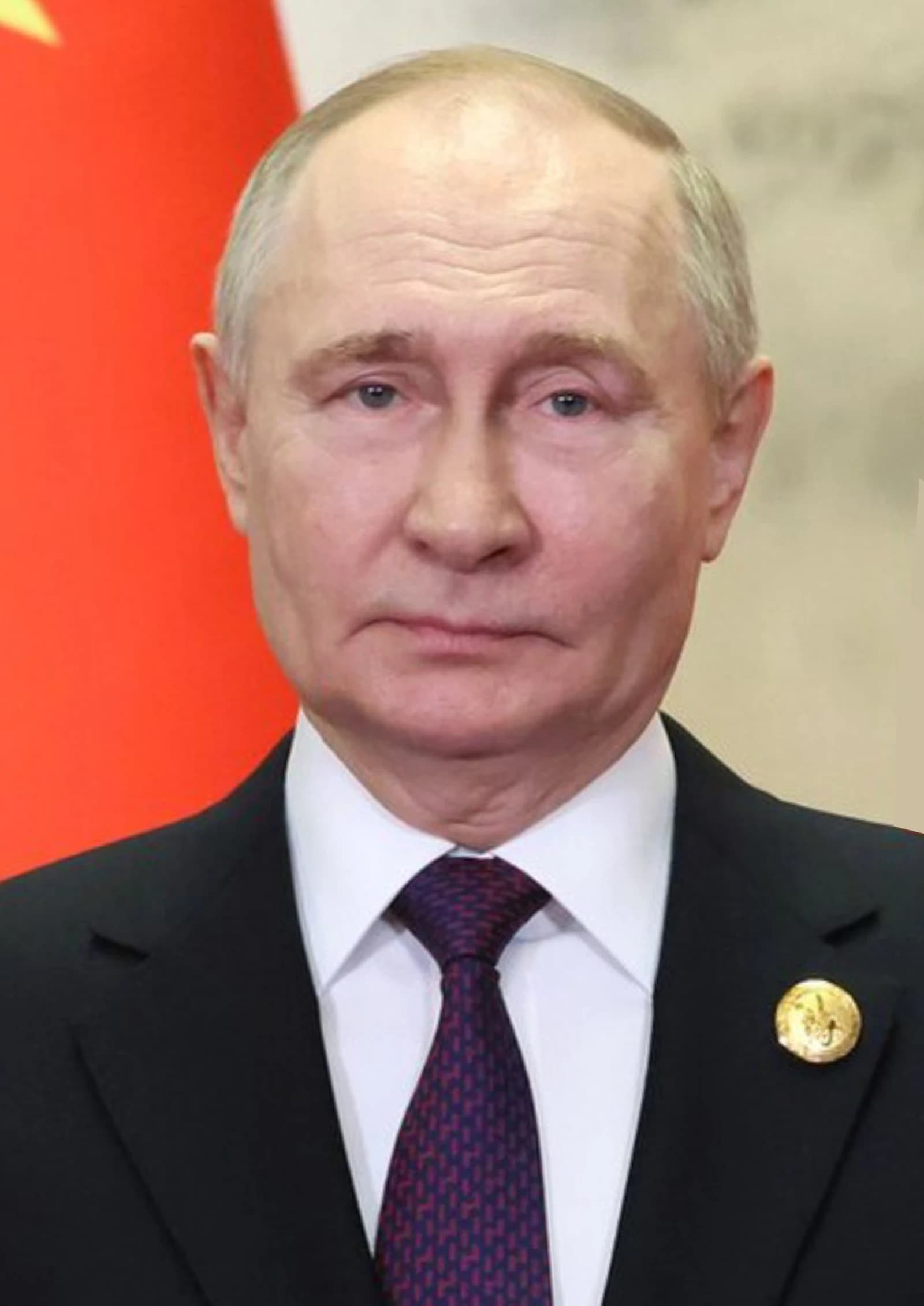
Russia is the other half of the equation. Any meaningful U.S.-Russia business thaw would likely depend on sanctions relief and a broader political settlement, but even the possibility can move expectations in energy, shipping, fertilizer and industrial markets. European companies have already pulled back from Russia in the wake of the invasion, so a reopening would not happen overnight. Still, markets tend to price normalization long before diplomats announce it.
Adalytica’s Global Stability Sentiment gauge shows extreme greed at 100, while awareness remains in fear territory at 25, a combination that suggests investors are already leaning toward a more optimistic geopolitical outcome even as the path there stays murky. In practice, that means the trade may be less about one headline and more about whether the world is entering a period where conflict risk falls and cross-border commerce gradually returns.
For long-term investors, the takeaway is straightforward: the largest opportunity may lie in the assets and businesses tied to rebuilding, resource development and postwar normalization, but the timeline is still highly uncertain. If you own broad, diversified portfolios, this is the kind of geopolitical shift that can create multi-year upside without requiring anyone to guess the exact date of peace. Worth watching closely.
| Entity | Gains | Losses |
|---|---|---|
| U.S. builders and industrial firms | ▲Reconstruction contracts | ▼Delayed peace deals |
| Ukraine resource assets | ▲Foreign capital access | ▼Prolonged war risk |
| Russia exporters and energy firms | ▲Sanctions relief hopes | ▼Continued isolation |
| European incumbents that exited Russia | ▲N/A | ▼Lost first-mover position |