Volodymyr Zelensky has imposed fresh sanctions on 83 Russian citizens and 79 companies, underscoring Kyiv’s push to tighten economic pressure on Moscow even as battlefield and diplomatic tensions remain unresolved.
Ukraine sanctions RusAl and 161 Russian entities
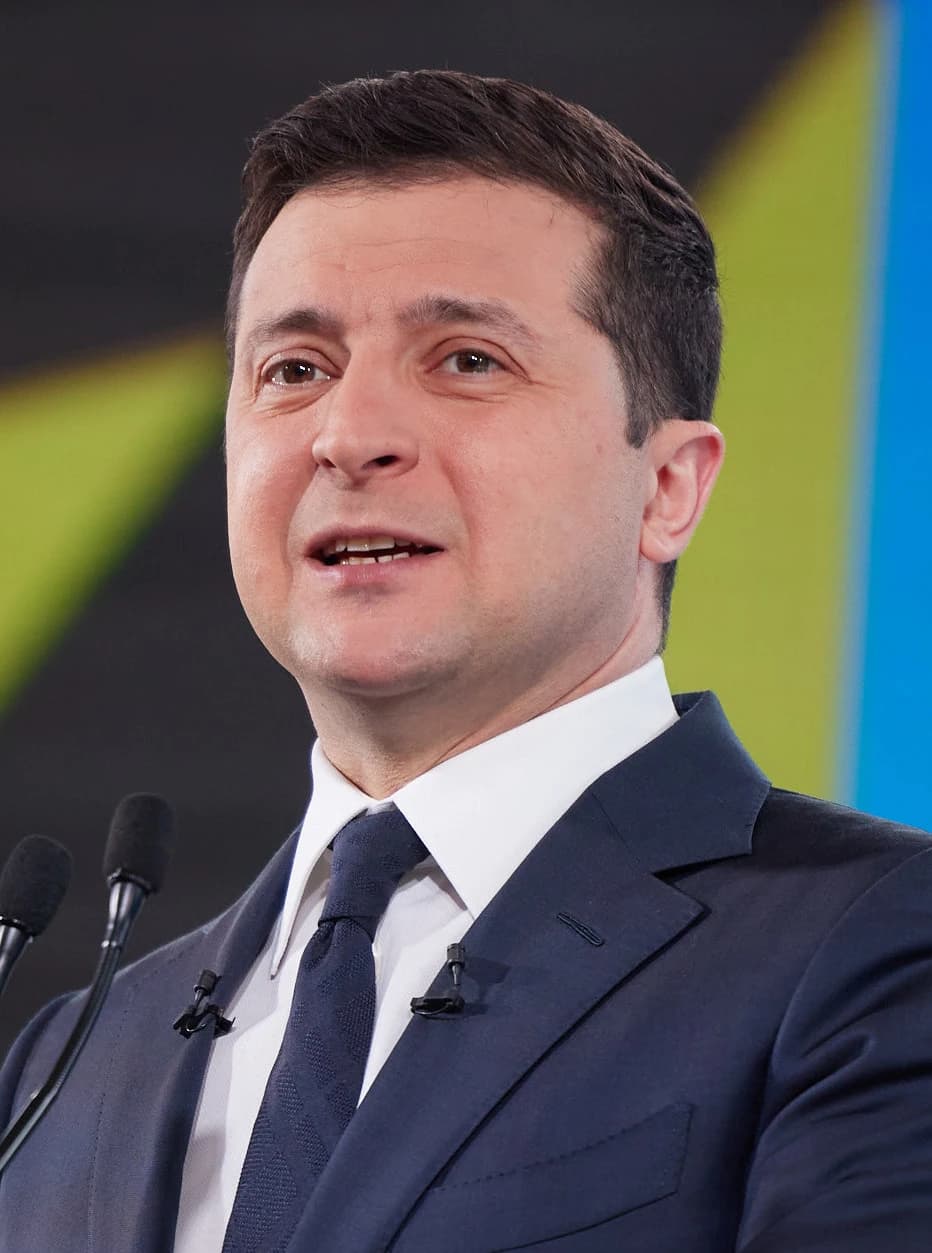
The decree matters because Ukraine is not just targeting individuals but a wider industrial network that helps sustain Russia’s war economy. Among the companies named are RusAl, the metals giant, along with JSC Institute of Plastics named after G. S. Petrov and JSC Special Purpose Space Systems Corporation Kometa. Kyiv also signaled it wants to expand the measures into other jurisdictions, a reminder that sanctions now function as a contest over enforcement as much as over listings.
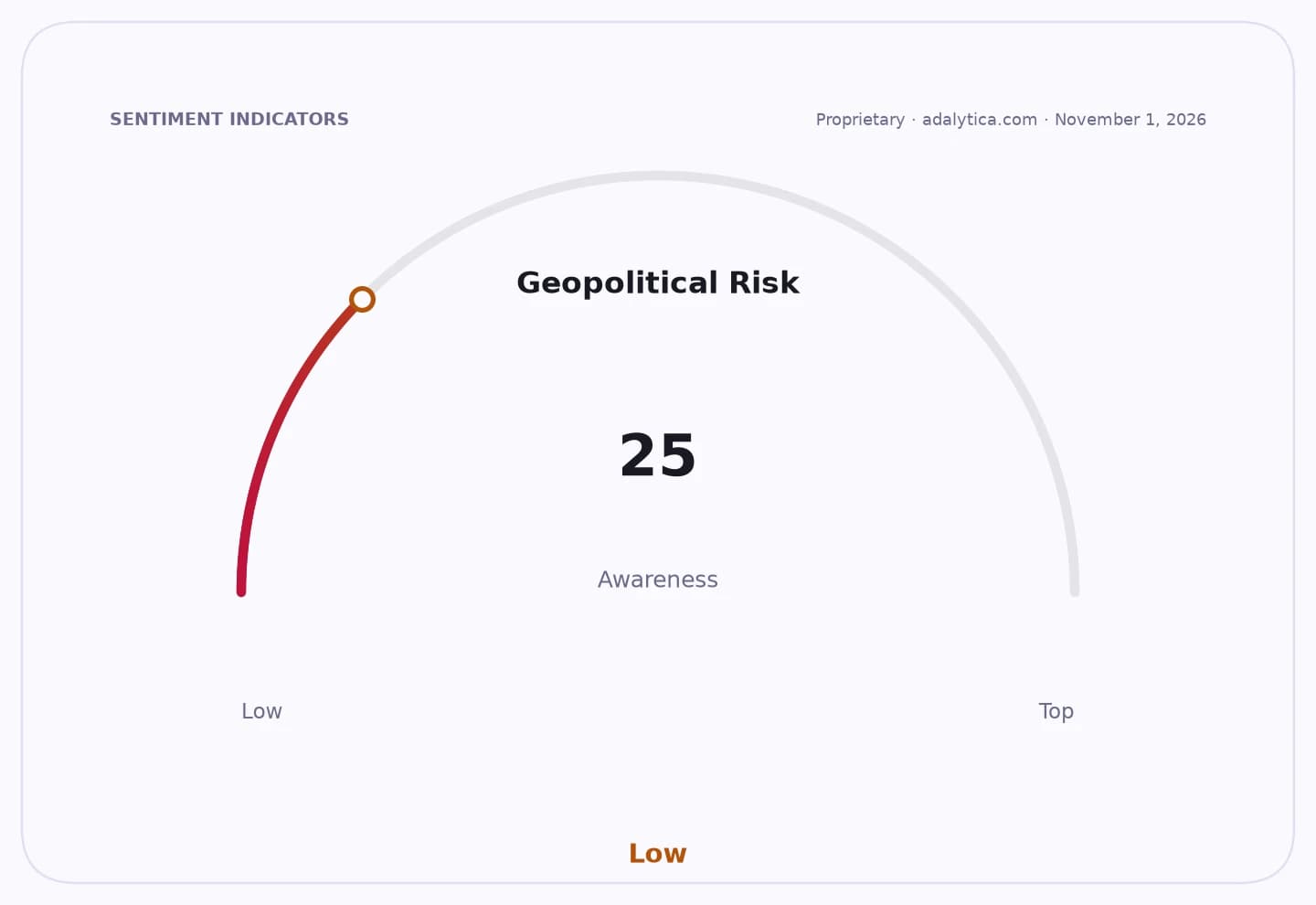
Sentiment Indicators
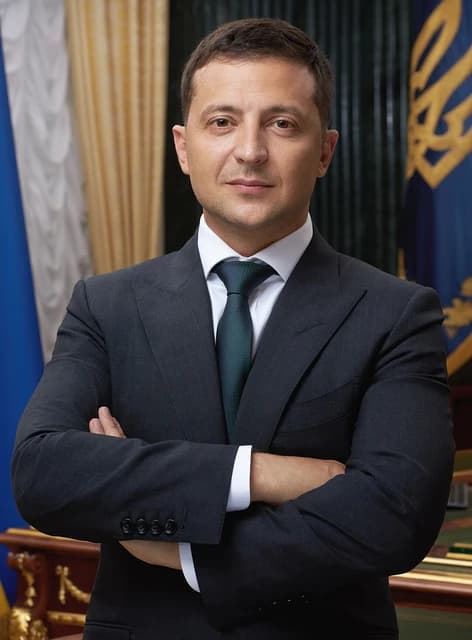
For investors, the immediate implication is that the sanctions regime remains a live geopolitical risk for Russian-linked assets, industrial supply chains and any counterparties exposed to cross-border restrictions. RusAl is especially important because aluminum sits at the heart of energy-intensive manufacturing, autos and construction, and any widening of restrictions can ripple through commodity pricing, shipping, insurance and financing channels. Even when sanctions do not fully block trade, they can raise transaction costs, compress margins and force buyers to seek alternative suppliers.
The broader market message is that the Russia-Ukraine war still has the power to move capital, especially in metals, energy and defense-linked sectors. Every new round of restrictions keeps a floor under geopolitical risk premia and reinforces the case for firms and funds that benefit from prolonged fragmentation: defense contractors, energy security plays, logistics providers and non-Russian commodity suppliers. The market often underestimates how much value is created when supply chains are rerouted and compliance burdens rise.
Geopolitical Risk — 30-day sentimentadalytica.com
Explore this data interactively — full history, time series and cross-market comparisons.
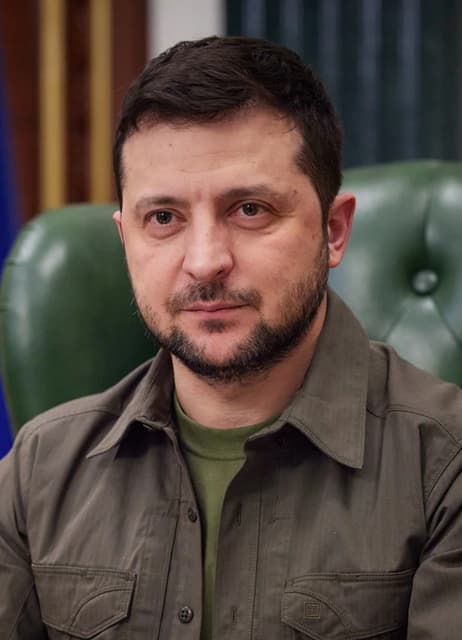
That is why this decree should be read less as a symbolic gesture and more as another step in a longer campaign to isolate Russian industry financially. If Kyiv succeeds in pushing allied governments to mirror the sanctions, the second-order effect could be tighter access to capital, weaker export flexibility and more pressure on Russian corporates already operating under heavy strain. For investors, the actionable takeaway is to stay positioned in beneficiaries of geopolitical deglobalization while treating Russian-exposed assets as a continuing source of downside risk.
| Entity | Gains | Losses |
|---|---|---|
| Ukraine / Zelensky | ▲More leverage on Moscow | ▼Limited immediate economic impact |
| Russian firms targeted | ▲None | ▼Higher financing and trade costs |
| RusAl | ▲Possible rerouting opportunities elsewhere | ▼Sanctions risk and margin pressure |
| Defense and security stocks | ▲Higher demand backdrop | ▼None |