The European Union is proposing to add 117 more entities to its sanctions list against Russia, a move that would tighten the bloc’s economic pressure on Moscow and reinforce the premium investors are already assigning to Western energy and defense exposure.
EU Proposes 117 More Russia Sanctions
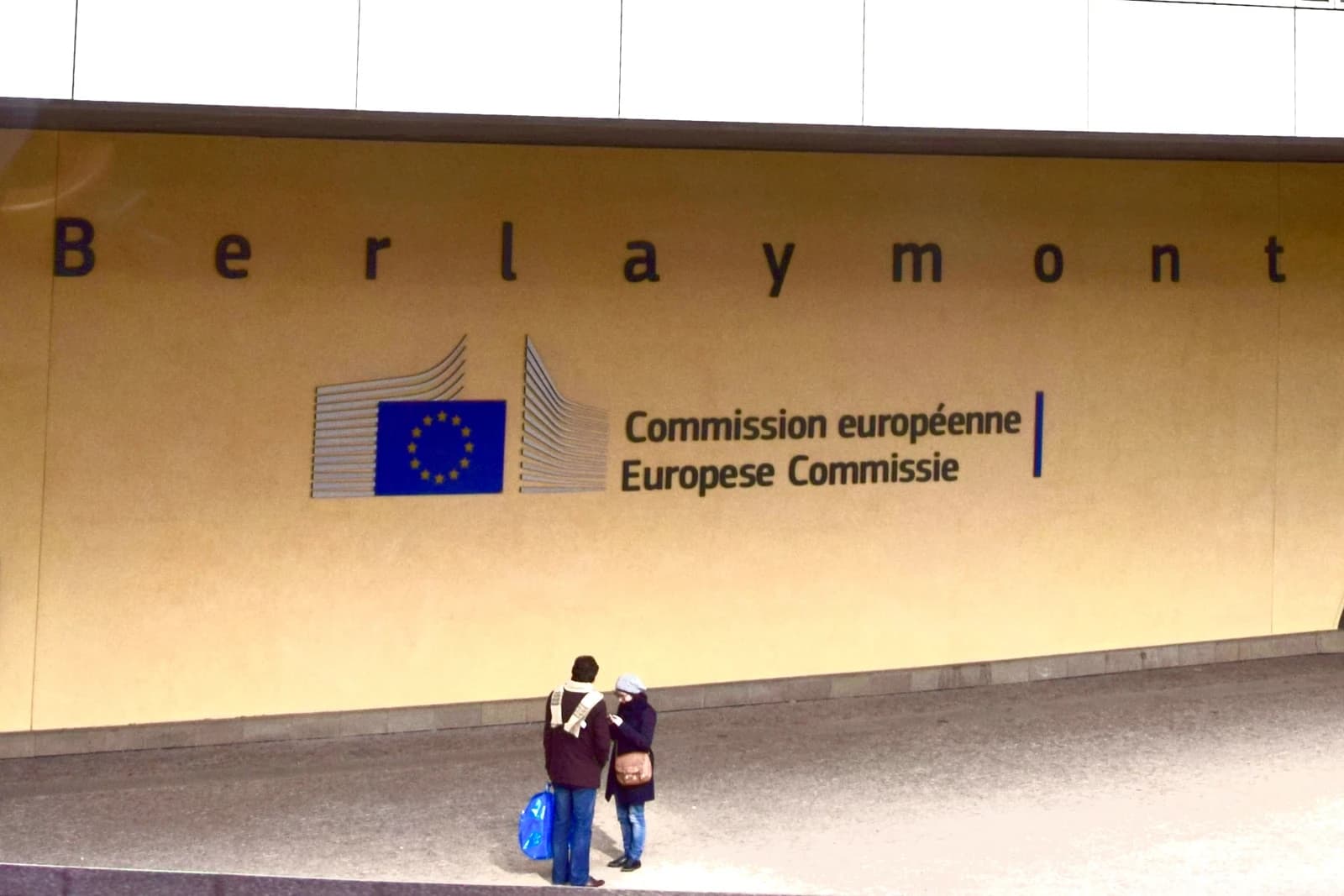
The proposal matters because sanctions remain one of Europe’s few direct levers over the Kremlin’s war economy, and each fresh round increases the cost of trade, finance and logistics for Russian counterparties while narrowing the scope for sanctions evasion. It also arrives as diplomatic signals remain uneven: Washington has been weighing a gradual easing of some measures, while Kyiv has warned that any relaxation would reward Moscow. The EU’s step, if adopted, would keep sanctions policy aligned with the bloc’s broader strategy of denying Russia access to capital, goods and services that support the war effort.
Sentiment IndicatorsⓘProprietary · adalytica.com · October 27, 2026
This is a snapshot — live sentiment, awareness and momentum for 130+ markets update continuously in the dashboard.Open AlphaPulse
For markets, the immediate significance is less about the listed entities than about the persistence of geopolitical risk. European sanctions escalation tends to support energy producers and defense contractors by extending the war premium in oil, gas and security spending, while deepening uncertainty for companies with Russian exposure or supply chains tied to sanctioned intermediaries. That split has been visible in sector performance: the U.S. Energy Select Sector SPDR fund has climbed to about 69.64, up from 44.73 a year earlier, while oil-services shares have also stayed firm, with the VanEck Oil Services ETF at 402.4 after recovering from a June trough near 371.3. The technical picture in both funds remains constructive, with prices above their 50-day and 200-day moving averages and RSI readings in bullish territory, suggesting investors continue to price in a durable geopolitical risk premium.
The broader backdrop is a sanctions regime that has become increasingly iterative rather than decisive. Each EU package adds to the compliance burden on banks, traders and shipping firms, but the economic impact is cumulative rather than immediate, and Russia has repeatedly adapted through rerouted trade, shadow fleets and non-Western payment channels. That is why investors tend to focus less on headline counts and more on whether enforcement tightens, whether allies stay coordinated and whether sanctions expand into sectors that are harder to circumvent, such as technology, logistics and financial intermediation.
Geopolitical Risk — 30-day sentimentadalytica.com
Explore this data interactively — full history, time series and cross-market comparisons.Open AlphaPulse
For now, the proposal reinforces a market narrative that the Ukraine war is still a structural overhang for European policy and for global energy pricing. If the EU and the U.S. remain out of step on sanctions, volatility around Russian assets and energy-linked equities could persist. If Brussels can keep broadening the regime while improving enforcement, the pressure on Moscow rises further — but so does the risk of retaliation against European trade and supply chains.
| Entity | Gains | Losses |
|---|---|---|
| EU policymakers | ▲Stronger leverage on Russia | ▼Higher enforcement burden |
| Russia-linked entities | ▲— | ▼Added asset and trade restrictions |
| Energy producers | ▲War-risk premium support | ▼Demand shock risk if escalation worsens |
| Importers and Europe-bound trade | ▲— | ▼Higher compliance and supply-chain costs |