Russia is intensifying asset seizures and temporary takeovers of European-owned businesses while largely sparing U.S. rivals, a split that underscores how the Kremlin is using corporate pressure as leverage in the Ukraine war and as a bargaining chip in its reset with Washington.
Russia Seizes More European-Owned Firms Than U.S.
A Reuters review of official data shows that of 20 foreign-owned firms placed under temporary administration since Donald Trump returned to the White House in January 2025, only three were linked to the United States, with the rest controlled by European companies. That is economically significant because it shows Moscow is not pursuing a blanket anti-foreign campaign: it is targeting the businesses most exposed to Europe’s hard line on Ukraine while preserving a channel for future U.S. investment, trade and political engagement.
Sentiment IndicatorsⓘProprietary · adalytica.com · October 28, 2026
This is a snapshot — live sentiment, awareness and momentum for 130+ markets update continuously in the dashboard.Open AlphaPulse
The pattern matters for investors because it creates an uneven political-risk map across multinationals still operating in Russia or with residual assets there. European groups face a higher probability of expropriation, forced local control or legal disputes over compensation. U.S. companies, by contrast, appear to be benefiting from the Kremlin’s desire to keep open the prospect of commercial rapprochement with Washington, even as the war continues. That asymmetry could influence who writes down Russian exposure, who keeps optionality alive and which firms ultimately regain access if sanctions ease.
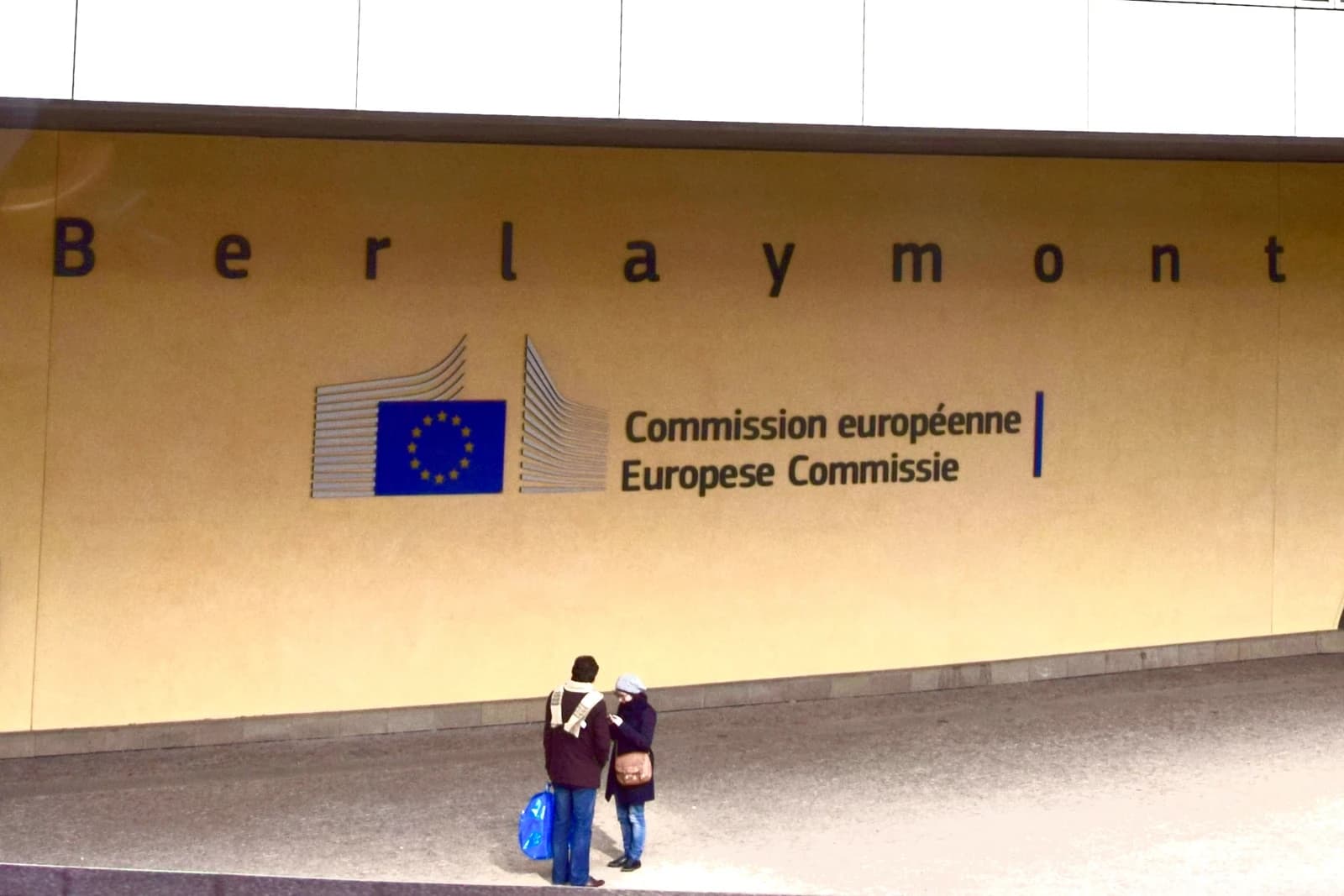
Russia’s recent moves have sharpened that divide. Since last month it has taken control of local units of Nestle, Auchan and Metro, and last week it seized local assets of four smaller companies from France, Germany, Sweden and Belgium. Kremlin spokesman Dmitry Peskov said country of origin was among the factors considered, while also accusing those nations of “illegal expropriations of Russian property.” The European Commission called the seizures “forced expropriation in all but name” and said the EU can sanction those profiting from them.
At the same time, Moscow has been sending a different signal to the U.S. The latest diplomatic contacts include a meeting between Putin and U.S. envoy Steve Witkoff in St Petersburg, where Russian agencies reported Putin said he was interested in restoring economic ties. Trump’s administration has also suspended certain sanctions, and the White House has discussed deals involving Russian diesel and gas. That has given Russian officials room to argue that keeping U.S. firms relatively protected supports broader negotiations with Washington.
The Kremlin’s strategy also reflects hard economics. European firms are easier to pressure because Brussels remains closely aligned with Kyiv, while Washington under Trump has shown more openness to transactional engagement. A person close to Russian financial regulators said Moscow has no interest in taking as tough a line on U.S. firms while negotiations are underway. Another official said some Russia hardliners could still push for more U.S. companies to be targeted, but for now the Kremlin appears to prefer using European assets as punishment and U.S. assets as leverage.
For investors, the immediate implication is that Russia exposure is no longer just a sanctions question; it is becoming a nationality question. The risk premium on European industrials, consumer groups and retailers with lingering Russian assets is likely to remain elevated, while U.S. multinationals with residual exposure may see a narrower threat path so long as U.S.-Russia talks continue. Still, that protection is conditional. If peace talks stall or Moscow decides Washington is not delivering concessions, the current exemption could narrow quickly.
The broader market read-through is that Russia is trying to separate geopolitical punishment from economic diplomacy. That may buy time for selective corporate survivors, but it also reinforces the idea that Russia remains an unstable jurisdiction where asset ownership can change with foreign policy, not law.
| Entity | Gains | Losses |
|---|---|---|
| U.S. firms in Russia | ▲Relative protection | ▼Less immediate seizure risk |
| European firms in Russia | ▲Leverage from Moscow talks | ▼Higher expropriation risk |
| Kremlin | ▲Negotiating leverage | ▼Fewer investment ties with Europe |
| EU policymakers | ▲Retaliation tools | ▼More corporate losses |