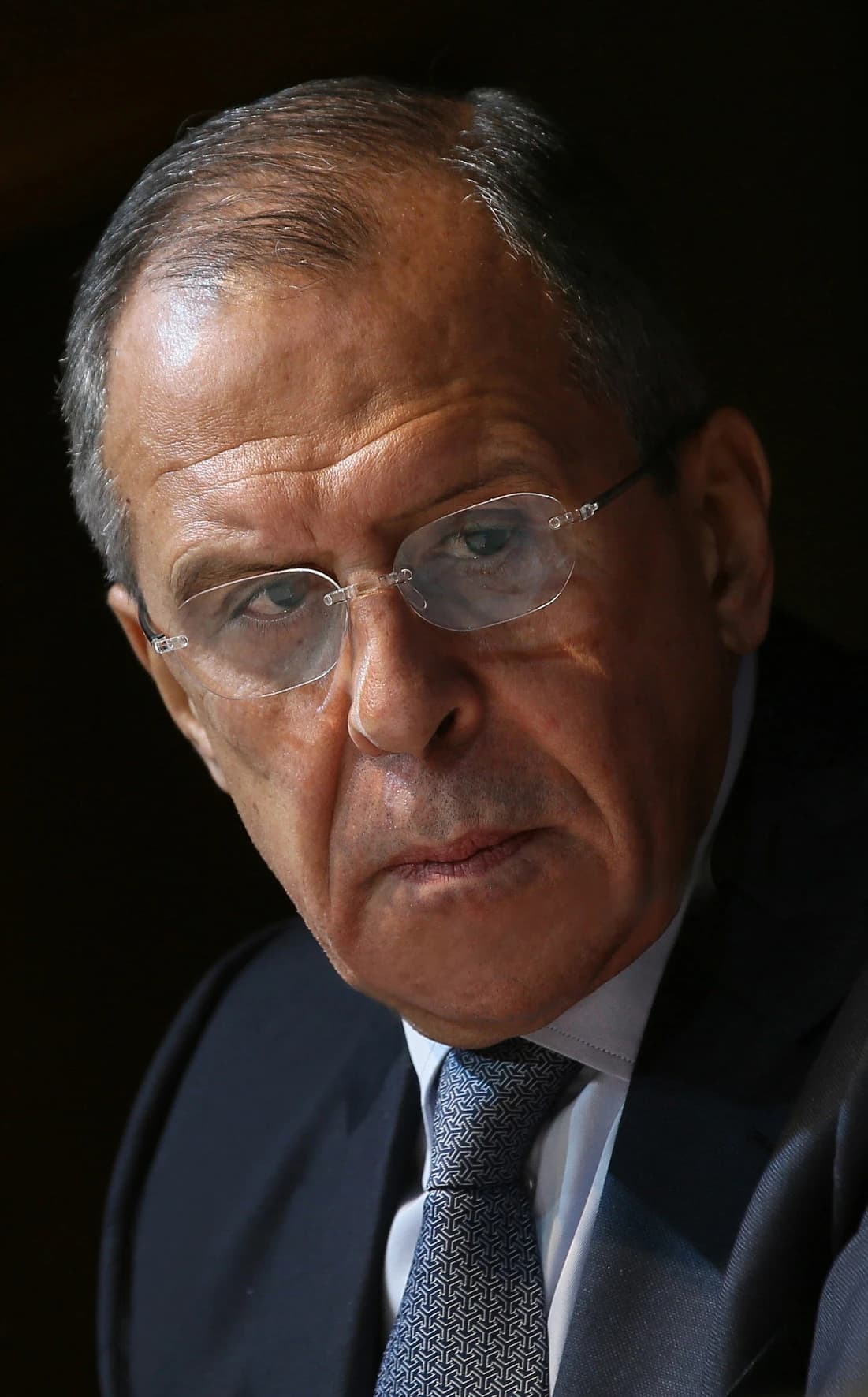
Russia will not restore its pre-February 2022 relations with the West, Foreign Minister Sergei Lavrov said, underscoring how Moscow is preparing for a long break with the U.S. and Europe even as it leaves the door open to selective economic deals.
Russia Rejects Pre-2022 West Reset, Sees Selective Deals
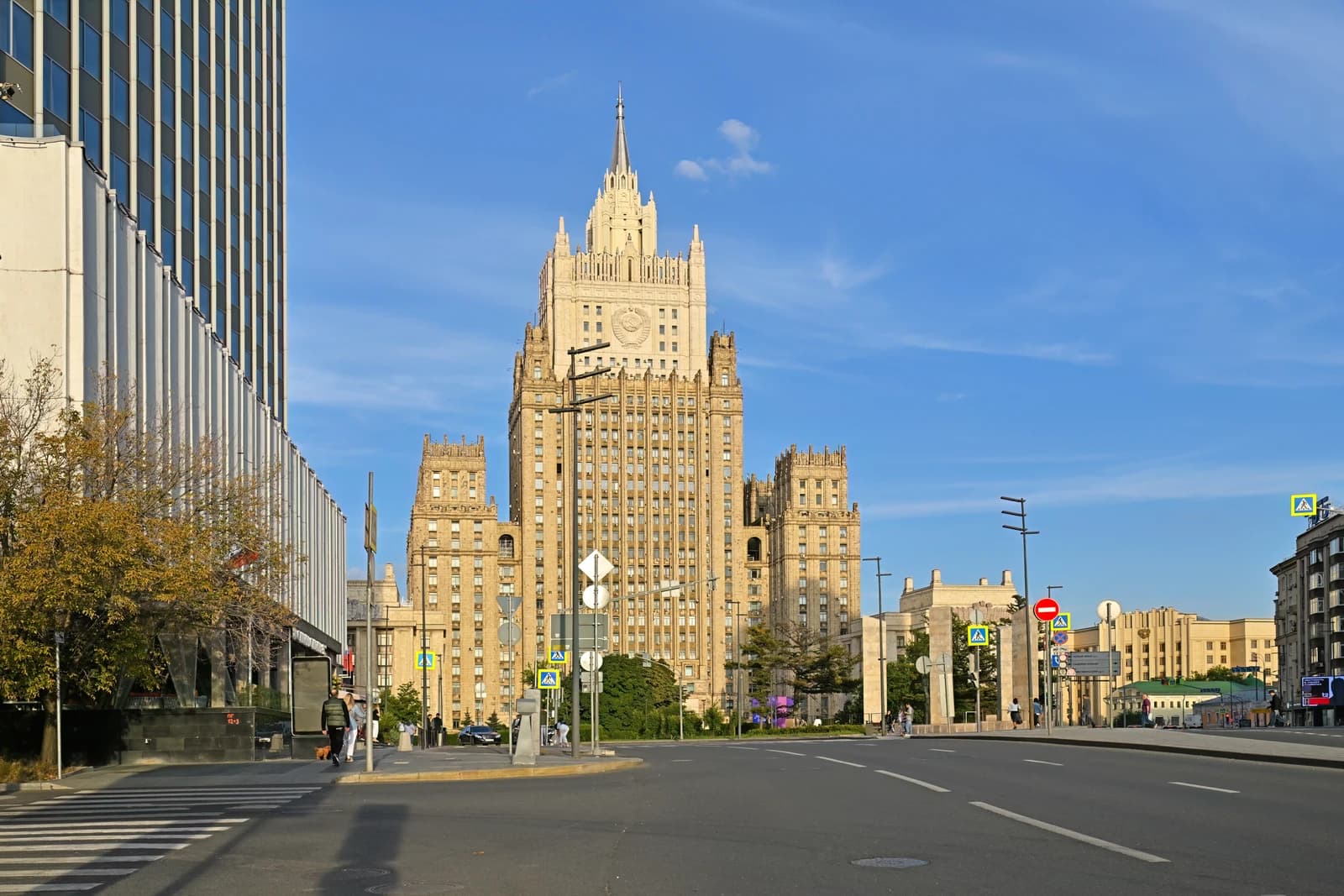
Lavrov said Russia is ready for agreements with Washington if they bring financial and economic benefits, but insisted there can be no political concessions from Moscow. He also warned against overestimating U.S. President Donald Trump’s refusal to fully enforce sanctions legislation, saying the next White House occupant could easily reverse course.
Sentiment IndicatorsⓘProprietary · adalytica.com · October 26, 2026
This is a snapshot — live sentiment, awareness and momentum for 130+ markets update continuously in the dashboard.Open AlphaPulse
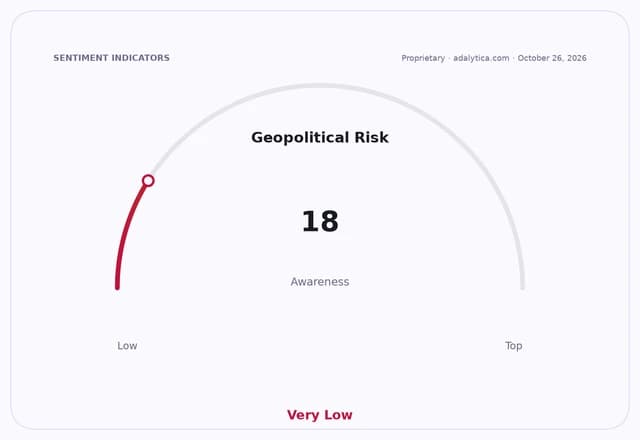
The comments matter because they point to a Russia strategy built on transactional openings, not a diplomatic reset. For businesses and investors, that means any thaw in trade or energy links would likely be narrow, exception-based and vulnerable to sanctions risk rather than a broad normalization of cross-border flows.
Lavrov framed the U.S. as at best a rival and at worst an opponent, saying the West will no longer be able to dictate the global agenda. That message reinforces the Kremlin’s long-running push toward what it calls a multipolar order and signals that Moscow is seeking to lock in a new baseline for relations after more than two years of war and sanctions pressure.
He also cited remarks by U.S. Treasury Secretary Scott Bessent on a diesel-related deal with Russia, arguing it was only an exception to restrictions that remain in force. That highlights the narrow scope of possible openings in energy and commodity trade, even as Moscow looks for ways to keep export channels alive.
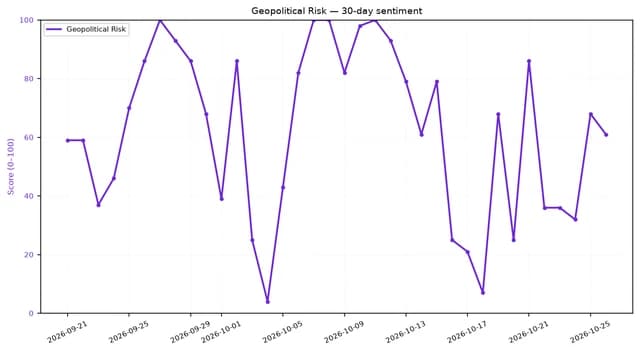
Markets are likely to treat the rhetoric as another sign that geopolitical risk remains embedded in European energy and security assets. Gold has been under pressure, with GLD near $368 and below its 200-day moving average, while oil remains firm, with USO at $168.23 and well above both its 50-day and 200-day moving averages, reflecting persistent sensitivity to supply risk and sanctions headlines.
The broader backdrop remains one of elevated regional instability, with Russian strikes on western Ukraine and talk of missile deployment in Belarus keeping pressure on Europe’s security outlook. Any future U.S.-Russia talks would therefore be watched less for a diplomatic breakthrough than for whether they produce limited sanctions carve-outs, energy exemptions or trade exceptions that can move commodities and defense-linked assets.
| Entity | Gains | Losses |
|---|---|---|
| Russia | ▲possible sanctions carve-outs | ▼broad diplomatic normalization |
| U.S. dealmakers | ▲narrow commercial openings | ▼leverage from sanctions pressure |
| Oil exporters | ▲higher risk premium | ▼ease in supply fears |
| Gold bulls | ▲safe-haven demand | ▼relief from geopolitics |