China declined to confirm Vladimir Putin’s claim that he proposed a trilateral summit with Donald Trump and Xi Jinping, but signaled it would keep pushing for negotiations on the Ukraine war.
China Won't Confirm Putin's Trump-Xi Ukraine Summit Claim
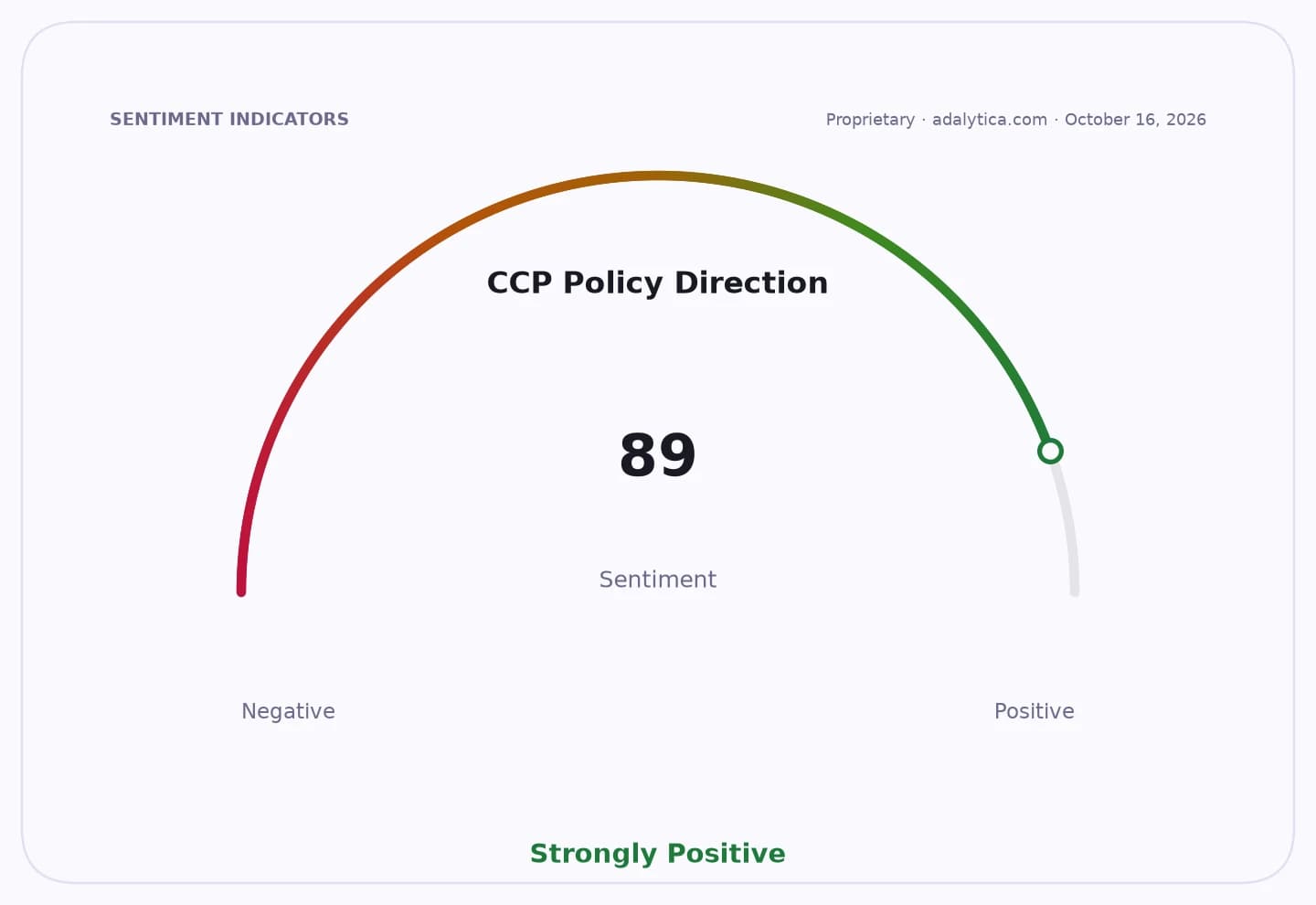
The statement matters because any sign of Beijing’s involvement in talks with Washington and Moscow would carry weight for the path of the conflict, energy markets and risk sentiment. For investors, even a hint of high-level diplomacy can ripple through crude, defense, gold and broader “risk-off” trades.
Sentiment IndicatorsⓘProprietary · adalytica.com · October 27, 2026
This is a snapshot — live sentiment, awareness and momentum for 130+ markets update continuously in the dashboard.Open AlphaPulse
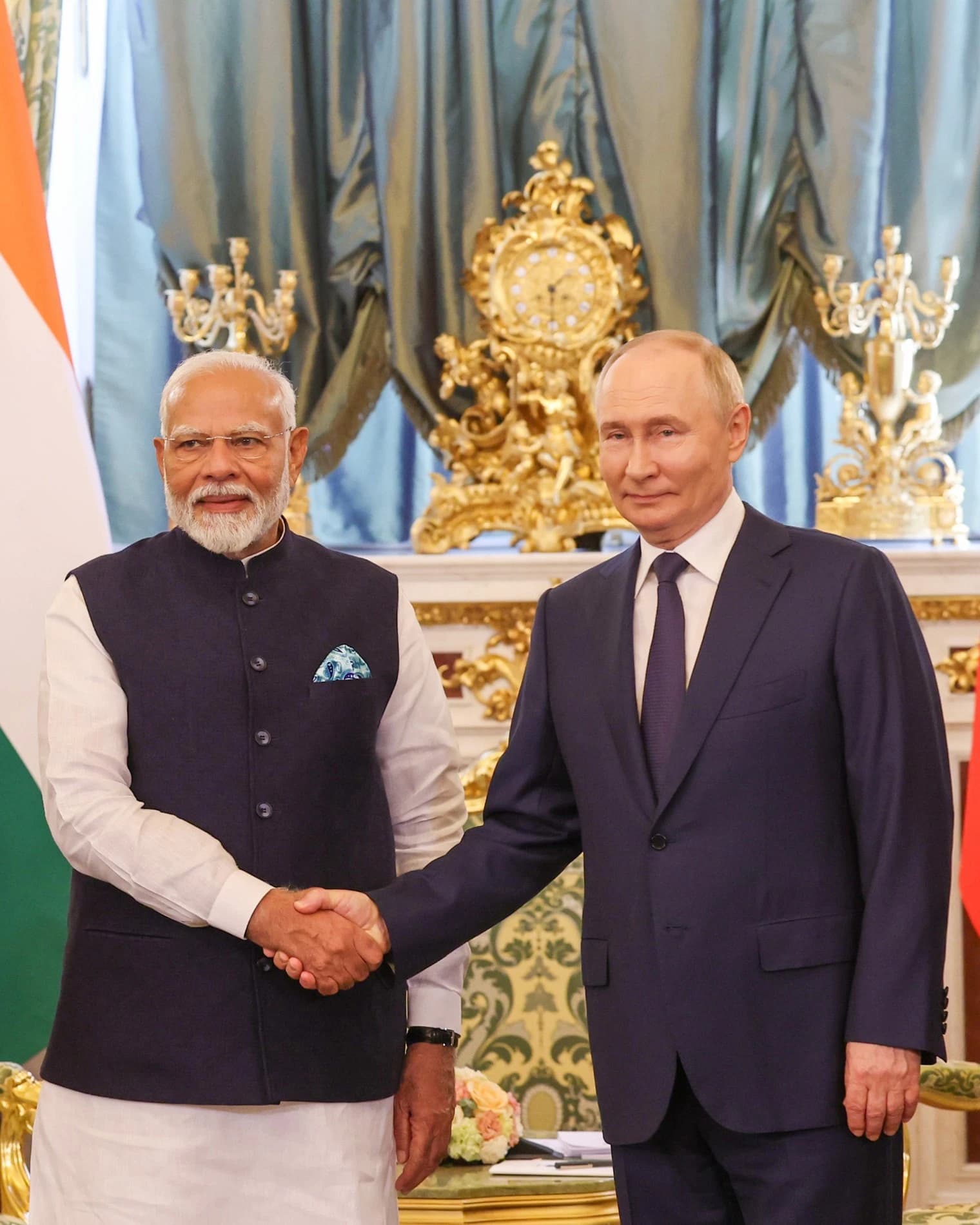
Foreign Ministry spokeswoman Mao Ning said Beijing’s position on the Ukraine crisis remains consistent and that China will continue to “promote peace talks” and work toward a political settlement. She stopped short of confirming the report, which was first published by The Wall Street Journal and said Putin floated the idea during his Oct. 9 meeting with Trump.
The newspaper said Moscow suggested holding the meeting in China on the sidelines of the Asia-Pacific Economic Cooperation summit on Nov. 18-19, while Chinese officials indicated they would not object if Trump agreed. Trump has not endorsed the idea, according to the report, leaving the proposal in the realm of diplomatic signaling rather than a scheduled summit.
The market implications remain tied to the possibility, however remote, of any breakthrough that could alter sanctions risk, Russian oil flows and the geopolitical premium embedded in commodities. US crude futures tracked by USO have surged to 166.23 from 153.09 on Oct. 24, while the Energy Select Sector SPDR fund has climbed to 69.64 from 67.57 over the same stretch, reflecting how quickly traders reprice geopolitical headlines.
Gold has moved the other way in recent sessions, with the GLD ETF slipping to 367.82 from 369.00 on Oct. 22, suggesting some investors have backed away from the safe-haven bid that tends to accompany worse geopolitical tension. Still, the metal remains close to elevated levels, underscoring how unsettled the backdrop remains.
For Beijing, the messaging preserves optionality: it avoids validating a report that could complicate ties with Washington while reinforcing China’s image as a potential broker. For investors, the key question is whether this develops into a real diplomatic track or stays a tactical signal that leaves energy prices, defense shares and haven assets sensitive to the next headline.
| Entity | Gains | Losses |
|---|---|---|
| China | ▲Diplomatic flexibility | ▼Pressure to validate report |
| Russia | ▲Summit signaling leverage | ▼No confirmed meeting |
| U.S. | ▲Negotiation opening | ▼Uncertainty on Ukraine path |
| Oil/energy bulls | ▲Geopolitical premium | ▼Peace-talk downside risk |