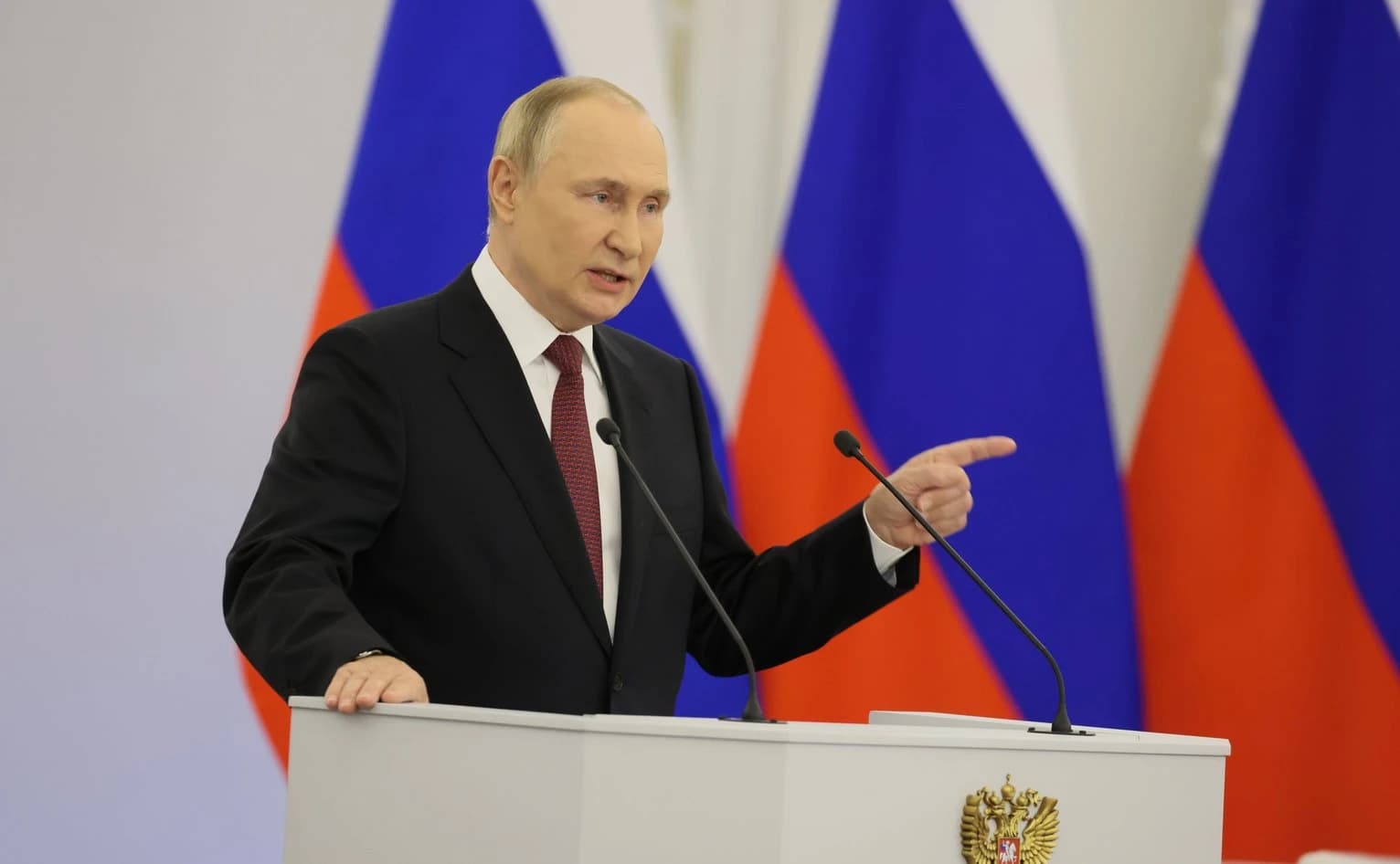
Russia’s renewed missile assault on Kyiv is keeping alive the central economic risk from the war: Moscow is still trying to break Ukraine’s state capacity rather than accept a settlement on terms that would stabilize Europe.
Russia missile attacks keep Europe war risk elevated
That matters because the conflict is no longer just a battlefield contest. It is a sustained threat to European security premised on coercion, energy disruption and the possibility of a wider confrontation on the EU’s eastern flank. For investors, that means defense spending, energy security and regional risk premia remain elevated even as diplomatic language about negotiations grows louder.
Sentiment Indicators
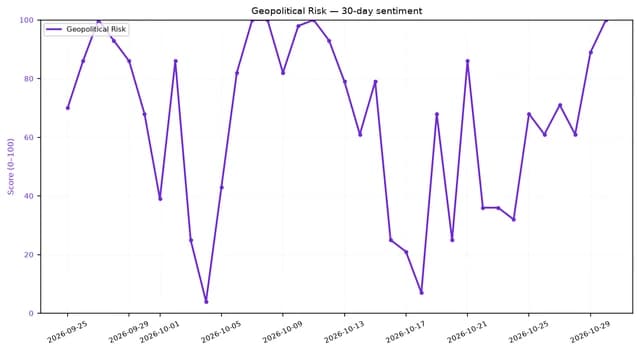
The latest attack on Kyiv underscores how little the Kremlin’s behavior has changed despite signs of prisoner exchanges and talk of talks. Moscow has continued to hit Ukraine’s infrastructure, a strategy that raises reconstruction costs, strains public finances and keeps pressure on power systems and industrial output. The war’s economic footprint therefore remains asymmetric: Ukraine bears the immediate destruction, while Europe absorbs higher security budgets, supply-chain uncertainty and the drag of persistent geopolitical risk.
Markets have already begun to price that backdrop. The iShares MSCI United Kingdom ETF, EWU, has pushed back toward recent highs, closing at 47.83 on Oct. 30 and sitting above both its 50-day and 200-day moving averages, while the Euro Stoxx-oriented EFA fund remains above its 200-day average even after a pullback. By contrast, China-sensitive FXI has weakened, highlighting how investors are still favoring defensive and developed-market exposure over more cyclical or geopolitically vulnerable bets. At the macro level, the U.S. 10-year Treasury yield at about 5.01% and the 10s-2s spread near 0.38 percentage point suggest a market still demanding compensation for uncertainty rather than pricing a clean de-escalation.
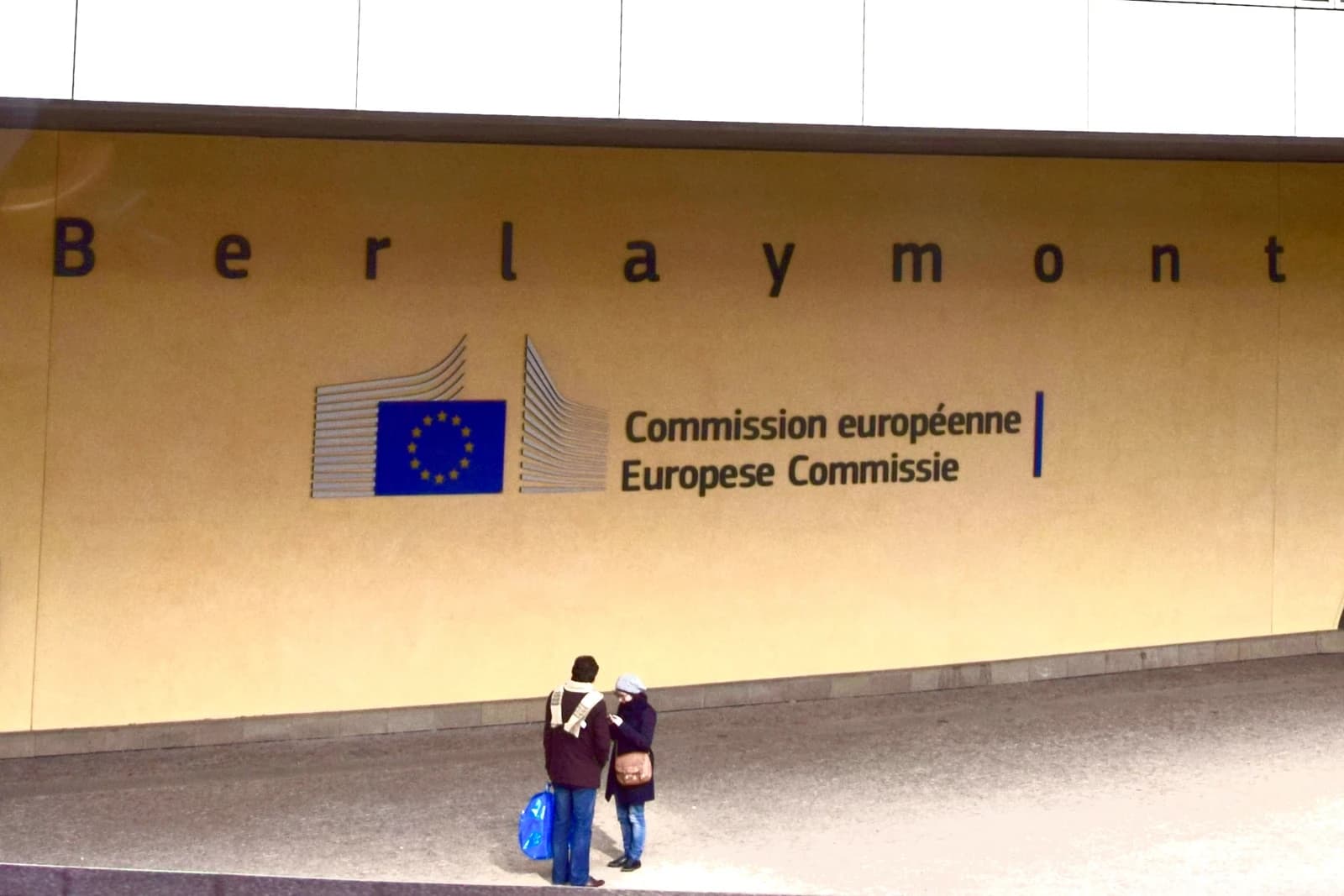
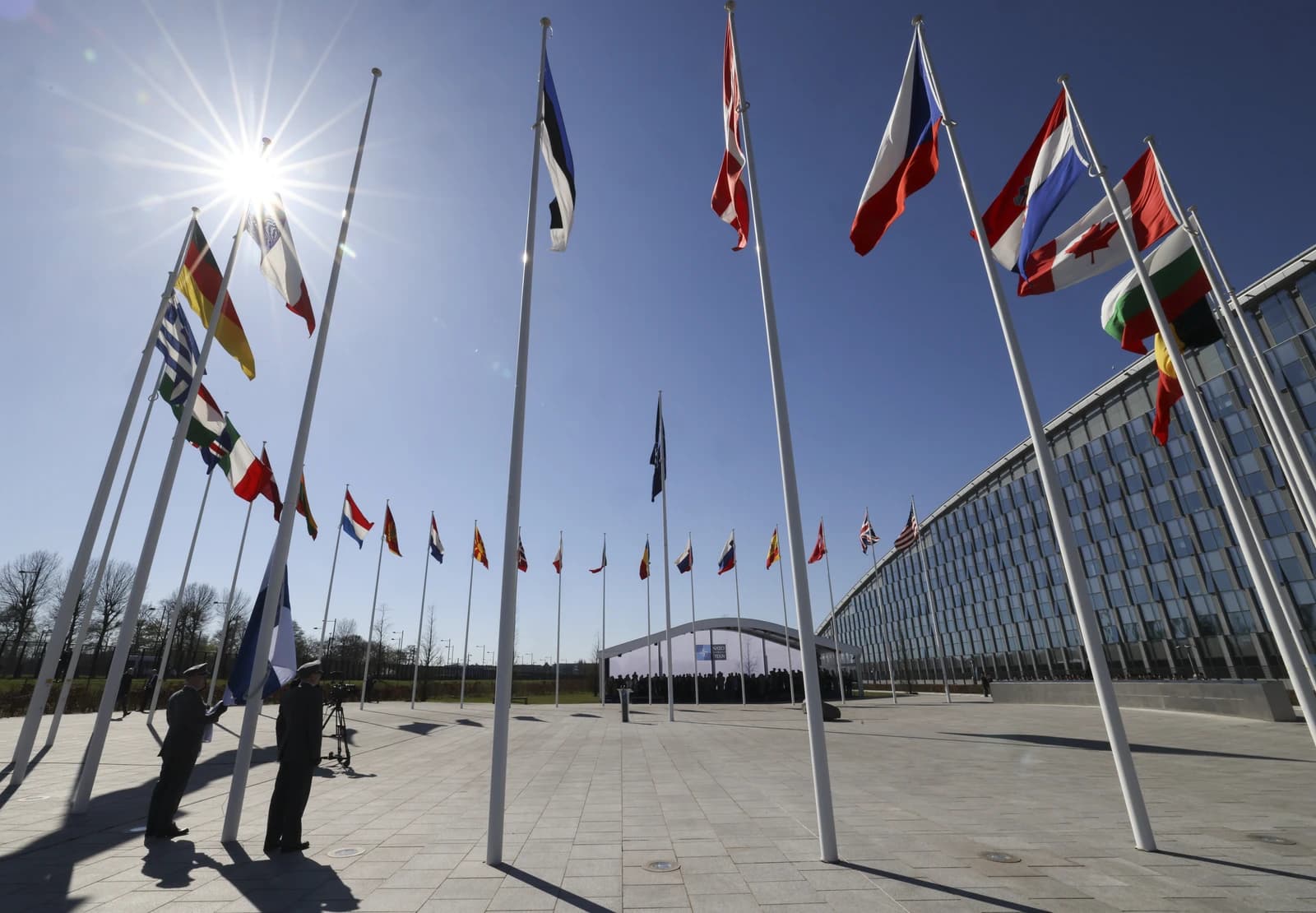
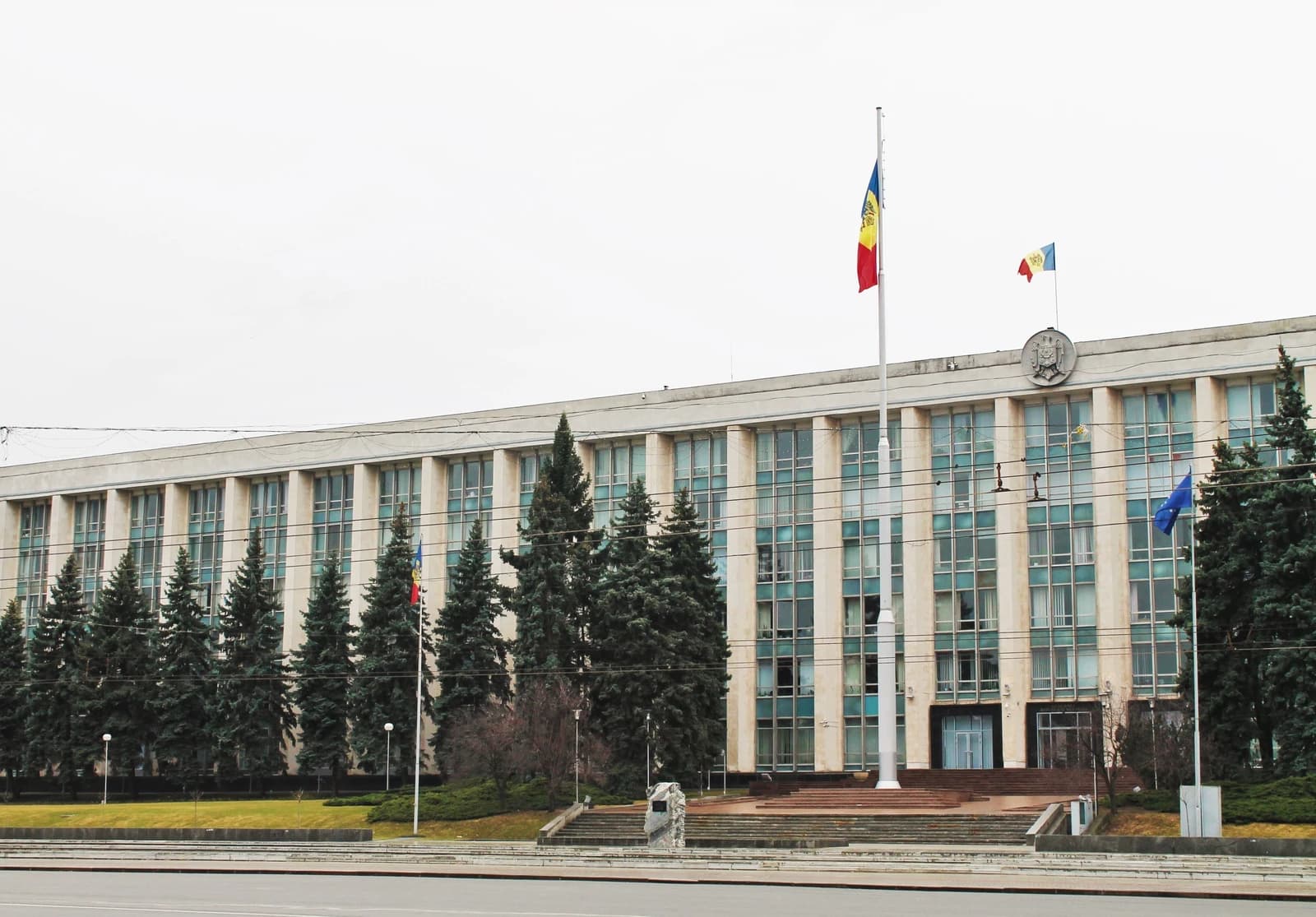
The political risk is especially acute for Europe because the conflict is not confined to Ukraine. The seed headline’s warning that the Kremlin is targeting an EU country points to the broader strategic aim: to intimidate NATO and EU members on the frontier and to test whether Western support frays under the cost of a prolonged war. That keeps pressure on governments to sustain military aid, harden air defenses and accelerate rearmament, which supports defense contractors and some industrial suppliers while squeezing budgets elsewhere.
The bull case for markets is that any credible negotiations, prisoner exchanges and a reduction in missile strikes could eventually ease volatility, lower energy-risk premiums and improve the outlook for European equities. The bear case is that Moscow uses diplomacy as cover while continuing to degrade Ukraine’s infrastructure, leaving Europe locked into a higher-spending, higher-risk security regime with no durable peace dividend.
For investors, the key question is not whether the war ends someday, but whether Europe is entering a prolonged phase of strategic rearmament. If so, defense, aerospace, cyber and energy-security themes remain the cleaner trade, while sectors dependent on stable trade routes, low gas prices and calm borders stay vulnerable to every new escalation.
| Entity | Gains | Losses |
|---|---|---|
| European defense contractors | ▲Higher procurement demand | ▼Margin pressure from supply bottlenecks |
| NATO/EU governments | ▲Stronger case for rearmament | ▼Larger budget burdens |
| Ukraine | ▲More Western support | ▼Continued infrastructure damage |
| Europe-sensitive risk assets | ▲Some safe-haven inflows | ▼Higher geopolitical risk premia |