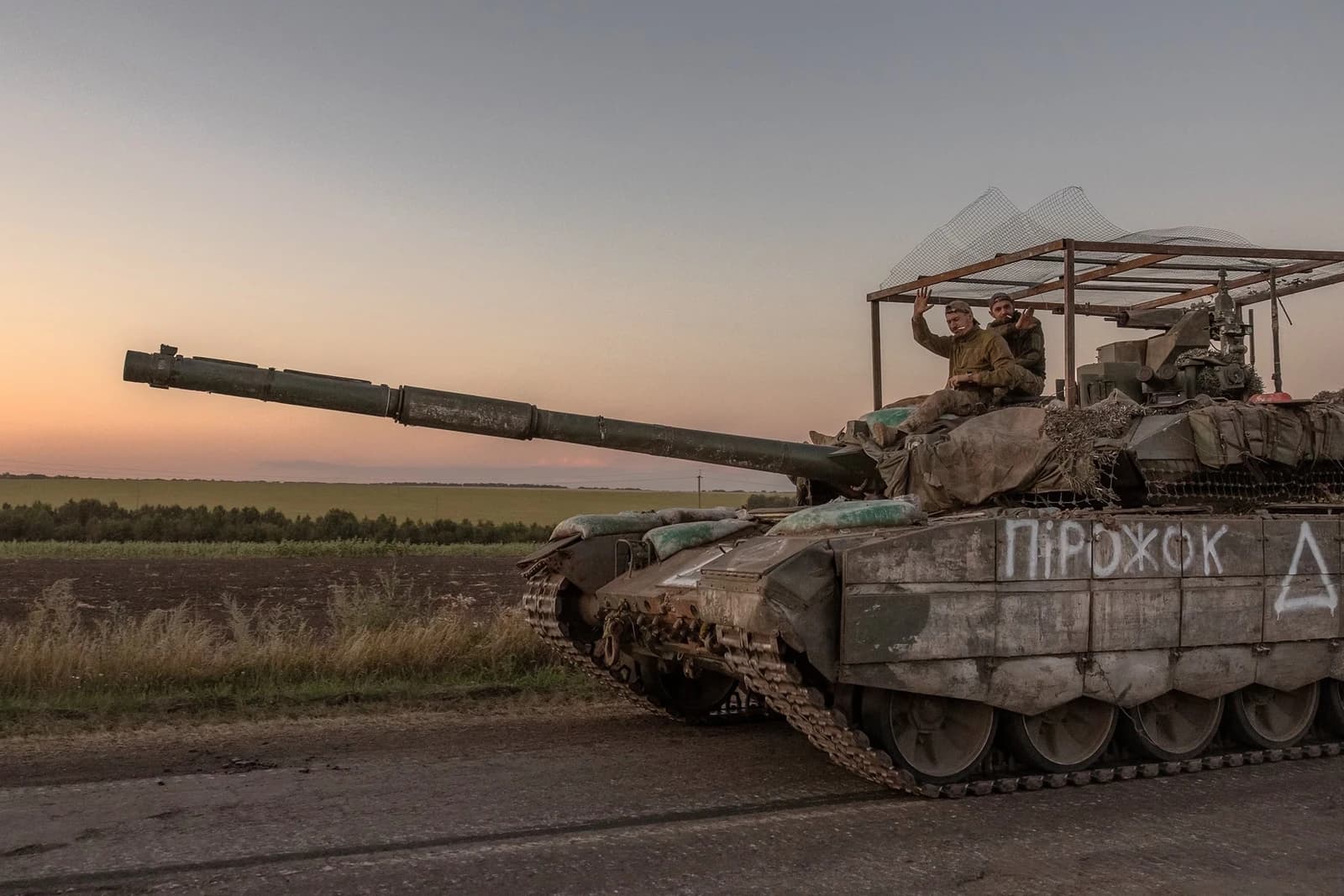
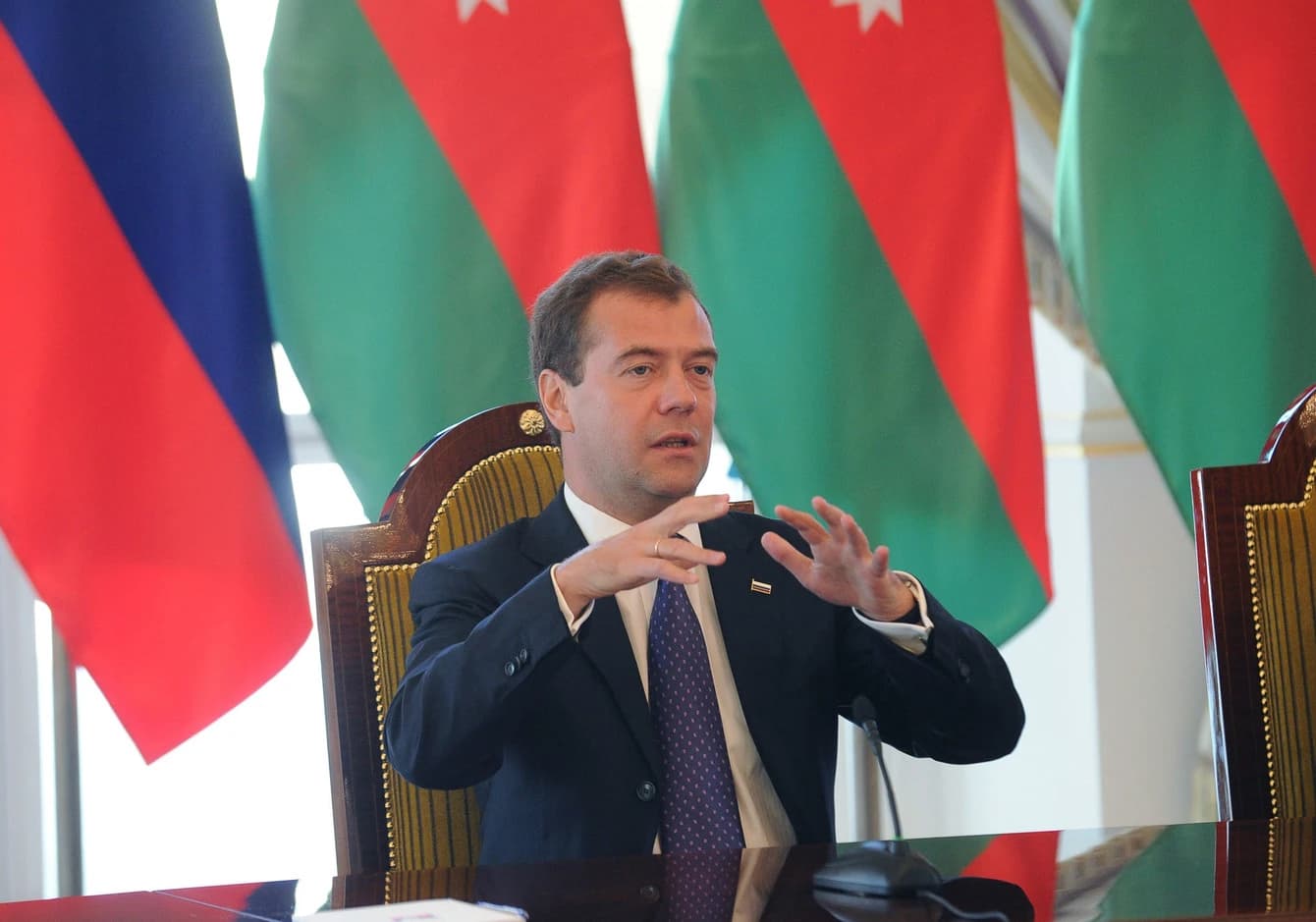
Vladimir Putin’s insistence that Russia cannot be beaten on the battlefield underscores a war that is now shaping European security spending, energy risk premia and defense equities as much as it is the military front.
Russia war rhetoric lifts defense and energy stocks
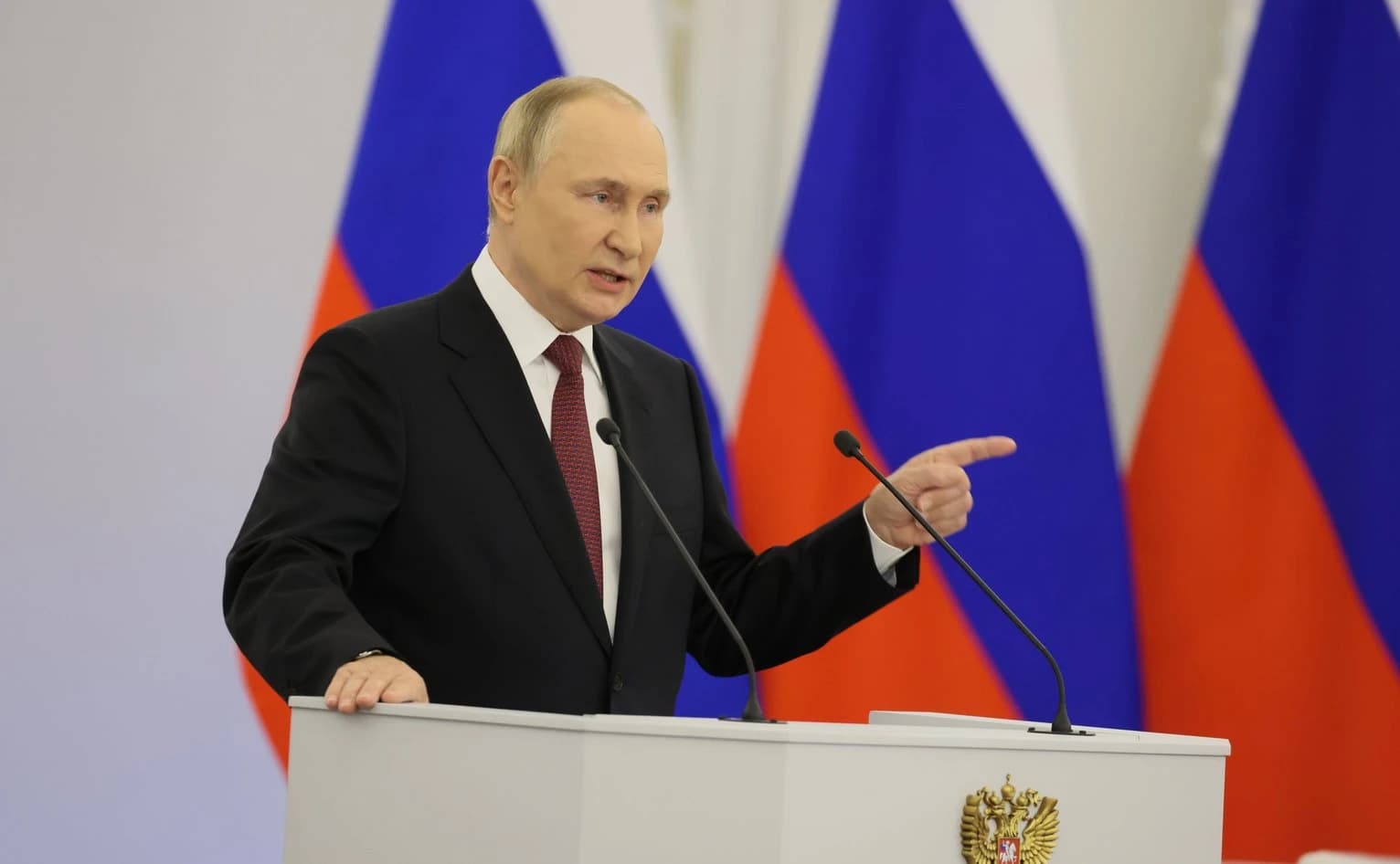
In remarks to journalist Pavel Zarubin, the Russian president said it had become “obvious to all” that defeating Russia militarily or inflicting a “strategic defeat” was impossible, a message aimed at reinforcing Moscow’s view that the conflict is entering a prolonged phase rather than moving toward a negotiated settlement. For investors, that matters because a drawn-out war tends to lock in higher defense budgets across Europe, keep geopolitical risk elevated and sustain demand for weapons systems, ammunition and military logistics.
Sentiment Indicators
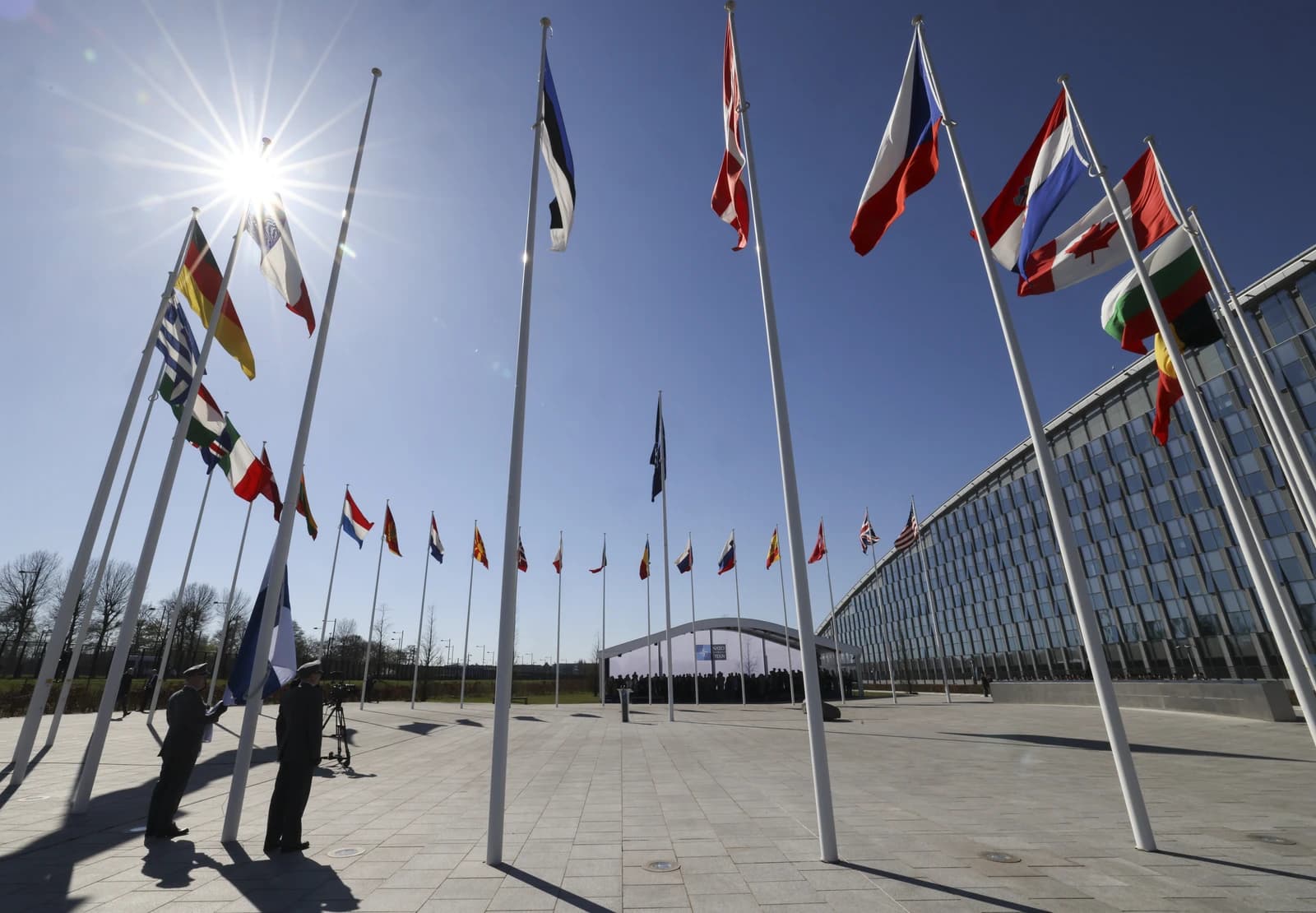
The comment lands against a backdrop of NATO members, led by Britain, stepping up readiness and planning for a more dangerous security environment in Europe. That buildup is increasingly visible in defense markets. Shares of the SPDR S&P Aerospace & Defense ETF have risen sharply this year, with the fund recently trading near 225, well above its 200-day moving average around 265? Wait—its latest quote of 224.98 is below that level, reflecting recent consolidation after a powerful run and suggesting the sector is still digesting expectations rather than repricing them lower. The broader defense complex has remained resilient even as some technical indicators cooled, with the 50-day average at about 240 and the relative strength index near 47, pointing to a pause rather than a breakdown.
The same pattern appears in the iShares U.S. Aerospace & Defense ETF, which has retreated from its earlier highs but remains far above levels seen at the start of the year. ITA last traded around 207.74, below its 200-day average of 228.85, after a strong first-half rally that pushed it to 250.49 in July. The pullback suggests investors are no longer buying every headline for a fresh rerating, but they are also not pricing in any meaningful de-escalation. A persistent war narrative supports the case for ongoing procurement, maintenance and replenishment spending, even if valuations now depend more on execution than on the geopolitical backdrop alone.
Geopolitical Risk — 30-day sentimentadalytica.com
Explore this data interactively — full history, time series and cross-market comparisons.
Energy markets are also part of the story. The Energy Select Sector SPDR Fund, XLE, has climbed to 68.45 from 42.60 in mid-December, with the 50-day moving average around 64.5 and the 200-day near 57.9. That move reflects more than oil prices; it captures how geopolitical tension continues to support the energy complex through supply-risk premiums and expectations of tighter policy responses from producers. A war that remains unresolved keeps a floor under crude-linked equities and reinforces the view that Europe’s energy security still carries a strategic cost.
The bear case for investors is that markets have already priced much of the risk, leaving defense and energy shares vulnerable if talks gain traction or if the conflict loses urgency in headlines. The bull case is that Putin’s message, together with NATO’s rearmament, points to a multi-year investment cycle in defense systems, missiles, drones, electronic warfare and energy resilience. In that scenario, the war is less a short-lived shock than a structural driver of capital allocation.
What matters now is whether Moscow’s rhetoric is matched by escalation on the ground or whether it becomes the political framing for a frozen conflict. Either way, investors are being told the same thing: Europe’s security premium is not going away anytime soon.
| Entity | Gains | Losses |
|---|---|---|
| Defense contractors | ▲Higher procurement demand | ▼Pressure if war de-escalates |
| Energy producers | ▲Geopolitical risk premium | ▼Lower prices on peace hopes |
| NATO governments | ▲Strategic urgency for rearmament | ▼Bigger budget burden |
| Ukraine and Russia | ▲Political leverage from stalemate | ▼Economic strain from prolonged war |