Russia and Ukraine traded major attacks overnight just hours after a U.S. envoy met Vladimir Putin, underscoring how fragile any diplomatic opening remains and how quickly the war can still escalate even as Washington pushes for talks.
Russia and Ukraine strike after U.S. envoy talks
That matters far beyond the battlefield. Every new round of strikes raises the odds of another winter shock to energy, logistics and industrial supply chains in Europe, while keeping defense spending elevated across NATO and pressuring governments to commit more air-defense, drones and munitions. For investors, the message is simple: peace headlines can move fast, but the cash flows tied to rearmament, resilience and energy security are still in their early innings.
Sentiment Indicators
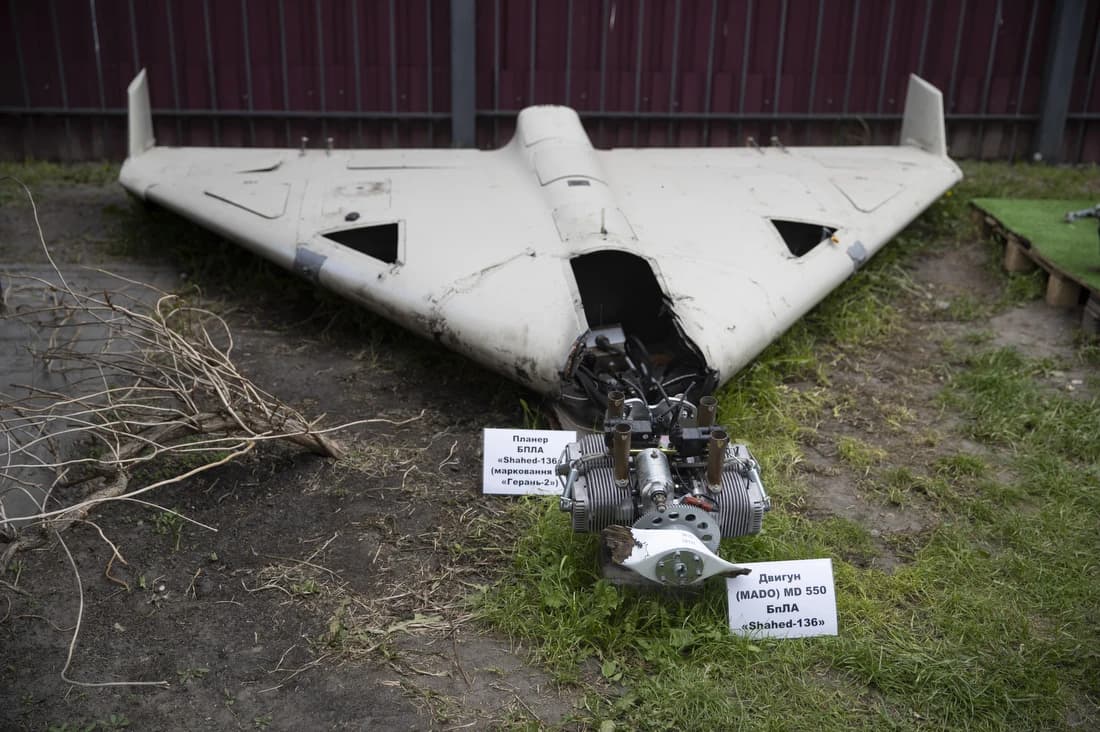
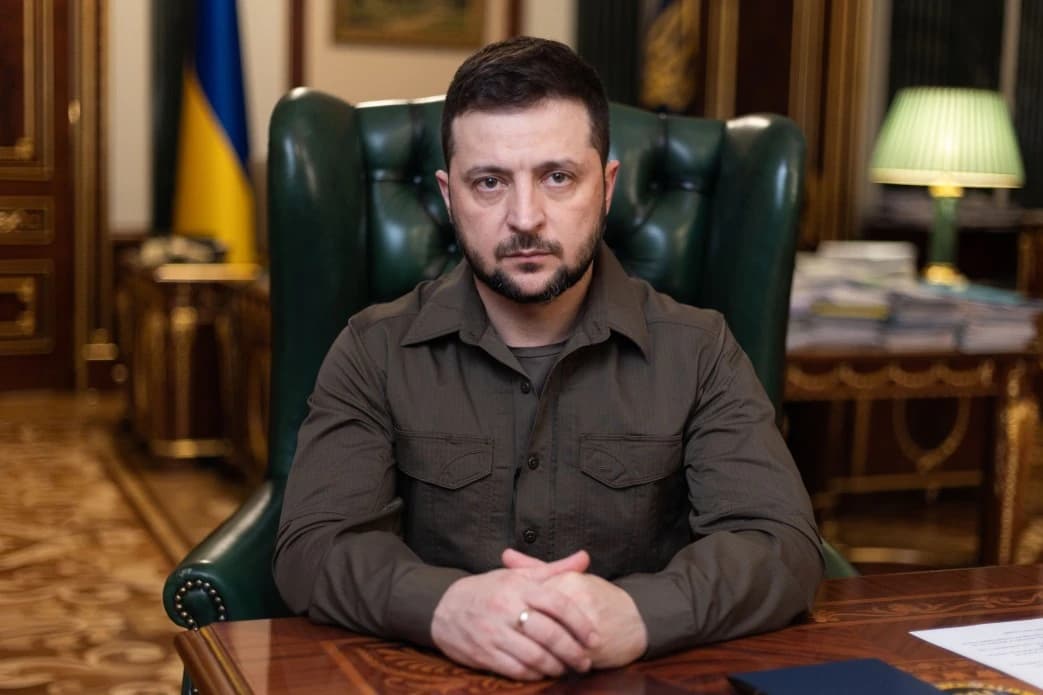
In Kyiv, missile strikes injured six people, with four hospitalized, while Ukrainian officials warned of further ballistic missile threats and urged residents to shelter. On the Russian side, authorities said they intercepted 630 drones overnight, including more than 160 near Moscow, in one of the heaviest reported drone barrages against the capital region since the war began.
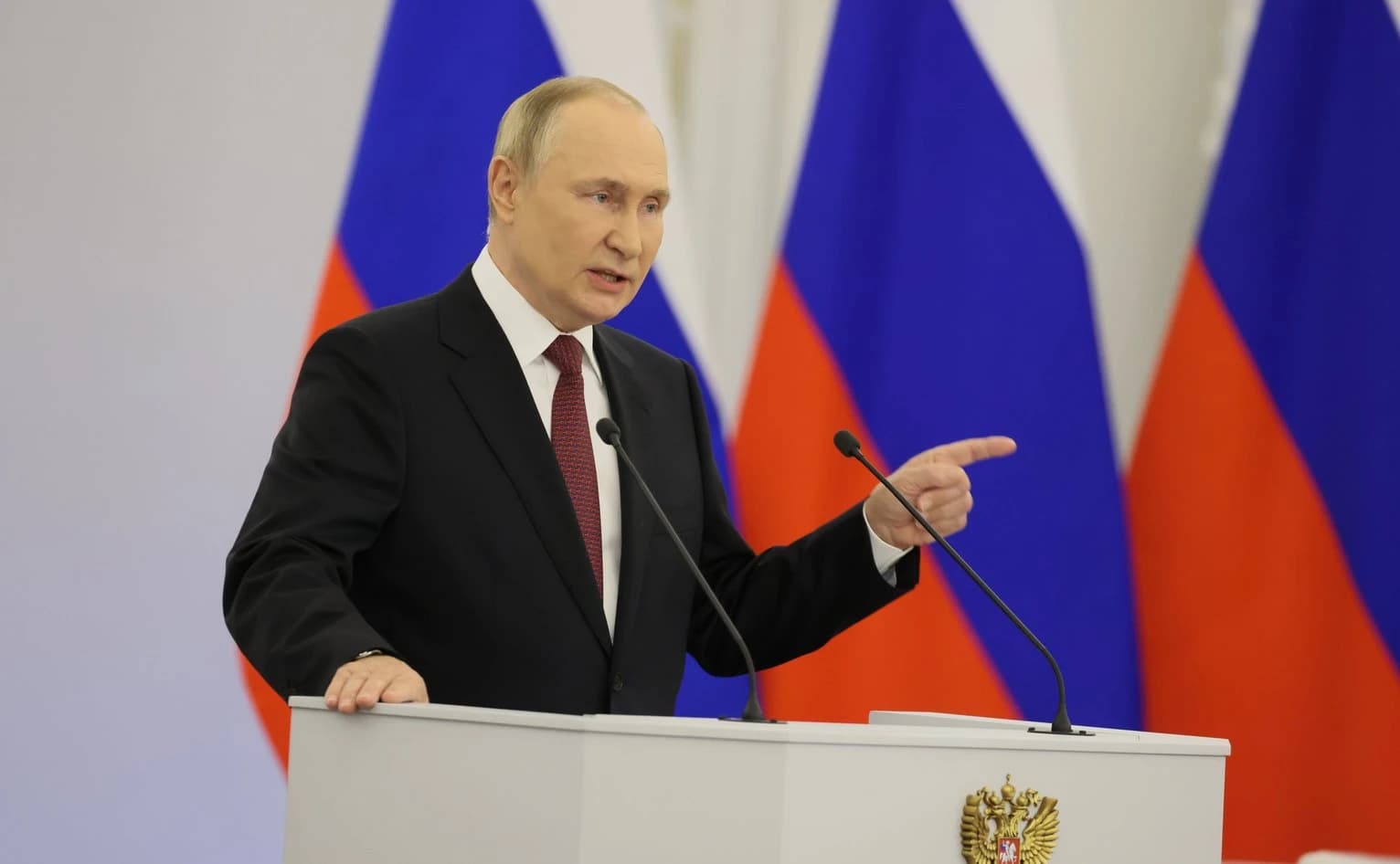
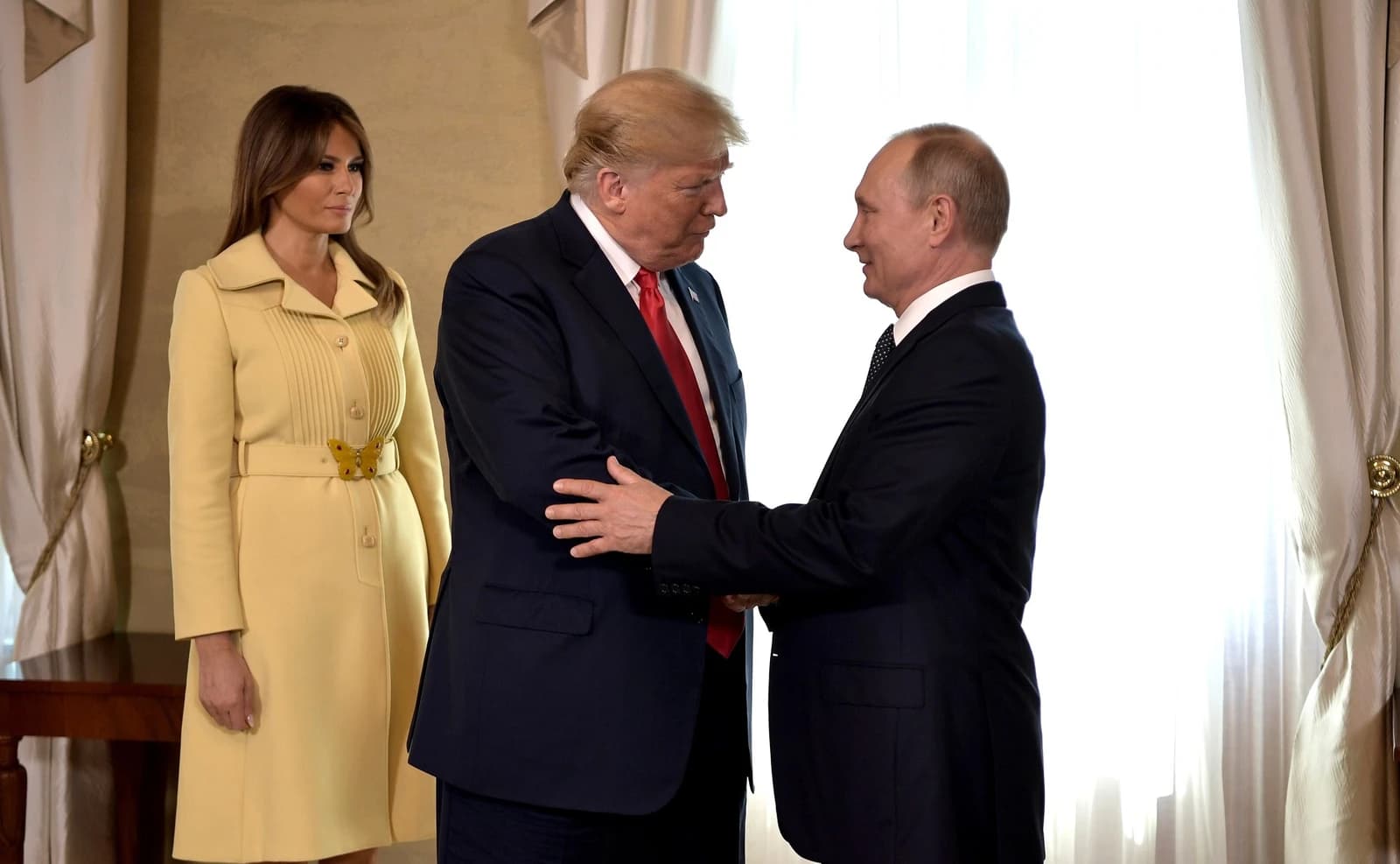
The timing matters. The strikes came after Steve Witkoff, President Donald Trump’s envoy, held talks in Moscow and after Trump said the sides were never “so close” to ending the conflict. The Kremlin said it was, “in principle,” open to resuming trilateral talks with the United States and Ukraine, but the battlefield reality moved in the opposite direction. That is the central market lesson: diplomacy remains possible, but the war premium has not come out of the system.
Geopolitical Risk — 30-day sentimentadalytica.com
Explore this data interactively — full history, time series and cross-market comparisons.
For investors, that keeps the trade centered on the beneficiaries of prolonged conflict rather than a sudden ceasefire. Defense primes, missile-defense suppliers, drone makers, cyber-security firms and ammunition producers continue to hold the upper hand as Western governments replenish stockpiles and harden critical infrastructure. The latest escalation also reinforces the strategic case for European energy diversification and grid resilience, especially as winter approaches and any damage to transport or power assets can ripple through fuel prices and industrial activity.
The broader narrative is one of war and negotiation running in parallel, not convergence. Moscow is willing to talk while continuing to attack, Kyiv is signaling openness to U.S.-backed talks while absorbing fresh strikes, and Washington is trying to force a settlement without proof that either side is ready to compromise. Until that changes, the market should assume elevated geopolitical risk, sticky defense demand and recurring volatility in European assets tied to energy, transport and industrial supply chains.
The best opportunity remains in the picks-and-shovels of conflict preparedness, not in betting on a quick peace dividend. Position for a longer war, a larger rearmament cycle and a still-uncertain endgame.
| Entity | Gains | Losses |
|---|---|---|
| Defense contractors | ▲higher rearmament demand | ▼peace-driven budget slowdown |
| Air-defense and drone suppliers | ▲urgent procurement | ▼inventory constraints |
| Europe’s energy security names | ▲infrastructure spending | ▼ceasefire premium trade |
| Ukraine and Russia peace assets | ▲renewed negotiation hopes | ▼battlefield escalation |