Russia renewed strikes on Kyiv and other Ukrainian regions overnight, killing at least four people and underscoring how little diplomacy has changed the battlefield less than a day after U.S.-backed talks in St. Petersburg.
Russia Strikes Kyiv After U.S.-Backed Talks
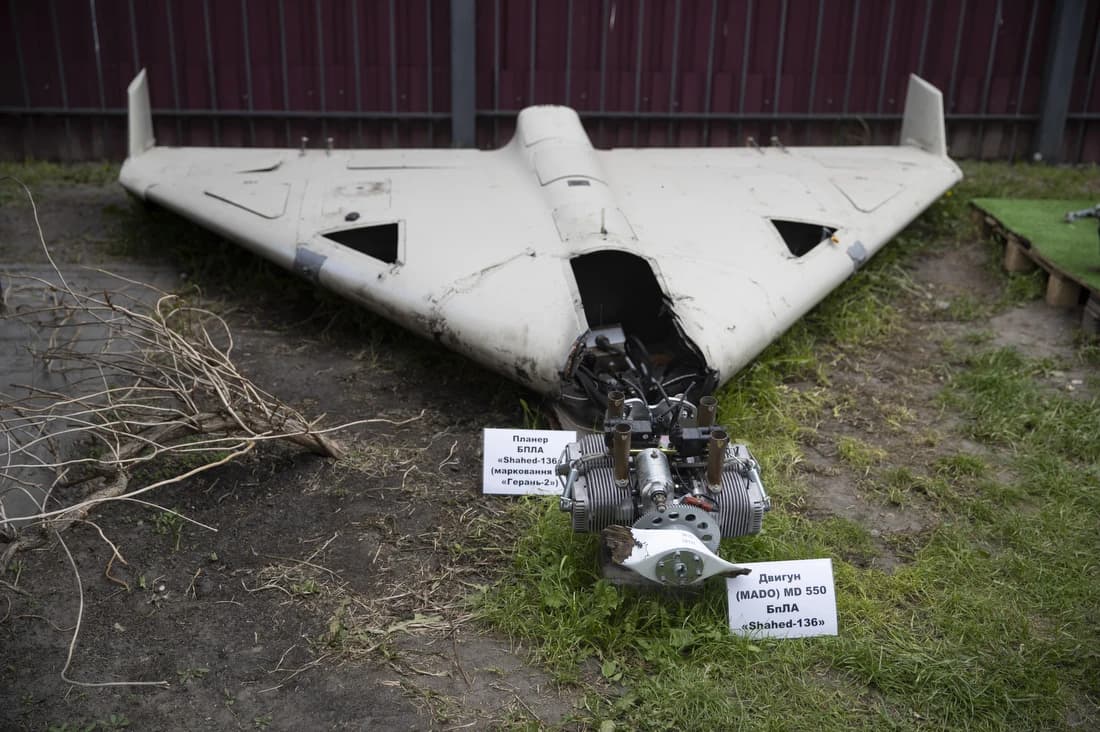
President Volodymyr Zelenskyy said Russia used three ballistic missiles with cluster warheads against Kyiv, describing weapons that explode in the air and scatter bomblets across a wide area. He said 34 people were injured, including five children, and that attacks hit 12 regions, with damage reported in Pechersk, the capital’s historic center.
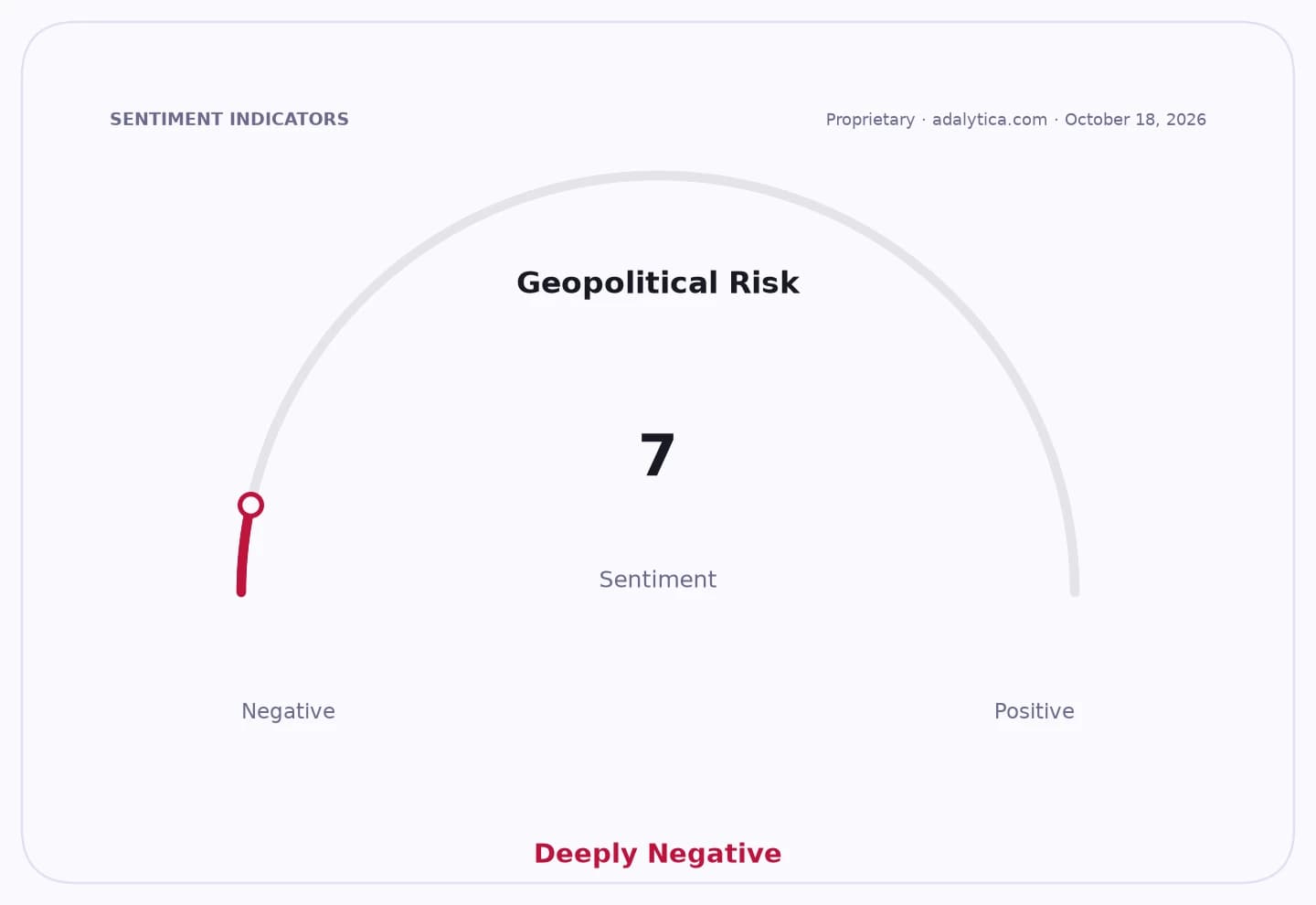
Sentiment Indicators
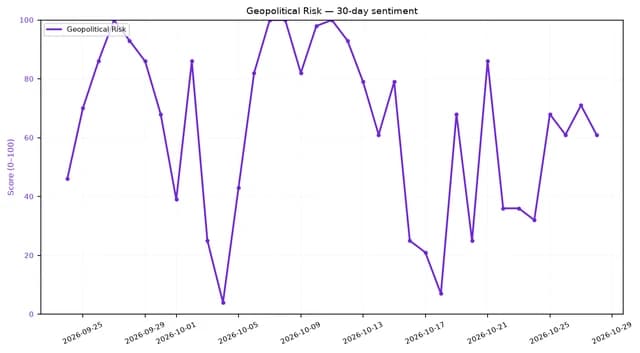
The accusations matter economically because repeated attacks on cities and infrastructure keep pressure on Ukraine’s emergency spending, reconstruction needs and energy system at a time when the war is already straining public finances. Zelenskyy said there have been 170 strikes on energy infrastructure sites since Oct. 11, a pace that keeps power risks elevated as winter approaches and increases the odds of further disruptions to industry, transport and household demand.
For investors, the immediate market read is a higher geopolitical risk premium. More violence after a fresh round of talks tends to support safe-haven assets and can keep volatility bid in energy, defense and precious metals, while reinforcing the view that ceasefire hopes remain fragile.
Russia’s Defense Ministry said its air defenses downed 808 Ukrainian drones overnight, while Moscow Mayor Sergei Sobyanin said more than 600 drones were fired toward the capital between late Wednesday and early Thursday. The dueling claims highlight the scale of escalation on both sides and suggest neither Moscow nor Kyiv is close to a pause in attacks.
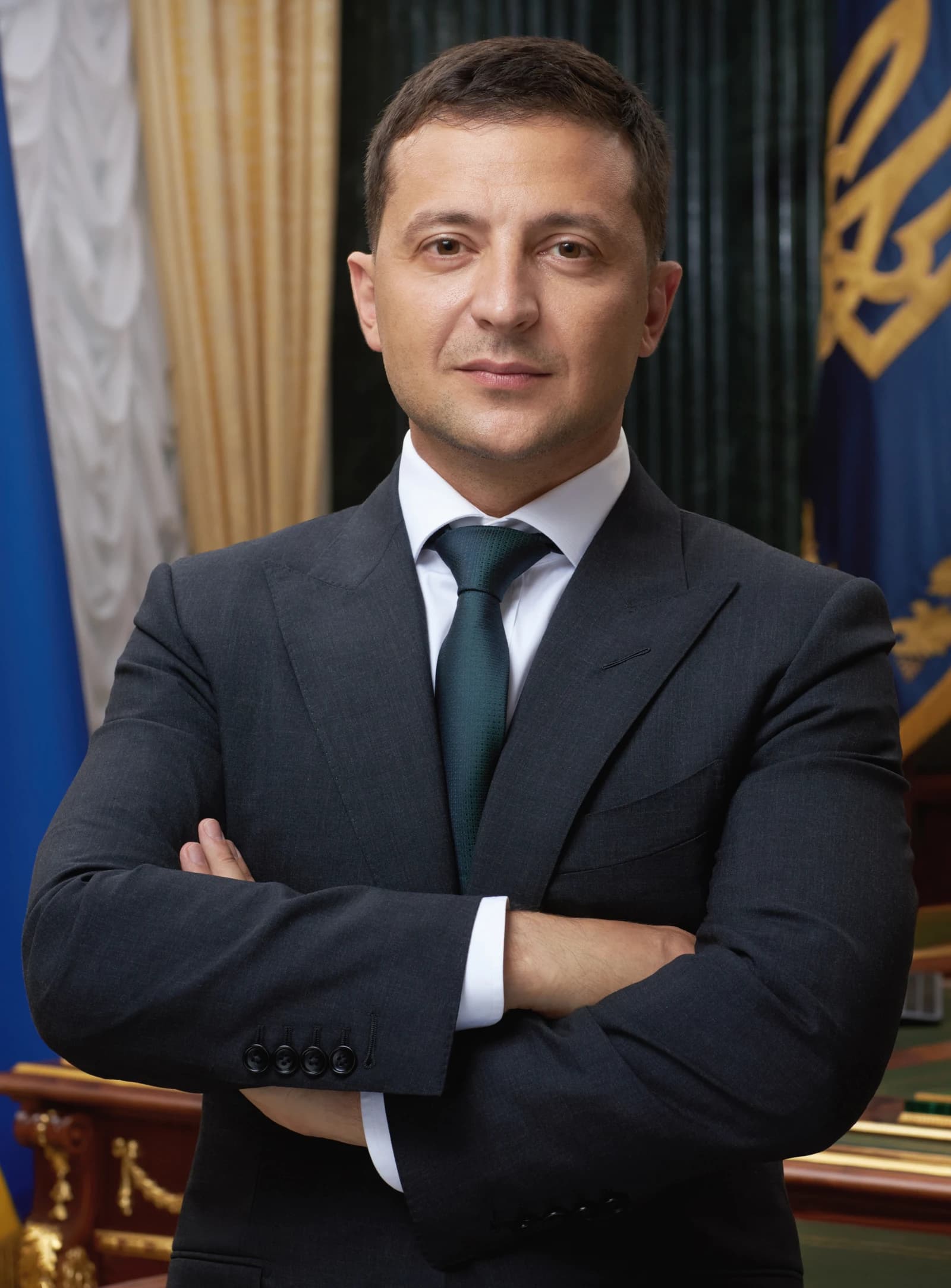
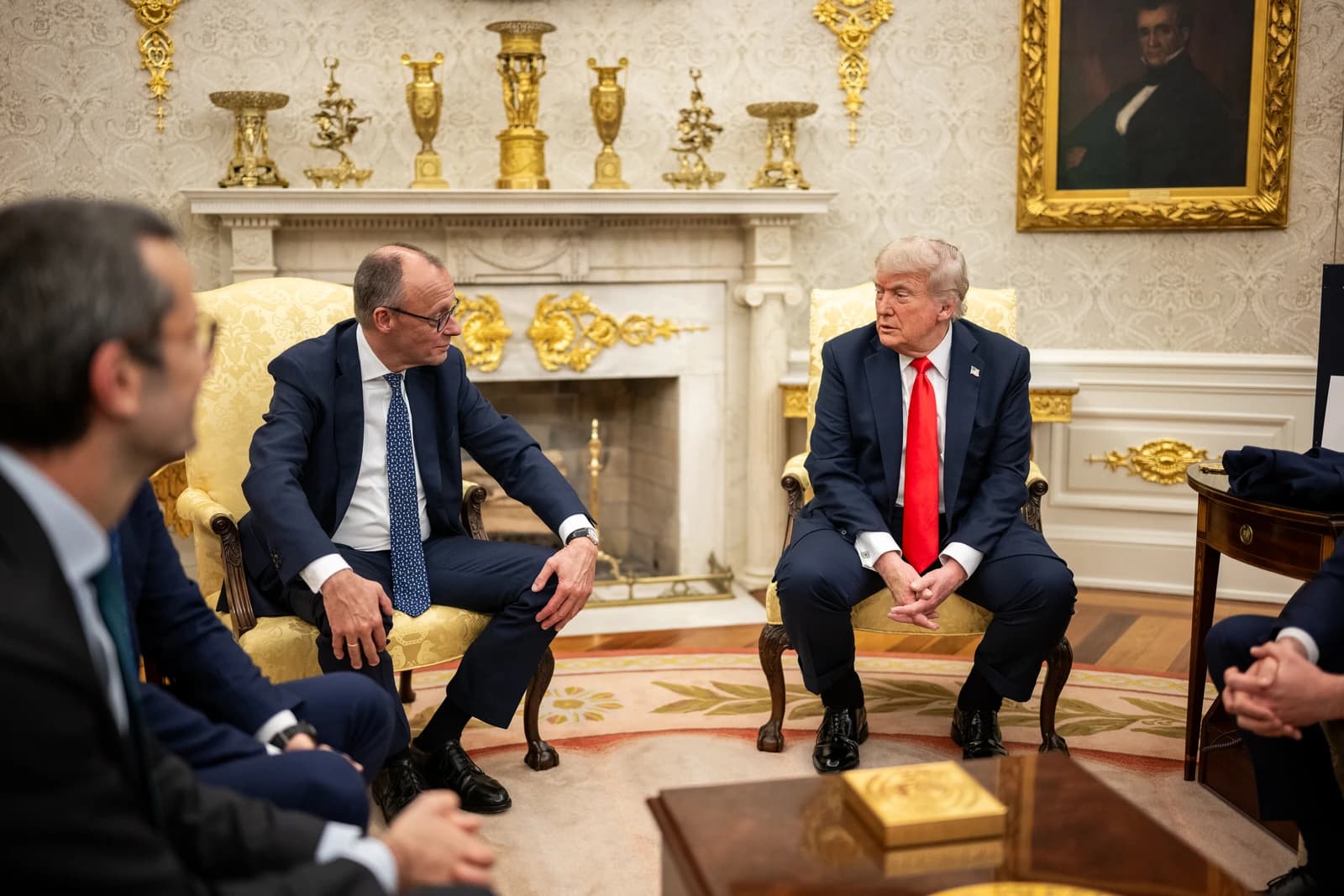
Zelenskyy said the strike came “almost immediately after another round of talks,” arguing there had been no real change in Russia’s stance. Kremlin spokesman Dmitry Peskov said Moscow would study proposals brought by U.S. special envoy Steve Witkoff, but warned the process would take a long time.
The broader narrative is that diplomacy is running behind the war, not ahead of it. Until that gap narrows, investors are likely to keep treating the conflict as a live tail risk for European assets, global risk sentiment and any market tied to oil, gas and defense spending.
| Entity | Gains | Losses |
|---|---|---|
| Gold/safe-haven assets | ▲Higher risk demand | ▼Less urgency if talks improve |
| Defense suppliers | ▲Stronger security demand | ▼A ceasefire could cool buying |
| Ukraine | ▲More Western sympathy | ▼Civilians, infrastructure, budget |
| Russia | ▲Leverage at the table | ▼Sanctions pressure, reputational damage |