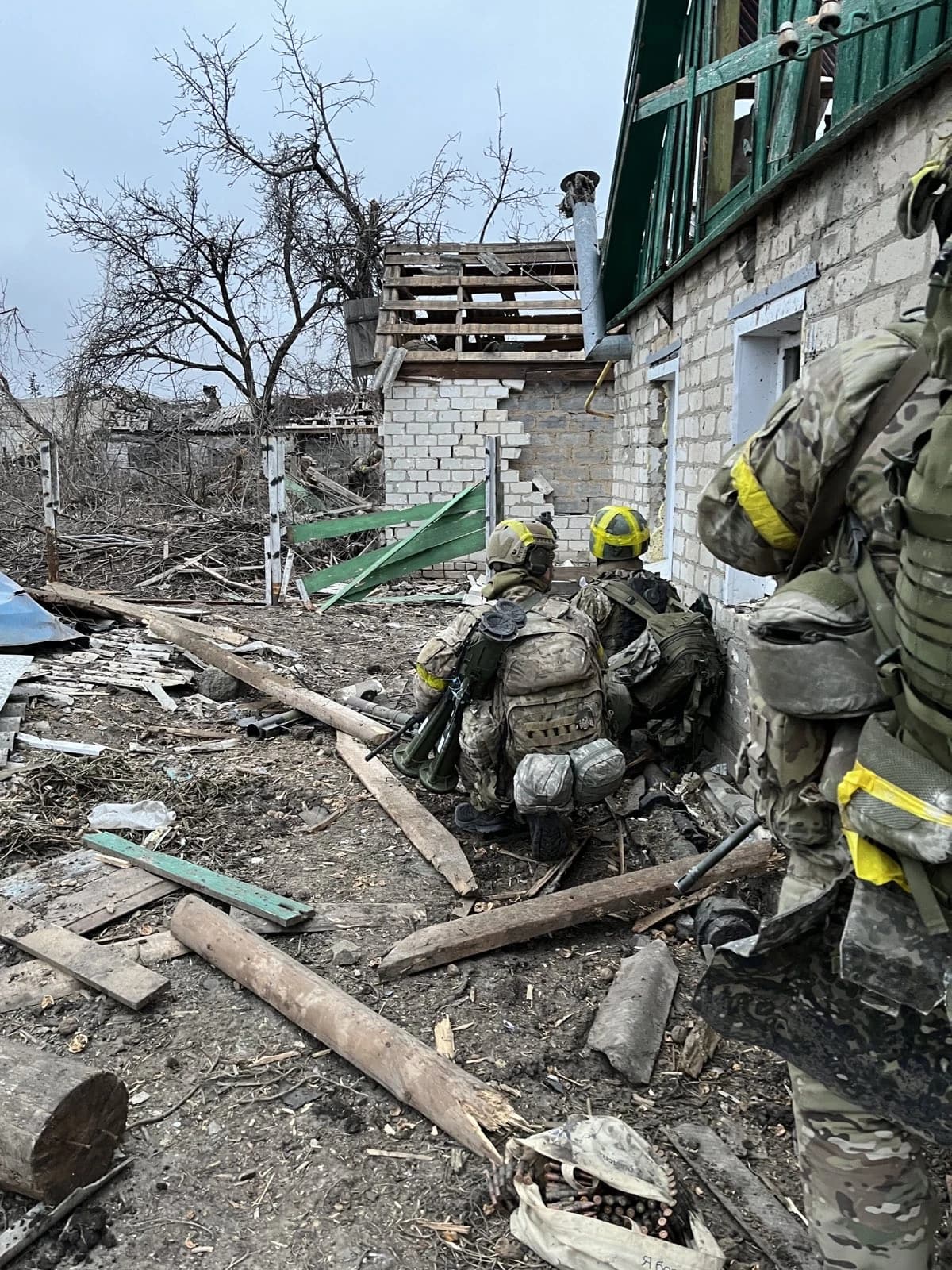
Russia and Ukraine exchanged the bodies of 252 Ukrainian soldiers as Moscow faced one of the largest drone attacks of the year, underscoring that the war is still escalating militarily even as both sides test the limits of diplomacy.
Russia Ukraine Exchange Bodies Amid Drone Attacks
The twin developments matter economically because they point to a conflict that is becoming more expensive to prosecute and harder to de-risk. Large-scale drone barrages force Russia to keep pouring resources into air defenses, emergency response and infrastructure repair, while Ukraine’s ability to sustain repeated long-range strikes suggests its domestic weapons production and external support remain central to the war’s trajectory.
Sentiment Indicators
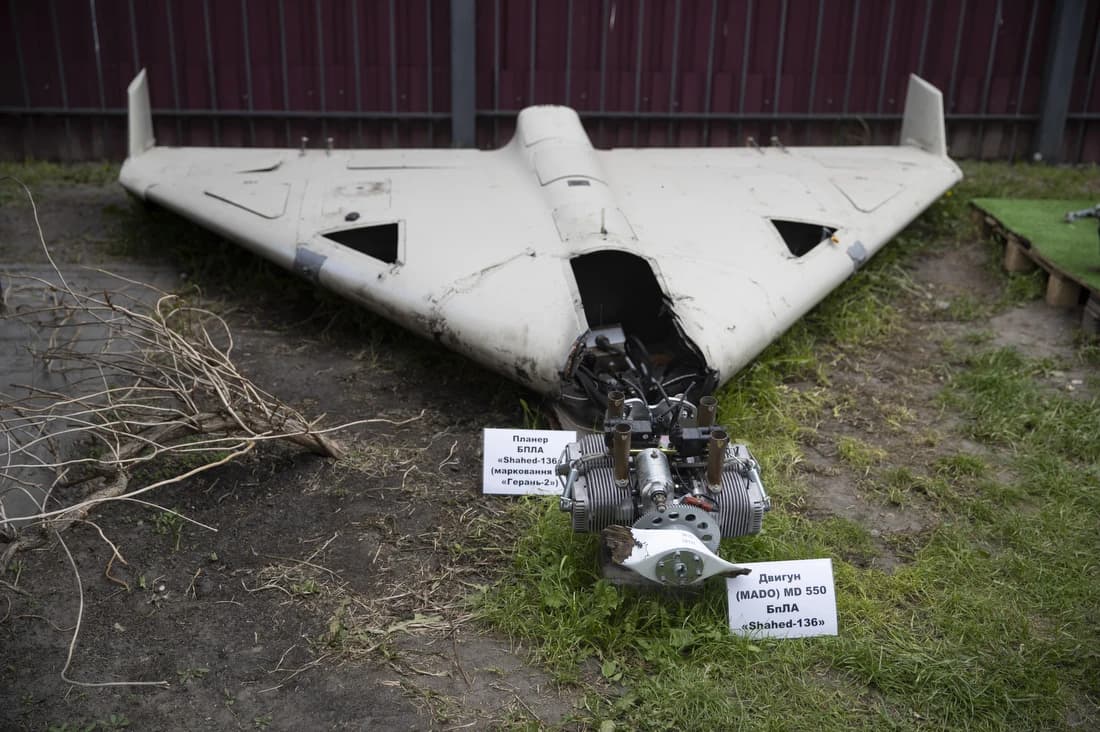
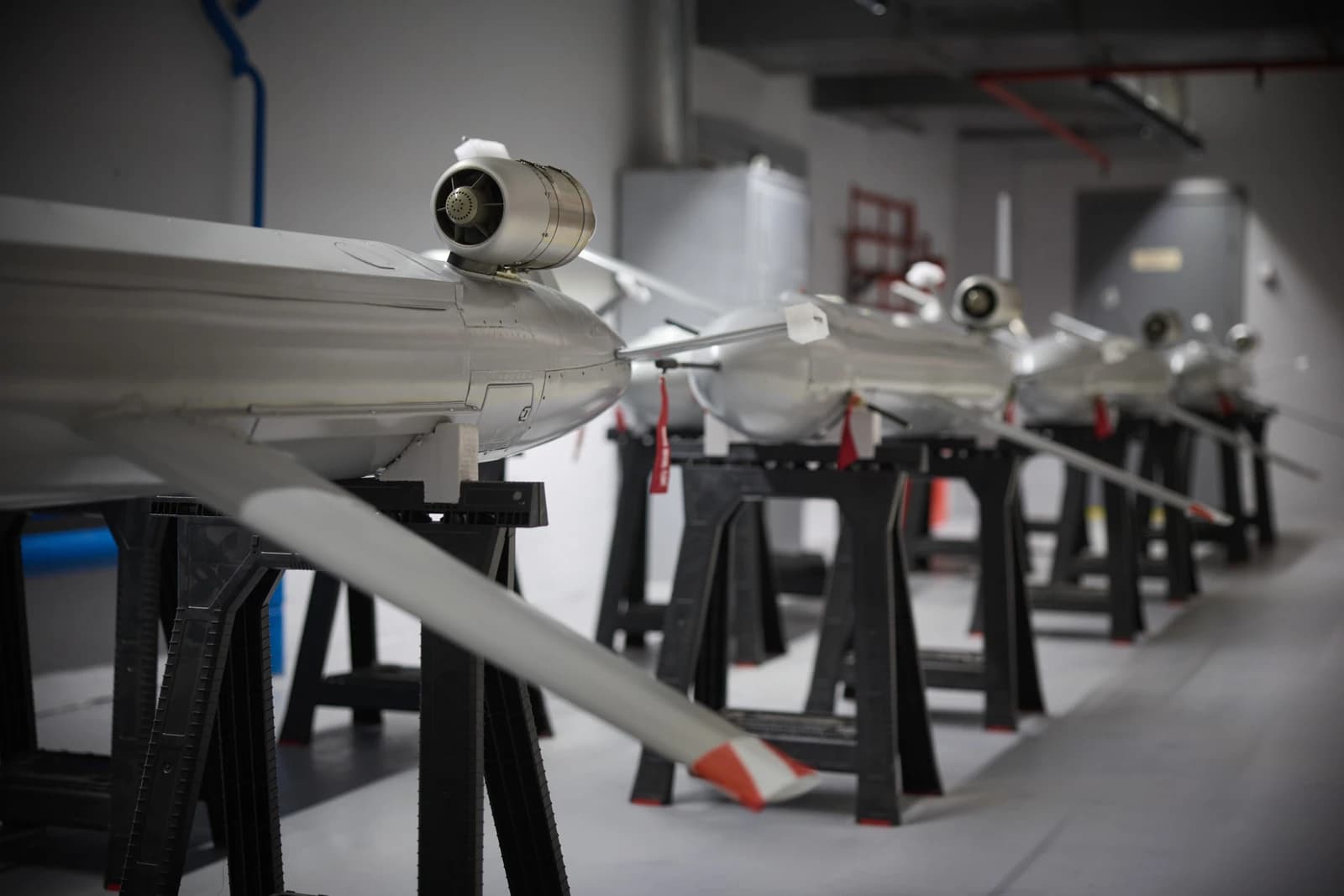
Russia said it intercepted 808 Ukrainian drones overnight across 18 regions, including Moscow, with 630 reportedly headed toward the capital region. Moscow mayor Sergei Sobyanin said most were destroyed on approach, but two people were injured and cleanup teams were still working at impact sites.
For investors, the scale of the assault is another reminder that energy, transport and industrial assets inside Russia remain exposed, even far from the front line. That keeps geopolitical risk elevated for commodity markets, shipping routes and any asset tied to Russian production or logistics, while also reinforcing the premium on defense spending in Europe and the U.S.
Geopolitical Risk — 30-day sentimentadalytica.com
Explore this data interactively — full history, time series and cross-market comparisons.
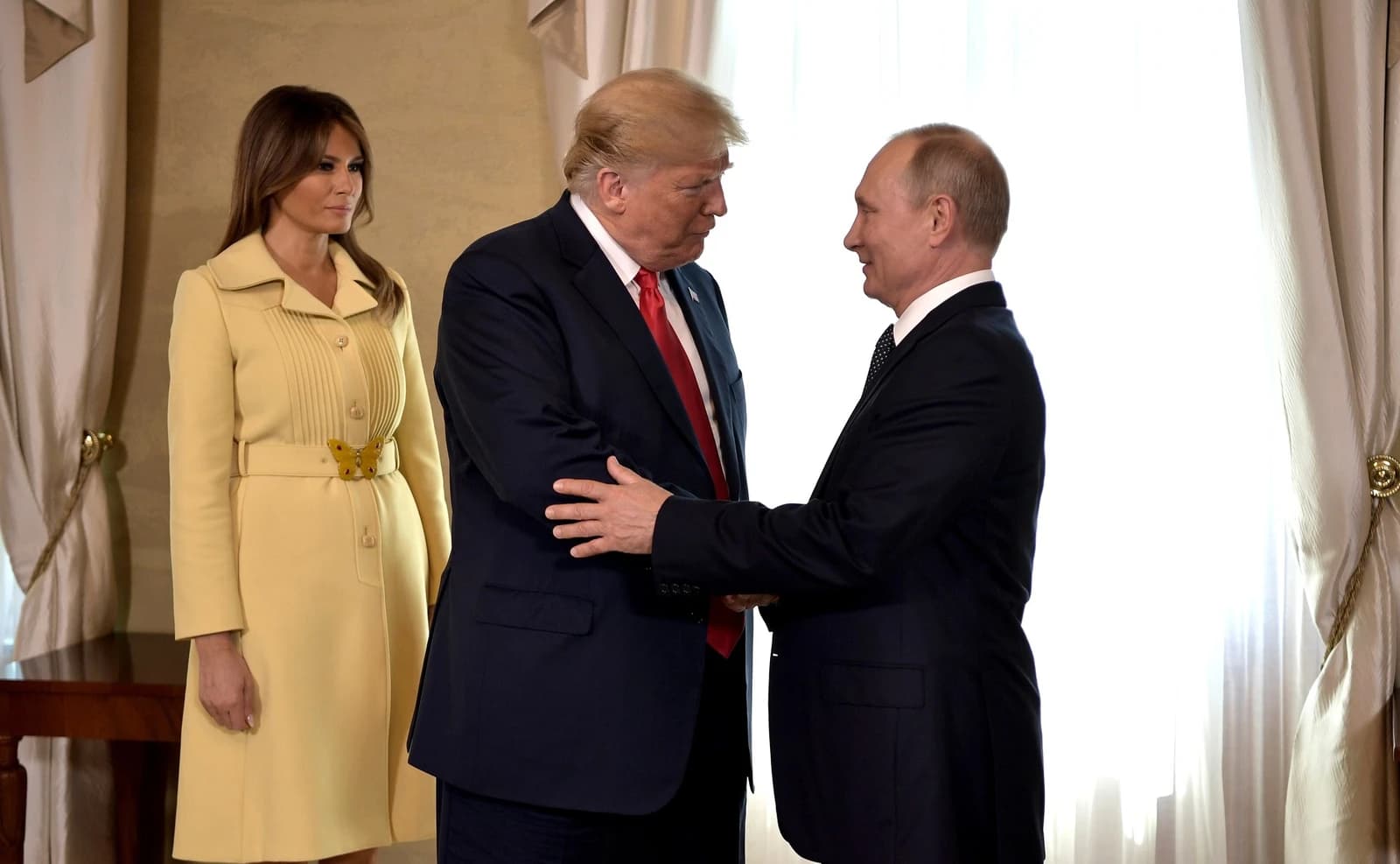
The body swap, carried out at the Novaya Guta crossing on the Belarusian border, was the ninth such exchange this year, highlighting that humanitarian channels remain open even as battlefield pressure intensifies. The Kremlin also said President Vladimir Putin told U.S. envoy Steve Witkoff that Russia was ready to resume three-way talks on Ukraine in the first half of November, with Abu Dhabi under discussion as a possible venue.
That combination of battlefield escalation and tentative diplomacy is the market’s core story: neither side is close to a clean breakthrough, and each new attack raises the economic cost of waiting for one. Traders will watch for any follow-through in peace talks, more drone strikes on Russian territory and the potential for fresh sanctions or energy disruption if the war widens further.
| Entity | Gains | Losses |
|---|---|---|
| Russia | ▲Leverage in talks | ▼Air-defense burden |
| Ukraine | ▲Military pressure on Russia | ▼Retaliation risk |
| European defense firms | ▲Higher demand | ▼Prolonged conflict |
| Energy markets | ▲Risk premium | ▼Supply stability |