Ukraine’s third army corps says it has broken Russia’s attempt to carve open the eastern front and set up a wider encirclement of Donetsk region, a battlefield shift that could shape both the next phase of the war and the balance of resources along the line of contact.
Ukraine Third Army Corps Says It Repelled Russia
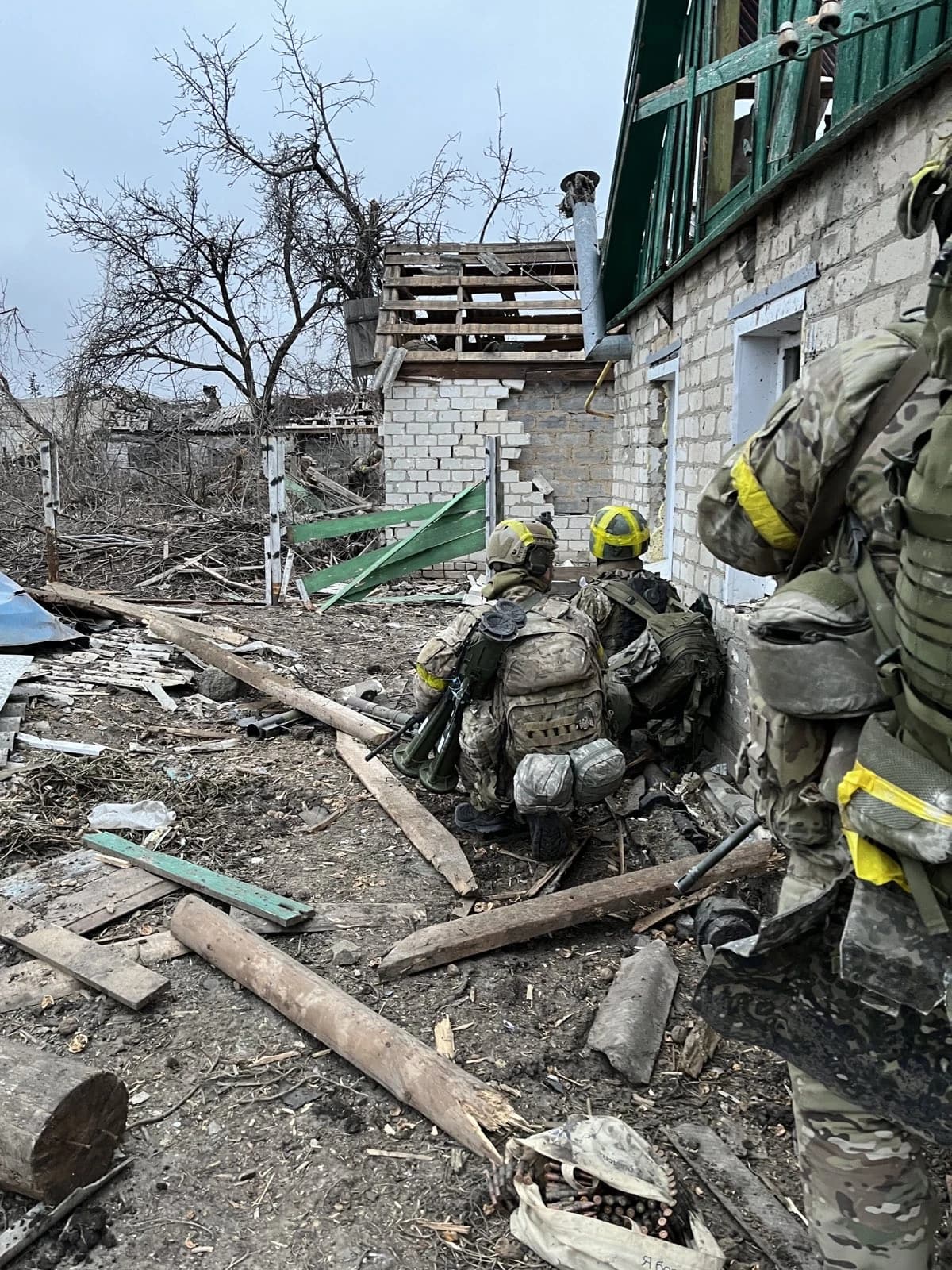
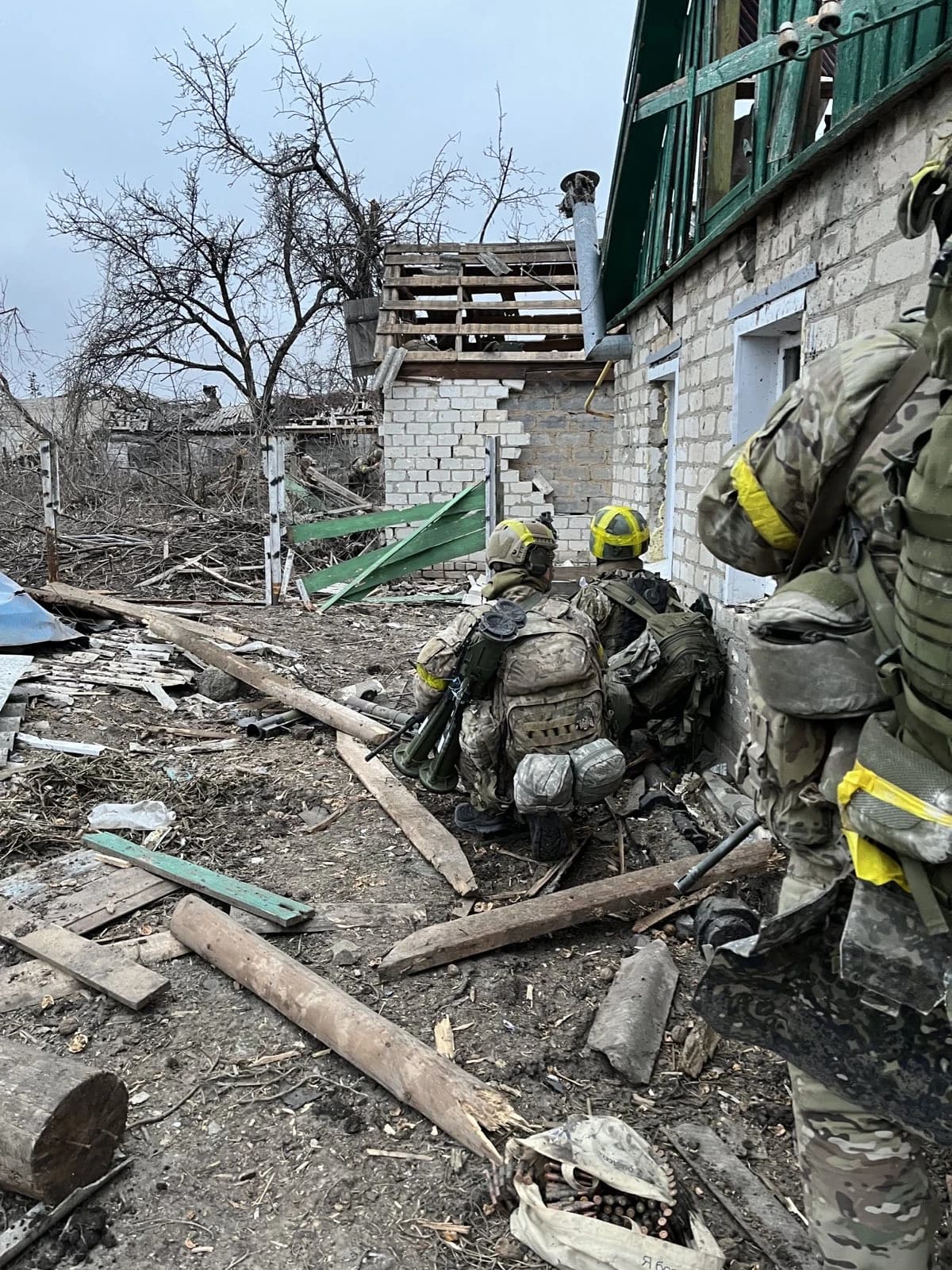
The operation, dubbed “Vivaldi,” ran from May to mid-October and, according to the corps commander, reclaimed more than 277 square kilometers of Ukrainian territory while inflicting losses of more than 8,000 killed and capturing about 270 troops, including commanders. Kyiv says the action not only pushed Russian forces back from the Black Zherebets river axis, but also forced Moscow to abandon a strategic plan aimed at advancing toward Sviatohirsk and Trudoliubove to split Ukrainian formations east of the Oskil river.
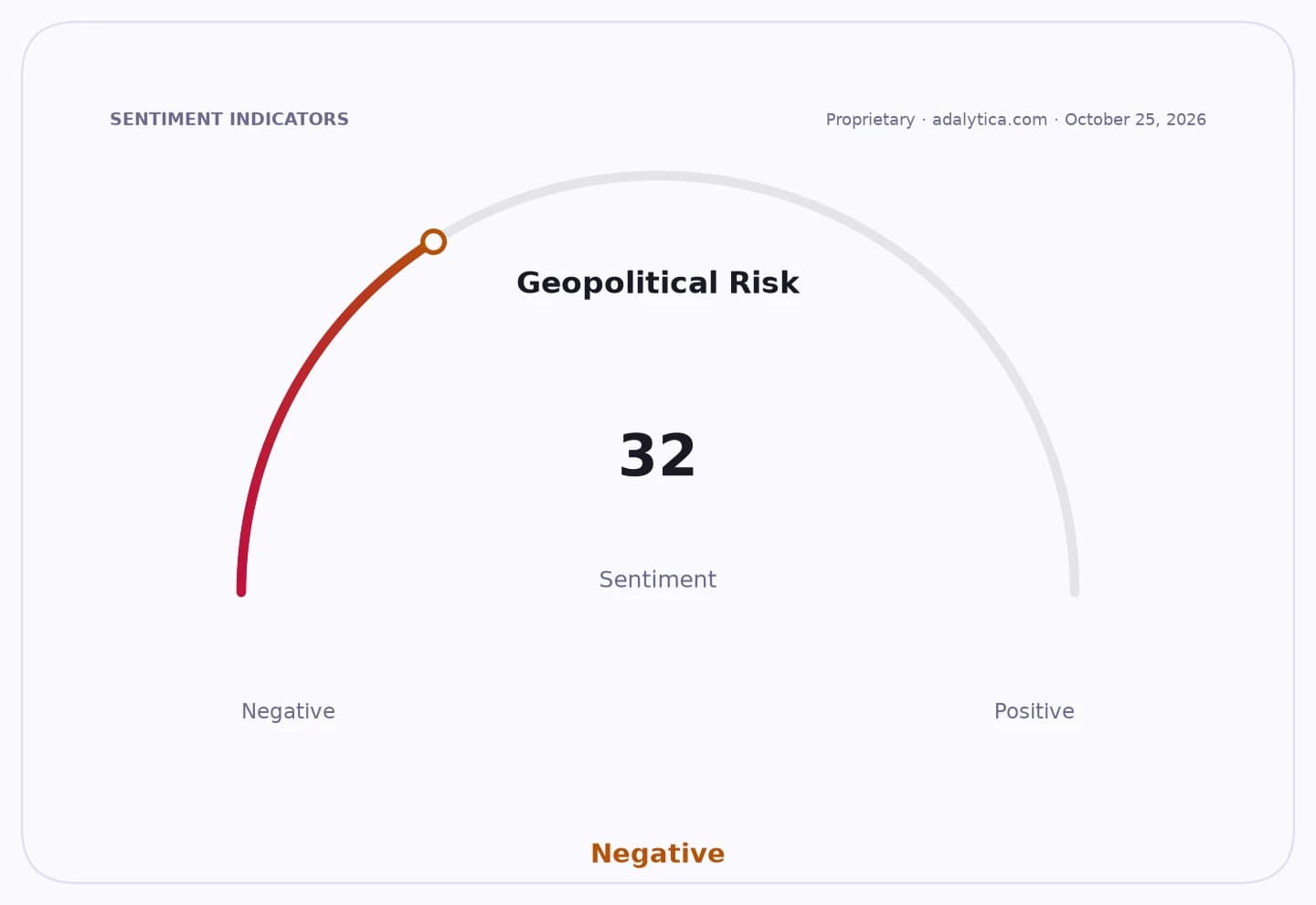
Sentiment IndicatorsⓘProprietary · adalytica.com · October 25, 2026
This is a snapshot — live sentiment, awareness and momentum for 130+ markets update continuously in the dashboard.Open AlphaPulse
That matters because the reported objective of the Russian plan went beyond local gains: Ukrainian officers say it was designed to create the conditions for a full operational encirclement of Donetsk region, a long-standing Kremlin goal. If accurate, the failure of that effort would amount to more than a tactical setback. It would represent the loss of initiative on one of the war’s most important fronts and a sign that Russia’s ability to mass forces for a decisive breakthrough remains constrained by logistics, artillery attrition and Ukrainian interdiction.
The corps says the operation also effectively destroyed Russia’s 144th division of the 20th army as an organized fighting force. It claims to have struck 3,800 artillery systems, 1,800 air-defense assets and 68,000 drone systems, though some equipment returned to service; roughly 20% of the artillery was completely destroyed. Those figures are not independently verifiable, but they underscore the scale of the degradation Kyiv says it has imposed on Russian combat power.
The military significance is in the geometry of the front as much as in the numbers. By reaching the Black Zherebets river, Ukrainian forces shortened their own line, tightened defensive spacing and improved the economics of firepower, allowing drones and artillery to be concentrated more efficiently. The report says Russian logistics have been pushed back to 40-50 kilometers from the front, increasing the cost and complexity of resupply. In practical terms, that can slow any renewed Russian push and force Moscow to spend more on protection, transport and command-and-control.
For investors and policymakers watching the war, the broader implication is that battlefield adaptation remains central to Ukraine’s resilience. The report attributes part of the success to a shift in military culture: tighter command, better planning, stronger logistics, safer rear-area operations and wider use of ground robotic systems. It also says the third corps recorded a 2.2% lower rate of unauthorized absences than the Ukrainian armed forces average, a small but notable signal that morale and trust in command have improved in formations now asked to do more offensive work.
The account also suggests Russia may be shifting pressure elsewhere, including toward the Dobropillia axis, after being denied the larger operational outcome it sought in the east. Even so, the war remains fluid, with renewed Russian drone strikes on Kyiv and continuing diplomatic efforts pointing to a conflict that is simultaneously intensifying on the ground and under discussion at the negotiating table.
For now, the most important takeaway is that Ukraine is presenting Operation Vivaldi as proof it can not only hold ground, but seize the initiative against a numerically stronger foe. If that holds, it weakens Moscow’s 2026 eastward campaign plan and buys Kyiv time to further professionalize its forces before Russia can regroup.
| Entity | Gains | Losses |
|---|---|---|
| Ukraine’s third army corps | ▲Territory regained; shorter front line | ▼Ongoing exposure to counterattacks |
| Russia’s eastern grouping | ▲None | ▼144th division degraded; offensive plan disrupted |
| Ukrainian command and logistics | ▲Stronger operational model | ▼Higher burden to sustain momentum |
| Russian supply network | ▲None | ▼Longer, costlier resupply lines |