Russia’s latest barrage on Ukraine’s power grid is worsening the risk of rolling blackouts and heating shortages just as the country heads into winter, raising the economic cost of the war for Kyiv and the policy stakes for its Western allies.
Ukraine grid hit in Russian drone and missile attack
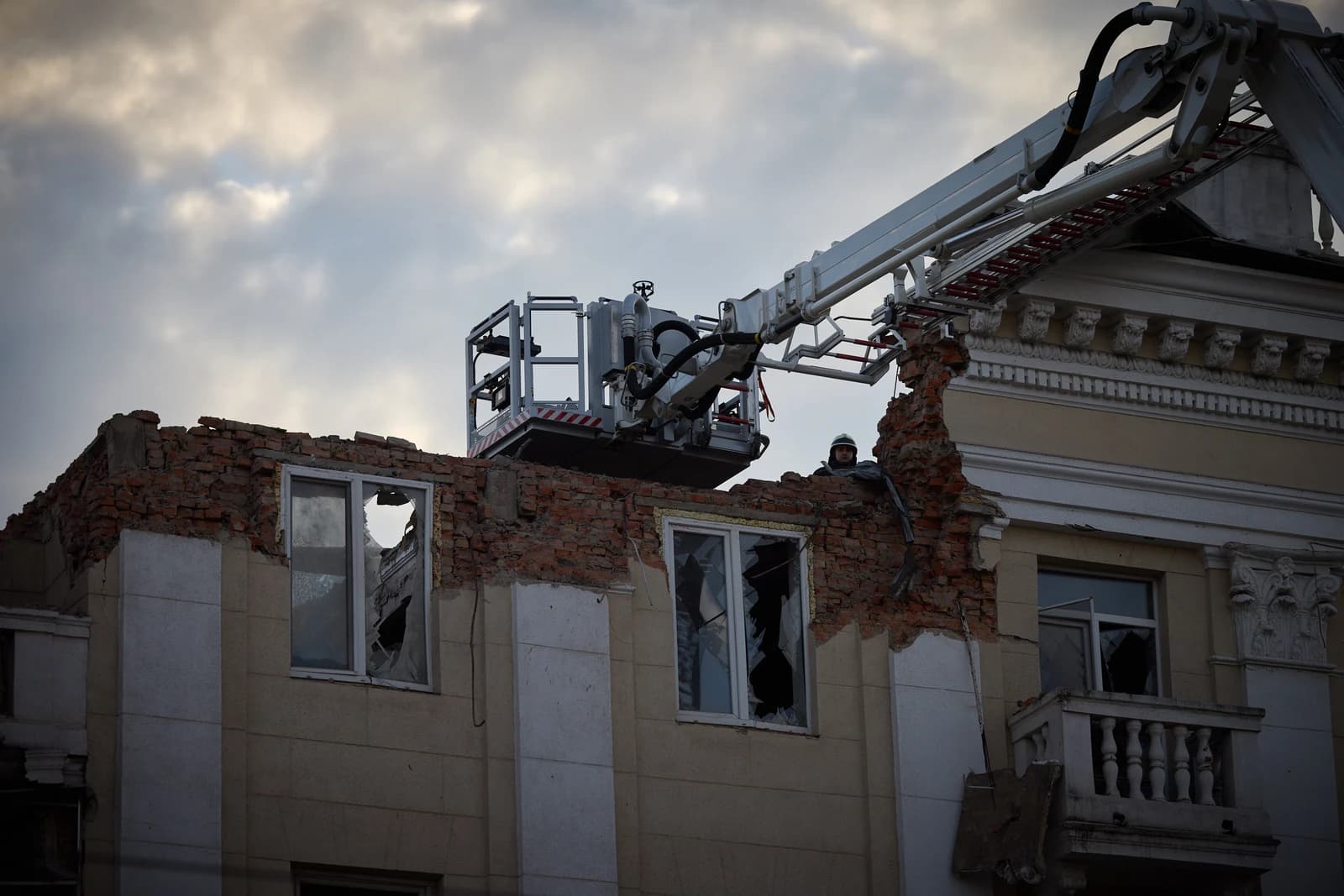
Volodymyr Zelensky said Moscow targeted more than 15 critical generation and transmission facilities in an overnight attack that used over 320 drones plus missiles, calling it one of the largest strikes yet on Ukraine’s energy sector. The Ukrainian president said the assault aimed to stretch repair crews and spare parts to the limit and warned Russia was trying to leave millions without electricity and heat.

The immediate significance is less the headline military toll than the pressure it puts on Ukraine’s civilian economy. Power cuts in energy-intensive regions disrupt industry, transport, water systems and hospital operations, while repeated damage to grid assets raises the cost and time needed for restoration. With colder weather approaching, the attacks increase the likelihood of emergency rationing and prolong the drag on GDP, public finances and consumer activity.
For investors, the story matters through several channels. Any escalation that threatens Ukraine’s winter energy security can tighten risk sentiment across European assets, lift demand for defensive positioning and keep pressure on regional currencies and utilities exposed to supply disruptions. The attack also underscores how fragile the wartime infrastructure balance remains, despite air defences intercepting a large share of incoming weapons.
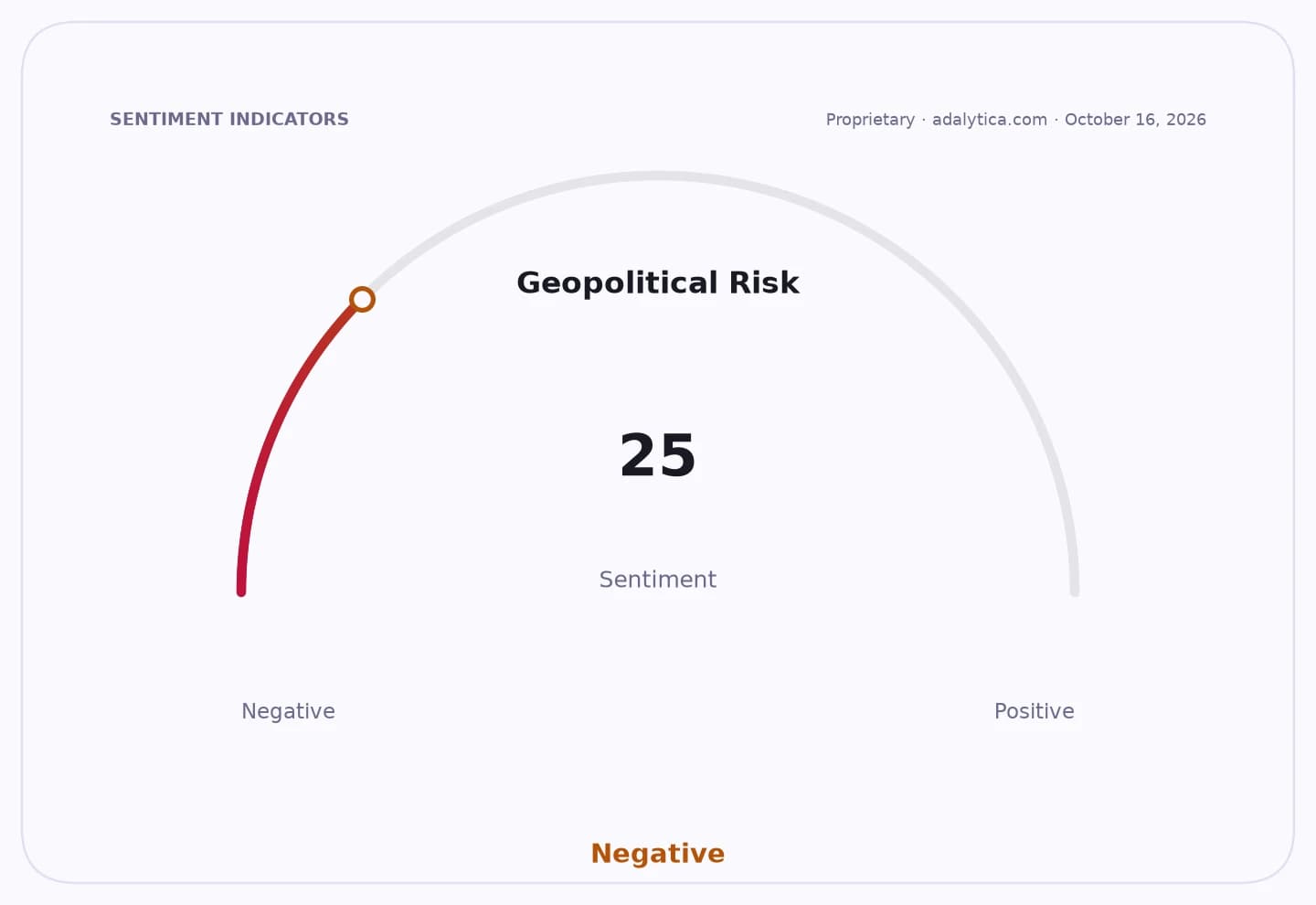
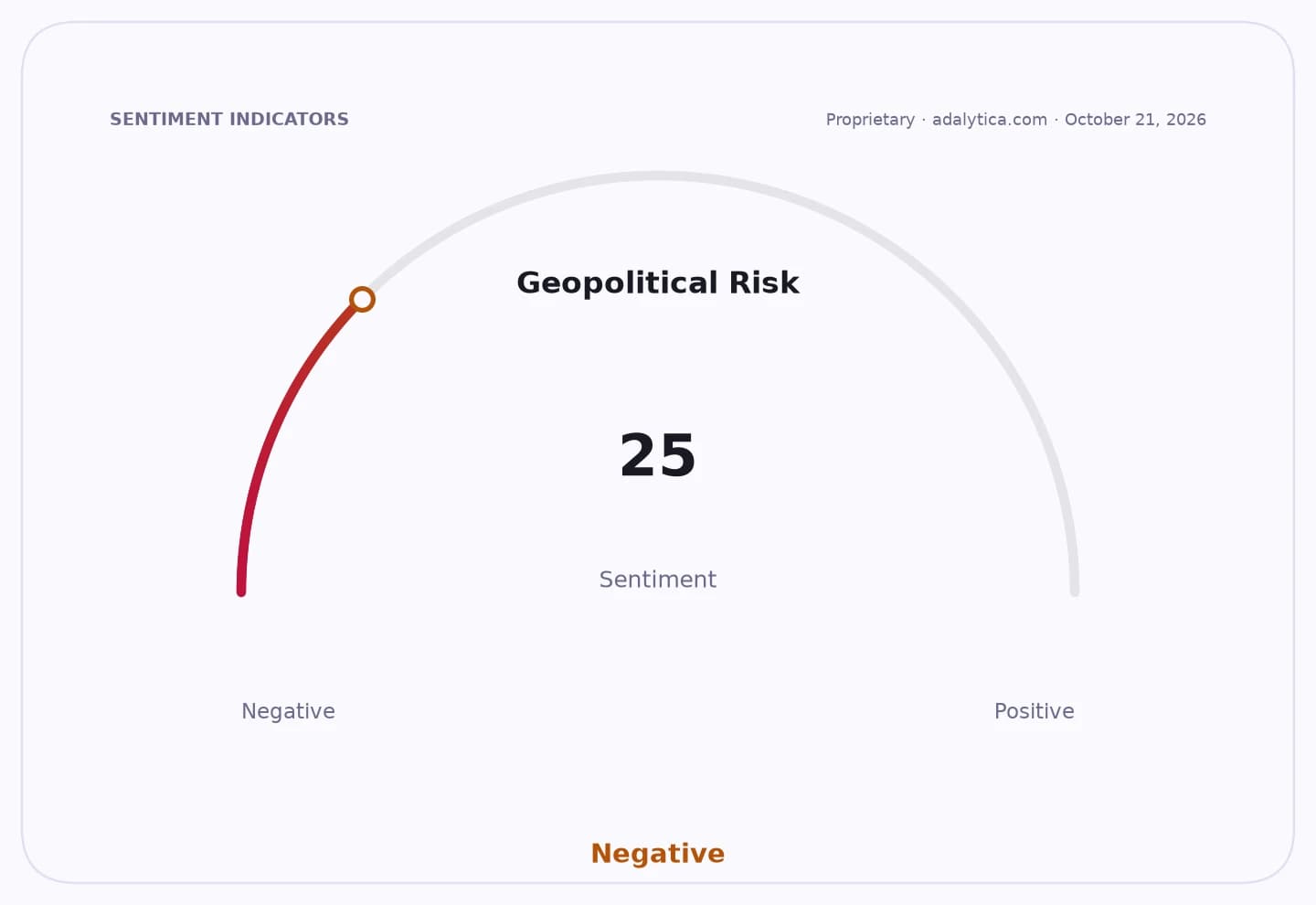
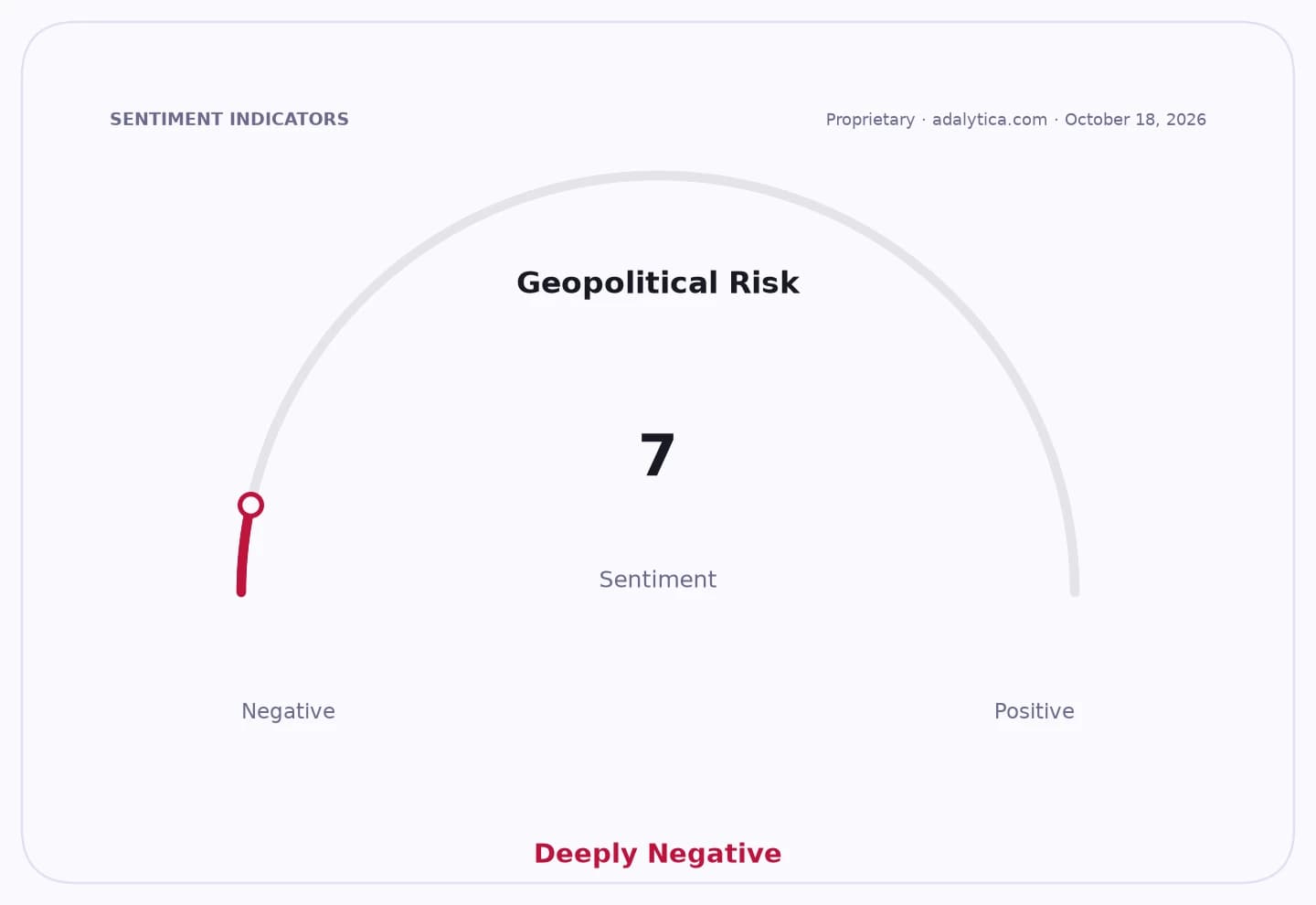
Geopolitical Risk — 30-day sentimentadalytica.com
Explore this data interactively — full history, time series and cross-market comparisons.Open AlphaPulse
Zelensky said the hardest-hit areas included Lutsk, Rivne, Zhytomyr, Vinnytsia, Shepetivka, Slavuta and Netishyn, with facilities in Kharkiv, Kyiv and Dnipro also struck. Emergency teams and energy workers were mobilised to restore service, but the scale of the attack highlights a recurring problem for Ukraine: repairs can be completed only so fast when Russia is able to replenish strikes faster than the grid can recover.
The broader narrative is that Russia is turning winter into a pressure point. By targeting power generation and transmission rather than only military assets, Moscow is pursuing a strategy that combines battlefield attrition with economic coercion, aiming to sap Ukrainian resilience and test allied willingness to sustain support. That makes the next phase of the war as much a test of repair capacity, air defence stocks and donor resolve as of military endurance.
Zelensky also used the attack to press for stronger sanctions and tougher Western pressure on Moscow, arguing that any easing of scrutiny would only encourage more strikes. For Ukraine, the strategic question now is whether additional Western assistance can keep the grid functioning through the cold season; for investors, the key watchpoint is whether the conflict starts to look less like a contained wartime risk and more like a persistent stress on Europe’s energy and security outlook.
| Entity | Gains | Losses |
|---|---|---|
| Russia | ▲Leverage over winter pressure | ▼Sanctions risk, reputational damage |
| Ukraine government | ▲Allied support appeal | ▼Grid stability, repair capacity |
| Ukrainian households | ▲Emergency restoration efforts | ▼Electricity, heating security |
| European allies | ▲Geopolitical justification for aid | ▼Energy and security risk premium |