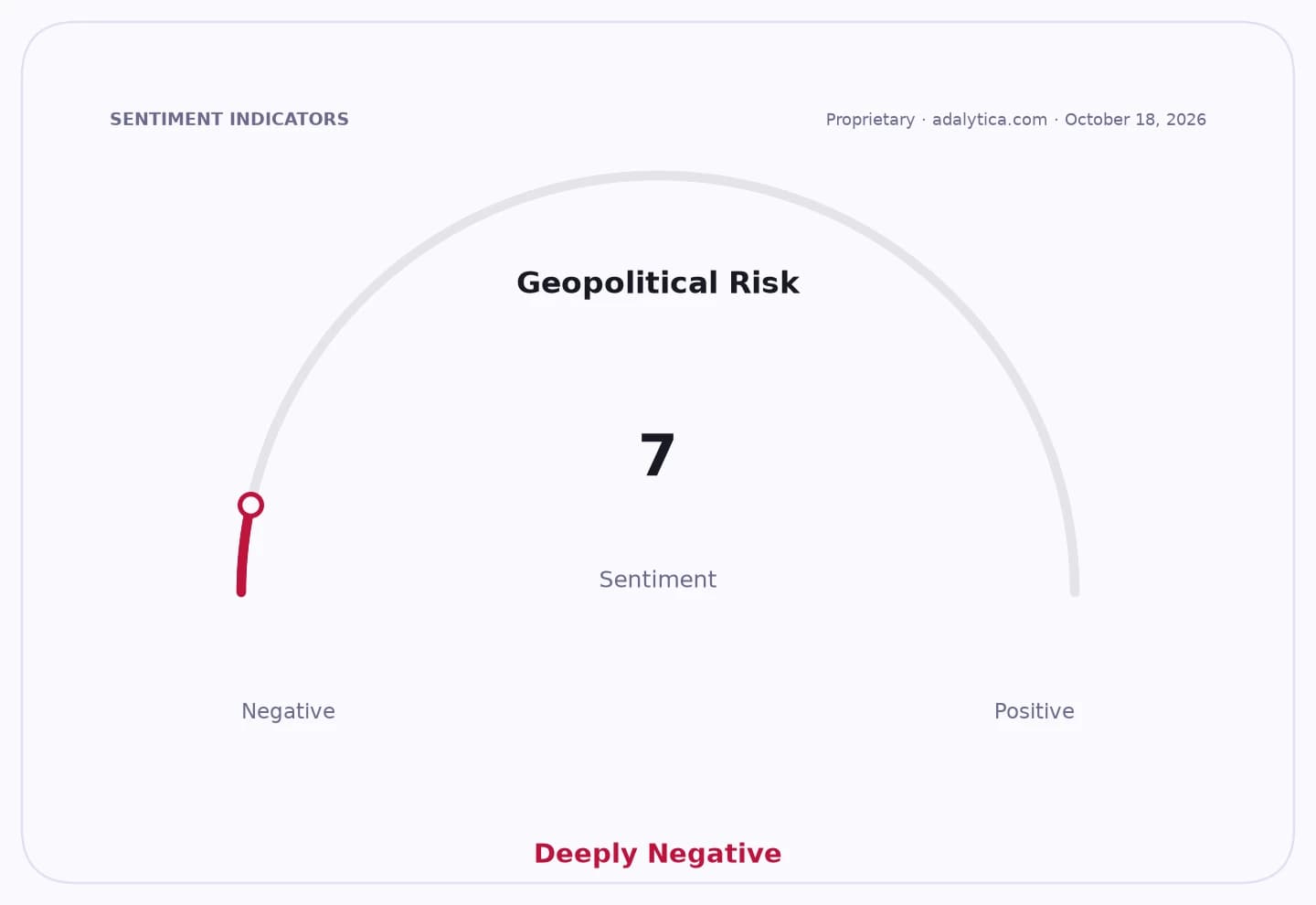
Steve Witkoff’s trip back to Russia after talks with Ukraine in Oslo keeps alive the market’s most underpriced geopolitical variable: whether Washington can engineer even a partial thaw in a war that still drives energy risk, defense spending and sanctions policy across Europe.
Russia-Ukraine Talks Keep Oil and Defense in Focus
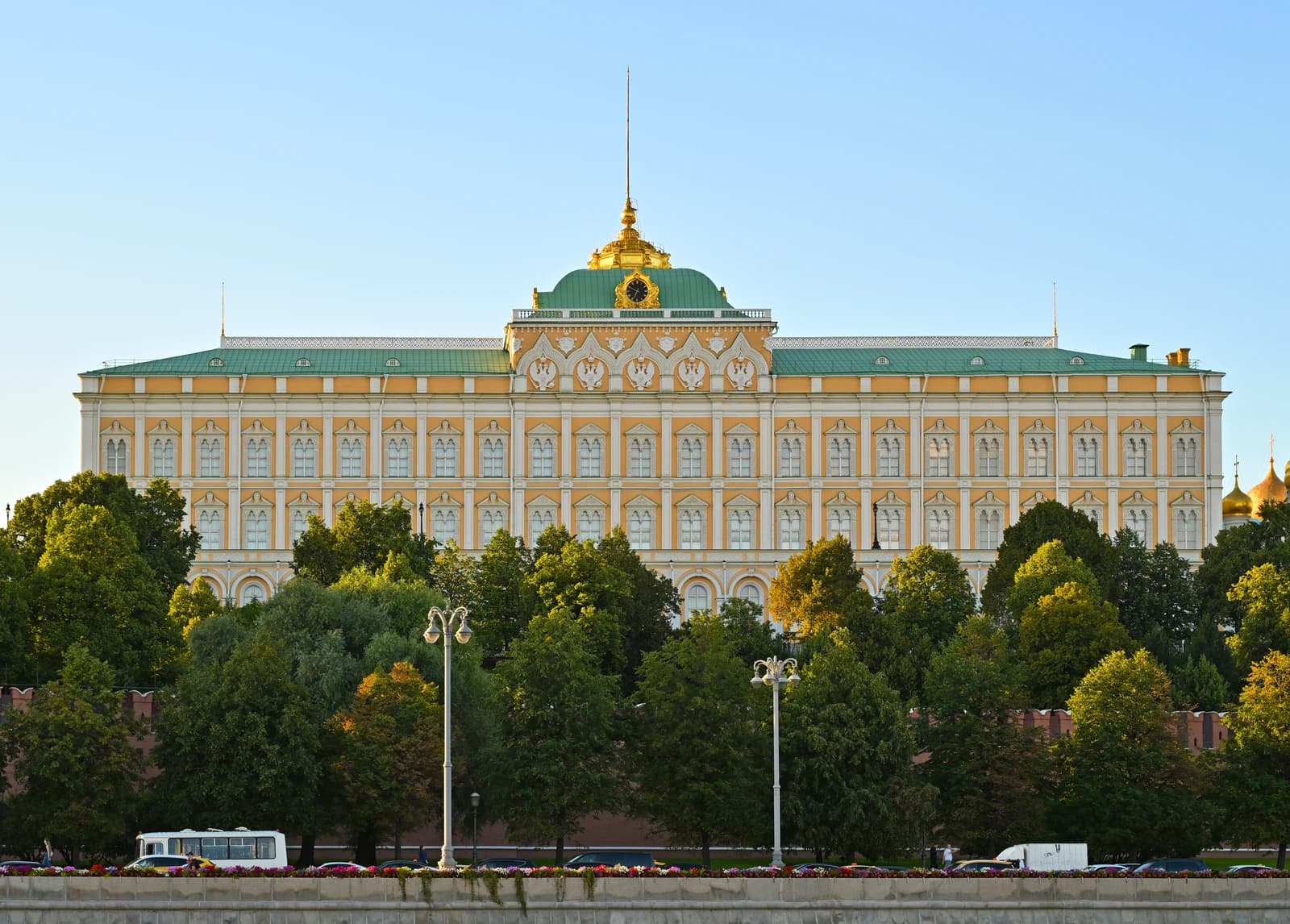
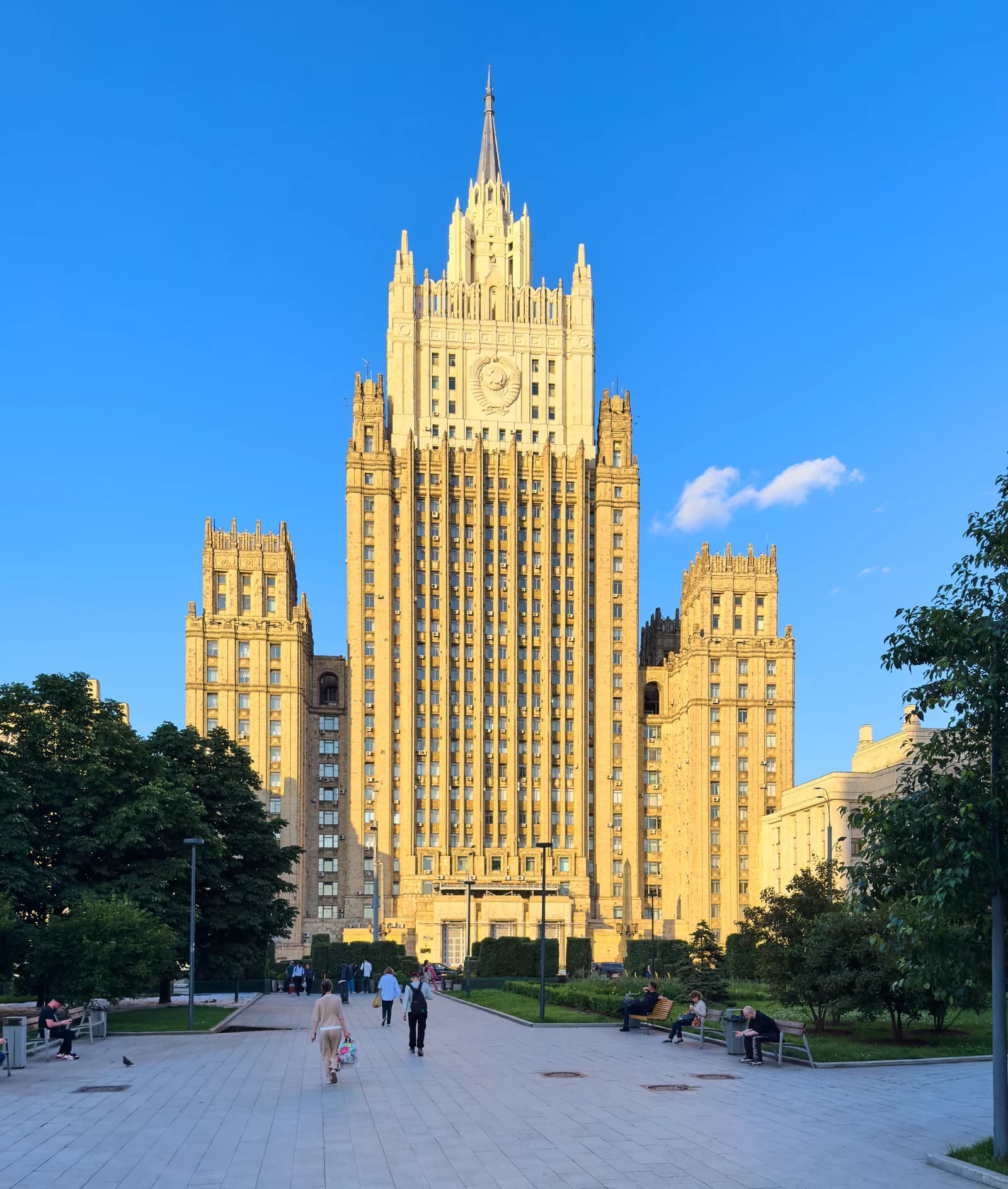
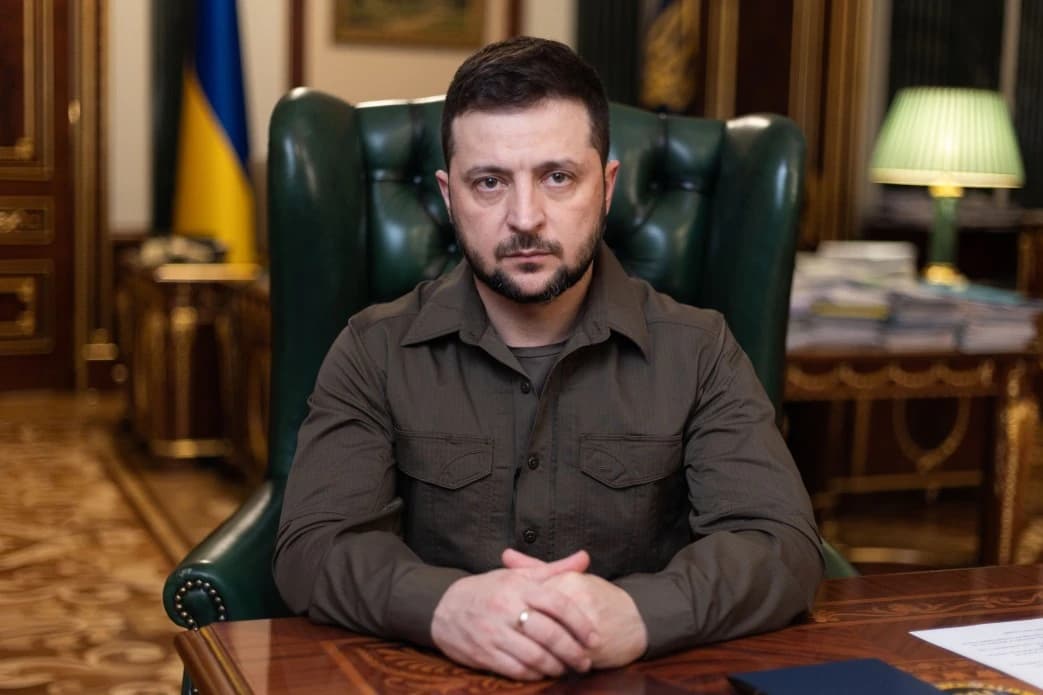
The immediate significance is not that peace is close. It is that the diplomatic channel is still open, and that alone matters for oil, gas, freight, defense contractors and any asset exposed to Russia sanctions or a broader easing in wartime disruption. Witkoff is expected to brief President Vladimir Putin in St. Petersburg after meeting Ukrainian President Volodymyr Zelensky and European leaders’ envoys in Norway, turning Oslo into a transit point for an American-led shuttle effort that has so far produced more process than progress.
That process matters because the war has become a pricing input for global markets, not just a battlefield story. Every sign of negotiation can cool some of the geopolitical premium embedded in crude and refined products, while any breakdown keeps that premium intact. Energy stocks have already shown how sensitive investors remain to the conflict: the broad oil-services ETF OIH has climbed to 397.36, well above its 50-day moving average of 402.42 and 200-day average of 395.41 in recent sessions, reflecting how tightly the sector trades to supply assumptions and capital spending tied to security of energy flows.
The stakes extend well beyond energy. A serious diplomatic track could eventually reshape sanctions enforcement, trade flows and the cost of capital for companies operating around Russia, Eastern Europe and the wider Black Sea region. It would also test whether the White House is willing to reweight support for Ukraine after repeated tensions with Zelensky, even as Europe steps up its own role in the talks. For investors, that means the next move is less about a headline ceasefire than about probabilities: a shift toward negotiation can hit the most war-sensitive names first, while beneficiaries tend to be the same industries that have profited from sustained conflict and higher defense and energy spending.
For now, skepticism is warranted. Russian officials have signaled willingness to discuss proposals, not to make concessions, and the battlefield has not paused for diplomacy. But that is precisely why the setup matters for investors: when consensus assumes stalemate, even a modest shift in tone can move commodities, defense names and European cyclicals faster than the broader market expects. The best way to position is to own the picks-and-shovels of geopolitical risk while watching whether Oslo and St. Petersburg turn into the first real inflection point in months.
| Entity | Gains | Losses |
|---|---|---|
| Oil services and energy producers | ▲Geopolitical risk premium | ▼Peace progress |
| Ukraine and European allies | ▲Diplomatic channel | ▼Continued war pressure |
| Consumers and importers | ▲Lower fuel costs | ▼Elevated energy prices |
| Defense stocks and war beneficiaries | ▲Sustained conflict spending | ▼De-escalation talk |