Russian equities pushed to their highest level since June 19 on hopes for progress in Ukraine negotiations and firmer oil prices, underscoring how geopolitics and commodities are now driving the market’s next leg higher.
Russia equities rise on peace hopes and oil
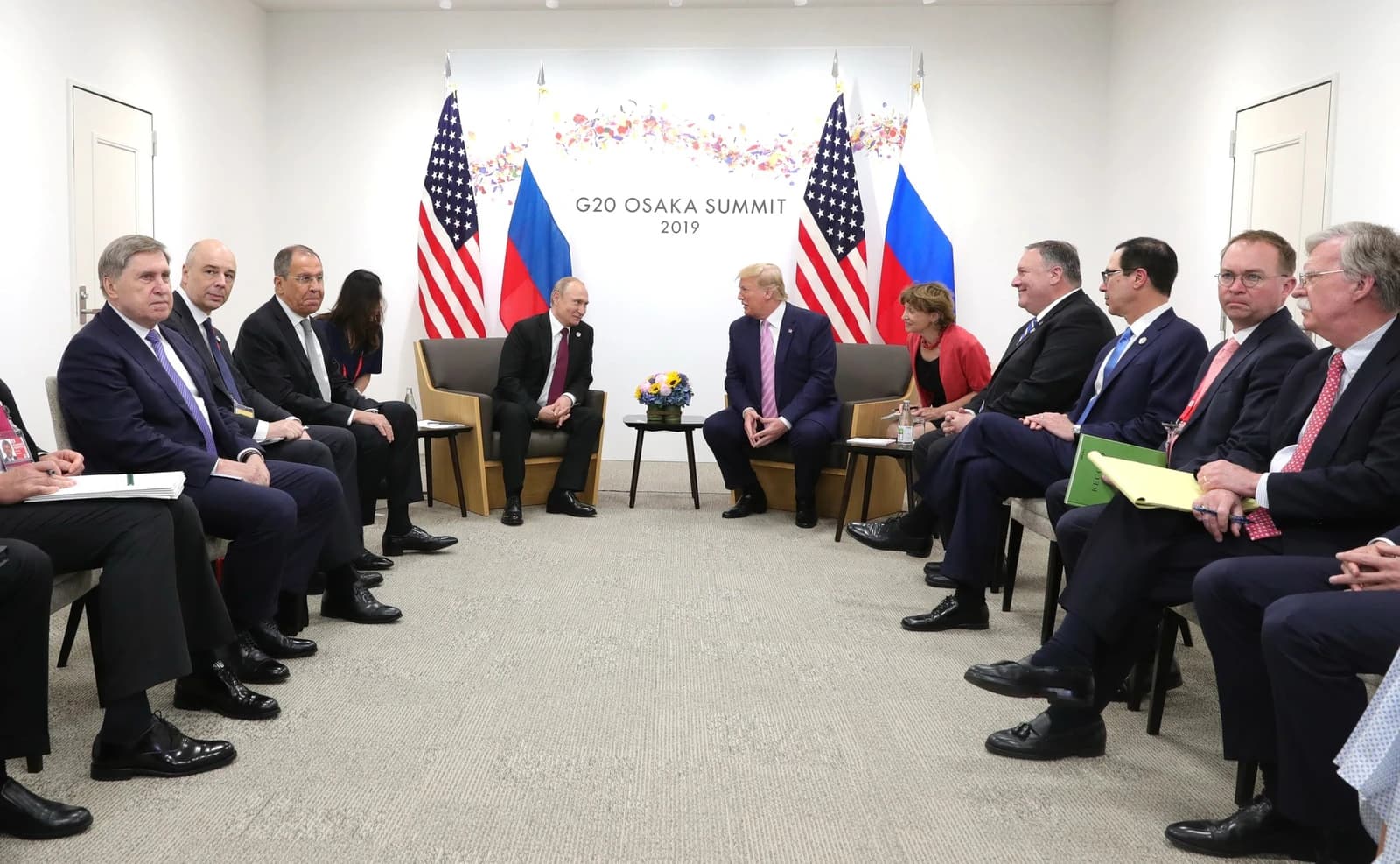
The Moscow Exchange Index rose 1.56% to 2,431.1 points by 16:05 Moscow time, extending a rally that has been built less on domestic growth data than on expectations that the war in Ukraine could move toward a diplomatic track. Traders were encouraged by a Washington Post report that the US and Europe are preparing a peace plan, although no official details have been confirmed.
For the Russian market, the significance is twofold. First, even tentative signs of a negotiating framework have the potential to reshape sanction expectations, which remain one of the largest valuation discounts on Russian assets. Second, crude above $105 a barrel continues to support energy exporters and the federal budget, reinforcing the earnings and fiscal backstop for the index’s heavyweight oil and gas names.
That combination is helping pull the market higher despite ongoing uncertainty over how durable any diplomatic progress may be. Analysts at Finam said investors are also pricing in improved Russia-US dialogue and isolated signs of possible easing in sanctions pressure. The market’s reaction suggests positioning remains highly sensitive to any headline that could alter the outlook for capital flows, export restrictions and the domestic policy response.
Individual movers reflected that uneven backdrop. Yandex rose more than 4% after several days of losses tied to reports of attacks on the company’s data centres, while AFK Sistema climbed on news of a transaction with Alfa-Bank involving a minority stake in Medsi. At the same time, oil major shares were mixed, with Tatneft and Rosneft among the decliners, showing that even in a broad rally, investors are still rotating within the index rather than buying every sector indiscriminately.
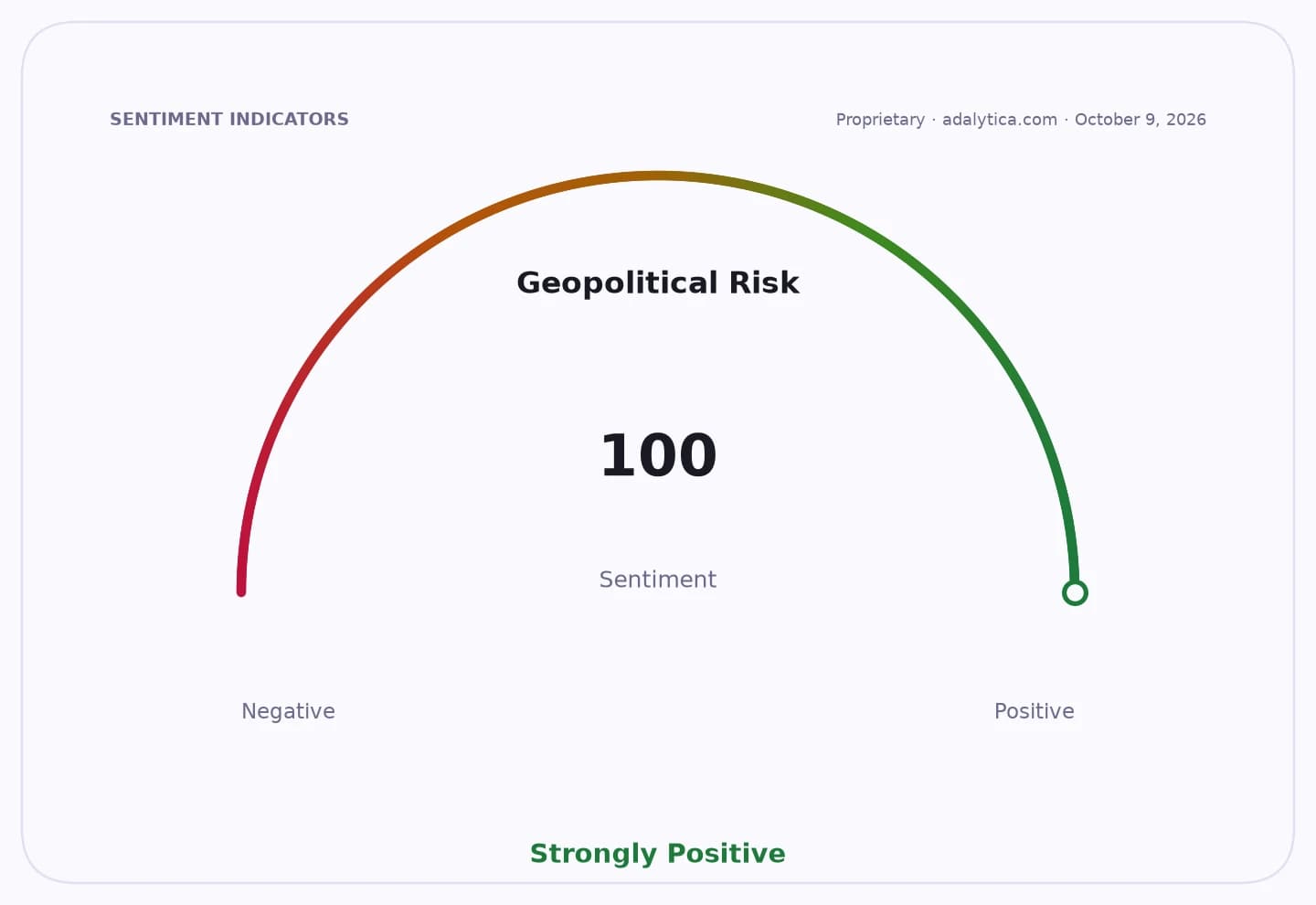
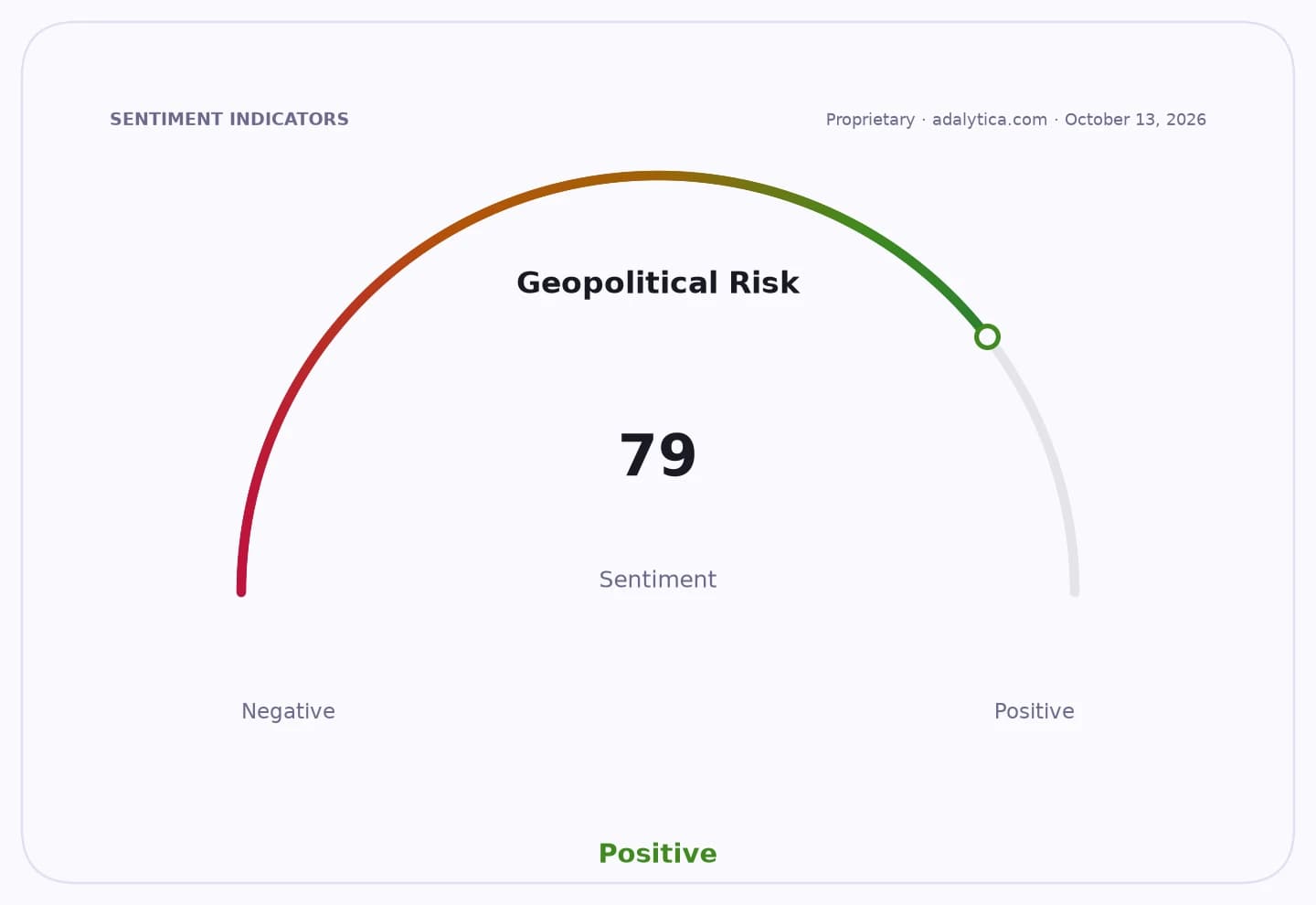
The broader message is that Russian equities are trading less like a pure domestic cyclical market and more like a geopolitical option: gains can come quickly when peace or sanctions relief looks more plausible, but those gains remain vulnerable to any setback in talks or a harsher tone from the central bank. PSB analysts said they see room for the index to rise toward 2,500-2,600 points, a view that would likely depend on whether diplomatic signals become more concrete and oil stays firm enough to keep the macro backdrop supportive.
For investors, the next catalysts are clear: confirmation or denial of the reported peace initiative, further shifts in Russia-US rhetoric, and the Bank of Russia’s stance on rates and liquidity. Until then, the market’s move above its June 19 high looks less like a confirmation of a new trend than a sign that traders are willing to pay up for any improvement in the geopolitical and commodity outlook.
| Entity | Gains | Losses |
|---|---|---|
| Moscow Exchange Index | ▲Breakout to June high | ▼Breakout fades on weak talks |
| Oil exporters | ▲Brent above $105 supports earnings | ▼Sector rotation pressure |
| Peace-bet investors | ▲Sanctions relief optionality | ▼Headlines prove premature |
| Domestic equity bears | ▲Short squeeze risk | ▼Miss rally on diplomatic optimism |