Investors pushed the Moscow Exchange index to 2,352.8 points on Oct. 7, its highest level since Sept. 15, as hopes for progress on the Ukraine conflict and easing pressure on металлургические companies lifted Russian equities. The benchmark later gave back some gains and closed at 2,335.5, but it still finished the day near the previous session and added almost 2% for the week.
Moscow Exchange Index Rises on Ukraine Thaw Hopes
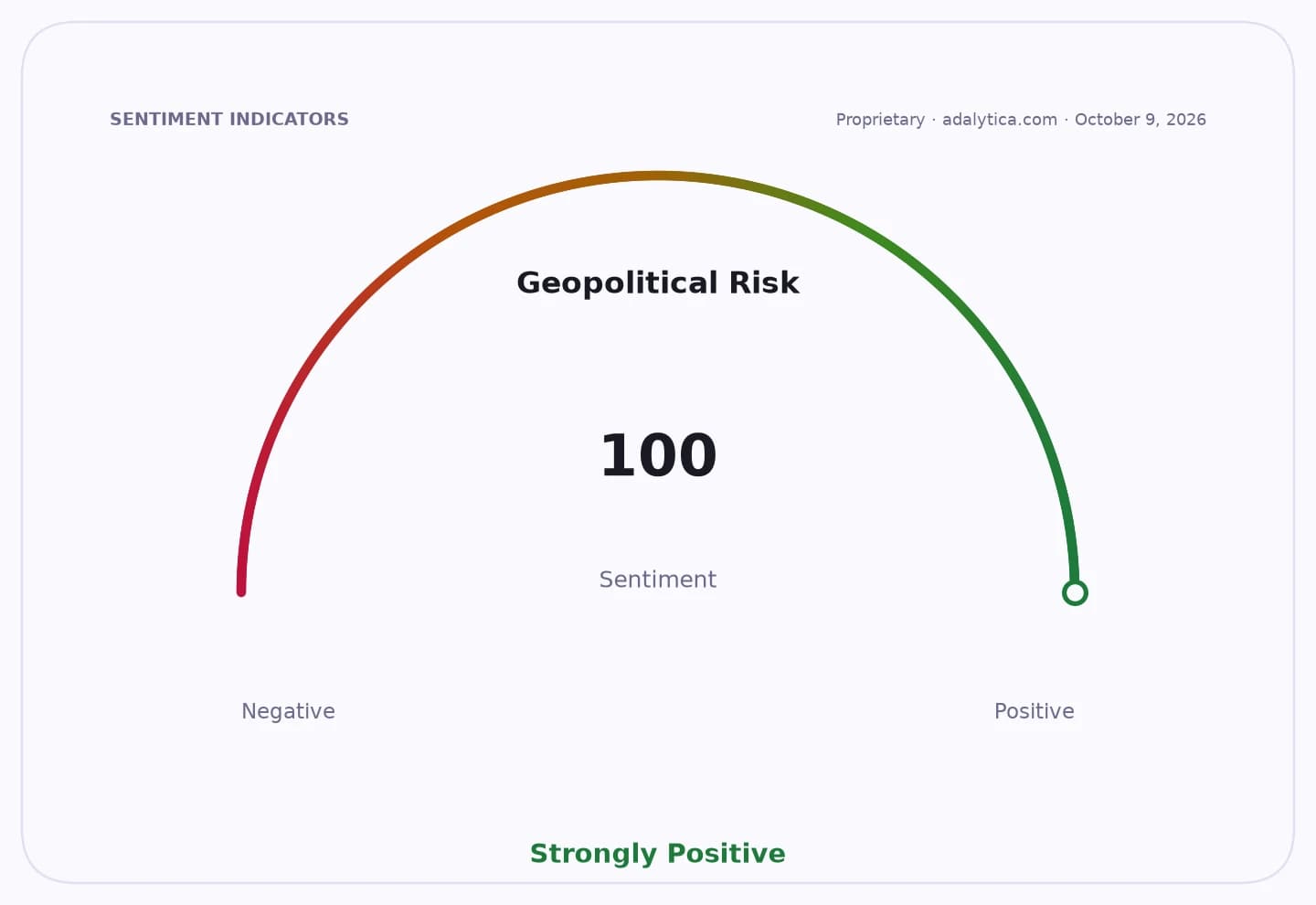
The rally matters because it shows how closely Russian markets remain tied to geopolitics, sanctions expectations and export-sector policy. Even without a lasting breakthrough, traders are continuing to price in the possibility of dialogue between Moscow and Washington, while also reacting to signals that tax treatment for metal producers may become less punitive.
Sentiment IndicatorsⓘProprietary · adalytica.com · October 9, 2026
This is a snapshot — live sentiment, awareness and momentum for 130+ markets update continuously in the dashboard.Open AlphaPulse
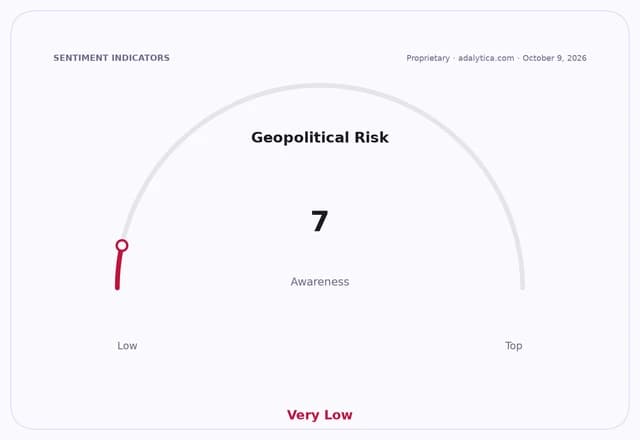
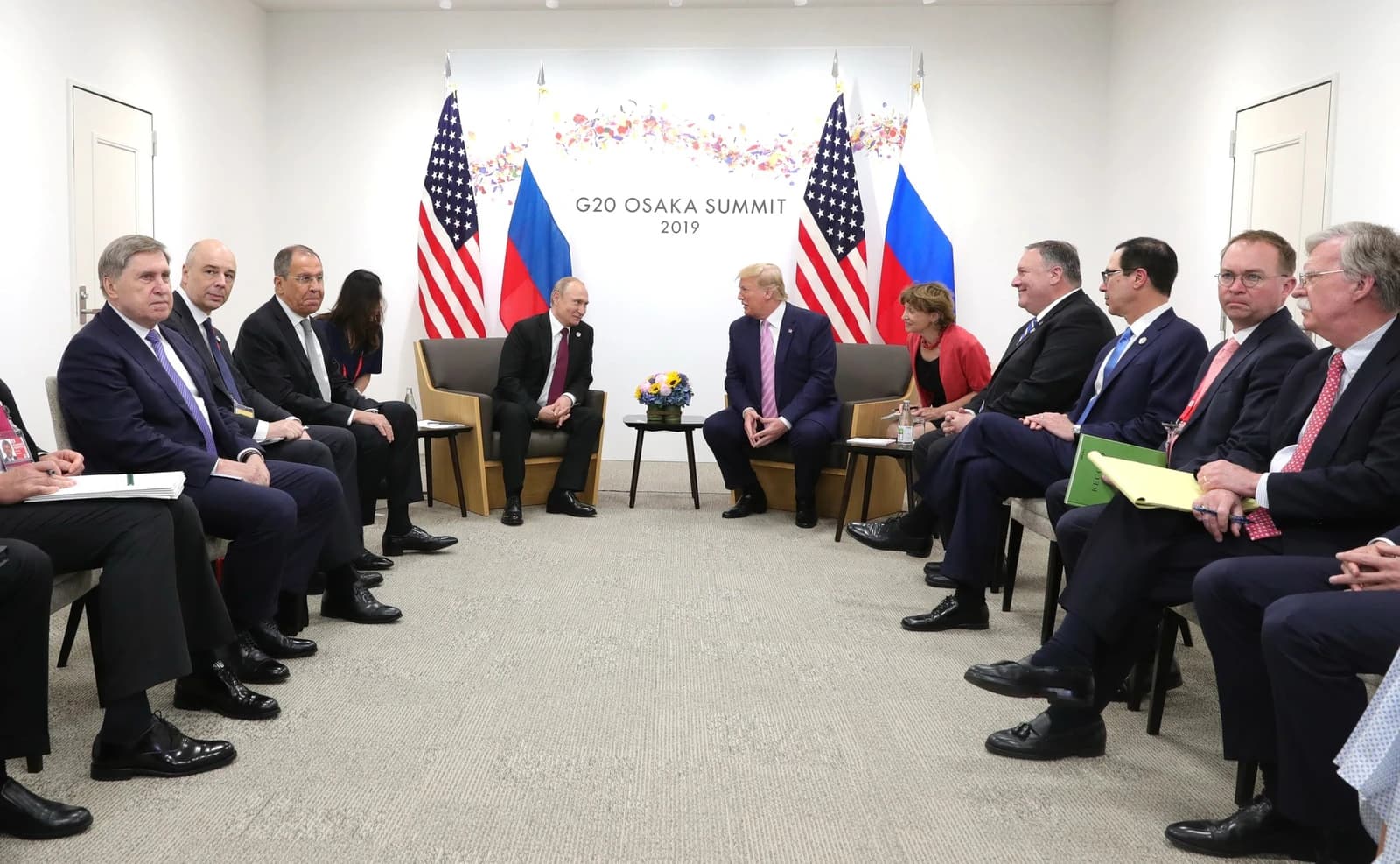
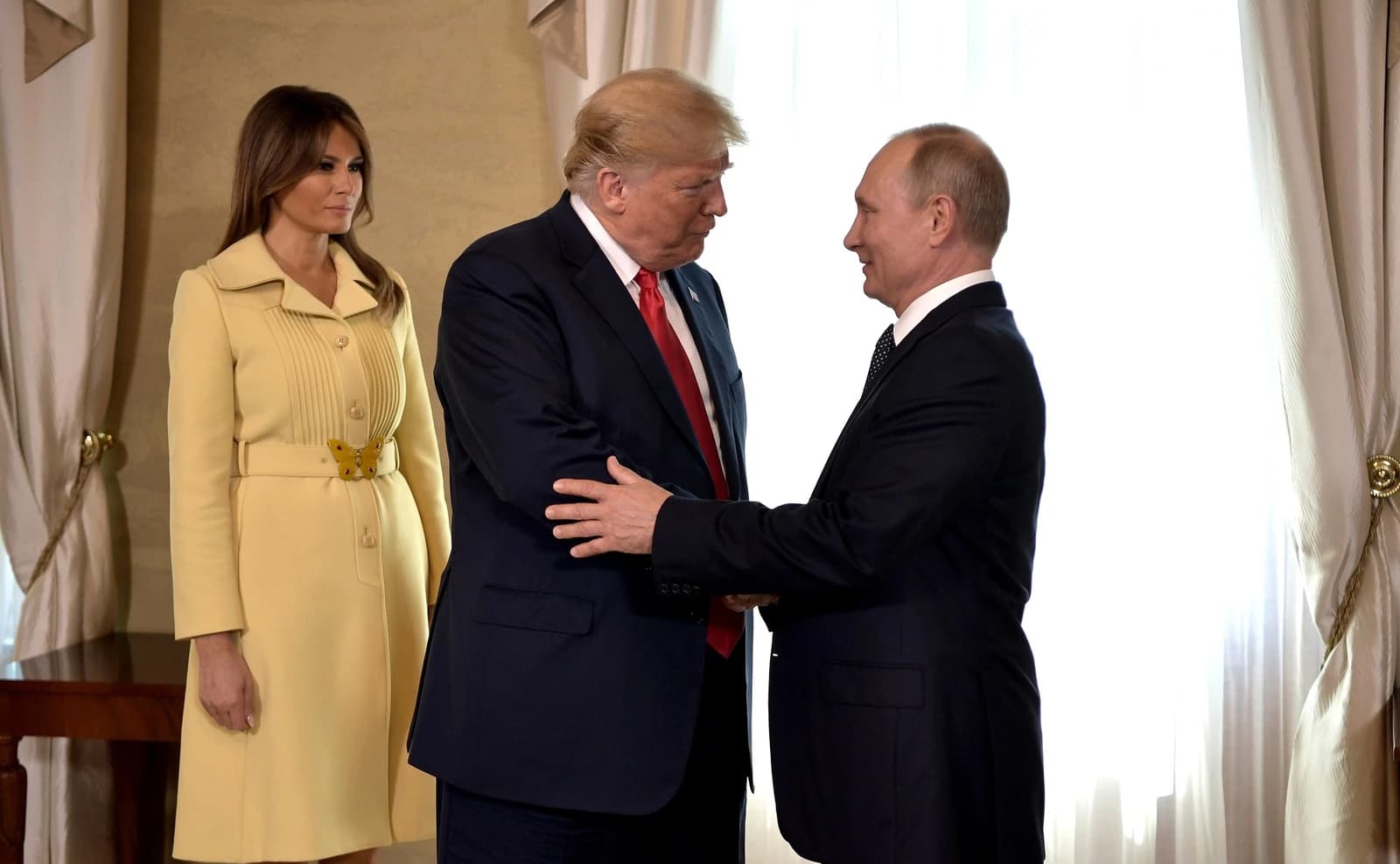
Stocks most exposed to any thaw in relations led the move. SPB Exchange jumped 8% to its highest since June 2026, with turnover above 2.3 billion rubles, after U.S. President Donald Trump said he had a phone call planned with Russian President Vladimir Putin. The gains faded after Deputy Foreign Minister Sergei Ryabkov said there were no plans for a three-way meeting involving Russia, the U.S. and Ukraine in the near term.
Metals shares also helped drive the index higher. Norilsk Nickel has risen 4% this month, while Severstal, MMK and NLMK are up 11%-12%, helped by a weaker ruble that boosts exporters’ rouble revenues. The dollar has climbed from 83 rubles to 85 rubles this month, partly as the Finance Ministry steps up foreign-currency purchases under the budget rule.
Finance Minister Anton Siluanov’s comments that proposed changes to a windfall tax on metals could smooth price spikes also supported the sector by pointing to lighter tax pressure. Lukoil added to the benchmark’s advance on expectations for nine-month dividends later this month.
The market tone remains fragile, however. Investors are still trading a geopolitical headline market, and analysts warned that any escalation in tensions could quickly reverse the move. A second risk is domestic monetary policy: if the central bank leaves rates unchanged at its October meeting, that could cool appetite for Russian stocks.
| Entity | Gains | Losses |
|---|---|---|
| Moscow Exchange index | ▲Reclaims 2,350 level | ▼Faces near-term correction risk |
| Exporters and metals producers | ▲Weaker ruble, possible tax relief | ▼Higher geopolitical volatility |
| SPB Exchange and sanction-sensitive stocks | ▲Rally on thaw hopes | ▼Profit-taking after denial of talks |
| Russian equity bears | ▲Better entry levels if pullback comes | ▼Missed short-term upside |