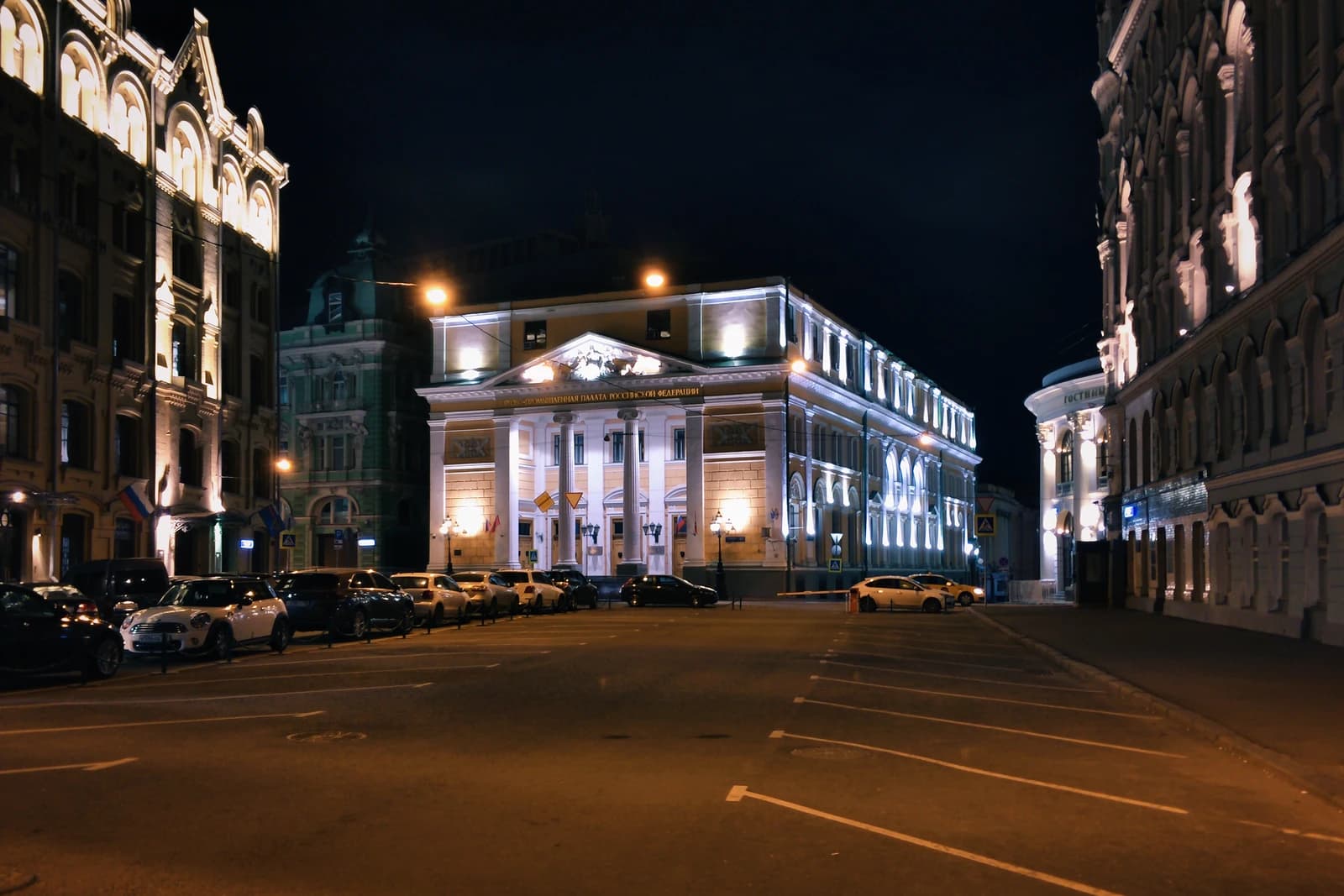
Moscow Exchange’s plan to open direct trading in Bitcoin, Ethereum and USDT on Dec. 1 marks a bigger shift than another crypto listing: it gives Russia’s largest bourse a regulated on-ramp into spot digital assets just as retail rules and institutional demand are being rewritten.
Moscow Exchange to Open Bitcoin, Ethereum, USDT Trading
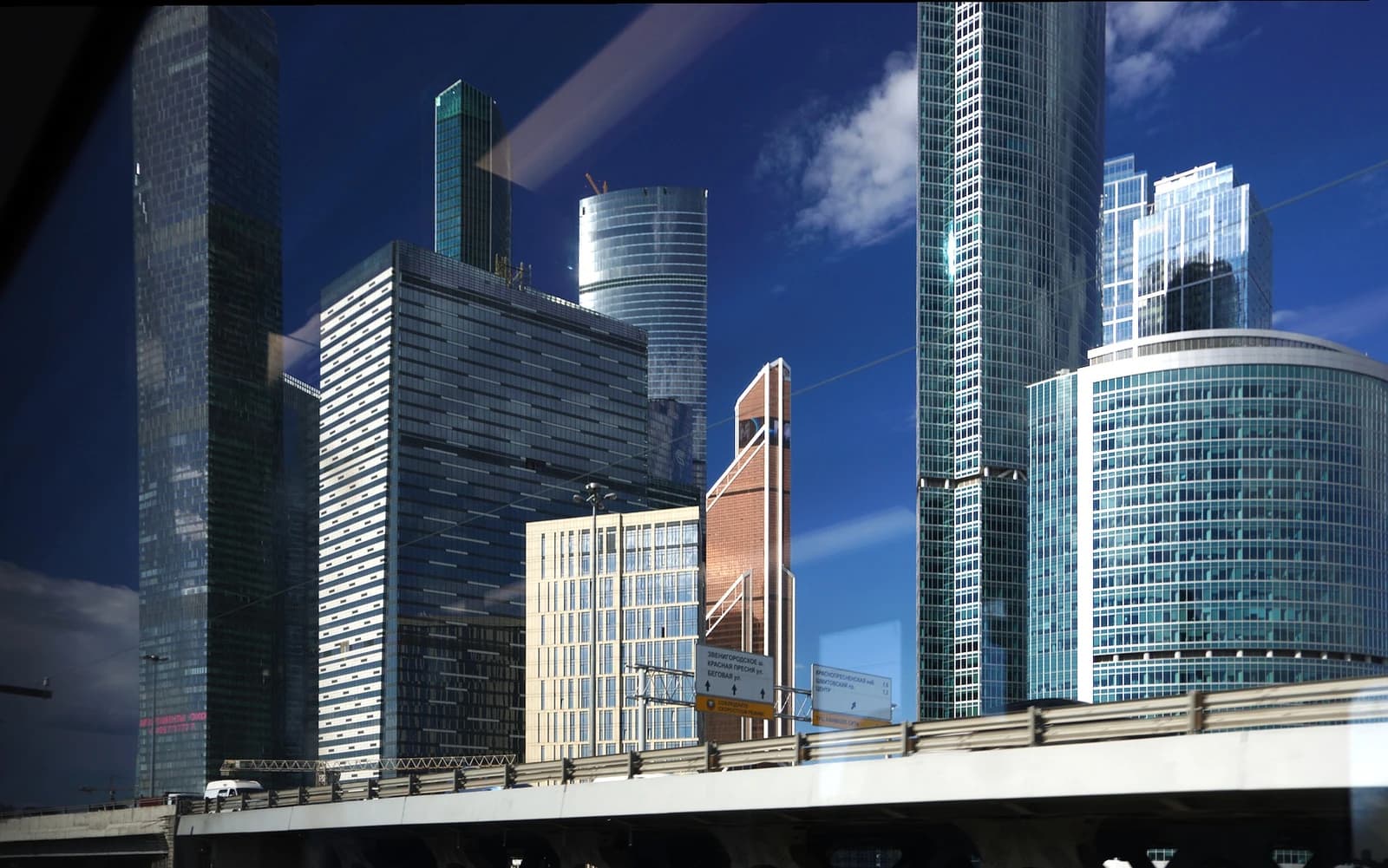
That matters economically because it formalizes crypto inside the country’s financial plumbing at a time when Moscow is trying to channel digital-asset activity through supervised venues rather than offshore exchanges. Under the new framework, non-qualified investors can buy only approved tokens and are capped at 300,000 rubles a year through an intermediary, a limit that should keep speculative flows contained while still broadening access. The exchange is also barred from turning crypto into a payments tool, reinforcing the government’s effort to separate trading from everyday commerce.
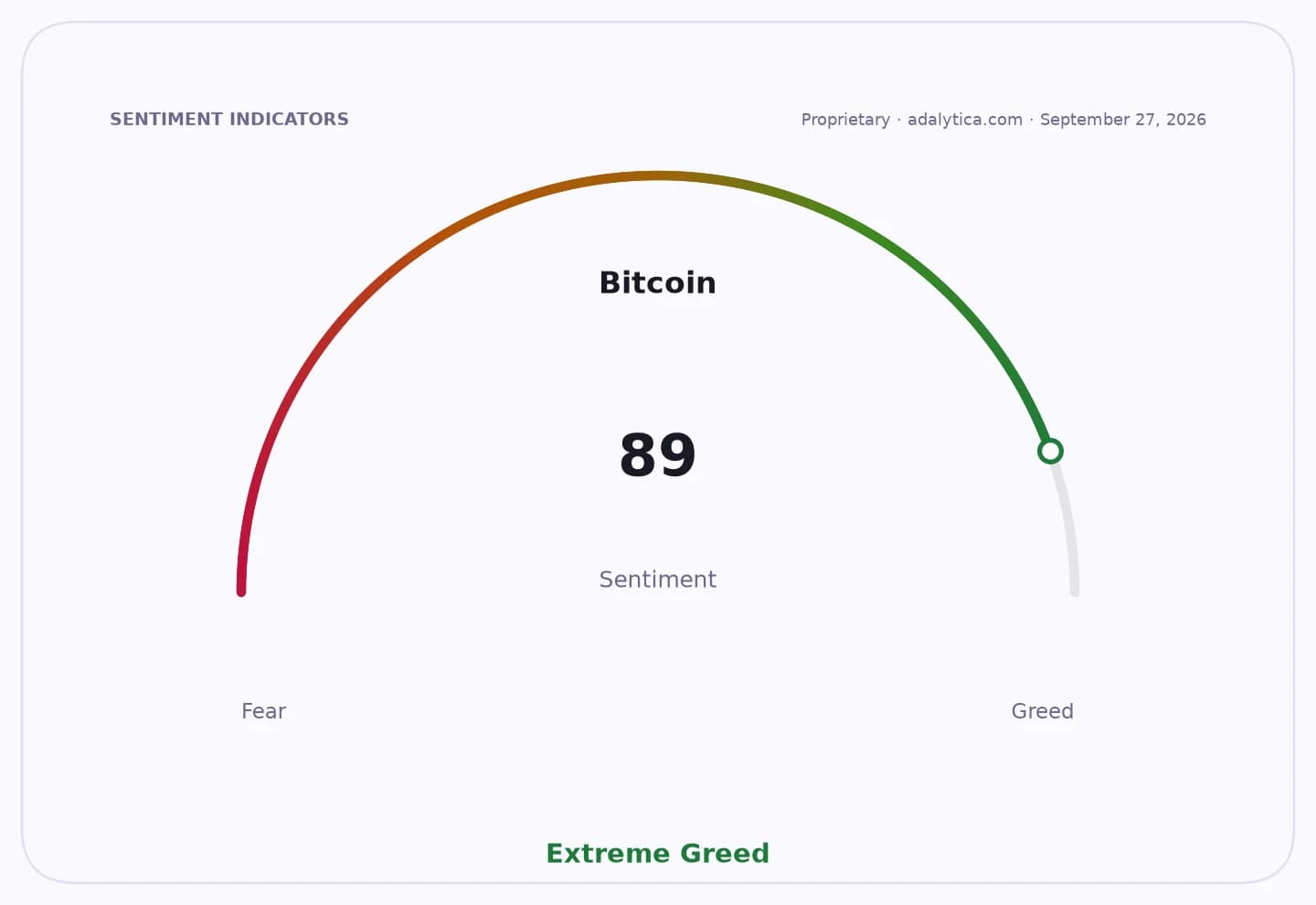
Sentiment IndicatorsⓘProprietary · adalytica.com · October 13, 2026
This is a snapshot — live sentiment, awareness and momentum for 130+ markets update continuously in the dashboard.Open AlphaPulse
For investors, the launch is important because it expands Moscow Exchange beyond futures and into spot products that typically carry deeper liquidity and stronger fee economics over time. The exchange said it is already testing the service with professional participants, and the move follows its September rollout of perpetual futures tied to Bitcoin, Ethereum, Solana, XRP and Tron indexes. More than 72,000 investors had already traded those derivatives by September, with turnover topping 600 billion rubles, showing there is real demand to monetize.
The timing also lands against a bruised backdrop for crypto prices and sentiment. Bitcoin was changing hands around $83,387, well below its 50-day moving average and still marked by extreme fear in Adalytica’s Bitcoin gauge. Ethereum was trading near $2,518, also below its 50-day average, with Adalytica sentiment showing fear. That weak backdrop suggests the Moscow launch is less about chasing momentum and more about building market structure while prices are depressed — often the point where long-term infrastructure winners get mispriced.
The real narrative here is not about whether Russia is embracing crypto in a broad ideological sense. It is about the state-authorized financial system quietly creating a domestic bridge into the asset class at a moment when global regulators are tightening and investors are looking for controlled access. If Moscow Exchange can turn its derivatives base into spot trading activity, the beneficiaries are likely to be the exchange itself, compliant brokers and custody providers, and the large crypto names that gain another regulated distribution channel.
For now, the trade is straightforward: this is a picks-and-shovels story in crypto infrastructure, not a directional bet on Bitcoin alone. The opportunity is in the venues, rails and intermediaries that take fees every time capital moves, especially if Russia’s tightly boxed crypto market keeps expanding from futures into spot and eventually into broader digital-asset products.
| Entity | Gains | Losses |
|---|---|---|
| Moscow Exchange | ▲Fee growth; new spot product line | ▼Legacy futures-only model |
| Russian brokers/compliant intermediaries | ▲New regulated flow | ▼Offshore exchanges |
| Bitcoin, Ethereum, USDT traders in Russia | ▲Legal access; domestic liquidity | ▼Unregulated access channels |
| Retail investors | ▲Simple regulated entry | ▼Higher flexibility; unrestricted buying |