Russia’s Moscow Exchange is preparing to start trading in bitcoin/ruble and bitcoin/quasi-dollar pairs, a move that would give the country’s biggest bourse a regulated channel for cryptocurrency dealing and could deepen liquidity in an asset class that has largely traded outside the organized market.
Moscow Exchange Plans Bitcoin Ruble Trading
The launch matters because it turns bitcoin from a mostly offshore, fragmented product into one that can be priced, hedged and routed through Moscow’s existing currency infrastructure. Sergei Shvetsov, chairman of the exchange’s supervisory board, said the venue plans to introduce BTC/USDx and BTC/RUB pairs, with USDx referring to the USDRUB_TOM instrument already traded on the platform as a synthetic dollar. That creates a three-legged trading triangle linking bitcoin, rubles and quasi-dollars, which the exchange says should make execution more efficient for market participants.
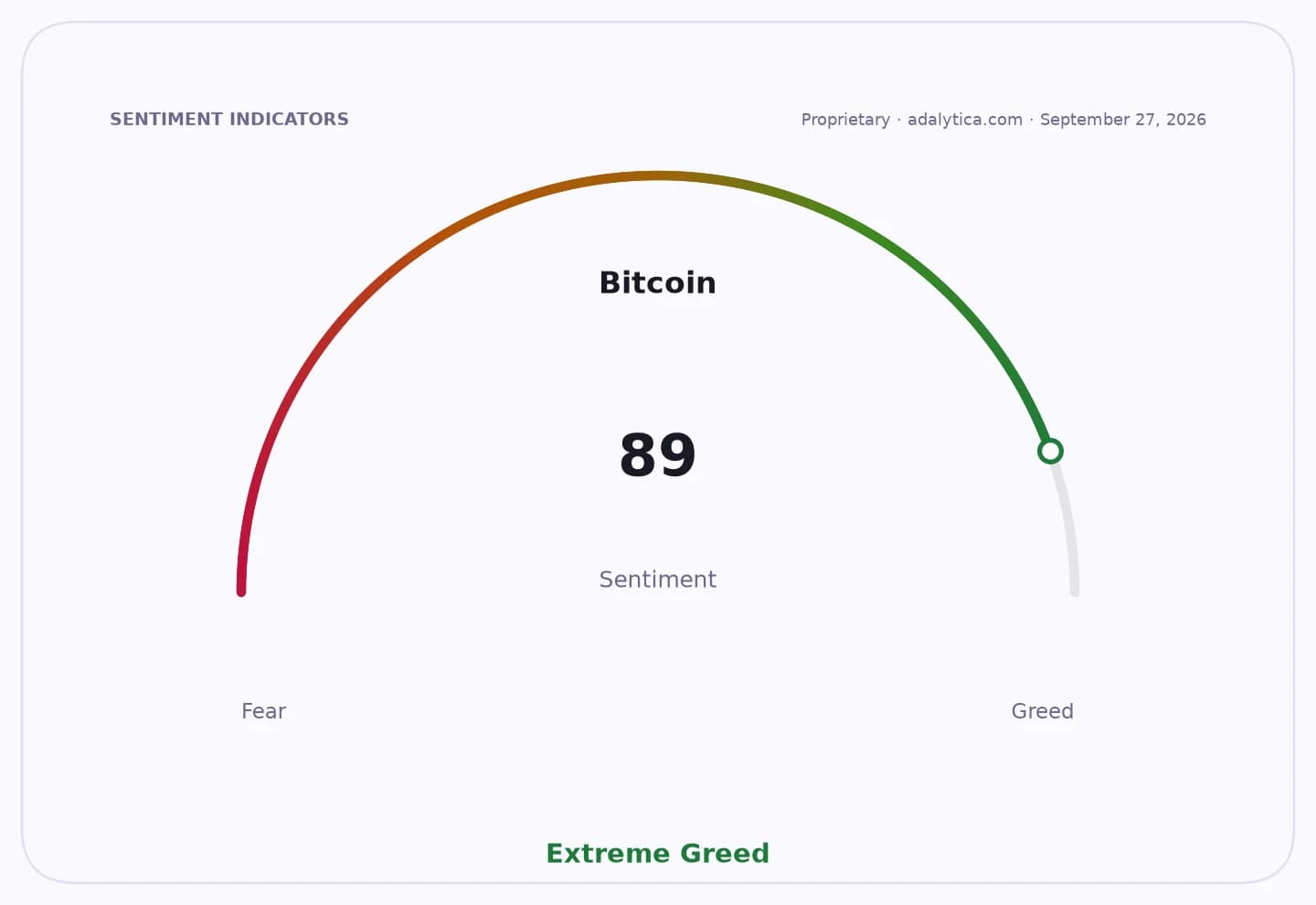
Sentiment IndicatorsⓘProprietary · adalytica.com · September 27, 2026
This is a snapshot — live sentiment, awareness and momentum for 130+ markets update continuously in the dashboard.Open AlphaPulse
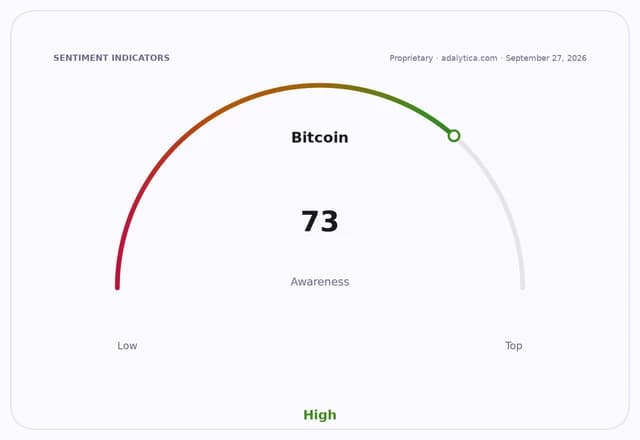
For Russia, the step fits a broader effort to manage digital assets within supervised channels rather than leaving them entirely to the grey market. The Bank of Russia said organized crypto trading would simplify turnover and help redistribute liquidity more efficiently among participants, potentially improving the odds that investors can buy the asset at the best available price. In practical terms, that means tighter spreads, less reliance on offshore venues and a market structure that is easier for domestic firms and investors to access.
Investors will be watching whether regulated access stimulates new demand or simply shifts existing flows onshore. Bitcoin is already trading with elevated momentum, changing hands near $84,700 after a strong run, with its 50-day moving average above the 200-day average and RSI readings in overbought territory. Adalytica’s Bitcoin Fear & Greed Index shows “Extreme Greed” at 89, suggesting speculative enthusiasm is already stretched. Against that backdrop, a Moscow listing could add another source of demand, but it could also increase sensitivity to volatility if leverage and retail participation rise.
The announcement also carries cross-asset implications. Coinciding with rising bitcoin prices, the move could support activity in crypto-linked firms and market infrastructure providers, while underscoring the growing role of Russia’s synthetic-dollar market in local currency trading. If the bitcoin/ruble pair gains traction, it may become one of the most actively used instruments on the board, as some market participants expect, because it gives domestic traders a direct crypto-to-fiat route without first moving through foreign exchanges.
The key test will be execution, regulation and liquidity. If Moscow Exchange can attract enough flow to make BTC/RUB and BTC/USDx meaningful, it could mark one of the clearest signs yet that Russia is trying to formalize crypto trading inside its own financial system rather than treat it solely as an external market.
| Entity | Gains | Losses |
|---|---|---|
| Moscow Exchange | ▲More trading volume | ▼Greater compliance burden |
| Russian investors | ▲Easier crypto access | ▼Higher volatility exposure |
| Bitcoin holders | ▲New domestic liquidity | ▼More price swings if leverage rises |
| Offshore exchanges | ▲Less Russian flow | ▼Market share loss |