The ruble’s next move is likely to be dictated less by headlines and more by the same hard forces that have driven every major currency swing in Russia’s recent history: oil prices, sanctions pressure and the broader dollar cycle.
Ruble Outlook Tied to Oil, Dollar, Sanctions
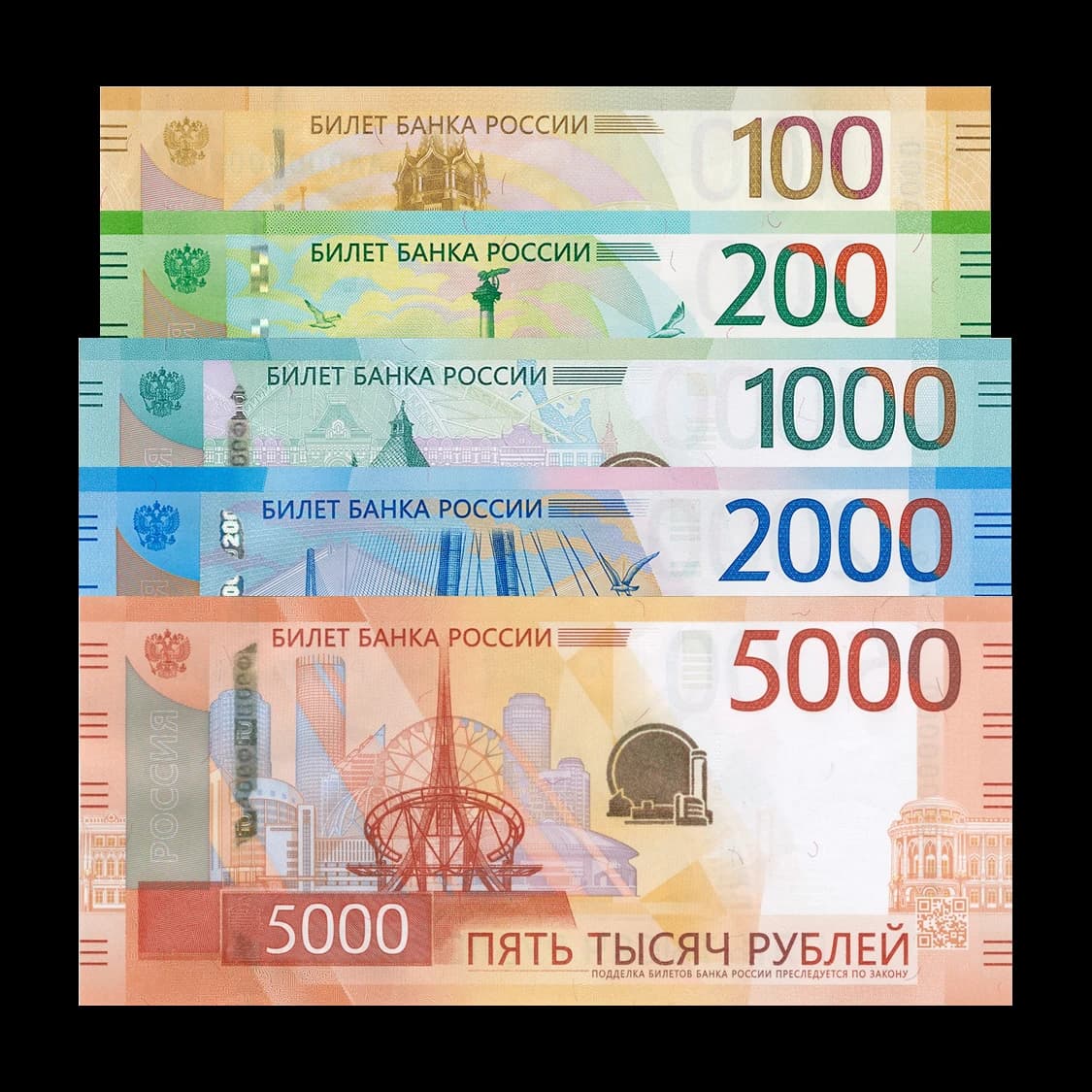
That is why investors should care. The currency is still one of the cleanest real-time gauges of Russia’s external balance, fiscal health and capital controls regime. When Brent crude weakens, or when the dollar strengthens, the ruble tends to lose its cushion quickly. When oil holds firm and Russia’s export revenues stay elevated, the currency can look steadier than the market expects — even if the underlying economy remains under strain.
The backdrop right now is not especially friendly for the ruble. Brent crude has slipped to about $94 a barrel from more than $101 only days earlier, a drop that matters because Russia’s export earnings are still heavily tied to energy. At the same time, the broad U.S. dollar, tracked by the UUP ETF, has been firming, with the fund recently trading around 28.6 and its 50-day average above 28.2. A stronger dollar typically tightens financial conditions globally and reduces room for commodity-linked currencies to rally.
For Russia, that combination matters more than any short-term technical bounce. Oil revenue is the economy’s external anchor, and the ruble’s stability depends on how much hard currency keeps flowing in relative to import demand and capital outflows. If crude stays below the levels that supported the currency earlier this year, the ruble is more likely to drift weaker than surprise to the upside.
There is another layer here: the market has spent years learning that Russia’s currency is not a free-floating indicator in the classic sense. Policy intervention, administrative controls and trade settlement shifts can blunt volatility, but they do not eliminate the underlying arithmetic. When export proceeds soften and the dollar stays bid, the pressure eventually shows up somewhere — in the exchange rate, in domestic prices or in tighter policy.
That is where the investment angle comes in. A weaker ruble tends to support Russia’s exporters in local-currency terms, but it can squeeze importers, consumers and any business with hard-currency liabilities. For global investors, the currency is also a barometer of sanctions risk and geopolitical stress. A sudden ruble slide often reflects not just commodity weakness but a deterioration in trade access, payment channels or reserve accumulation.
On the other hand, a steadier ruble can lull the market into underpricing the fragility of Russia’s current account. If energy prices continue to retreat and the dollar remains resilient, the currency could be forced lower even without a fresh geopolitical shock. That makes the ruble less of a standalone trade and more of a macro warning signal.
My view is that the market is still too relaxed about how quickly the ruble can reprice when oil turns and the dollar turns up together. The surprise is unlikely to be a sharp rally. The higher-probability risk is a renewed weakening cycle, especially if commodity prices keep easing and sanctions keep limiting Russia’s ability to rebuild external buffers. Investors should treat any ruble strength as tactical, not structural.
| Entity | Gains | Losses |
|---|---|---|
| Russian exporters | ▲Higher local-currency revenue | ▼Import costs, margins if inputs rise |
| Russian consumers | ▲Short-lived stability if FX is managed | ▼Purchasing power if ruble weakens |
| Commodity bulls | ▲Support for resource-linked FX | ▼Demand fears if oil keeps falling |
| Dollar holders | ▲Relative currency strength | ▼Emerging-market FX carry trades |