Bitcoin is holding near $87,000 and altcoins are catching a policy bid, with Zcash jumping 10% as traders latch onto two Washington developments that could make the U.S. more accommodating to digital assets and tokenized securities.
Bitcoin Near $87K as U.S. Policy Boosts Crypto
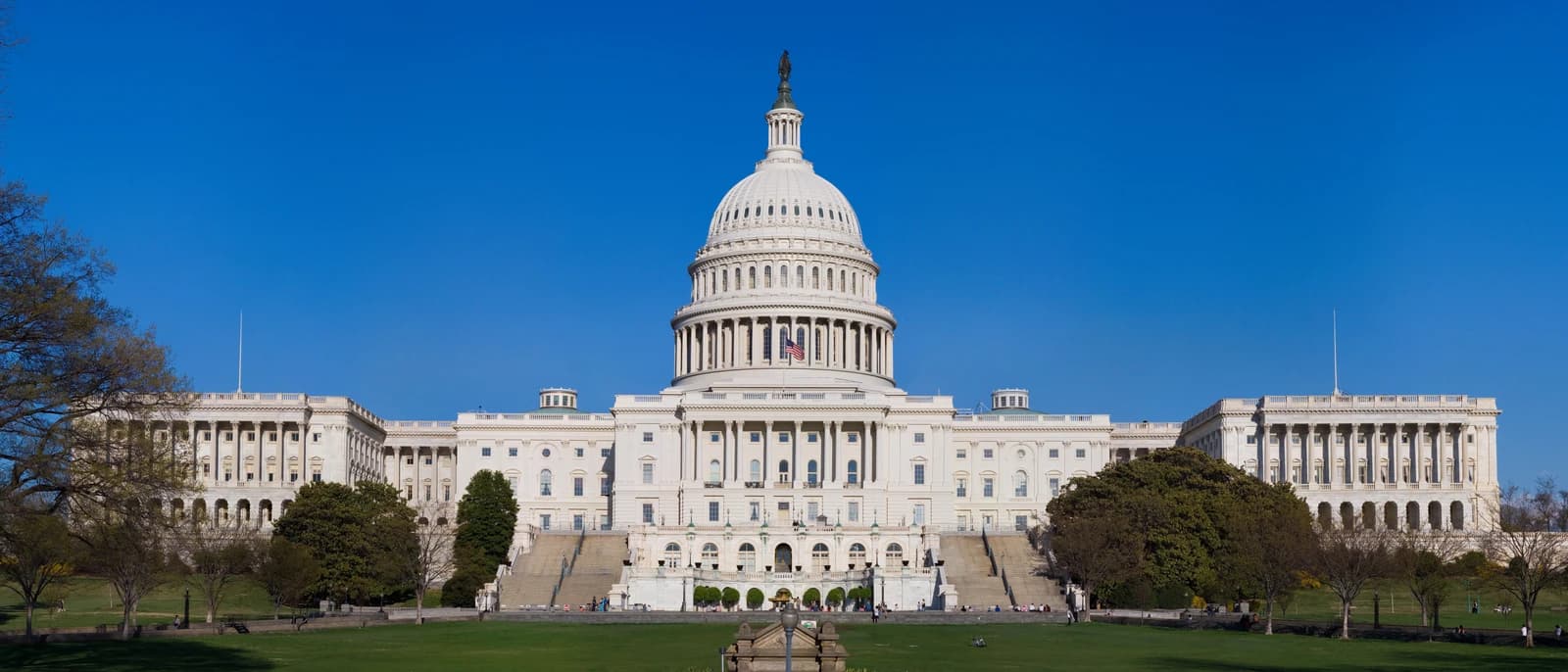
That matters because the market is no longer reacting only to price momentum and short squeezes; it is starting to price the possibility of durable regulatory plumbing. A House committee’s approval of the American Reserve Modernization Act and the Securities and Exchange Commission’s move to allow onchain trading of tokenized U.S. stocks have given crypto investors a clearer narrative: digital assets are moving closer to mainstream balance-sheet policy and regulated market infrastructure.
Sentiment IndicatorsⓘProprietary · adalytica.com · September 27, 2026
This is a snapshot — live sentiment, awareness and momentum for 130+ markets update continuously in the dashboard.Open AlphaPulse
Zcash rose to more than $1,616, leading major tokens higher, while XRP gained 6% and HYPE rose 4%. Bitcoin traded near $86,900, up 1% over 24 hours, as ether, BNB and SOL posted smaller gains and TRX slipped. The broad advance suggests this is not just a Zcash-specific move; it is a sector-wide repricing of policy risk.
The Strategic Bitcoin Reserve bill is the bigger structural catalyst. The proposal would place roughly 325,000 bitcoin already held by the U.S. government into a permanent reserve at the Treasury, require those coins to be held for at least 20 years and mandate quarterly audited proof of reserves. That does two things investors should care about: it reduces the odds of forced government selling and it elevates bitcoin from a purely speculative asset to one that is being discussed in sovereign-reserve terms.
The economics are straightforward. If Congress pushes even part of this framework through, the supply overhang on seized bitcoin becomes less of a market concern, while the policy signal could encourage other institutions to treat bitcoin as a reserve-like asset rather than a trade. At the same time, the SEC’s innovation exemption for tokenized stock trading strengthens the investable case for the broader tokenization theme, which could benefit exchanges, blockchain infrastructure providers and projects positioned at the intersection of traditional finance and onchain markets.
The move is unfolding against a friendlier macro backdrop. Oil’s decline has eased inflation worries in Asia, helping bonds rally and reducing some pressure on risk assets. Brent has fallen for a sixth straight session, while Treasury yields eased and the yen weakened after the Bank of Japan’s divided rate hike signaled a slow path toward tighter policy. Cheaper oil and softer rate stress give crypto room to extend gains, especially when policy headlines are adding fuel rather than taking it away.
Bitcoin’s technical picture is also improving. It is back above its 50-week and 200-week moving averages, and the latest rally has come on top of a recovery from the lows seen earlier this year. On Adalytica’s standard market gauges, the S&P 500 is sitting in “Extreme Greed,” a backdrop that often supports speculative flows into high-beta assets like crypto when macro fear fades.
The opportunity here is not just in bitcoin itself, but in the second-order winners. If Washington keeps moving toward reserve recognition and tokenized-market approval, the beneficiaries are likely to be the picks-and-shovels names: exchanges, custodians, infrastructure providers and the tokenization plays most exposed to regulated adoption. Zcash’s spike is the market’s reminder that crypto still trades on narrative, but the bigger prize is a policy regime that makes the whole asset class more legible to institutions.
For investors, the message is clear: the market may be underestimating how quickly legislative and regulatory progress can change crypto’s discount rate. Bitcoin near $87,000 is not just a price level — it is a referendum on whether U.S. policy is becoming an asset-price catalyst. I believe the better trade is to stay with bitcoin strength and selectively own the infrastructure and tokenization names that benefit if this Washington pivot keeps advancing.
| Entity | Gains | Losses |
|---|---|---|
| Bitcoin holders | ▲Reserve narrative, lower supply overhang | ▼Short sellers |
| Zcash and altcoins | ▲Policy-driven risk appetite | ▼Token skeptics |
| Crypto exchanges / custodians | ▲More institutional flow | ▼Legacy market venues |
| Oil importers / rate-sensitive assets | ▲Easier inflation backdrop | ▼Energy producers |