Russia is preparing to tighten restrictions on taking cash rubles and gold out of the country, a sign Moscow is still trying to plug channels used to move wealth abroad and keep more hard currency and bullion inside the financial system.
Russia to Tighten Cash Ruble and Gold Outflows
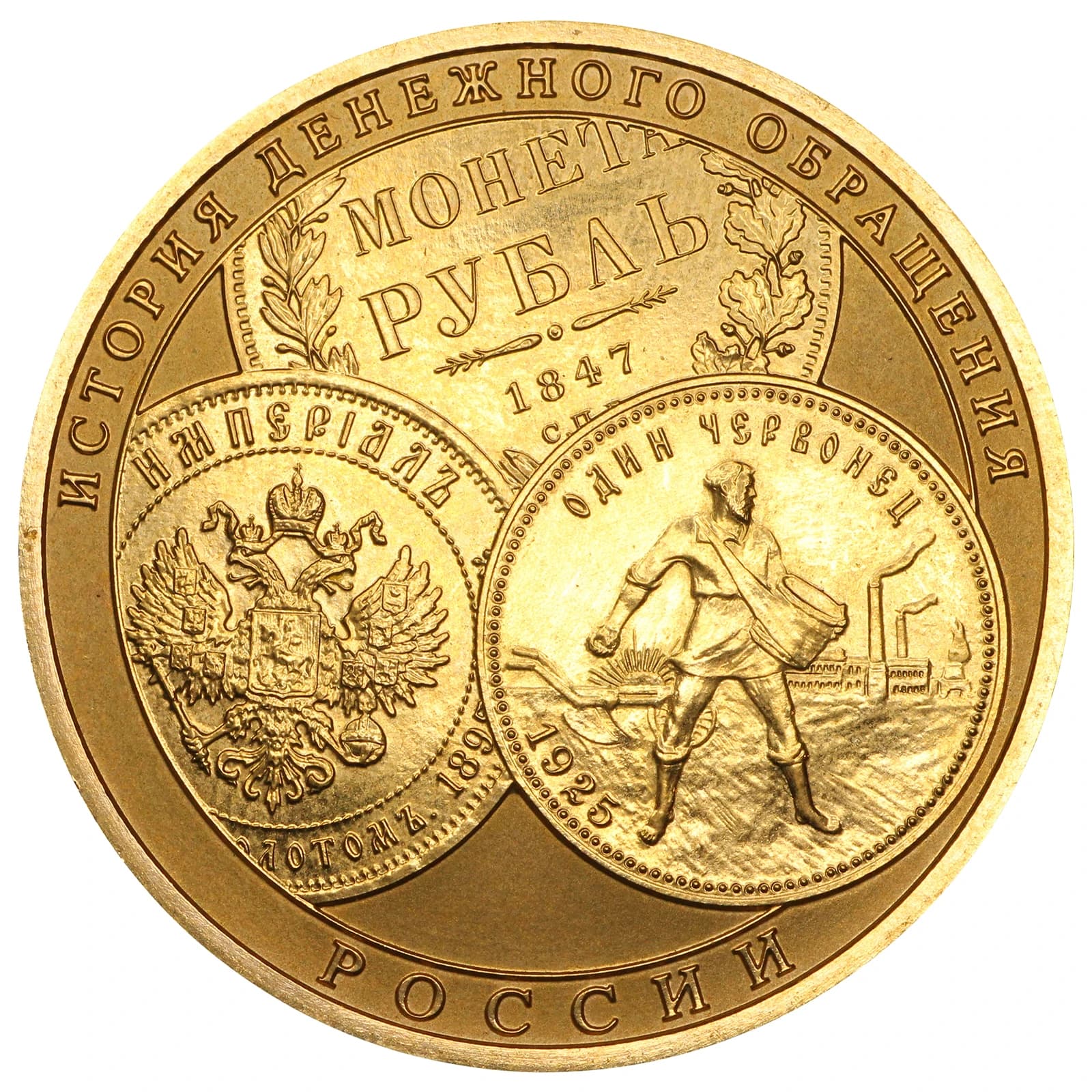
The move matters because capital controls are not just administrative housekeeping: they are a pressure valve for a country under sanctions, volatile trade flows and persistent incentives for households and companies to protect savings outside the domestic banking system. By narrowing the ability to export cash and gold, regulators are effectively raising the cost and friction of capital flight, while also trying to improve oversight of cross-border transfers inside the Eurasian Economic Union.
Sentiment IndicatorsⓘProprietary · adalytica.com · September 28, 2026
This is a snapshot — live sentiment, awareness and momentum for 130+ markets update continuously in the dashboard.Open AlphaPulse
Bogdan Shablya, head of the central bank’s financial monitoring and currency control service, said the restrictions introduced this spring will be further amended “in the near future,” according to Interfax. The existing presidential decree, signed to stabilize financial markets, already bars citizens from exporting cash rubles above the equivalent of $100,000, fully prohibits cash currency exports by businesses, and limits the transport of gold bars weighing more than 100 grams, except in verified cases tied to withdrawals from accounts through designated airports.
The central bank says the problem is not the concept of the rules but enforcement. Shablya said regulators regularly encounter documentation whose authenticity or source cannot be quickly verified, leaving room for abuse. Under the current framework, exporters of larger sums need bank statements showing the legal origin of the capital, but officials appear to believe that is still insufficient in a system where cash and bullion can move quickly and be harder to trace than ordinary bank transfers.
For Russia, the economics are straightforward. Tighter controls help reduce outflows that could otherwise weaken domestic liquidity, complicate exchange-rate management and drain assets at a time when the state is trying to keep the ruble and financial conditions stable. They also reinforce a broader policy shift toward state supervision of trade and payments, including the SPOT system launched on June 1 to police imports from other Eurasian Economic Union members and curb tax evasion.
For investors, the implication is not that Russia is closing off to global markets — it already is — but that policy risk in the domestic monetary system remains elevated and increasingly interventionist. The tighter the controls, the less freedom residents and companies have to reprice risk by moving money, and the more likely the authorities are to rely on administrative measures rather than market mechanisms to support stability.
That has mixed consequences for asset holders. It may support ruble liquidity in the short term and reduce pressure on gold and cash outflows, but it also underscores why confidence in Russian financial assets remains fragile. When restrictions widen, they can steady the system; they can also signal that the system needs steadying.
| Entity | Gains | Losses |
|---|---|---|
| Russian regulators | ▲Better capital oversight | ▼More enforcement burden |
| Ruble and domestic banks | ▲Lower outflow pressure | ▼Less market flexibility |
| Russian households | ▲Short-term stability | ▼Easier asset mobility |
| Cross-border cash and bullion holders | ▲— | ▼Higher transfer friction |