Russia’s central bank is moving to cap banks’ exposure to cryptocurrencies at 1% of capital, a regulatory shift that could curb balance-sheet risk while also narrowing how aggressively lenders can build crypto businesses around trading, custody and structured products.
Russia Central Bank Caps Banks' Crypto Exposure
The proposal is economically significant because it turns crypto from a largely policy-tolerated activity into a tightly bounded banking risk class. By imposing separate limits for individual banks and banking groups, the regulator is signaling that it wants to prevent digital assets from becoming a material channel of capital consumption, funding stress or sanctions exposure in the financial system.
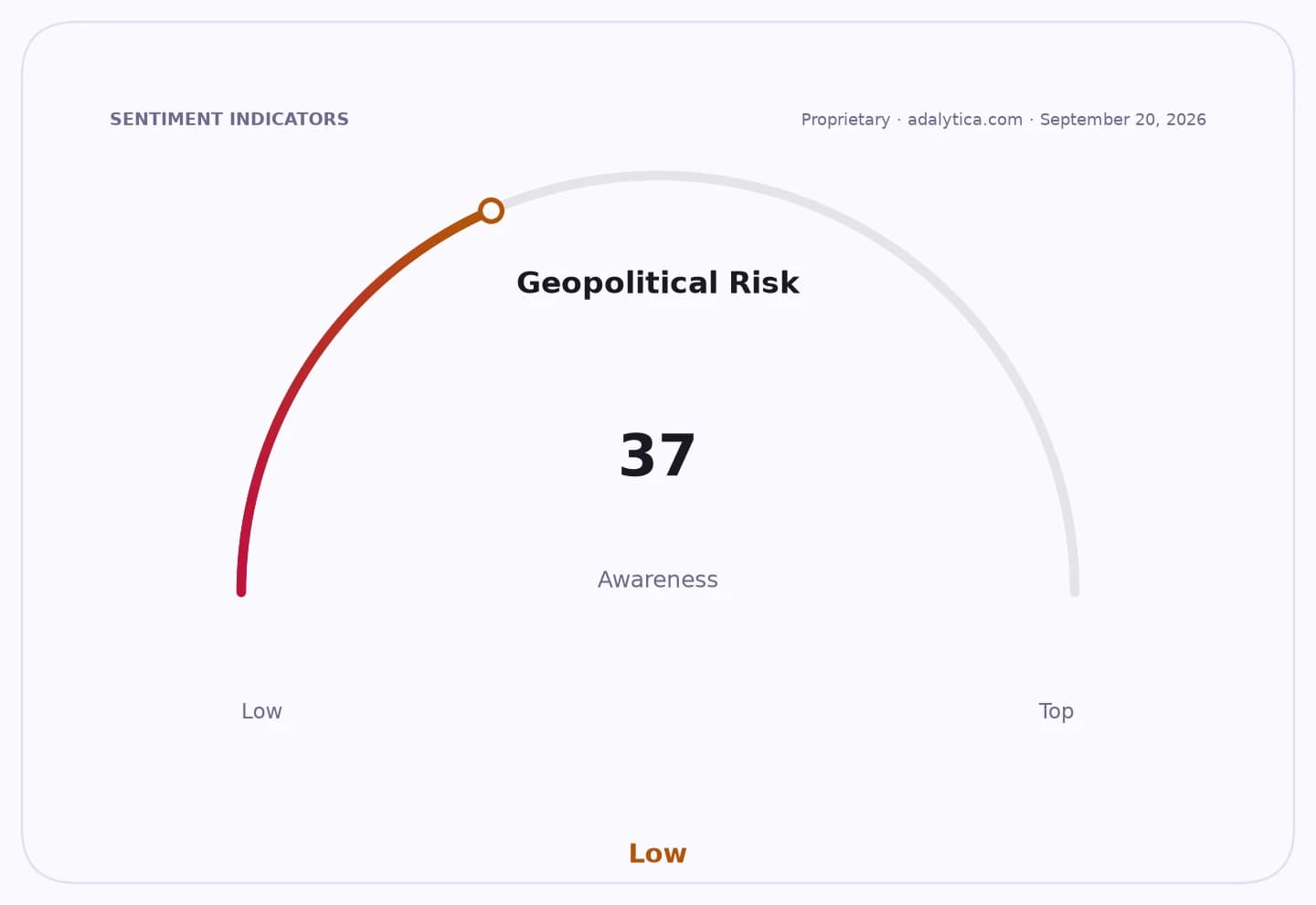
Sentiment IndicatorsⓘProprietary · adalytica.com · September 20, 2026
This is a snapshot — live sentiment, awareness and momentum for 130+ markets update continuously in the dashboard.Open AlphaPulse
Under the draft rules, banks would face two maximum-risk standards, N31 at the individual-bank level and N32 for banking groups, each set at 1% of capital. The central bank said the measure takes into account a bank’s own position as well as client positions where the institution bears sanctions-related risk. For assets with a low risk of blocking, the regulator would allow netting of long and short positions.
The design matters for lenders because crypto positions can be highly capital-intensive. The draft says a risk weight of 1,250% would require one ruble of capital for every ruble invested in a crypto asset, effectively making proprietary positions expensive to hold. Client positions would not count toward the same cap, but would still carry a separate operational risk charge tied to custody and cyber incidents, with a proposed 50% risk weight implying banks should be prepared to absorb losses of about 5%.
For investors, the rules are a reminder that the crypto market’s institutional adoption remains heavily dependent on local regulation and bank capital treatment. Tighter controls in Russia could restrain domestic demand from regulated lenders, but they may also reduce the probability of a disorderly bank-led crypto buildup that would later need to be unwound. That tends to favor stability over growth.
The timing is important. The central bank said the new rules could take effect between October and December 2026, with reporting of digital-instrument turnover and the calculation of the new ratios starting Jan. 1, 2027. Detailed reporting forms are still being drafted.
The move also fits Moscow’s broader effort to keep digital assets from operating outside the monetary system. The Bank of Russia said cryptocurrencies remain a financial-market risk because they can be used as a substitute for national currency and are anonymous, decentralized and extraterritorial, raising risks of illicit use and capital loss. Russia already introduced a law regulating cryptocurrencies on Sept. 1.
For crypto-related equities and intermediaries, the message is mixed. On one hand, more formal rules can legitimize activity and create a clearer operating framework for banks. On the other, hard balance-sheet limits and steep capital charges are likely to cap the scale of any institutional crypto expansion. That is less of a blow to the broad digital-asset market than to lenders, exchanges and brokers that would prefer banks to be active balance-sheet counterparties.
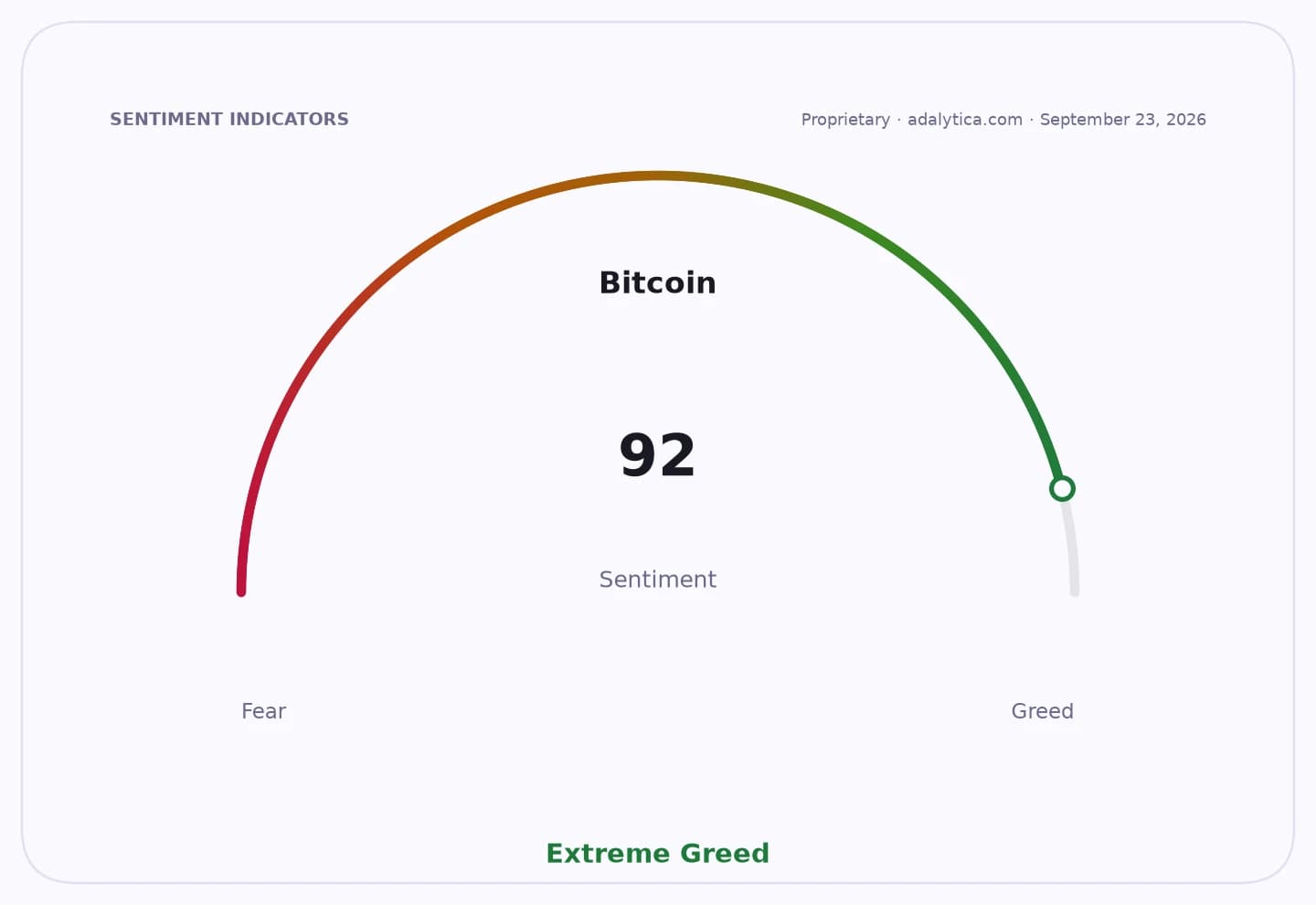
The market backdrop underscores why regulators are acting cautiously. Bitcoin has been volatile but remains well above the lows of earlier in the year, while crypto-linked stocks such as Coinbase and Strategy have also seen sharp swings. For banks, the issue is not directional price risk alone but the combination of volatility, custody risk, sanctions exposure and the possibility that digital assets become a funding or settlement channel outside traditional oversight.
The central bank’s draft suggests Russia is willing to permit crypto activity, but only within a narrow perimeter. If adopted as proposed, the rules should limit systemic spillovers and protect capital, while also slowing any attempt by banks to turn crypto into a mainstream profit center.
| Entity | Gains | Losses |
|---|---|---|
| Bank of Russia | ▲Capital control | ▼Faster crypto adoption |
| Large banks | ▲Regulatory clarity | ▼Balance-sheet flexibility |
| Crypto exchanges/custodians | ▲Clearer rules | ▼Bank distribution channels |
| Crypto investors | ▲Lower systemic risk | ▼Institutional demand growth |