The U.S. is preparing to seize about $1 billion in cryptocurrency linked to Iran this week, escalating a financial campaign that aims to cut off a sanctions-hit government from hard-to-trace digital funds.
U.S. Prepares to Seize $1B in Iran-Linked Crypto

Treasury Secretary Scott Bessent said the move would be part of Washington’s broader effort to isolate Tehran economically, underscoring how crypto has become a frontline in sanctions enforcement rather than a peripheral compliance issue. The announcement matters because it shows the U.S. is not just freezing traditional bank accounts or blacklisting exchanges, but actively targeting on-chain assets and the networks that move them.
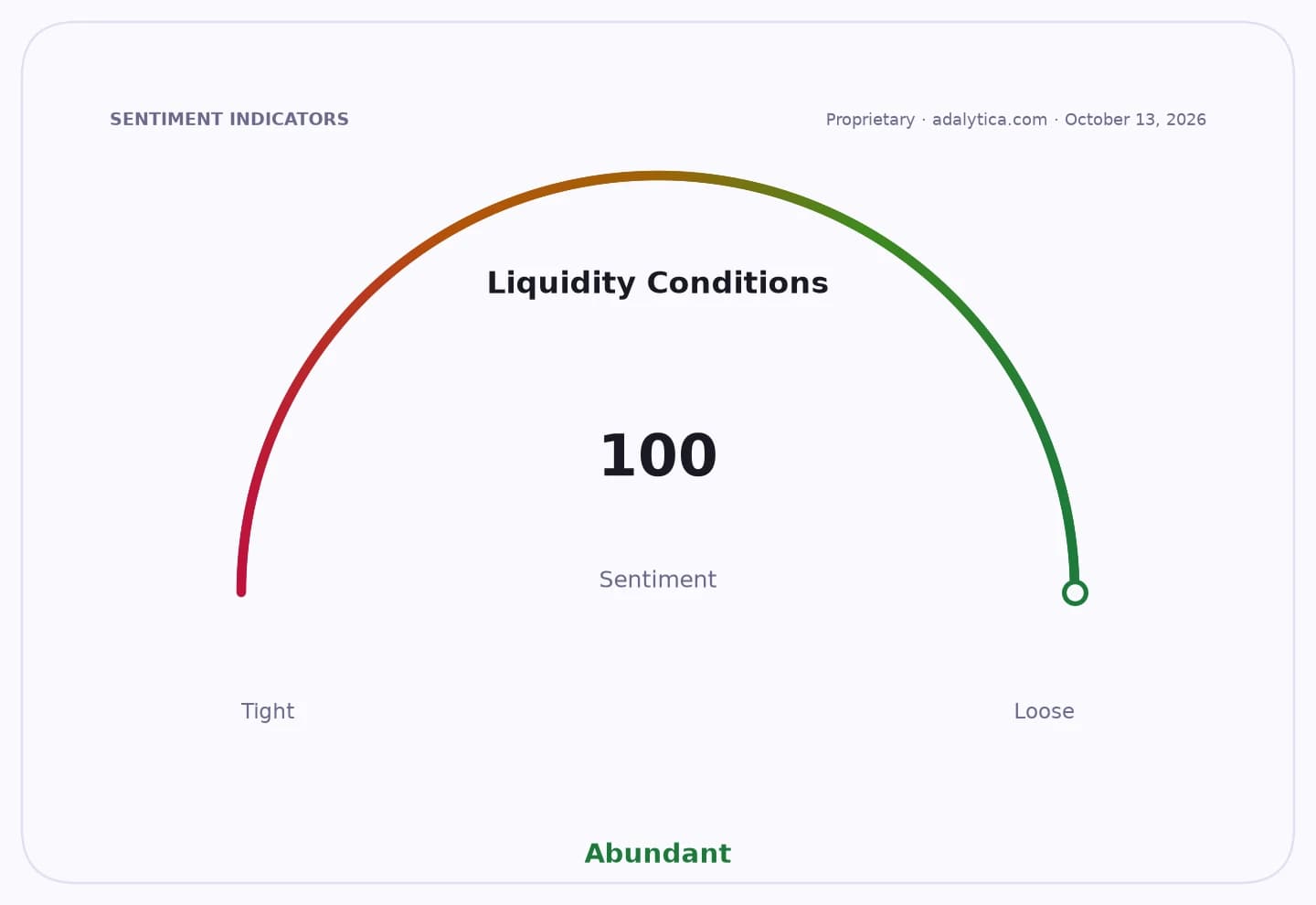
Sentiment IndicatorsⓘProprietary · adalytica.com · October 12, 2026
This is a snapshot — live sentiment, awareness and momentum for 130+ markets update continuously in the dashboard.Open AlphaPulse
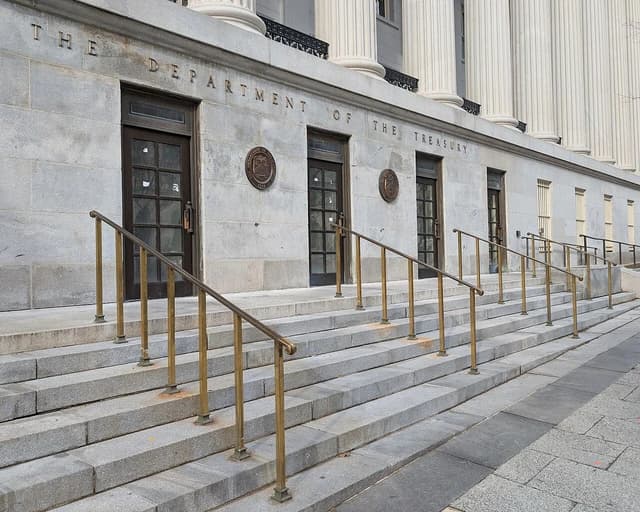
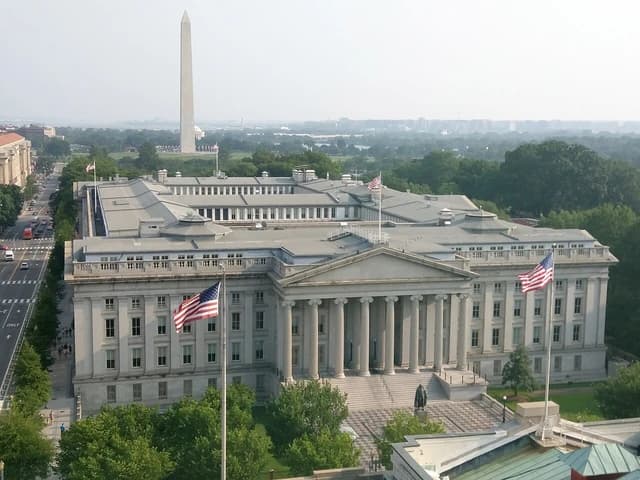
Bessent said the administration “probably gonna seize a billion dollars of crypto this week” and that authorities know where the assets are. He did not say whether the action would target exchanges, wallets or involve stablecoin issuers, but the scale alone suggests a coordinated enforcement push. The Treasury’s Office of Foreign Assets Control said in August it was targeting crypto exchanges that helped move funds to Iran’s Islamic Revolutionary Guard Corps, after previous warnings that the U.S. intended to increase pressure on networks funding the regime “in dollars, rials, or crypto.”
The policy context is straightforward: sanctions only work if illicit capital can be tracked, frozen and removed from circulation. For Iran, crypto has offered a way to bypass the traditional banking system, tap global liquidity and shift value outside the reach of conventional controls. For Washington, the growing use of digital assets by sanctioned actors raises the cost of enforcement and increases the premium on surveillance, blockchain analytics and coordination with stablecoin issuers and exchanges.
The case also highlights the uneven economics of the crypto market. Bitcoin has been volatile and remains under technical pressure, with recent price readings showing it trading below its 50-day and 200-day moving averages and deep in oversold territory by RSI measures. Adalytica’s Bitcoin Fear & Greed Index shows “Extreme Fear,” reflecting how geopolitical risk, regulatory scrutiny and weak risk appetite are weighing on sentiment even as enforcement actions underscore crypto’s continued role in illicit finance.
For investors, the immediate takeaway is not that a seizure of this size will move the market on its own, but that the regulatory environment around digital assets remains tightly linked to geopolitics. Exchanges, stablecoin issuers and custodians face continuing scrutiny over sanctions compliance, which can translate into higher legal and operating costs and more pressure to monitor flows in real time. Coinbase and other U.S.-listed crypto firms may benefit if tighter enforcement channels activity toward regulated venues, but they also bear more compliance risk and headline exposure when authorities publicize major seizures.
The broader narrative is that crypto is moving further into the center of state power struggles. As sanctions enforcement becomes more digital, the winners are likely to be compliant exchanges, analytics firms and stablecoin issuers aligned with U.S. rules. The losers are sanctioned states, illicit intermediaries and any market participant exposed to a more aggressive, less forgiving regulatory regime.
| Entity | Gains | Losses |
|---|---|---|
| US Treasury / OFAC | ▲stronger sanctions leverage | ▼higher enforcement burden |
| Iran / IRGC-linked networks | ▲none | ▼$1B in crypto assets |
| Compliant exchanges / stablecoin issuers | ▲more regulated flow share | ▼heavier compliance scrutiny |
| Crypto market / Bitcoin holders | ▲clearer enforcement rules | ▼negative sentiment and volatility |