Russia is signalling it could discuss gas exports to Europe again, but only if Western buyers show interest and Moscow has spare volumes to sell, a reminder that any reopening of flows would be constrained by politics, infrastructure and already-redirected supply.
Russia Discusses Possible Gas Talks With Europe
Natural Gas
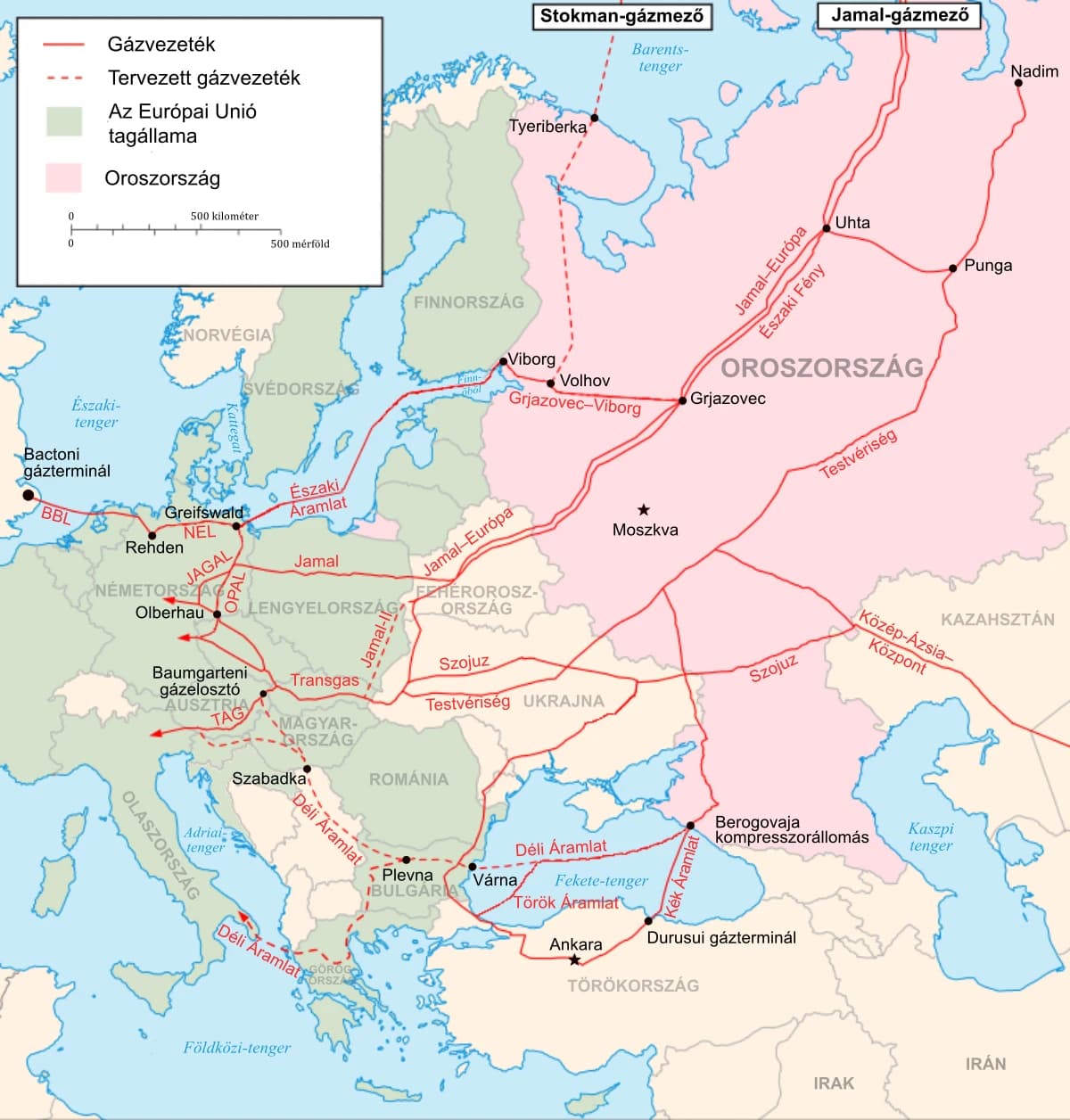
Kremlin spokesman Dmitry Peskov said on Sunday that talks were possible only if there were “willing” buyers in the West and available gas volumes that were not already committed elsewhere. He added that Russia has been increasing sales along alternative routes after European governments cut purchases of Russian fuel following Moscow’s invasion of Ukraine.
Sentiment Indicators
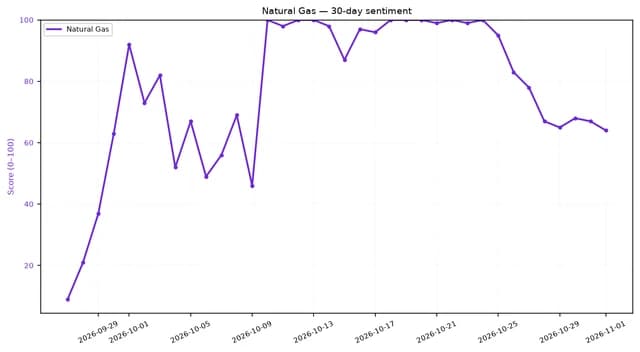
The remarks matter because they point to a market that is still structurally altered, not one on the verge of a return to prewar trade. Even if Europe were to seek more Russian gas, Moscow’s export strategy is now split between maintaining production, servicing domestic demand and allocating molecules to other customers. That makes spare capacity the central constraint, not just diplomacy. Peskov’s comments also underline that any recovery in Europe-Russia gas trade would likely be gradual and selective, rather than a broad restoration of old pipeline flows.
For Europe, the statement keeps alive the possibility of additional supply optionality at a time when energy security remains a policy priority, but it does little to change the investment case for the continent’s LNG buildout, storage and pipeline diversification. Buyers would still need to balance the price advantage of pipeline gas against the geopolitical risk of renewed dependence on Russia.
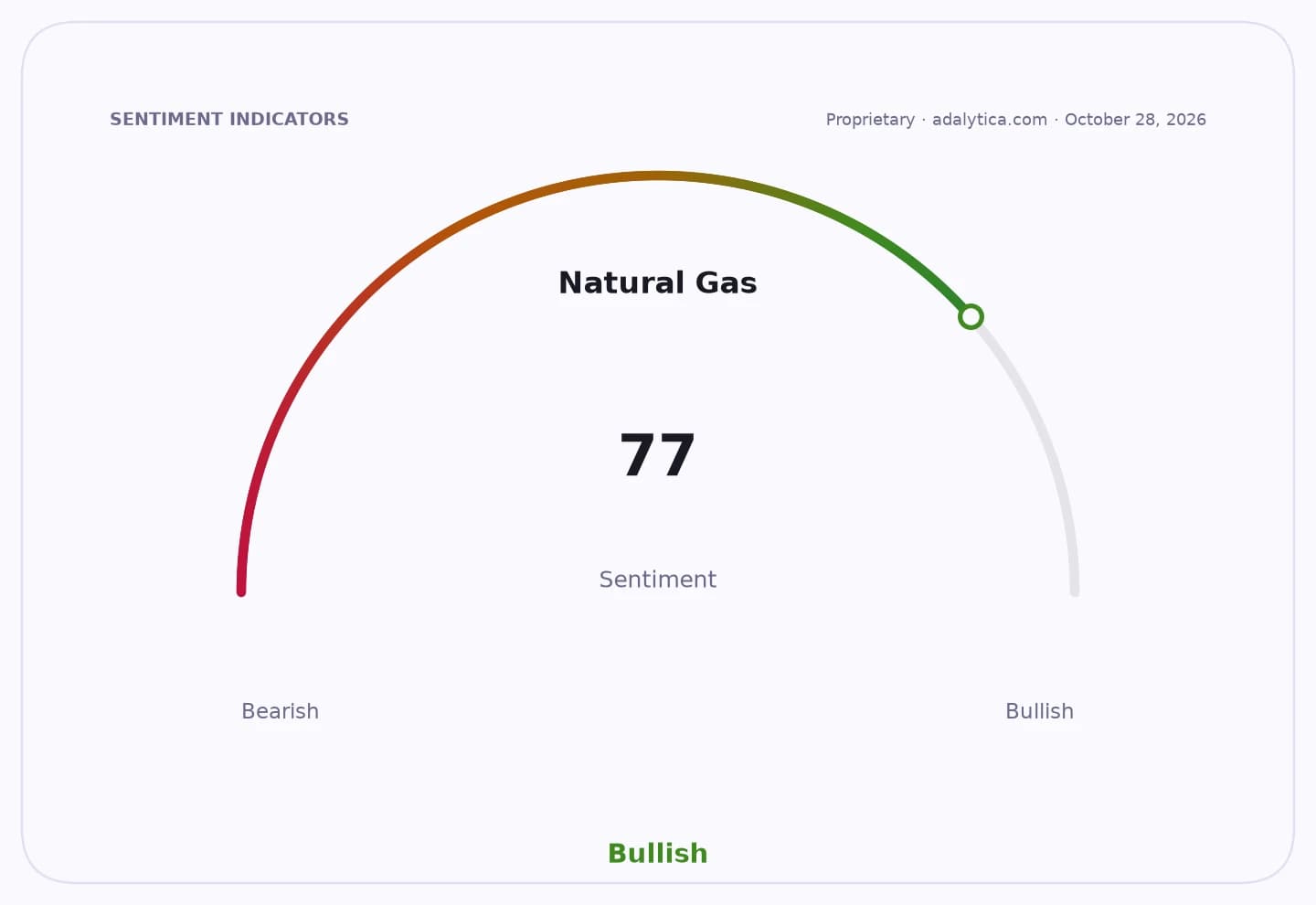
For markets, the immediate read-through is limited. U.S. natural gas proxy UNG has been under pressure, with its latest close at $9.08 on Oct. 30 and a relative strength index near 20, a deeply oversold reading by conventional technical standards. Broader energy equities, tracked by XLE, have been firmer, rising to $70.02, reflecting a market that is still pricing in tight energy supply conditions and geopolitical risk rather than a clean normalization in Russian exports. The dollar has also remained soft in the broader risk backdrop, while oil at about $105 a barrel underscores that energy markets are still trading with a geopolitical premium.
The key issue for investors is whether any political thaw can overcome the commercial reality that Russia has spent more than two years redirecting exports away from Europe. Even if discussions begin, the economics of infrastructure, sanctions, contract terms and available supply suggest that any new gas trade would be incremental rather than transformative.
| Entity | Gains | Losses |
|---|---|---|
| Russia | ▲potential extra export outlet | ▼leverage from scarcity |
| Europe utilities/buyers | ▲possible cheaper pipeline supply | ▼energy-security flexibility |
| LNG exporters | ▲ongoing demand for alternatives | ▼potential loss of European market share |
| Gas traders | ▲volatility and optionality | ▼certainty in supply assumptions |