TotalEnergies is trying to preserve a lucrative piece of the global LNG trade even as Europe moves to cut off Russian gas imports, underscoring how hard it will be to fully sever energy ties with Moscow.
TotalEnergies seeks to trade Yamal LNG after EU ban
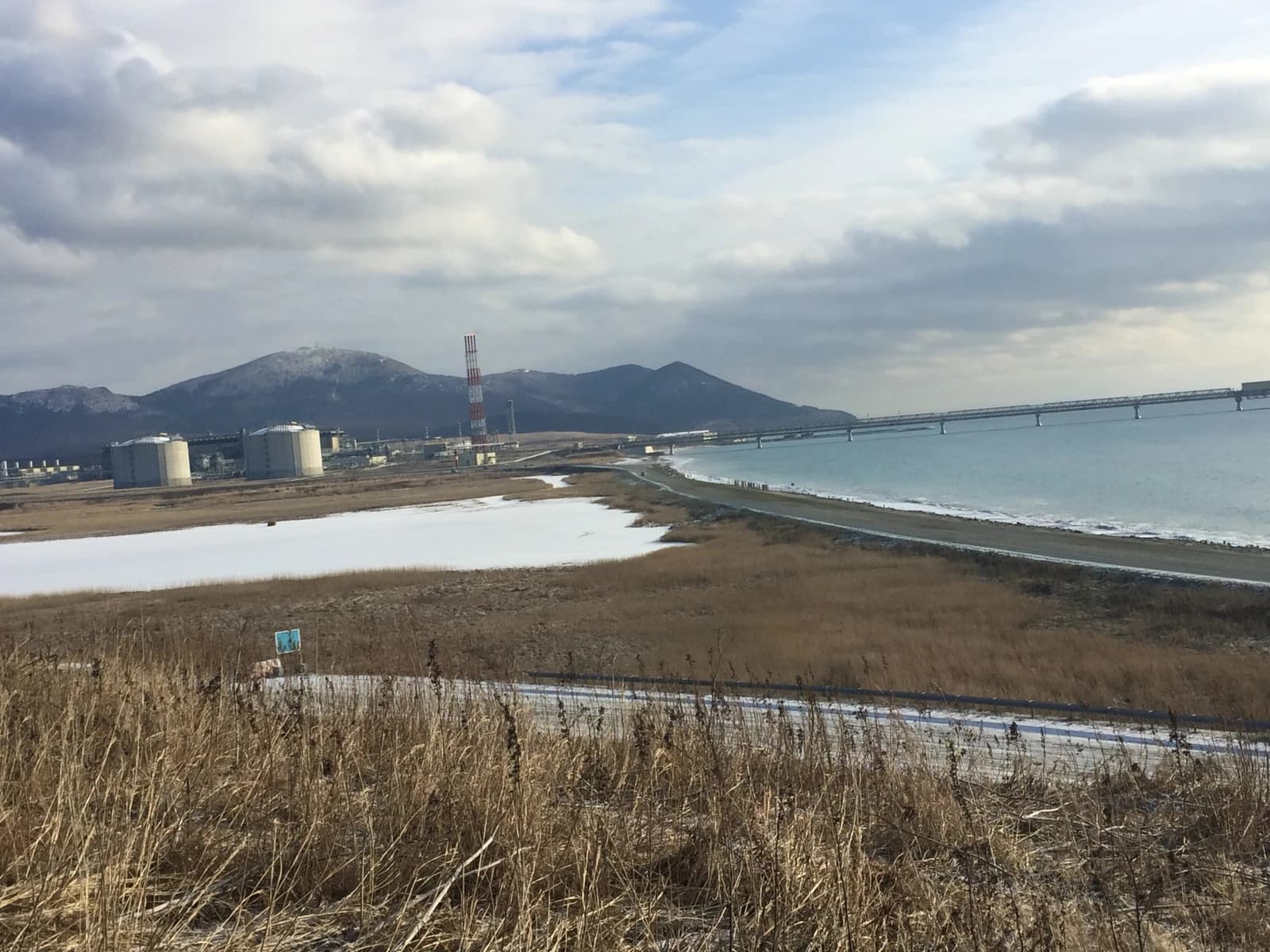
That matters because the French oil major is not just an investor in Russia’s Yamal LNG project — it is also looking to keep handling cargoes after the EU’s long-term import ban takes effect in 2027, with the gas redirected to markets outside the bloc. Novatek chief Leonid Mikhelson said TotalEnergies “very much wants to take everything and sell it,” adding that existing long-term contracts allow European companies to market the fuel under the EU’s 21st sanctions package.
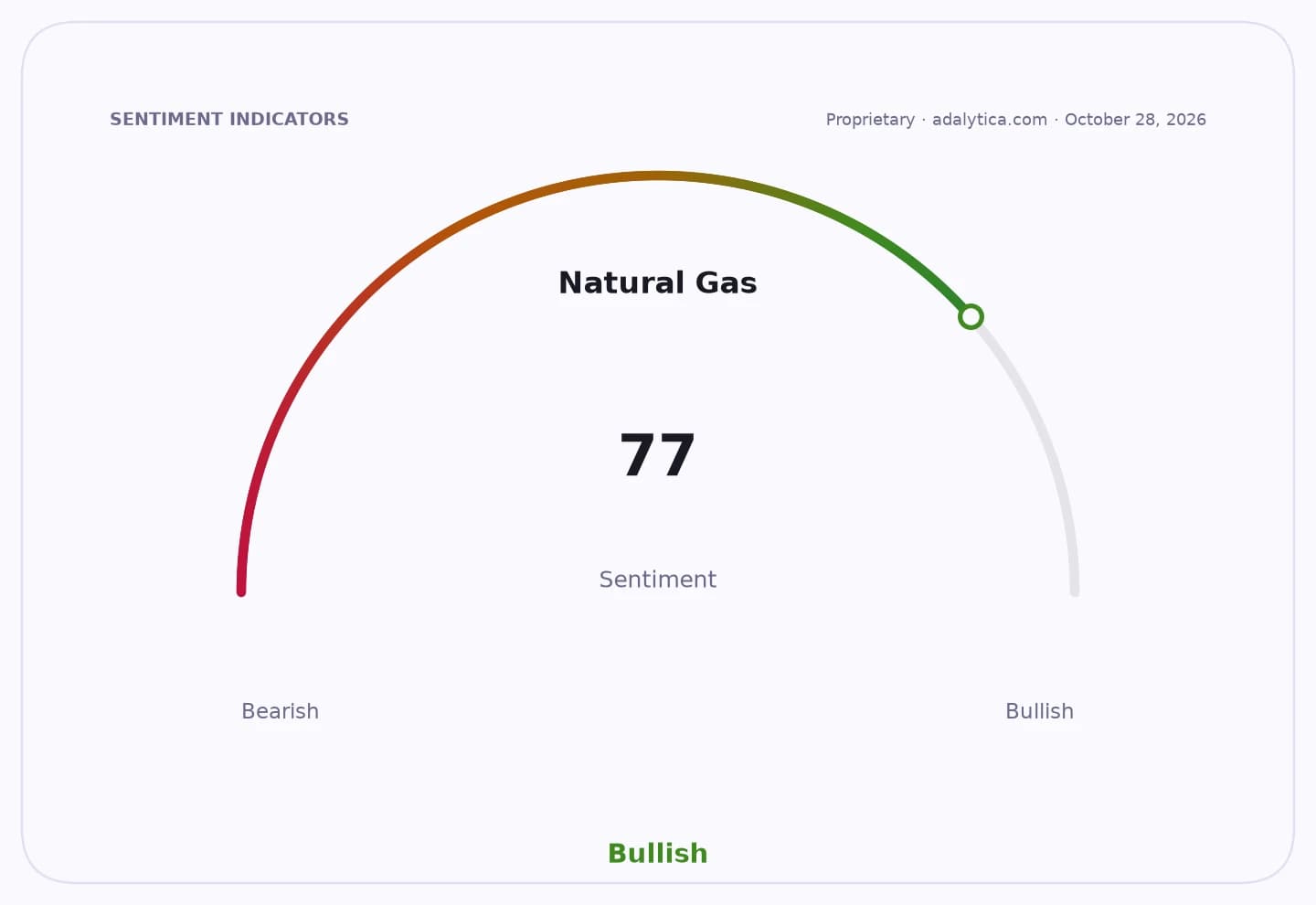
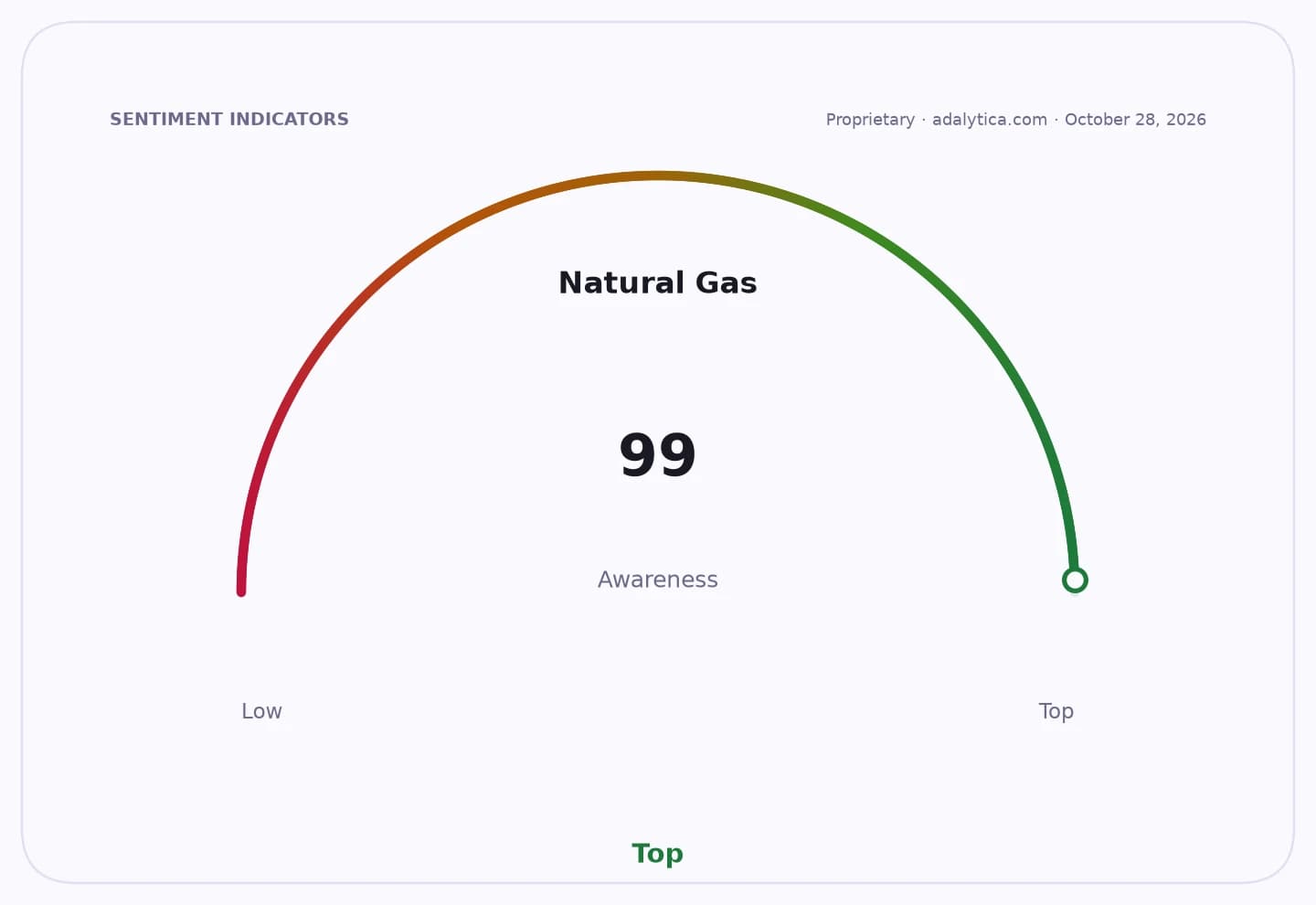
Sentiment Indicators
Natural Gas
For investors, the story cuts two ways. On one hand, it shows TotalEnergies is still trying to extract value from one of the world’s largest LNG projects, Yamal LNG, which has annual capacity of 16.5 million tonnes and counts TotalEnergies, Novatek, CNPC and SRF among its owners. On the other, it highlights the reputational and regulatory risk that comes with keeping Russian barrels — or in this case cargoes — moving through the system after Europe’s 2027 cutoff.
The economic logic is straightforward. LNG is scarce, demand is rising into winter, and prices have been under pressure from geopolitics and tight supply. That makes every available cargo more valuable, especially when buyers outside Europe can still absorb the volumes. For a major like TotalEnergies, the opportunity is not just to own a stake in production, but to participate in trading, logistics and destination optionality — the kinds of businesses that can turn a commodity asset into a compounding cash generator over years.
The regulatory backdrop is what makes this interesting. The EU has approved a phased ban on Russian gas imports, with short-term LNG contracts barred from April 2026 and long-term LNG contracts from Jan. 1, 2027. But the grey area, as TotalEnergies chief Patrick Pouyanné has already pointed out, is whether European companies can keep trading Russian LNG outside the bloc once those import bans begin. That ambiguity is now becoming a real profit question, not just a legal one.
The broader picture is that Europe is still trying to balance energy security, sanctions policy and price stability. TotalEnergies is acting like a company that expects Russian LNG to remain part of the global market, even if Europe itself is no longer the destination. For long-term investors, that means the key questions are less about one shipment and more about whether TotalEnergies can keep monetizing its LNG portfolio while navigating political risk. It is worth watching, especially for those who think in years, not quarters.
| Entity | Gains | Losses |
|---|---|---|
| TotalEnergies | ▲Trading revenue and asset value | ▼Sanctions and reputational risk |
| Novatek / Yamal LNG | ▲Better access to non-EU buyers | ▼More scrutiny from regulators |
| EU policymakers | ▲Tighter import controls | ▼Limited leverage over destination sales |
| European LNG buyers | ▲Less Russian supply exposure | ▼Higher replacement costs |