Indonesia is weighing whether to curb gas exports to countries it says do not respect its sovereignty, a move that could tighten regional supply and sharpen scrutiny of the country’s energy trade policy.
Indonesia Reviews Gas Export Contracts
Natural Gas
Energy and Downstreaming Minister Bahlil Lahadalia said on Thursday the government would review energy and gas export contracts with foreign buyers and could halt shipments to nations deemed uncooperative. The warning matters because it introduces policy risk into a market already facing fragile supply conditions and winter-demand concerns across Asia and Europe.
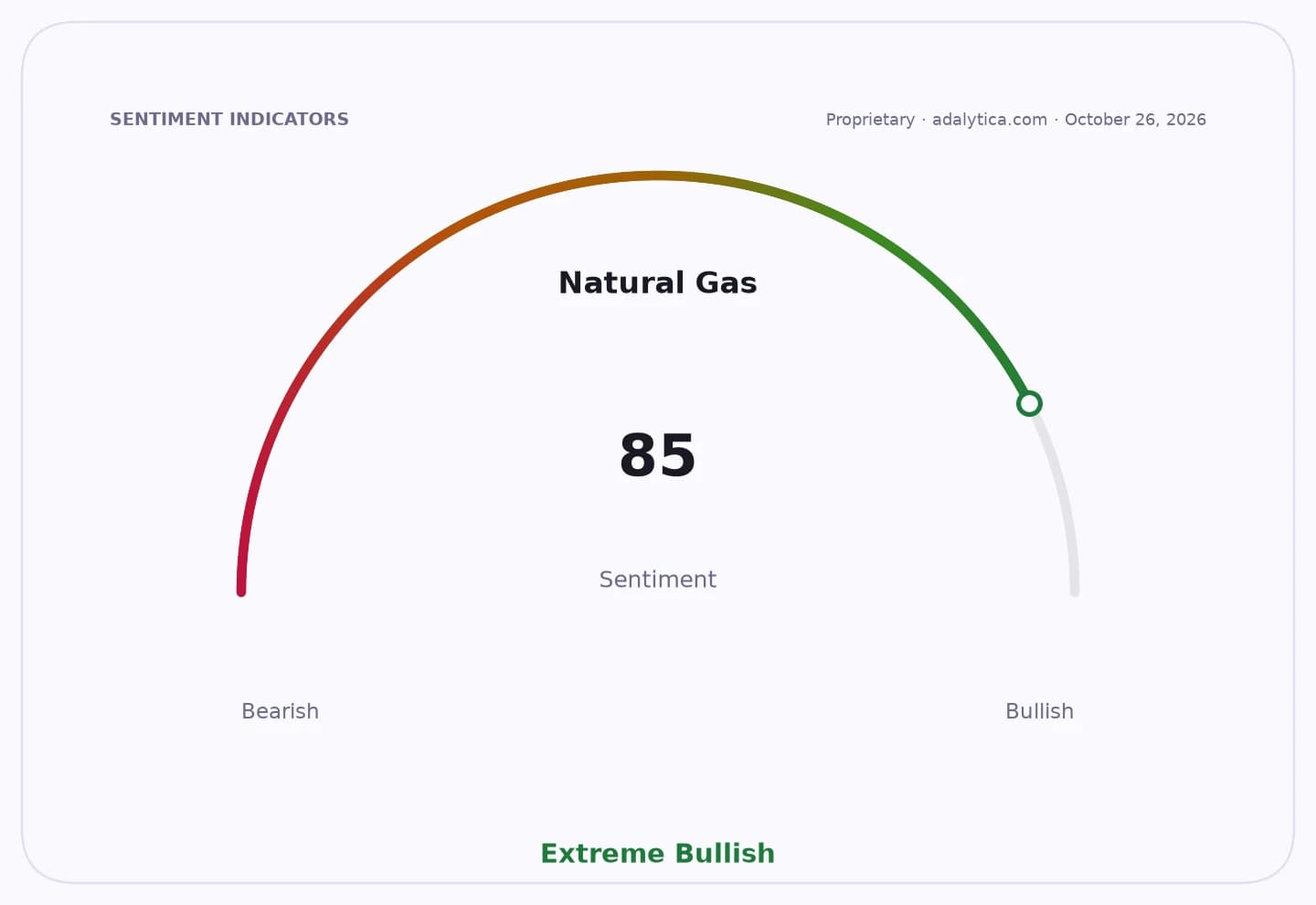
Sentiment Indicators
Bahlil said Jakarta would prefer to resolve disputes through dialogue, but stressed that countries should not seek supplies from Indonesia only when they need them. He added that Indonesia remains willing to work with partners that maintain mutually respectful relations.
Any move to restrict exports would carry broader economic consequences for Indonesia, which uses commodity trade to support foreign-currency earnings and project influence as a regional energy supplier. It would also reinforce a growing global pattern of governments using gas as a strategic lever, alongside export bans and rationing seen in other producing countries.
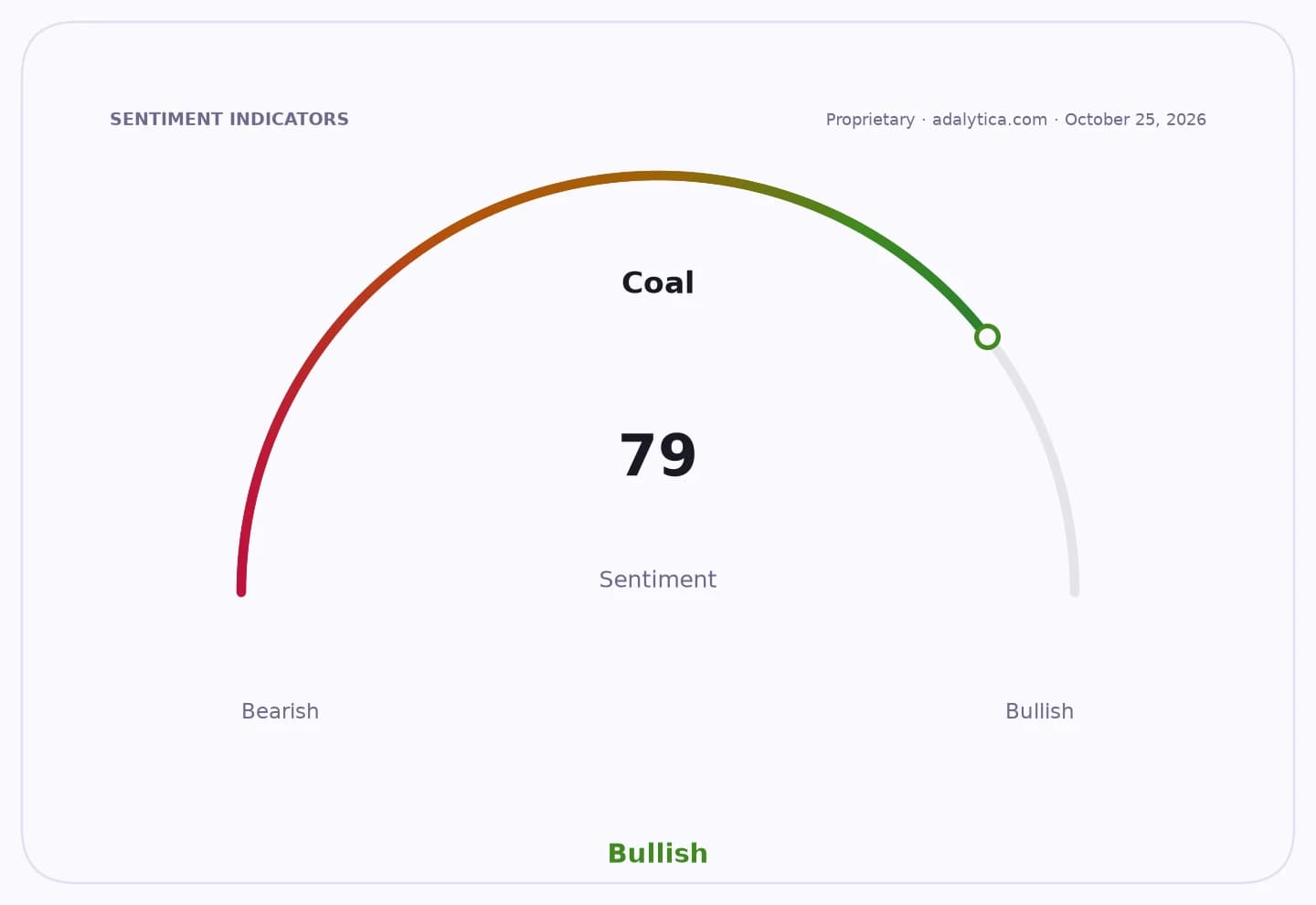
Natural Gas — 30-day sentimentadalytica.com
Explore this data interactively — full history, time series and cross-market comparisons.
For investors, the headline risk sits with the LNG and gas supply chain, where even rhetorical threats can lift volatility in spot markets and send buyers looking for alternate cargoes. The backdrop is already constructive for gas prices, with Adalytica’s Natural Gas Market Trade Signals showing sentiment at 83 and awareness at 99, while U.S. LNG producer Cheniere and upstream names such as EOG Resources and ConocoPhillips have been trading near elevated levels as investors price in durable export demand.
The policy threat also lands at a time when global gas markets are tight enough to make contract reliability a central investment issue. Reuters-reported market context points to Europe preparing to pay up for storage ahead of winter, while other producers including Kazakhstan have also moved to limit exports, underscoring how geopolitical decisions continue to shape supply more than geology alone.
Bahlil did not specify which contracts would be reviewed or whether any shipments would be immediately affected. The key catalyst now is whether Jakarta turns the warning into concrete trade restrictions, which would have implications for buyers, traders and LNG-linked equities.
| Entity | Gains | Losses |
|---|---|---|
| Indonesia / government | ▲stronger bargaining leverage | ▼export revenue risk |
| Respectful gas buyers | ▲continued supply access | ▼little immediate downside |
| Disrespectful foreign buyers | ▲none | ▼potential supply cuts |
| LNG traders and buyers | ▲alternative supply premiums | ▼higher volatility and costs |