Gazprom’s insistence that gas flows to Europe will resume only if there is fresh customer demand underscores how fragile the region’s energy security remains even after the immediate 2022 crisis faded. With benchmark natural gas prices now back near 100 euros a megawatt-hour, the highest since the invasion-driven shock, the market is once again pricing in the risk that supply disruptions and geopolitics can overwhelm Europe’s ability to secure fuel.
Gazprom ties Europe gas flows to new demand
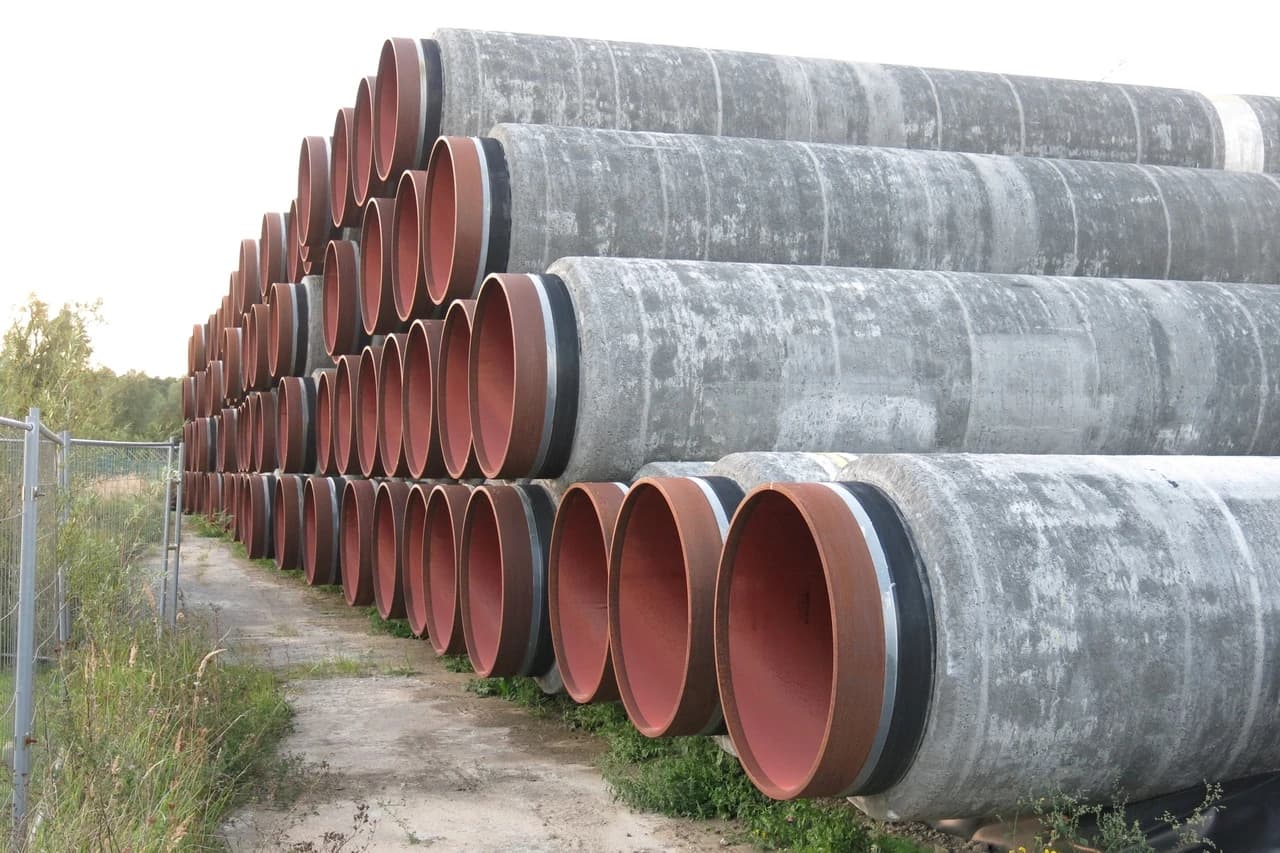
The timing matters because Europe enters the heating season with the memory of last winter’s scramble still fresh, and with little room for complacency. A Russian supply return would have to be commercially viable and politically acceptable, which makes it far less likely than before the war. Gazprom’s message, in effect, is that Europe cannot count on a quick normalization of Russian pipeline flows as a stabilizing backstop.
Sentiment Indicators
For investors, the implications cut across gas, power and energy equities. European utilities and industrial users face another round of cost pressure if elevated gas prices persist, while LNG-linked producers and exporters stand to benefit from a tighter market. The move also reinforces the case for holding exposure to North American gas names and LNG infrastructure, where demand has been supported by Europe’s ongoing diversification away from Russian supply.
The price action in energy markets reflects that tension. Front-month natural gas has surged sharply in recent weeks, while the broader energy complex has also firmed, with XLE trading near 68.45 and Shell around 105.19 as oil and gas companies continue to benefit from resilient commodity pricing. The U.S. oil benchmark has held above $105 a barrel, a reminder that the market is still attaching a geopolitical premium to fossil fuels even as macro growth risks and high rates restrain demand.
Natural Gas
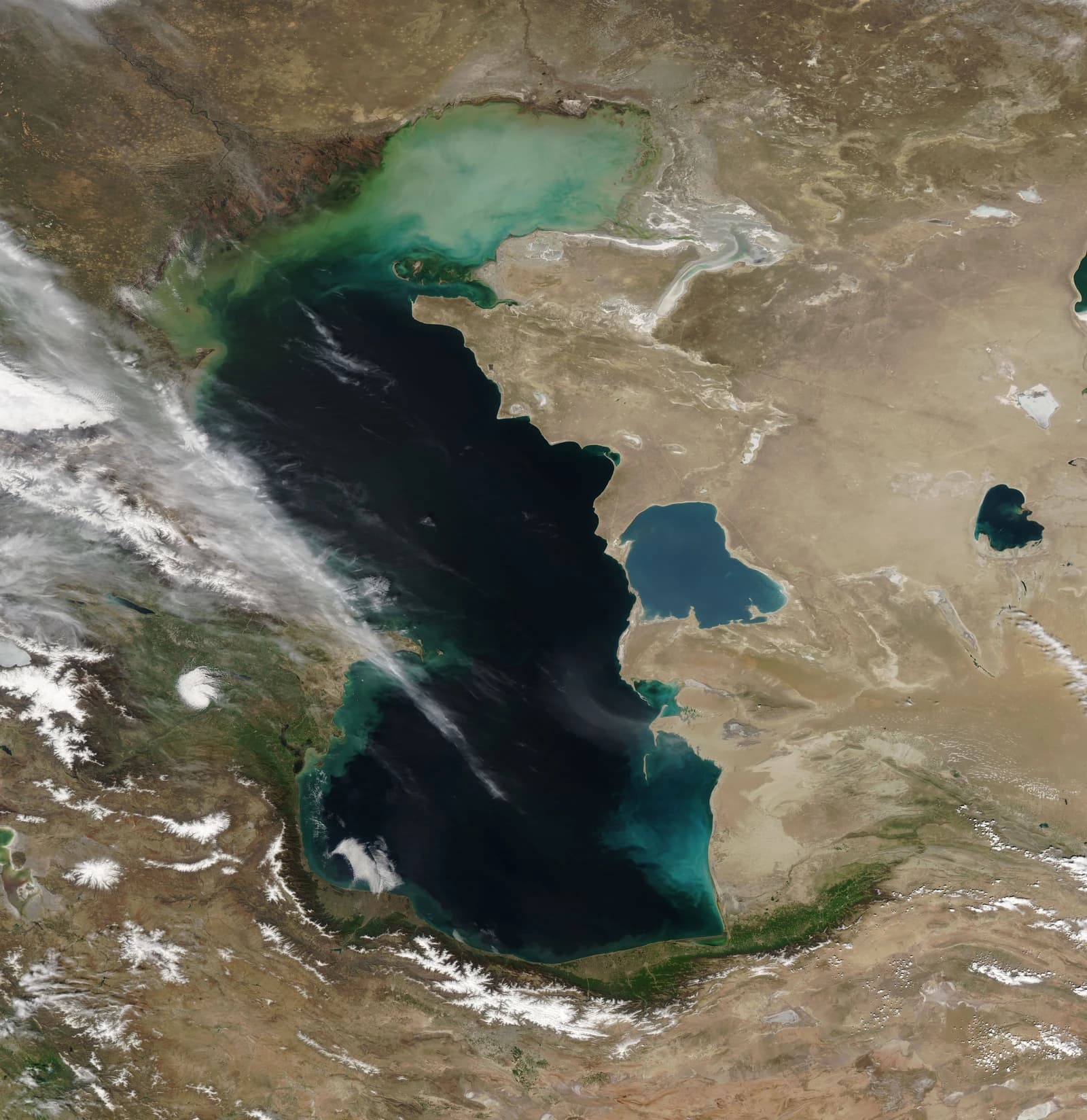
In Europe, the policy response is still a patchwork of stopgaps rather than a structural solution. The UK’s approval of the long-delayed Jackdaw project adds domestic supply, but it does little to offset the region’s broader dependency on imported gas. Central Asian proposals for a new $5 billion gas network point to the same conclusion: countries are trying to build alternative supply routes because the old assumptions about Russian energy are gone.
The near-term question for markets is whether high prices force enough demand destruction to cool the rally or whether fresh winter supply anxiety pushes gas even higher. For now, Gazprom’s condition for a restart keeps Europe’s energy market in a state of contingent scarcity, where every diplomatic signal can move prices and every cold spell can reprice risk.
| Entity | Gains | Losses |
|---|---|---|
| Gazprom | ▲Optionality on future sales | ▼Near-term revenue certainty |
| European utilities and industrial users | ▲Potential supply if demand is renewed | ▼Higher fuel costs |
| LNG exporters and North American gas producers | ▲Stronger export demand | ▼Less pricing relief if Europe reopens Russian flows |
| European consumers | ▲More supply routes over time | ▼Persistent volatility and inflation pressure |