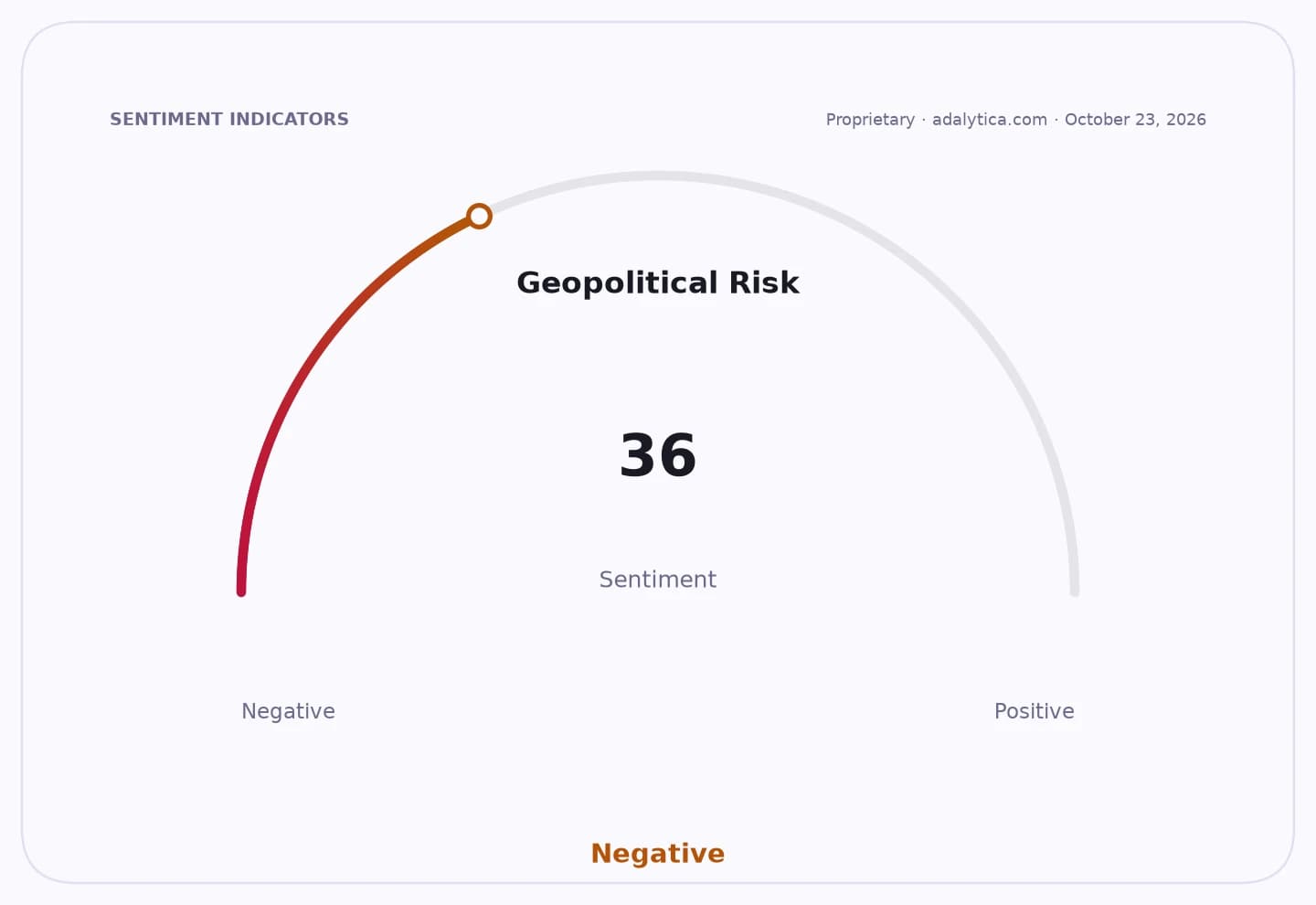
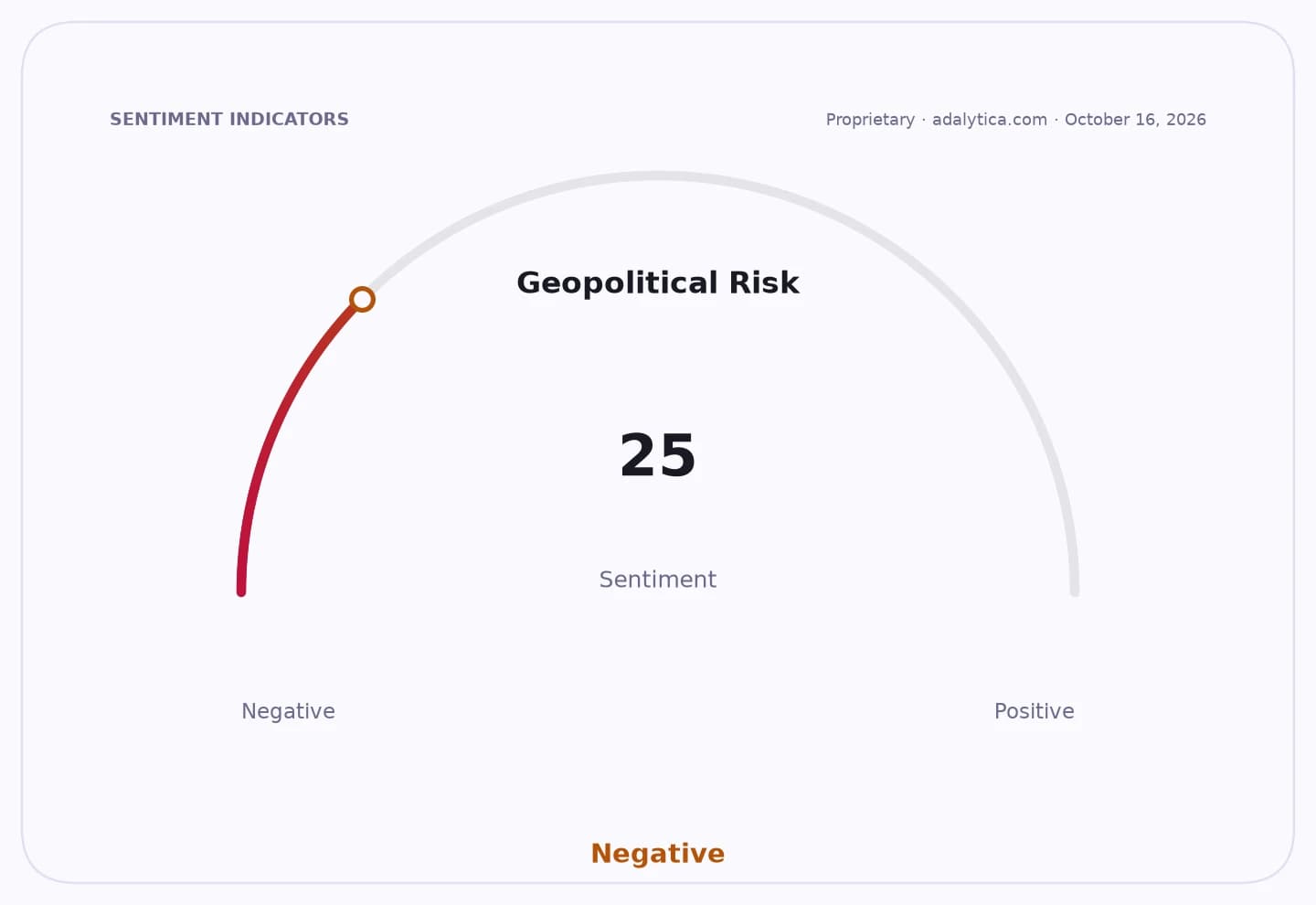
Russia’s renewed assault on Ukraine’s power grid is keeping Europe’s energy markets in a geopolitically charged holding pattern, even as traders have been quick to fade the risk premium in fuel prices.
Russia attacks Ukraine grid, energy markets stay tense
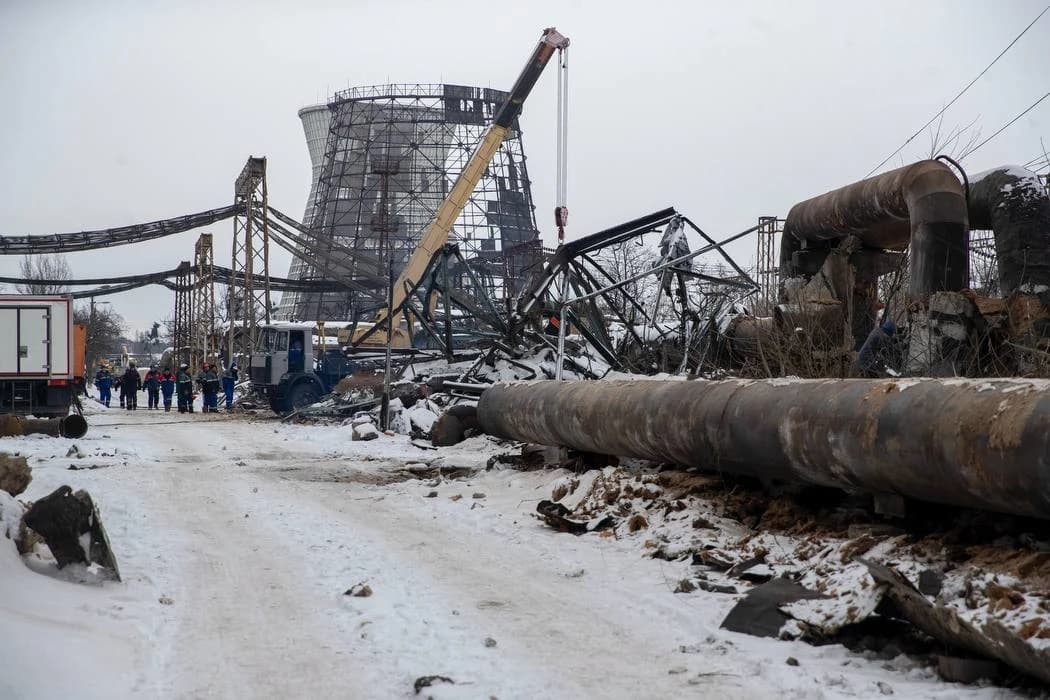
President Volodymyr Zelensky said Moscow had launched 76 attacks on Ukraine’s electricity, oil and gas infrastructure in the week after Donald Trump announced a halt to strikes on energy facilities. The latest attacks hit substations in Vinnytsia, Zhytomyr, Khmelnytskyi and Odesa, underscoring that energy infrastructure remains one of the war’s primary battlegrounds.
Sentiment IndicatorsⓘProprietary · adalytica.com · October 21, 2026
This is a snapshot — live sentiment, awareness and momentum for 130+ markets update continuously in the dashboard.Open AlphaPulse
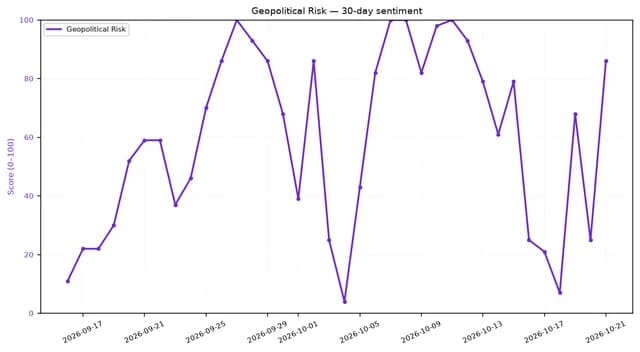
That matters economically because Ukraine’s grid is not just a domestic utility issue. Repeated strikes raise the probability of wider disruption to regional energy flows, emergency fuel imports, industrial slowdowns and higher costs for households and businesses already under strain. They also make any ceasefire around energy assets less credible, which keeps the conflict’s spillovers into European power and fuel pricing alive.
For investors, the message is that war risk in energy has not disappeared — it has simply shifted from a headline shock to a persistent supply-risk overhang. That tends to support beneficiaries such as oil producers, LNG-linked assets and energy equities, while leaving consumers, airlines and energy-intensive industries exposed to sudden price spikes if the conflict escalates or winter demand tightens the market.
The market is already showing signs of that tension. U.S. energy stocks, as tracked by XLE, have pushed higher, with the ETF closing at 68.16 and holding well above its 50-day and 200-day moving averages. By contrast, the United States Natural Gas Fund has slipped to 9.97, below its 50-day average, suggesting traders are still pricing abundant supply even as geopolitical risk persists. That disconnect is exactly where opportunity often appears before consensus catches up.
The broader narrative is straightforward: Russia is using energy infrastructure as leverage, Ukraine is trying to blunt the pressure on its grid, and the West is still struggling to turn rhetoric about protected energy targets into a durable ceasefire. Until that changes, energy security remains a market variable, not a background issue.
For investors, the asymmetric trade is to stay aligned with hard assets and energy cash flows rather than assume geopolitical calm. Any escalation that threatens supply routes or European fuel balances could quickly reprice oil, gas and defense-linked assets.
| Entity | Gains | Losses |
|---|---|---|
| Energy producers | ▲Higher geopolitical risk premium | ▼Consumers and industrial buyers |
| XLE and oil equities | ▲Support from supply fears | ▼Energy-sensitive sectors |
| UNG / natural gas traders | ▲Volatility opportunity | ▼Short-term bullish complacency |
| Ukraine’s grid and households | ▲International attention | ▼Power reliability and reconstruction costs |