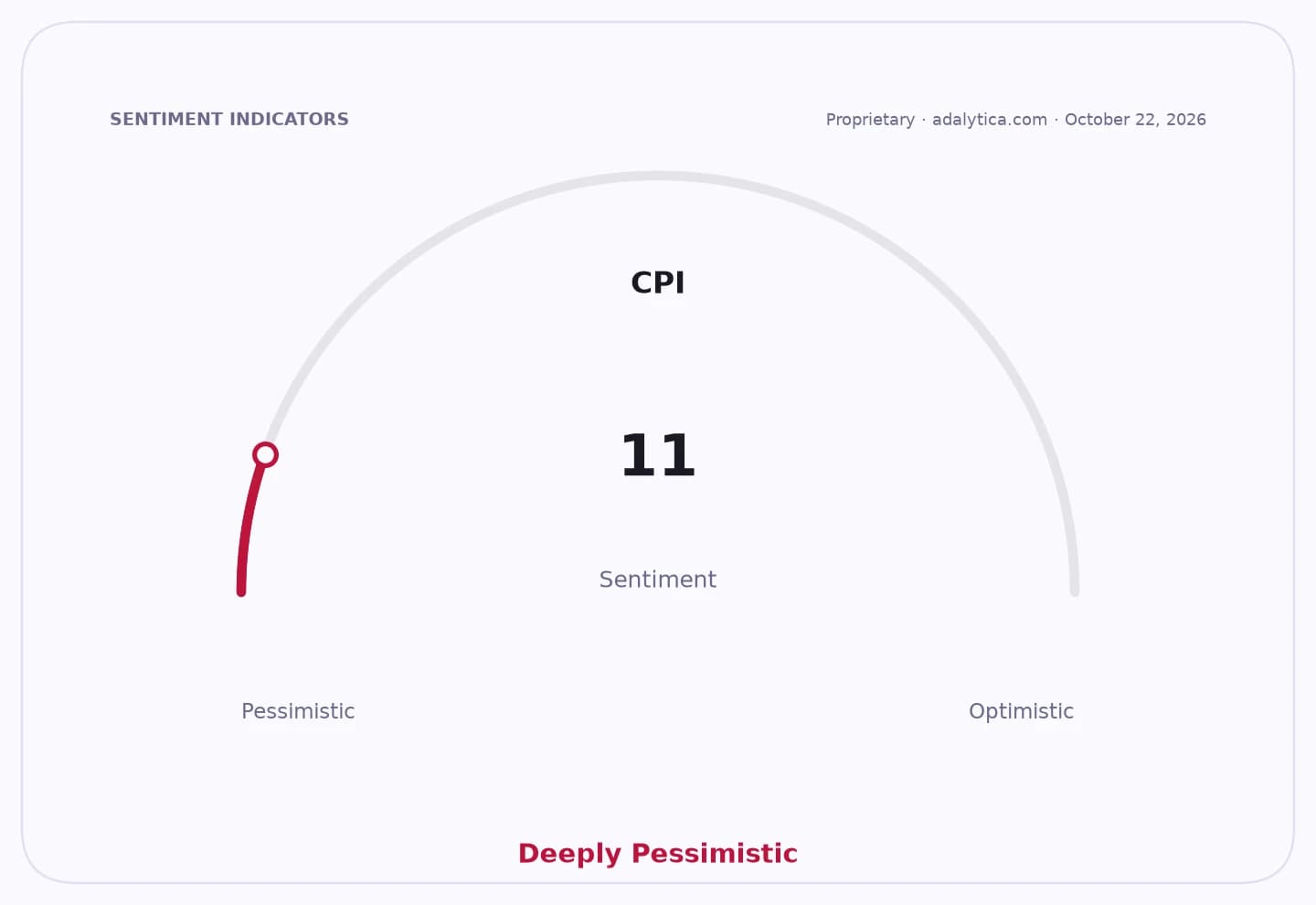
Greece is still facing one of the euro area’s sharpest inflation burdens, with consumer prices running at 5.6%, a reading that keeps pressure on household spending and complicates the country’s recovery.
Greece Inflation Stays High at 5.6% as Spending Slips

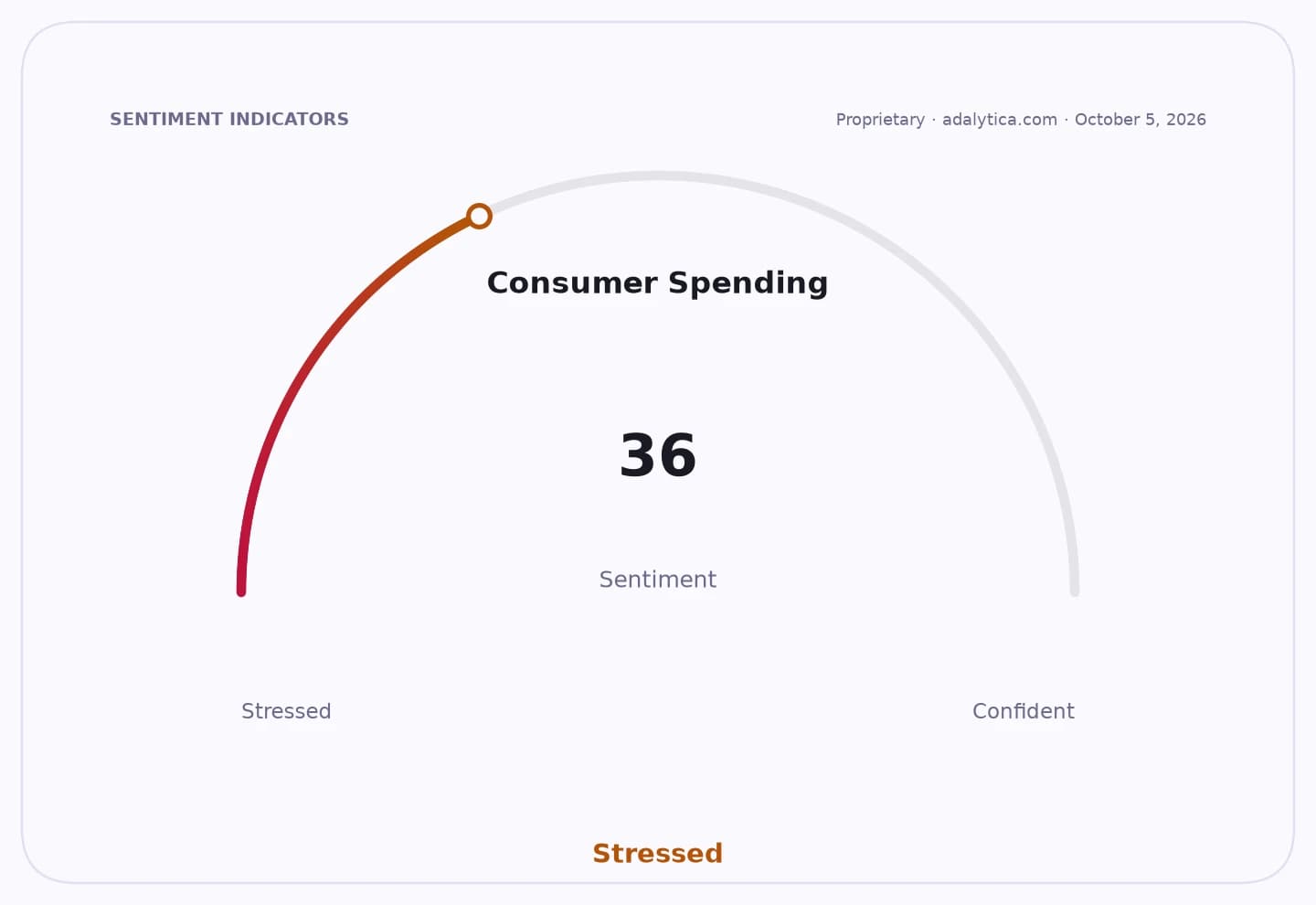
The persistence of inflation matters economically because Greece’s inflation rate remains well above the eurozone average and erodes real incomes in an economy already challenged by low wages and high living costs. For consumers, that means everyday essentials continue to absorb a larger share of income even after the government moved to cut prices on more than 2,000 supermarket items.
Sentiment Indicators
For investors, sticky inflation is a warning that Greek consumers may keep pulling back on discretionary spending, even as policymakers push growth-supporting measures such as €325 million in smart-city projects across 332 municipalities. That mix leaves the outlook for retailers, consumer lenders and domestically exposed companies tied to whether wage growth and public investment can offset the drag from food and housing costs.
The broader narrative is that Greece’s recovery is being built alongside, not after, a cost-of-living squeeze. With housing costs taking more than 40% of income for many households and wages still among the lowest in the EU, inflation is not just a macro statistic but a direct hit to consumption, sentiment and the durability of the rebound.
That keeps attention on the next inflation prints and on whether tax relief, price cuts and public investment can ease household strain fast enough to support demand into year-end.
| Entity | Gains | Losses |
|---|---|---|
| Greek government | ▲Gains political cover from relief measures | ▼Faces pressure to contain prices |
| Consumers | ▲Gain from supermarket price cuts | ▼Lose purchasing power from 5.6% inflation |
| Retailers | ▲Gain from targeted demand support | ▼Lose if households keep trading down |
| Domestic growth outlook | ▲Gains from smart-city spending | ▼Loses if inflation suppresses consumption |