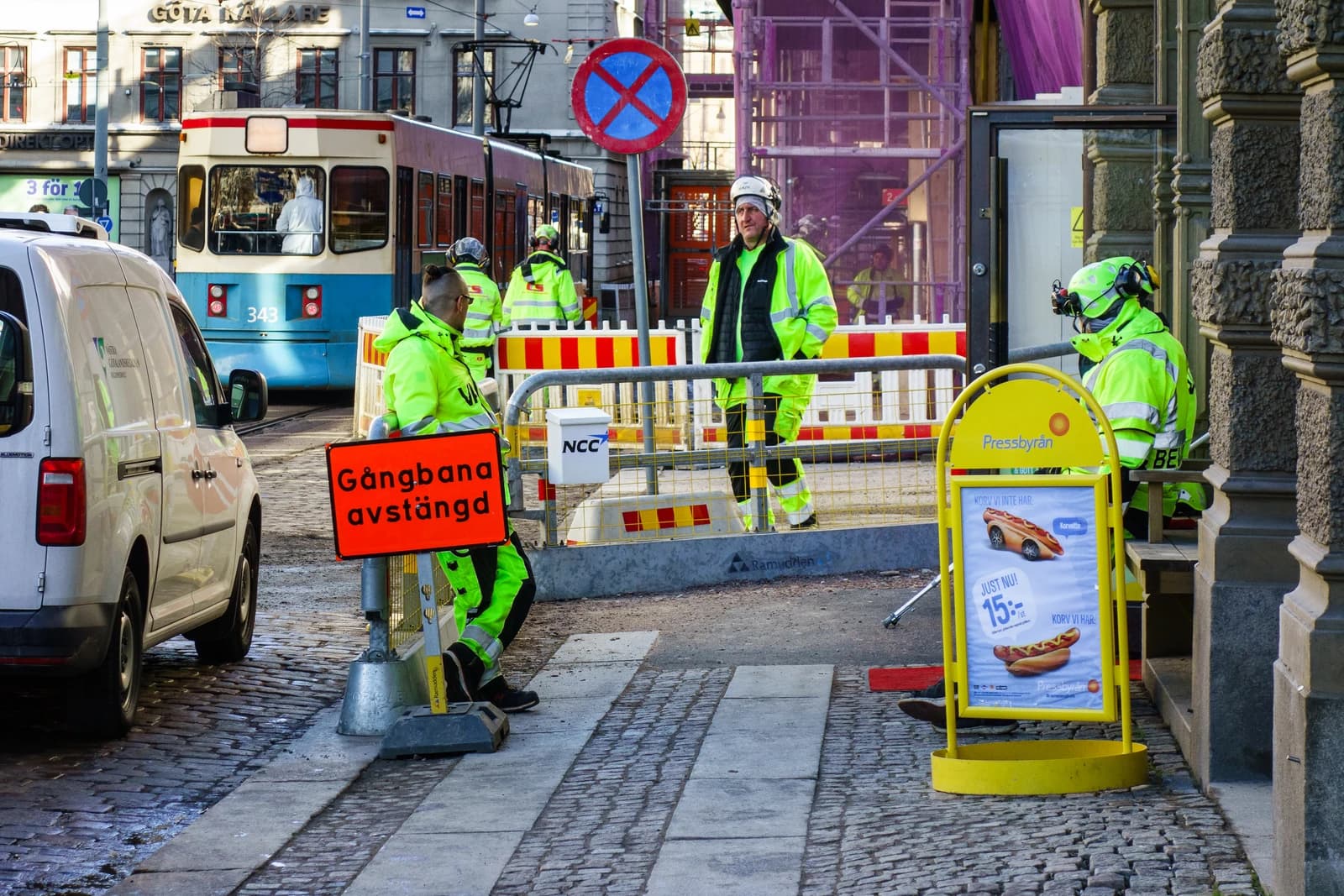
Sweden’s labor market looks to be finding its footing again, and the clearest sign is in the country’s blue-collar workhorse sectors: construction, transport and logistics are all seeing stronger hiring after a long slump.
Sweden job ads rise as construction hiring improves
That matters because jobs are one of the last places you want weakness to linger when an economy is trying to recover. When employers start posting more openings, it usually means they are not just hopeful about demand — they are willing to commit to it. For households, that can translate into better wage prospects and more confidence to spend. For investors, it is a sign that Sweden’s domestic economy may be stabilizing after a bruising stretch of inflation, higher rates and geopolitical shocks.
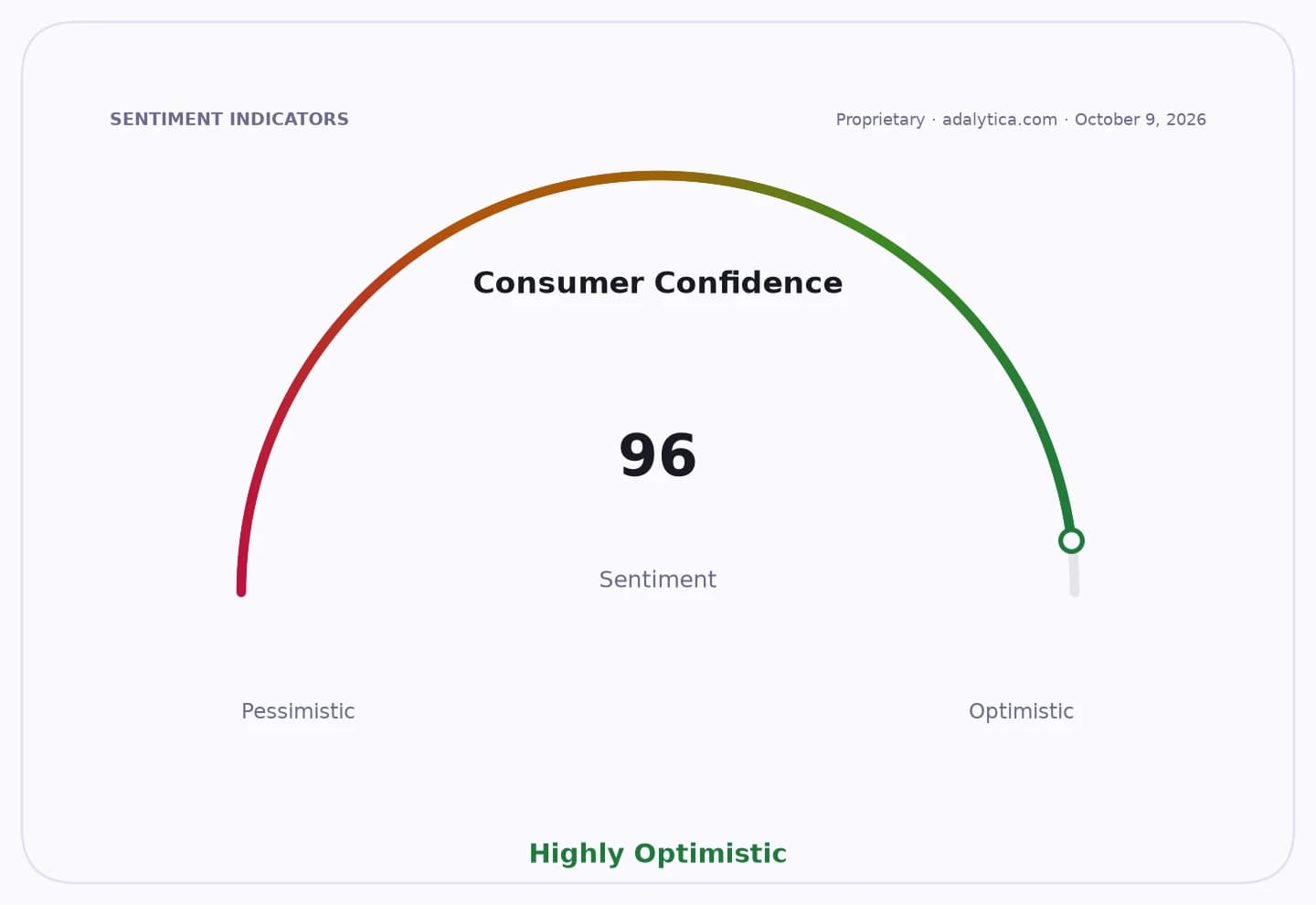
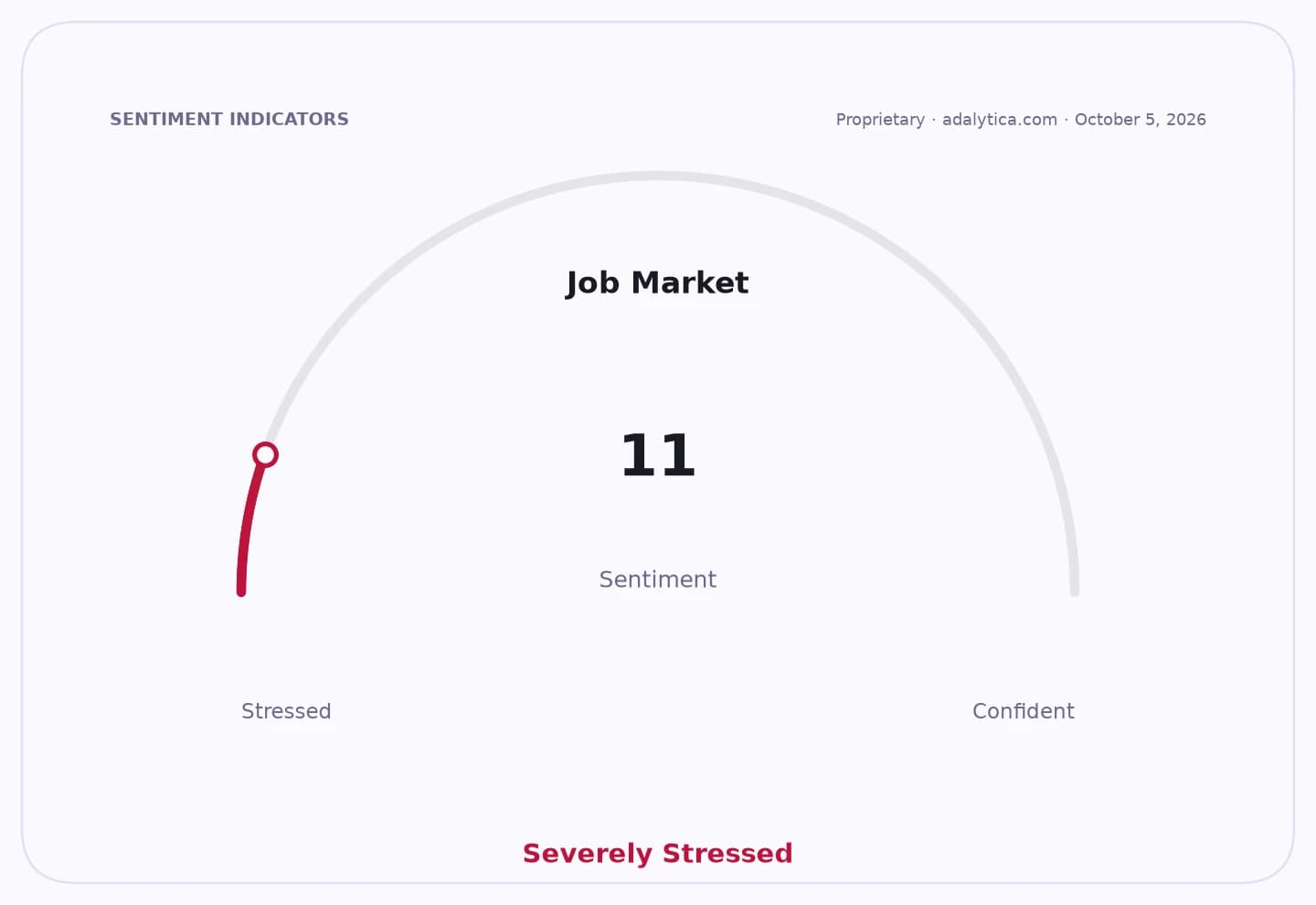
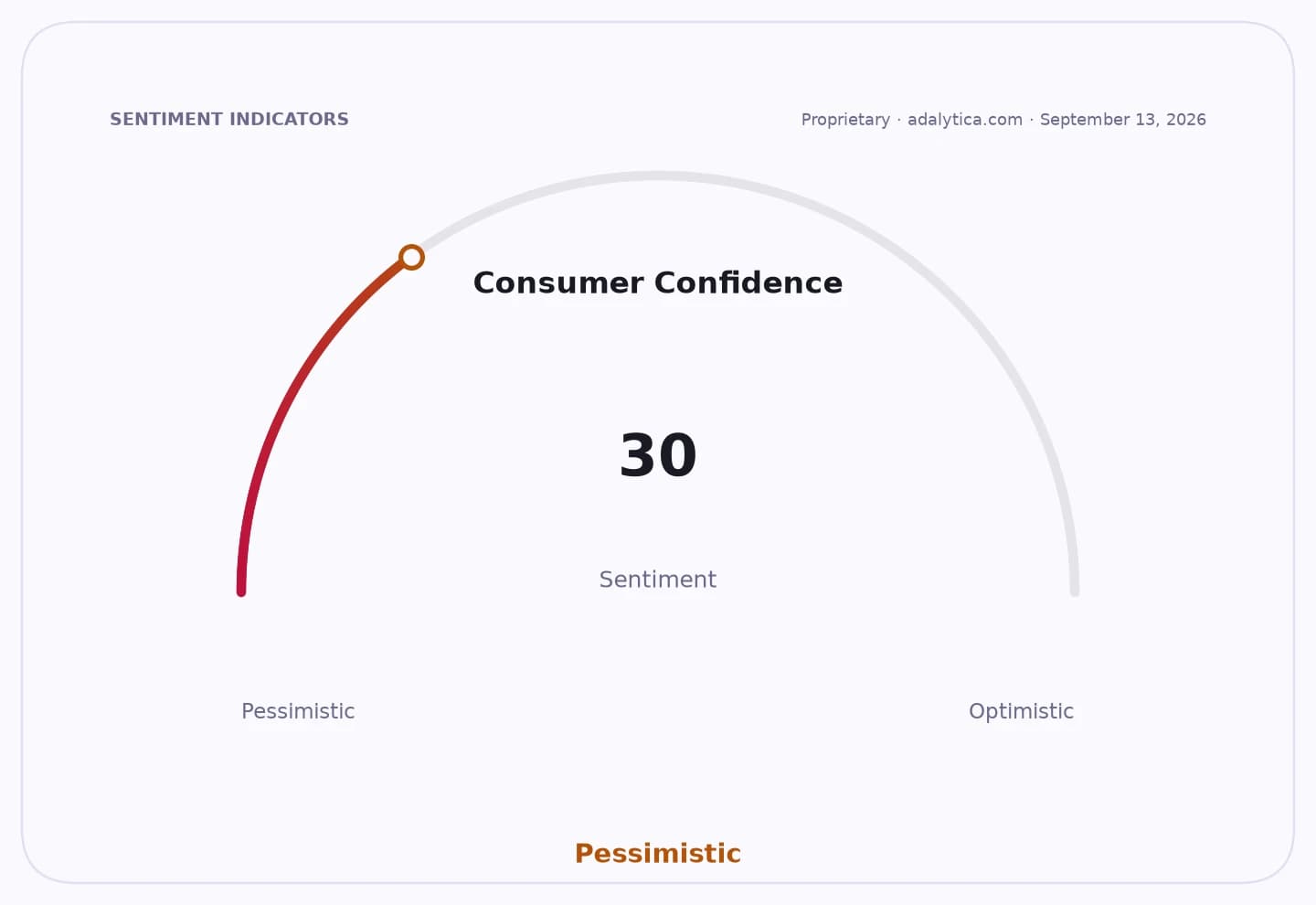
Sentiment IndicatorsⓘProprietary · adalytica.com · October 15, 2026
This is a snapshot — live sentiment, awareness and momentum for 130+ markets update continuously in the dashboard.Open AlphaPulse

New data from Jobbsafari, one of Sweden’s biggest private job-ad platforms, show total job ads rose 1.7% in September from a year earlier. More importantly, the number of employers advertising climbed 3.8% overall, and jumped 15.8% in construction. Within the broad labor market, building and civil engineering stood out with a 22% increase in vacancies.
That is a meaningful shift because construction often leads the cycle. When builders start hiring, it tends to ripple outward into suppliers, transport firms, equipment makers and services tied to new projects and maintenance. Anita Rae, Jobbsafari’s labor market chief, said the long decline in the platform’s data may now be broken and described the change as a “stabilization” and “an incredibly positive sign” that the labor market is recovering.
The recovery is not evenly distributed, though. The strongest improvement is still concentrated in practical and union-heavy LO occupations, while white-collar hiring remains weaker. Service and hospitality had nearly 15% more ads than a year earlier, but that category was still down 2.4% year to date. Transport, warehousing and logistics rose 12% in September and are up for the year, while healthcare was down 1.8% last month. Sales and retail remain soft, with ads down 13.9% in September and 16.6% year to date. Data, IT, finance, administration and office jobs also stayed in the red.
That split matters economically. A broad labor-market rebound usually reaches salaried jobs too; when it does not, it suggests the recovery is still uneven and consumption may improve only gradually. But for investors who follow Sweden through the lens of domestic demand, the latest figures still point in the right direction. A better construction cycle can support everything from housing-related suppliers to industrials and logistics. It can also help offset pressure from sectors tied more directly to corporate cost-cutting, including finance.
The backdrop explains why the improvement is encouraging. Sweden’s labor market had been slow to respond even after the economy turned up again, with Jobbsafari saying monthly ad volumes had trailed year-earlier levels for three straight years as inflation, high rates, tariffs and war-related uncertainty weighed on hiring. Since May, however, the trend has started to turn.
For long-term investors, the takeaway is simple: Sweden may be entering a more constructive phase, but the recovery is still early and uneven. If construction and other traditional LO sectors keep leading, the hiring pickup could widen into a more durable domestic upswing. That would be worth watching not for one month’s data, but for what it might mean over the next several quarters for Swedish growth, wages and consumer spending.
| Entity | Gains | Losses |
|---|---|---|
| Construction and civil engineering firms | ▲More hiring demand | ▼Scarcity easing for workers |
| LO blue-collar workers | ▲More vacancies | ▼Less bargaining pressure if supply rises |
| Swedish domestic economy | ▲Signs of recovery | ▼Persistent weakness in white-collar hiring |
| Sales, IT, finance and admin employers | ▲— | ▼Softer hiring trend |