Lisbon’s housing crisis is moving from an affordability problem to a political one, with city hall now trying to defuse street protests without inflaming them.
Lisbon housing protests raise policy pressure
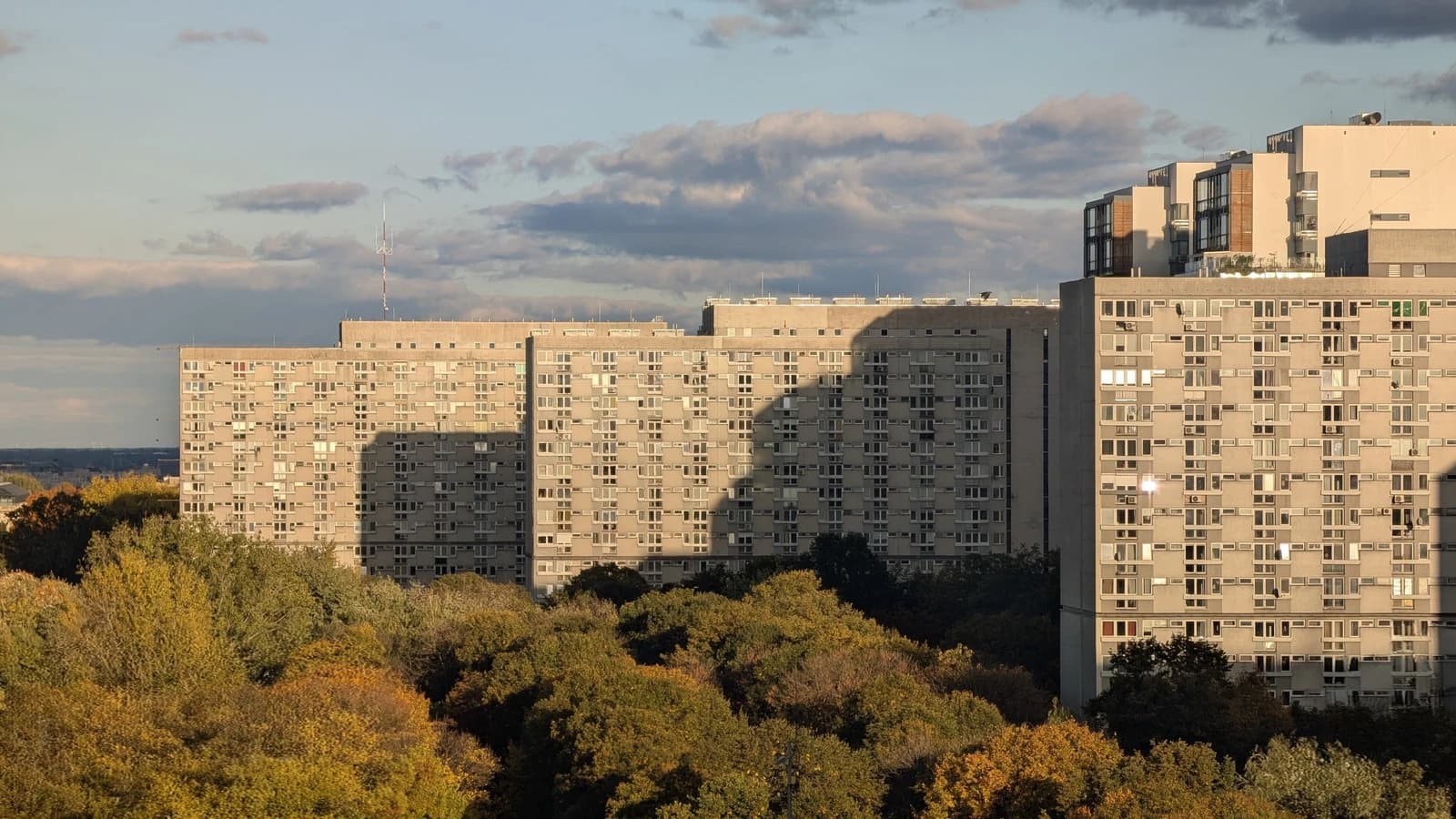
Carlos Moedas, the Lisbon mayor, said the rally over soaring rents is “a fair cause” but insisted demonstrators respect the law after police intervened in Porto when protesters camped out against housing costs and the wider cost-of-living squeeze. That balance matters because the housing shortage is no longer just a social grievance in Portugal’s biggest cities — it is becoming a test of municipal authority, police restraint and the credibility of local policy responses.
Moedas is trying to occupy the narrow ground between sympathy and order. He says the cause is legitimate, but tents cannot take over public space “in all places, every day.” That line is aimed at preventing the housing issue from turning into a broader challenge to city governance. For investors, the message is that policy risk around housing is rising, but so is the pressure on officials to accelerate supply rather than rely on enforcement.
The economic problem is deepening. Moedas said Lisbon saw almost no construction between 2010 and 2020, describing it as a “lost decade,” even as the city has now committed 560 million euros to housing projects and has delivered more than 3,500 homes. That scale of spending underscores how badly supply has lagged demand. Across Europe, tight housing markets are pushing rents higher, feeding wage pressure and eroding disposable income, especially in cities where migration, tourism and limited land availability keep demand elevated.
That is why the protests matter beyond Lisbon. When housing stress reaches the point of tents in public squares, it can start to alter voting patterns, local policy and budget priorities. It also increases pressure on municipalities to cut red tape, unlock land and speed permits — the kinds of changes that can eventually benefit developers, builders and landlords with inventories to sell or let, while punishing owners exposed to political backlash or stricter regulation.
The market backdrop reinforces the urgency. Europe’s housing story is splitting in two: some markets are seeing sharper price declines as demand weakens, while others remain structurally undersupplied and politically explosive. The common thread is affordability. If governments fail to raise supply, they risk a longer period of protest, intervention and policy uncertainty that keeps housing valuations under pressure and delays a return to normal transaction volumes.
For investors, the takeaway is that housing is becoming a policy-driven sector again. The winners are likely to be the firms and funds positioned for public spending, urban regeneration and affordable housing delivery. The losers are the stakeholders relying on scarcity, inertia and rising rents to do the work for them.
| Entity | Gains | Losses |
|---|---|---|
| Lisbon city hall | ▲More room to show action | ▼Pressure for faster results |
| Homebuilders and contractors | ▲Public housing spend | ▼Slow permit processes |
| Renters and protesters | ▲Greater political leverage | ▼Ongoing affordability squeeze |
| Landowners and speculative sellers | ▲Potential asset repricing upside | ▼Risk of tougher regulation |