Vietnam’s top leadership is pressing the government to revisit power tariffs and, where possible, cut electricity prices, a move that underscores how aggressively Hanoi is trying to defend growth while keeping inflation under control.
Vietnam leaders urge review of power tariffs

The push matters because electricity is one of the most economically sensitive administered prices in the Vietnamese economy: it feeds directly into household budgets, industrial input costs and the broader price level. With officials saying inflation must stay below 4.5% even as growth has already topped 9% in the first nine months, the message is that policymakers now see energy pricing as part of macro stabilization, not just utility regulation.
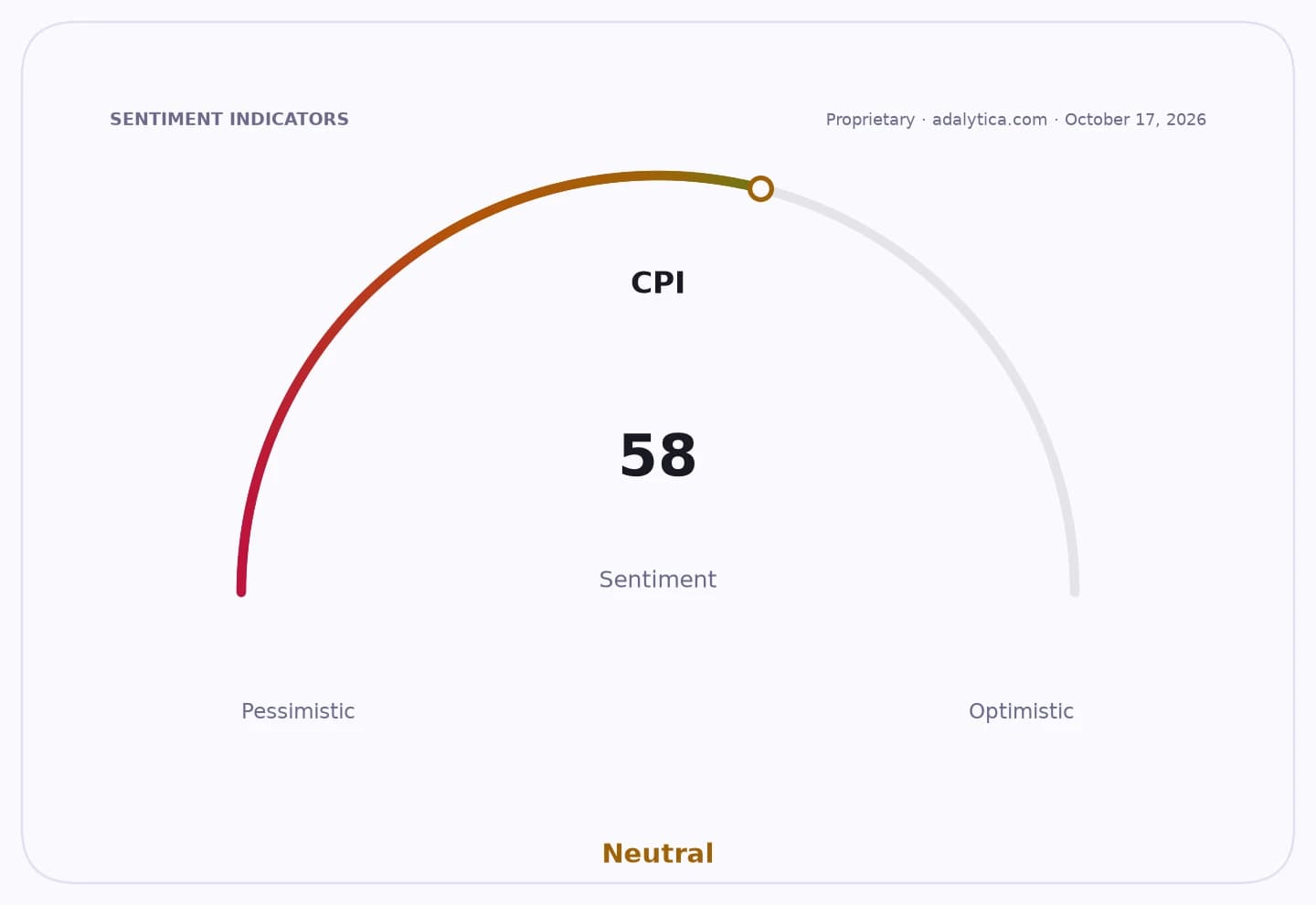
Sentiment IndicatorsⓘProprietary · adalytica.com · October 22, 2026
This is a snapshot — live sentiment, awareness and momentum for 130+ markets update continuously in the dashboard.Open AlphaPulse
Standing Committee of the Communist Party’s Secretariat Tran Cam Tu said General Secretary, President and other senior leaders had asked the government to study and review power prices, with the goal of adjusting them downward unless costs have clearly risen. “If the trend keeps rising, it will be inflationary,” he said, adding that the government was trying to manage and regulate power to reduce prices and “cannot let it stay like this.”
That marks a stronger political signal than routine administrative guidance. It implies pressure on ministries and state utilities to slow tariff increases at a time when Vietnam is also trying to accelerate public investment disbursement, restrain construction material prices and lower lending rates. For the economy, the message is clear: growth is being encouraged, but not at the expense of price stability.
For investors, the immediate issue is margin risk. Lower power tariffs would help consumers and energy-intensive manufacturers, but they could also squeeze returns for the electricity sector and delay the pass-through of higher fuel or operating costs. In a country where policy remains central to pricing across utilities and strategic industries, the announcement raises the odds of tighter regulatory scrutiny over returns, capital recovery and future tariff resets.
The wider narrative is one of policy trade-offs. Vietnam is leaning on domestic demand and investment to sustain expansion, but it is also signaling that inflation control remains a hard constraint. That can support sentiment in rate-sensitive and consumer-heavy sectors if it translates into lower utility bills and softer operating costs, though it also leaves utilities and infrastructure investors more exposed to political pressure on regulated returns.
What happens next will depend on whether officials decide there is room to cut tariffs without worsening the finances of the power system. If costs remain elevated, the government may opt for a narrower adjustment rather than a broad cut. If not, electricity could become the next lever in Vietnam’s effort to keep inflation subdued while protecting growth.
| Entity | Gains | Losses |
|---|---|---|
| Households | ▲Lower utility bills | ▼Less inflation protection if costs persist |
| Manufacturers | ▲Lower input costs | ▼Margin pressure if tariff cuts are delayed |
| Electricity utilities | ▲Regulatory clarity | ▼Lower allowed returns |
| Vietnamese policymakers | ▲Anti-inflation credibility | ▼Less room on administered prices |