Qatar Energy has agreed to buy up to 4 million tons a year of American liquefied natural gas until 2054, a deal that strengthens the company’s long-term supply portfolio while underscoring how central U.S. LNG has become to the global energy system.
QatarEnergy agrees to buy U.S. LNG from Cheniere
US Dollar
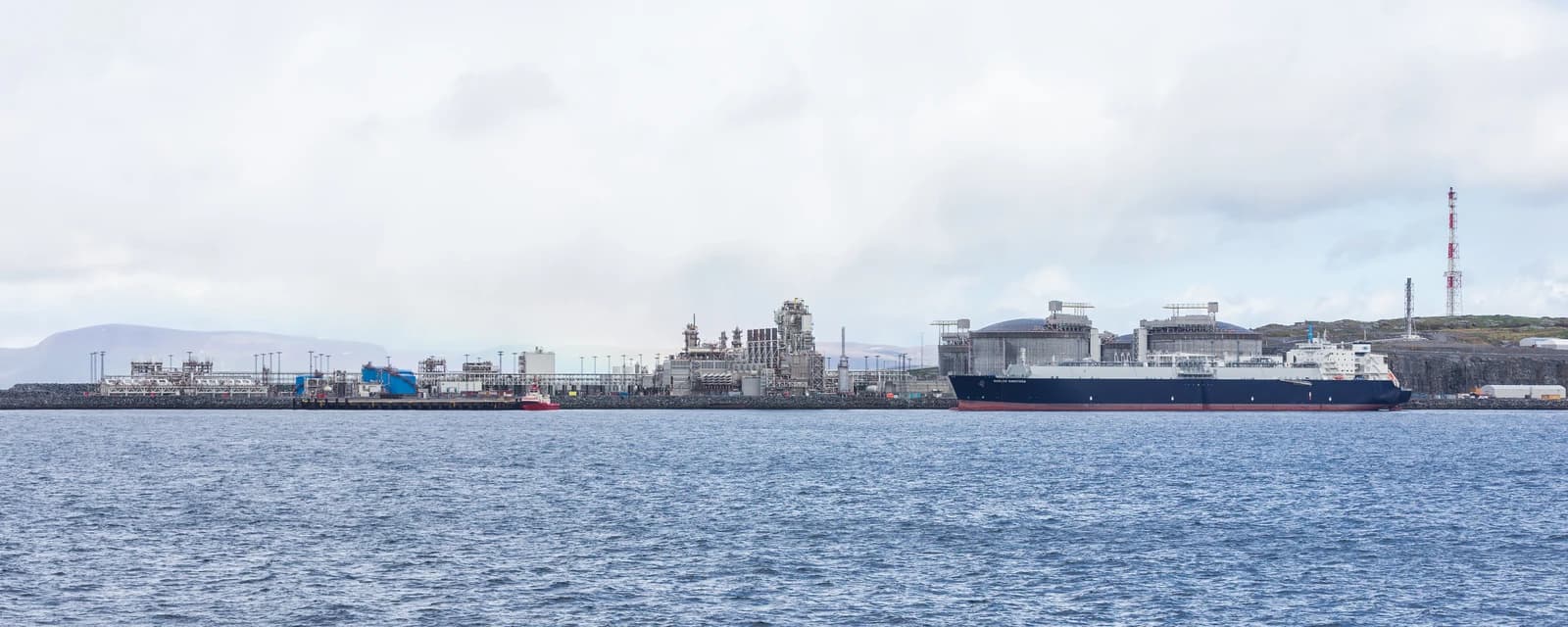
That matters because LNG is no longer just a commodity trade; it is a strategic infrastructure business. For Qatar Energy, the contracts with Cheniere give the state-backed producer decades of optionality from two of the most important export hubs on the U.S. Gulf Coast — Sabine Pass in Louisiana and Corpus Christi in Texas. The shipments begin in 2031 and run for more than two decades, giving Qatar a flexible, FOB-based supply stream that can be redirected to whichever market offers the best return.
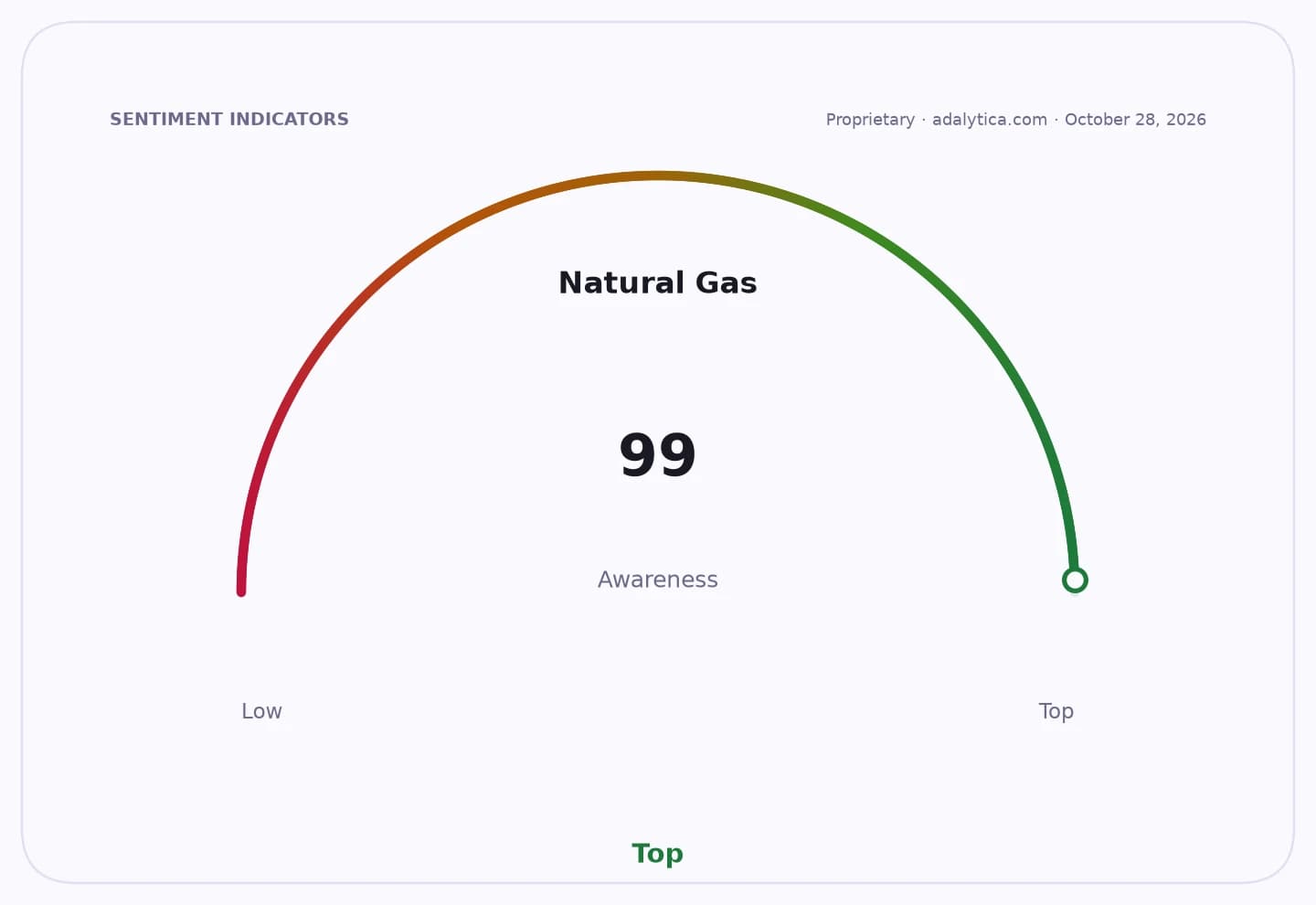
Sentiment Indicators
For investors, the deal is another reminder that the LNG boom still has years to run. The market is being pulled tighter by geopolitical disruptions, especially around the Middle East, and buyers are paying up to secure supply. News flow around global LNG has already pointed to an estimated $39 billion jump in import costs this year even as total purchases fall, a sign that scarcity is doing more to prices than demand growth alone. In that environment, long-dated contracts from politically stable export points become more valuable, not less.
Cheniere also stands to benefit from the durability of the arrangement. The company has been one of the biggest winners from the shift toward long-term LNG contracting, and deals like this help lock in cash flow visibility far into the future. That is exactly the kind of profile long-term investors like to see in energy infrastructure: contracted volumes, global demand, and a customer base that needs reliability more than headlines.
The broader investment case for LNG remains intact. Europe still needs supply diversity, Asia’s demand growth is real, and governments are increasingly treating gas as a bridge fuel rather than a temporary stopgap. Qatar’s decision to deepen its exposure to U.S. LNG suggests the industry’s center of gravity is still shifting toward flexible, tradable molecules and away from rigid regional supply chains.
There are risks, of course. LNG markets can swing sharply, project timelines can slip, and a long contract does not eliminate price or policy uncertainty. But for investors with a multi-year horizon, the message is straightforward: the world is still building the next chapter of LNG, and the companies with the best assets, the best contracts and the widest market access should keep compounding value. This is a story worth watching — and one that supports patient, long-term energy investing.
| Entity | Gains | Losses |
|---|---|---|
| Qatar Energy | ▲Long-term supply security | ▼Short-term spot flexibility |
| Cheniere | ▲Contracted cash flows | ▼Some upside from spot spikes |
| LNG buyers | ▲More supply options | ▼Higher competition for cargoes |
| U.S. LNG exporters | ▲Stronger demand outlook | ▼Pressure to keep expanding capacity |