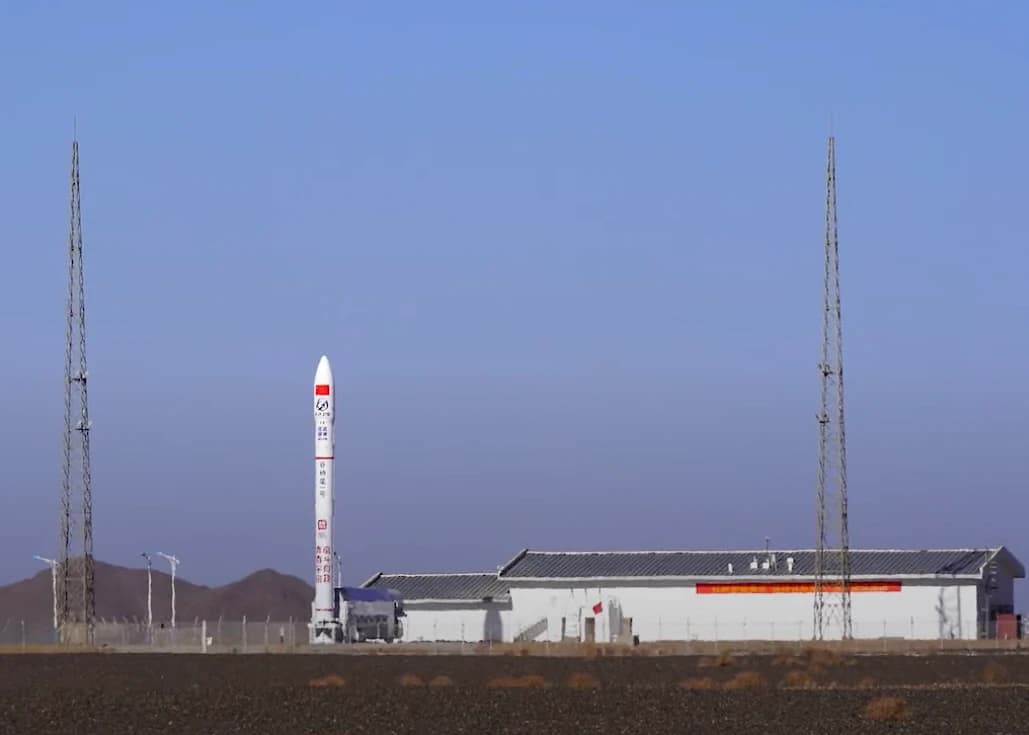
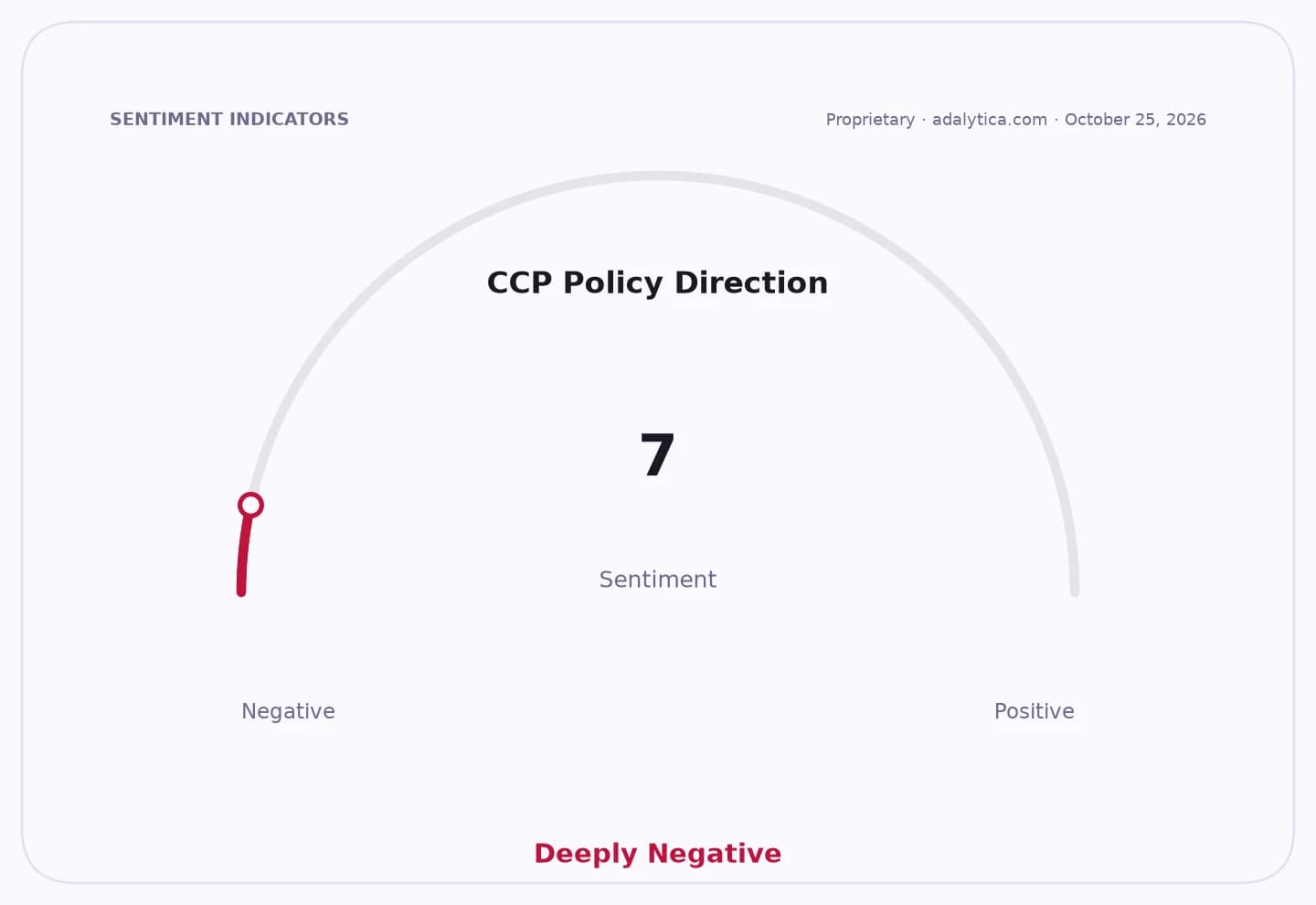
China has sent the Shenzhou-23 mission to its Tiangong space station, stepping up a program that is increasingly tied to Beijing’s longer-term push for crewed lunar flights and broader space leadership.
China Shenzhou-23 Mission Heads to Tiangong
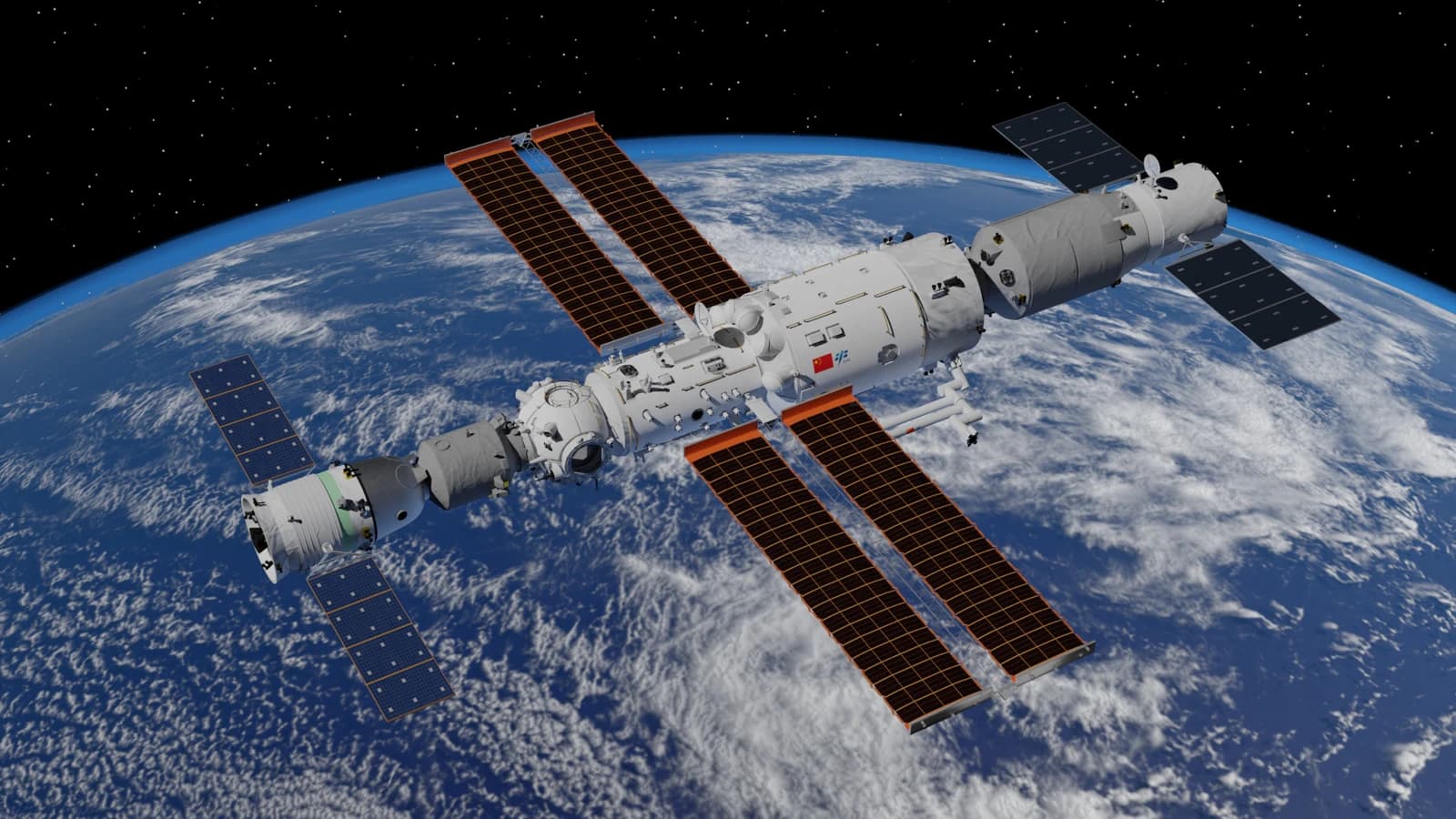
The mission matters because it is not just a routine rotation of astronauts. For the first time in China’s space program, one crew member is expected to stay in orbit for about a year, giving scientists data on how the human body and mind cope with prolonged exposure to microgravity, radiation and isolation. That information is central to any serious plan for deep-space missions, including China’s goal of putting astronauts on the Moon by around 2030.
The crew — Zhu Yangzhu, Zhang Zhiyuan and Li Jiaying — will also test automated rendezvous and docking systems, a capability that becomes more important as China builds toward more complex orbital operations and longer-duration missions. Li’s inclusion is also notable: she becomes the first representative from Hong Kong on a Chinese crewed space mission, underscoring the political and symbolic reach Beijing attaches to its space program.
For investors, the direct market impact is limited, but the strategic significance is wider. China’s space program has become a proxy for advances in robotics, propulsion, materials, communications and autonomous systems, all of which can spill over into commercial and defense-linked industries. Each successful mission reinforces the case that China is narrowing the gap with established space powers and expanding the industrial base that supports its space ambitions.
The launch also fits into a broader pattern of Chinese activity in orbit. Beijing has recently expanded its space internet network with new satellite launches, while also warning about the risks of militarization in space and calling for stronger global governance. That combination — faster technical progress paired with concern over security in orbit — reflects a contest over who will shape the rules of the next phase of space activity.
For now, the key question is whether China can translate steady progress at Tiangong into the systems reliability, human health data and mission experience needed for lunar exploration. If the one-year mission succeeds, it will strengthen confidence that China can sustain crews for longer and more demanding flights, tightening the race with the US and other spacefaring nations.
| Entity | Gains | Losses |
|---|---|---|
| China’s space program | ▲Lunar mission credibility | ▼None immediately |
| Tiangong station team | ▲Long-duration flight data | ▼Higher mission risk |
| Beijing | ▲Strategic prestige | ▼Cost and complexity |
| US and rivals | ▲Pressure to keep pace | ▼Relative lead if delayed |