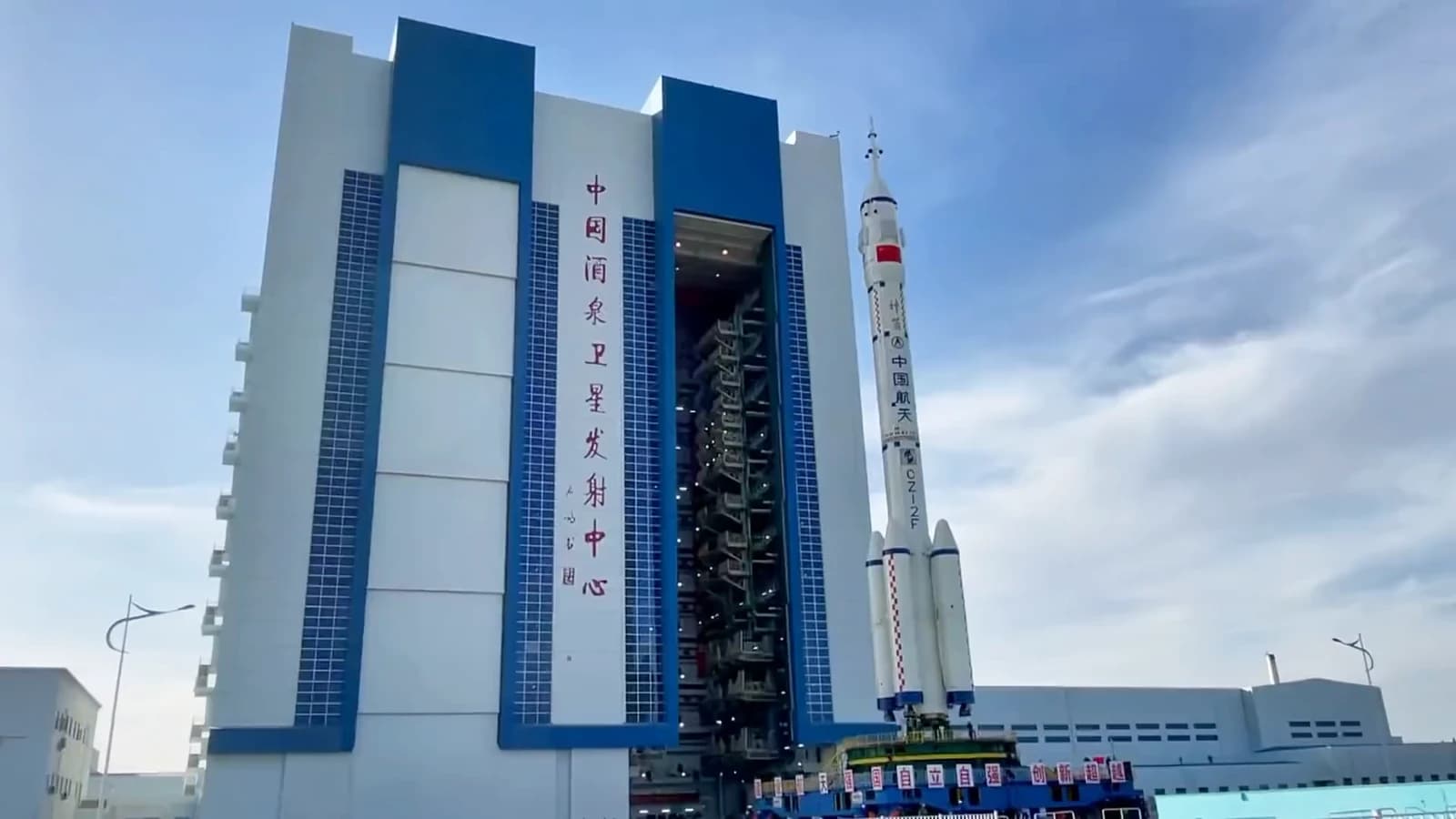
China has completed another sea-based commercial rocket launch, using Galactic Energy’s Ceres-1 to place a remote-sensing satellite into low Earth orbit and advance a new operating model that could make satellite deployment faster, cheaper and more scalable.
Galactic Energy Ceres-1 Completes Another Sea Launch
The launch matters because China is moving beyond one-off spaceflight demonstrations and toward an industrial launch system built for recurring demand from satellite constellations. That shift is important for the broader commercial space supply chain, where launch cadence, reliability and lower logistics costs determine whether operators can mass-deploy imaging and communications networks at commercial speed.
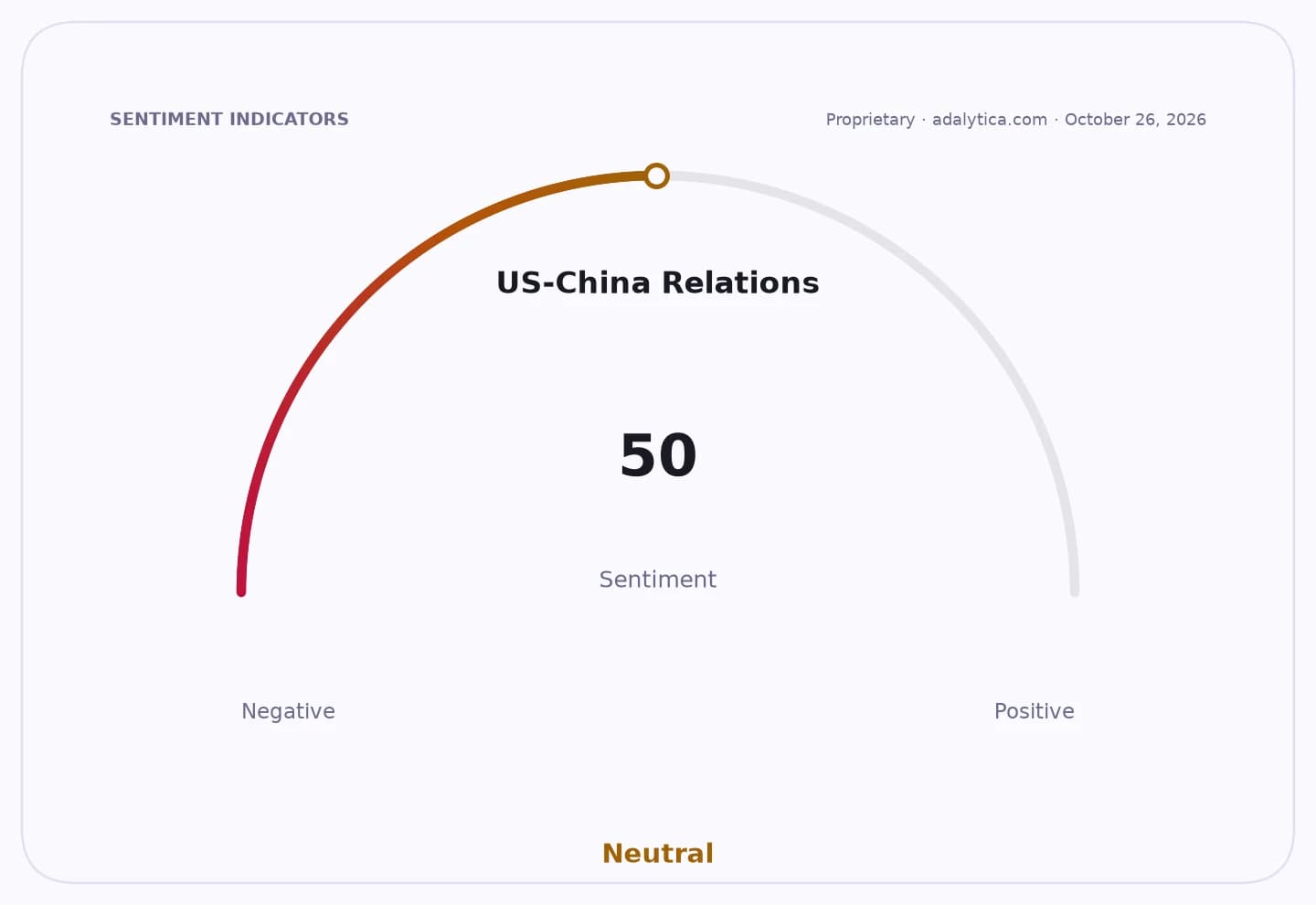
Sentiment IndicatorsⓘProprietary · adalytica.com · October 26, 2026
This is a snapshot — live sentiment, awareness and momentum for 130+ markets update continuously in the dashboard.Open AlphaPulse
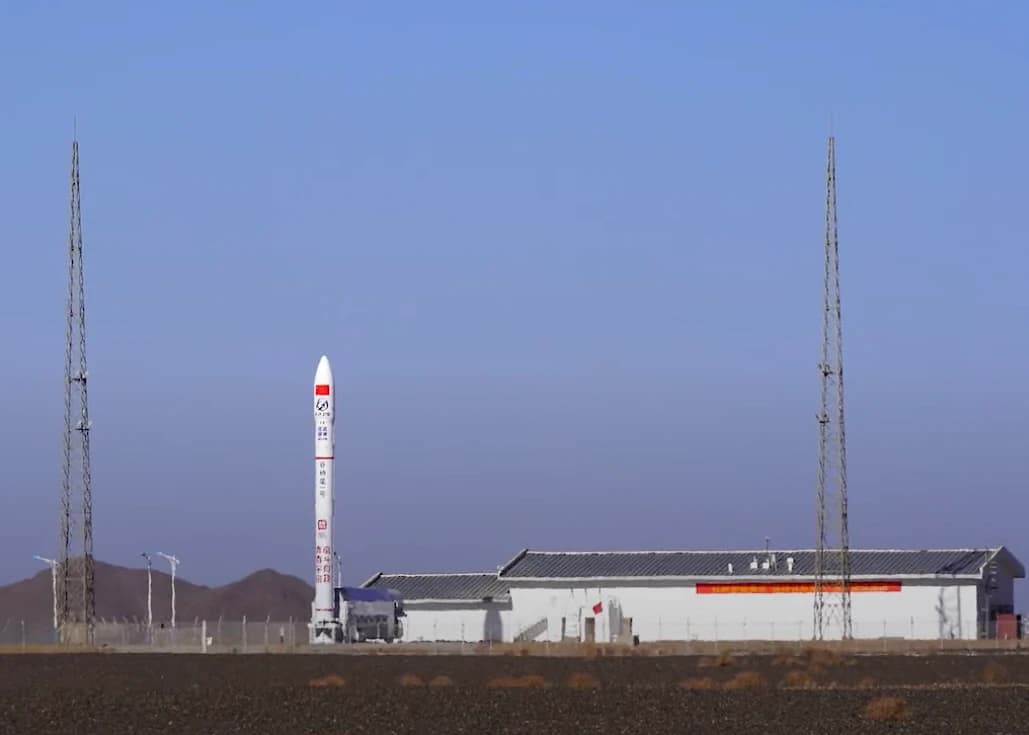
Wednesday’s mission lifted the Xiguang Sihao 01 satellite to an orbit 541 kilometers above Earth from waters near Shandong province, according to Galactic Energy. It was the seventh sea launch of the Ceres-1 sea-based rocket and the vehicle’s first mission under a newly adopted “land-based command and control, sea-based launch” model, which moves core command functions ashore to Rizhao rather than keeping them aboard the launch vessel.
Galactic Energy said the Ceres-1 sea-based rocket has maintained a 100% launch success rate since its maiden flight on Sept. 5, 2023. The Haiyang Oriental Spaceport said it has now supported 29 maritime launch missions carrying 176 satellites in total, including eight missions this year, underscoring that sea launches are becoming a regular operating channel rather than an experiment.
For investors, the relevance is less about the single satellite than the operating model behind it. A shore-based command center can ease constraints on vessel space, power and communications, improving safety and throughput while supporting more frequent launches — a setup that could help Chinese commercial launch providers compete more effectively in the fast-growing market for Earth-observation and constellation deployment.
The satellite itself is the pathfinder for Guangdong Tianyuan Technology’s Wuyang constellation, which the company says is designed for commercial remote sensing across the Greater Bay Area, South China and low-latitude regions along the 21st Century Maritime Silk Road. Its intended uses — from flood and typhoon monitoring to agriculture, marine observation and urban governance — reflect the commercial end market China is building around space infrastructure.
Galactic Energy said the Ceres-1 is its first privately developed rocket able to launch from both land and sea. The company has now carried out 23 successful orbital missions, delivering 90 commercial satellites for 28 customers, a track record that strengthens the case for a more standardized sea-launch business if China continues to scale constellations and time-sensitive payloads.
The next catalyst is whether Galactic Energy and regional launch hubs can turn the new command-and-control setup into a repeatable template for higher-frequency missions, which would be the clearest test of China’s push to industrialize commercial space access.
| Entity | Gains | Losses |
|---|---|---|
| Galactic Energy | ▲Higher launch cadence | ▼Infrastructure complexity |
| China commercial space sector | ▲Scalable sea-launch model | ▼Legacy vessel-based ops |
| Satellite operators | ▲Faster constellation deployment | ▼Dependence on launch availability |
| Foreign launch rivals | ▲— | ▼More Chinese competition |