Japan is about to do something no country has done before: send a probe to Mars’s moons, scoop up material from Phobos and bring it back to Earth. That sounds like pure science, but it also matters economically and strategically because it shows Japan is building a deeper, more capable space program at the exact moment Asia’s big powers are using science, technology and supply chains as tools of national influence.
Japan MMX Mars Moons Sample Return Mission
The mission, known as Martian Moons eXploration, or MMX, is scheduled to launch aboard Japan’s H3 rocket from Tanegashima Space Center, with the spacecraft expected to reach Mars a year later and return samples after circling Phobos for up to three years. If successful, it would mark the first round trip to the Martian system and strengthen Japan’s claim to being one of the handful of countries capable of complex deep-space missions, a distinction that matters far beyond astronomy.
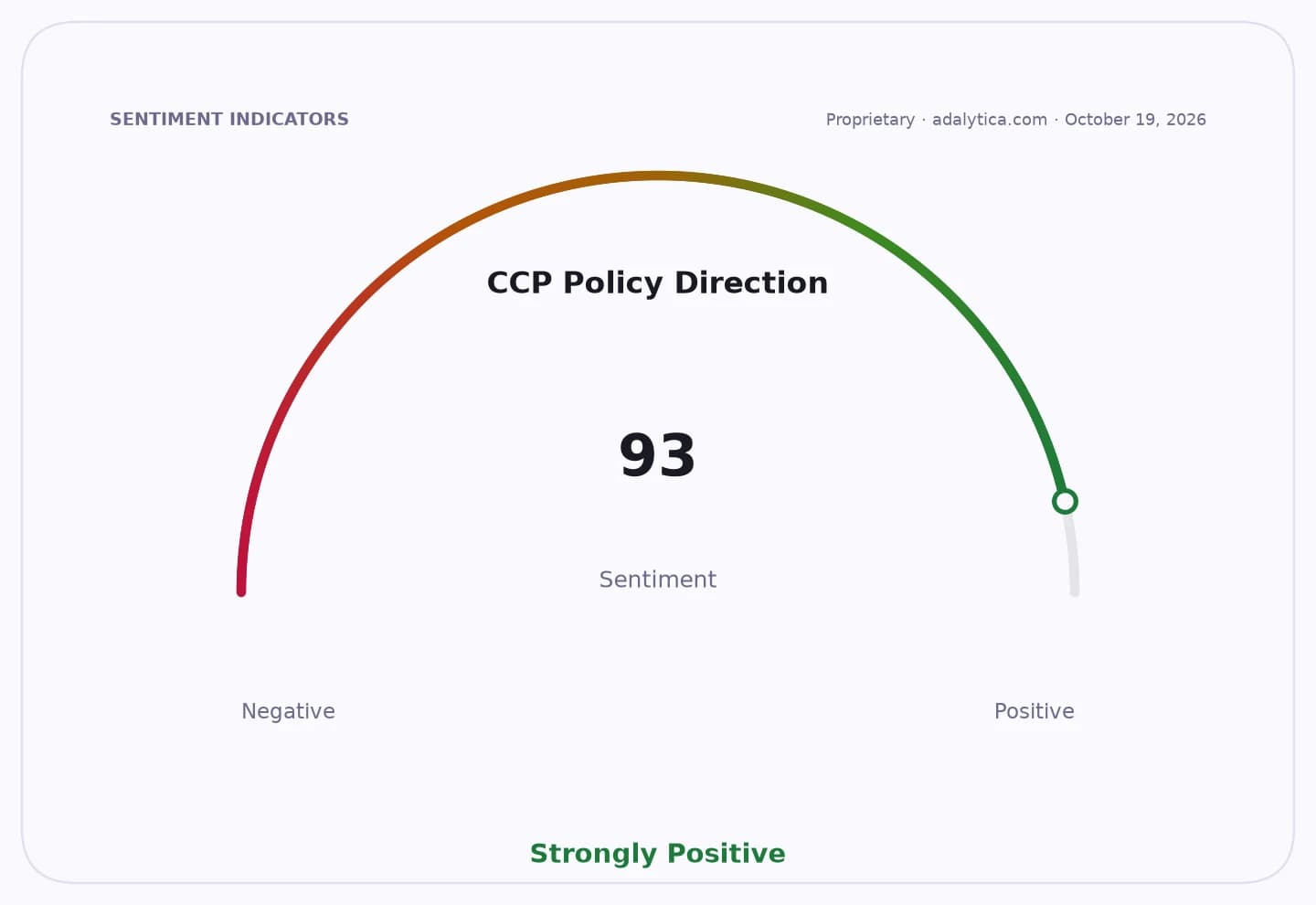
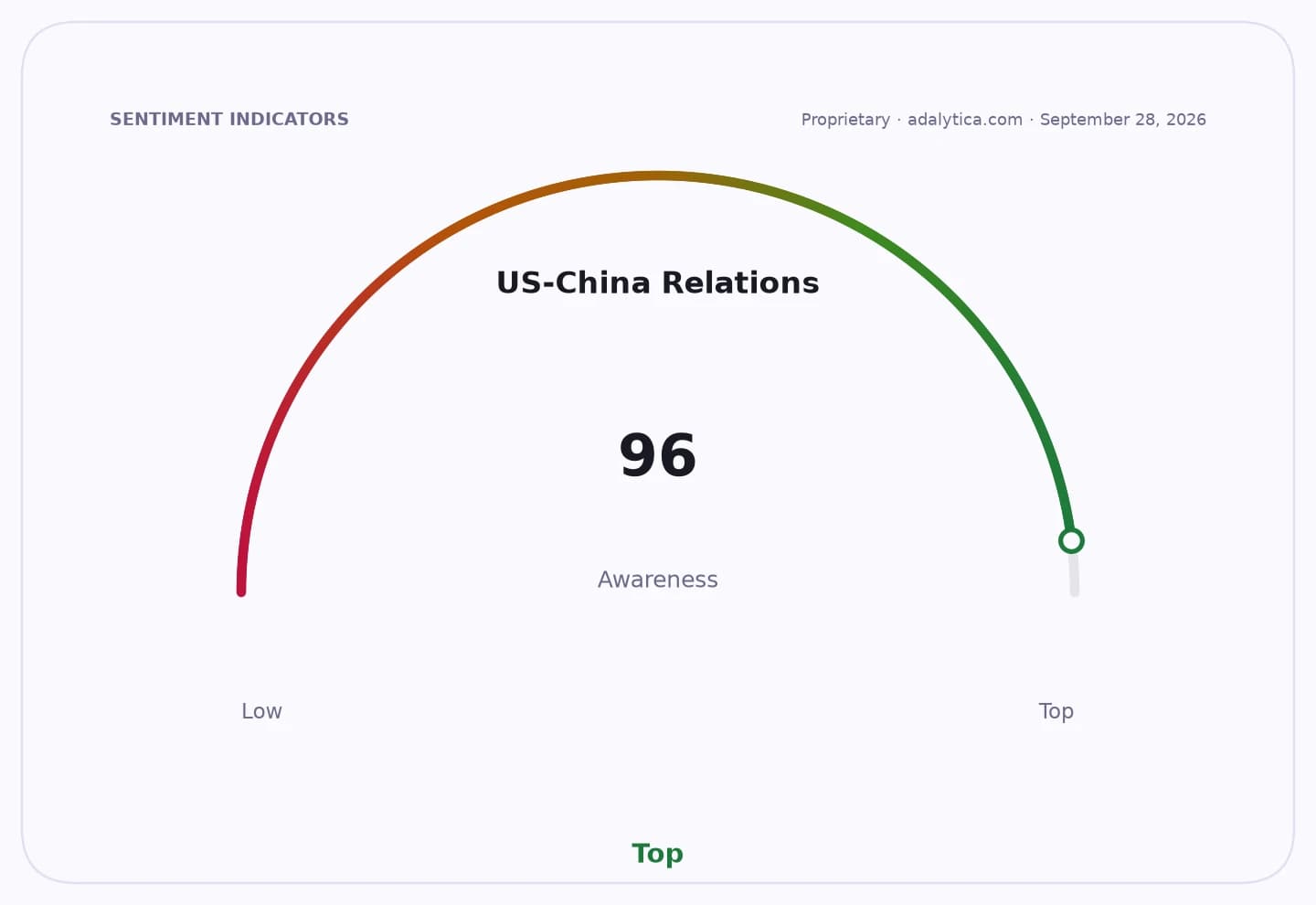
Sentiment IndicatorsⓘProprietary · adalytica.com · October 22, 2026
This is a snapshot — live sentiment, awareness and momentum for 130+ markets update continuously in the dashboard.Open AlphaPulse

For investors, that kind of capability is not just symbolic. Space programs spill over into advanced materials, robotics, precision manufacturing, sensors, communications and launch services. Japan has already shown it can compete in sample-return missions with Hayabusa2, and the MMX project extends that industrial and scientific credibility into a much harder mission profile. That helps the long-term case for Japanese aerospace, defense-adjacent technology and the broader ecosystem of companies tied to complex engineering.
It also lands in a geopolitically charged moment. The seed of the story is really about China and Japan’s widening strategic rivalry, and the mission underscores how competition is moving into every domain that confers prestige and leverage. Beijing is already sensitive to Japan’s rearmament, its closer security ties with the U.S. and its efforts to reduce dependence on Chinese supply chains. A successful Japanese Mars-moon sample return would be another reminder that Tokyo can still punch above its weight in frontier technologies.
The scientific payoff is genuine, too. JAXA and its international partners hope Phobos may reveal how Mars and its moons formed and whether the materials that helped make the inner solar system habitable were delivered from elsewhere. That is the kind of discovery that can support future Mars exploration, including the infrastructure needed for crewed missions. In other words, this is not just a prestige project; it is a test of whether Japan can help define the next phase of human exploration beyond Earth.
China is racing in the same broad direction. Its Tianwen-3 mission is now expected around 2028, with a goal of returning Mars samples by 2031, potentially ahead of MMX’s return. That competition matters because space leadership increasingly feeds into industrial policy, talent attraction and national soft power. In a region already strained by disputes over history, security and trade, technological milestones become part of the diplomatic scoreboard.
Markets have a way of rewarding countries that can turn research into durable industrial advantages. Japan’s ETF, as tracked by EWJ, has held above its 50-day and 200-day moving averages recently even as momentum has cooled, while China’s FXI has lagged both benchmarks, reflecting a market still wrestling with slower growth and policy uncertainty. That doesn’t mean space news alone moves portfolios, but it does fit a broader theme: Japan is looking more like a long-duration innovation story, while China faces more friction at home and abroad.
The next few years will determine whether MMX becomes a historic scientific win or simply another ambitious mission. For long-term investors, the bigger takeaway is that Japan keeps proving it can stay relevant in advanced technology, even as geopolitical tensions with China intensify. That is exactly the kind of resilience worth watching — and worth owning over time.
| Entity | Gains | Losses |
|---|---|---|
| Japan / JAXA | ▲Space prestige, industrial spillovers | ▼Higher mission risk if launch fails |
| Japan aerospace suppliers | ▲More contracts, deeper capabilities | ▼Execution pressure on complex projects |
| China | ▲Motivation to accelerate its own Mars push | ▼Relative prestige if Japan returns samples first |
| Long-term investors in Japanese innovation | ▲Exposure to a stronger tech ecosystem | ▼Near-term volatility if geopolitics worsen |