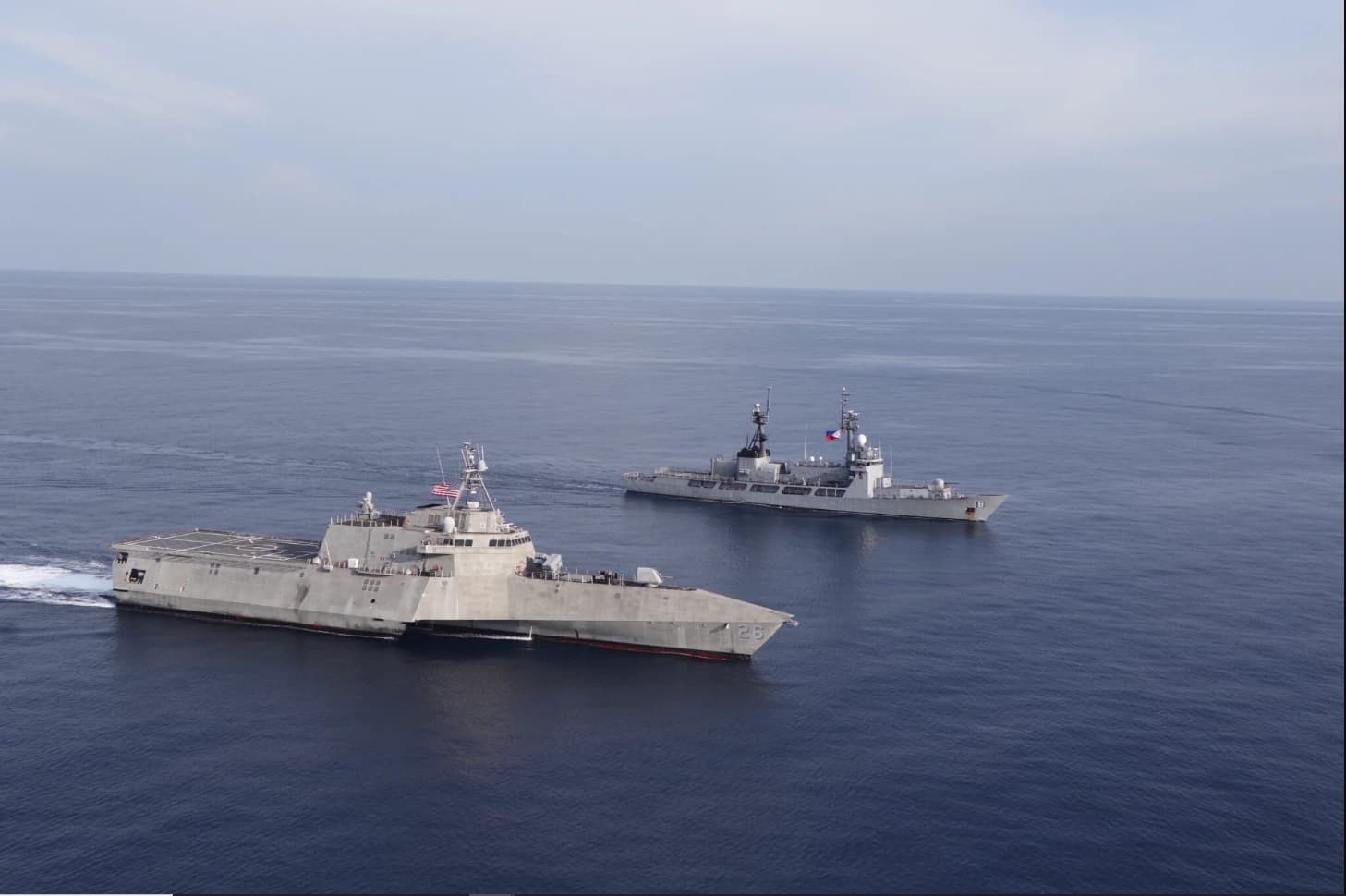
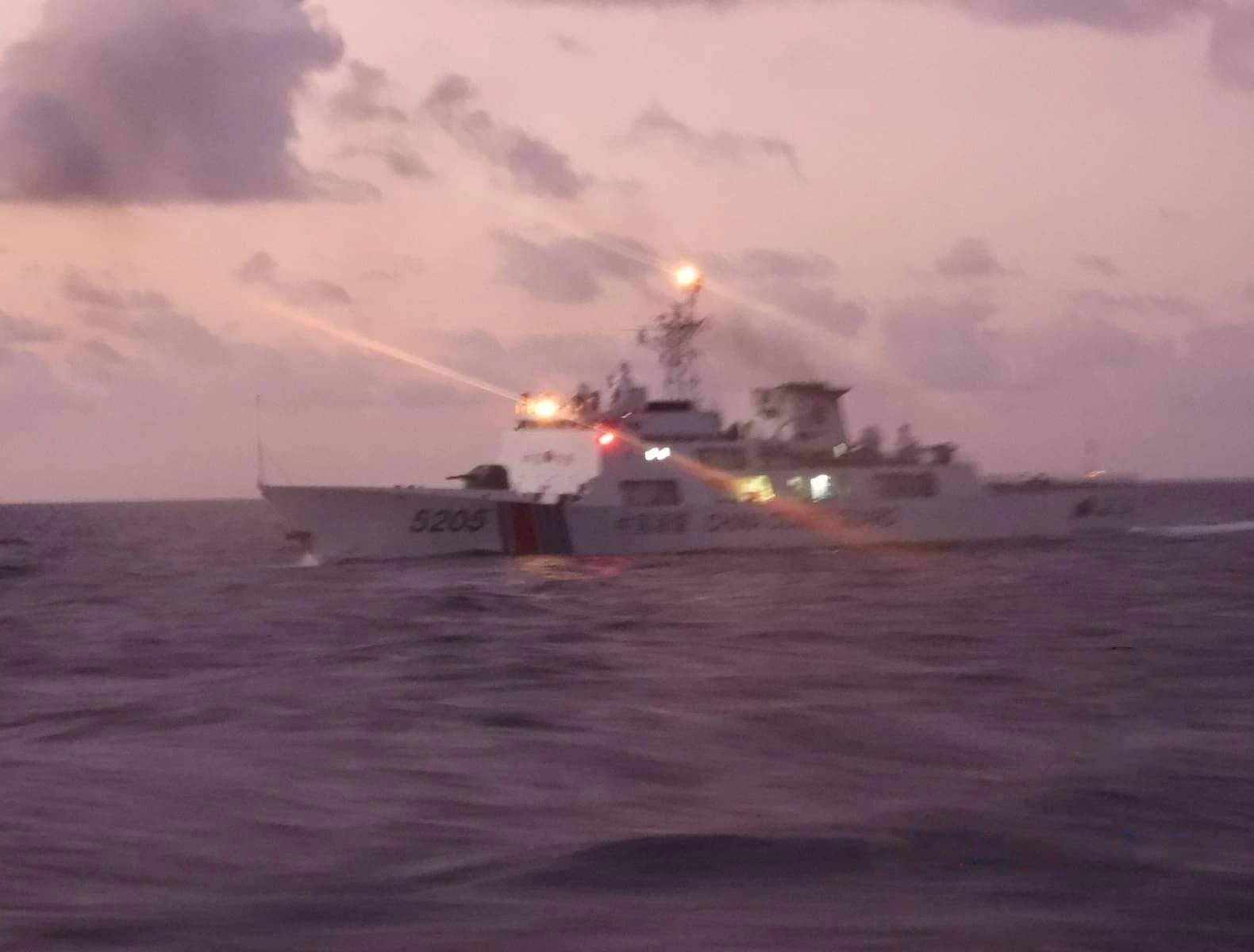
China’s move to frame coast guard patrols around Taiwan-controlled Pratas Island as routine law enforcement is the most important development because it pushes the Taiwan dispute one step further from rhetoric toward physical jurisdiction-setting in one of Asia’s most exposed waterways.
China Coast Guard Patrols Near Pratas Island
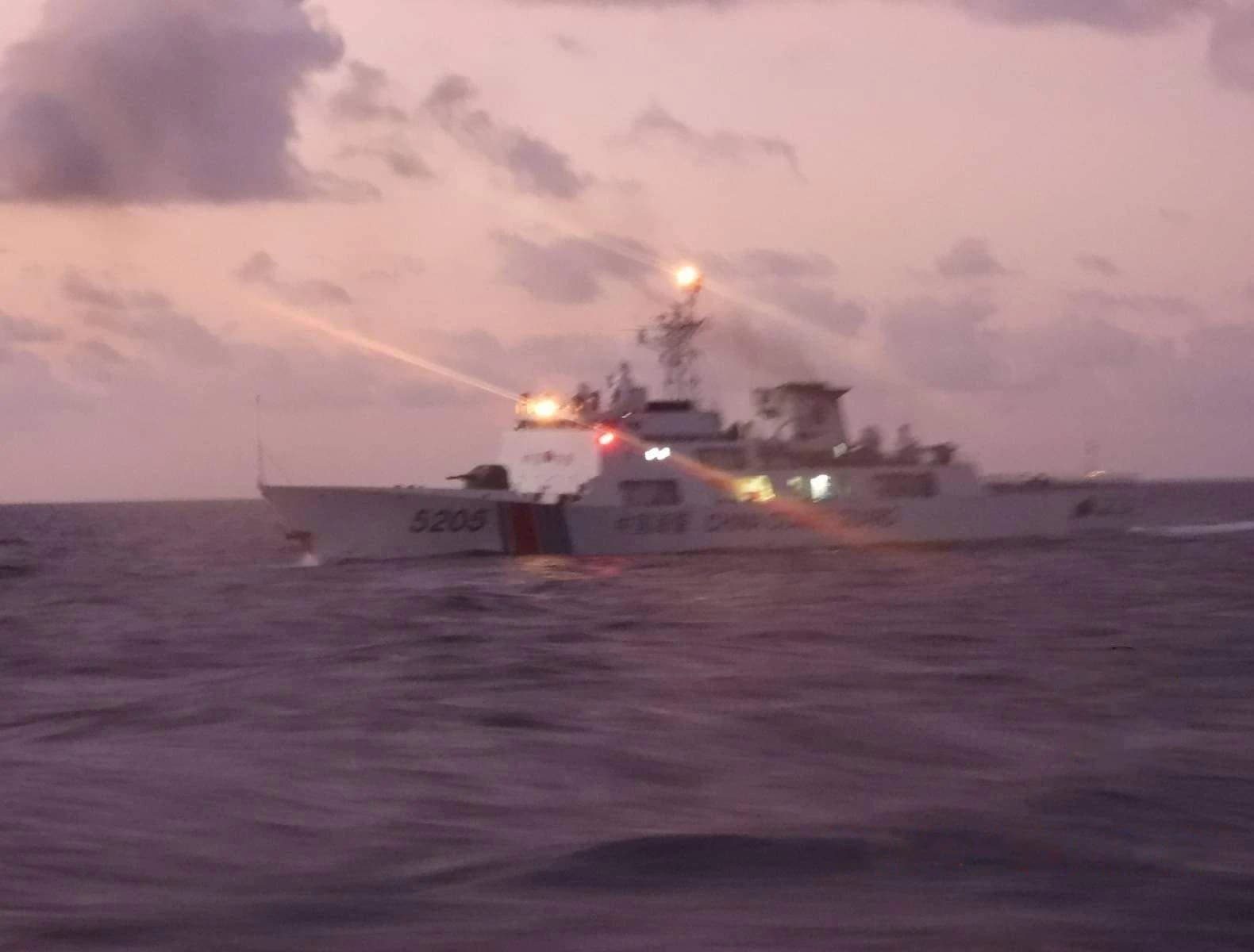
That matters economically because Beijing is not just contesting rocks and reefs. It is testing whether it can normalize a permanent security presence around strategically placed sea lanes without triggering a stronger regional response. The Pratas sit near the northern South China Sea, between southern Taiwan and Hong Kong, and any shift in control or access would ripple through shipping routes, fisheries, insurance costs and military risk pricing across the region.
Sentiment IndicatorsⓘProprietary · adalytica.com · October 26, 2026
This is a snapshot — live sentiment, awareness and momentum for 130+ markets update continuously in the dashboard.Open AlphaPulse
For investors, the key takeaway is that China is widening the playbook it has already used elsewhere: coast guard vessels, legal language and repeated patrols to build facts on the water before any formal escalation. Taiwan’s warning that Beijing is trying to “domesticate” the issue is not just political theater. It is a signal that the next phase of cross-strait pressure may come through maritime enforcement, not only air and naval sorties. That raises the premium on defense, surveillance, drone, radar and undersea-security names, while also keeping pressure on regional transport and export-heavy supply chains that depend on uninterrupted passage through contested waters.
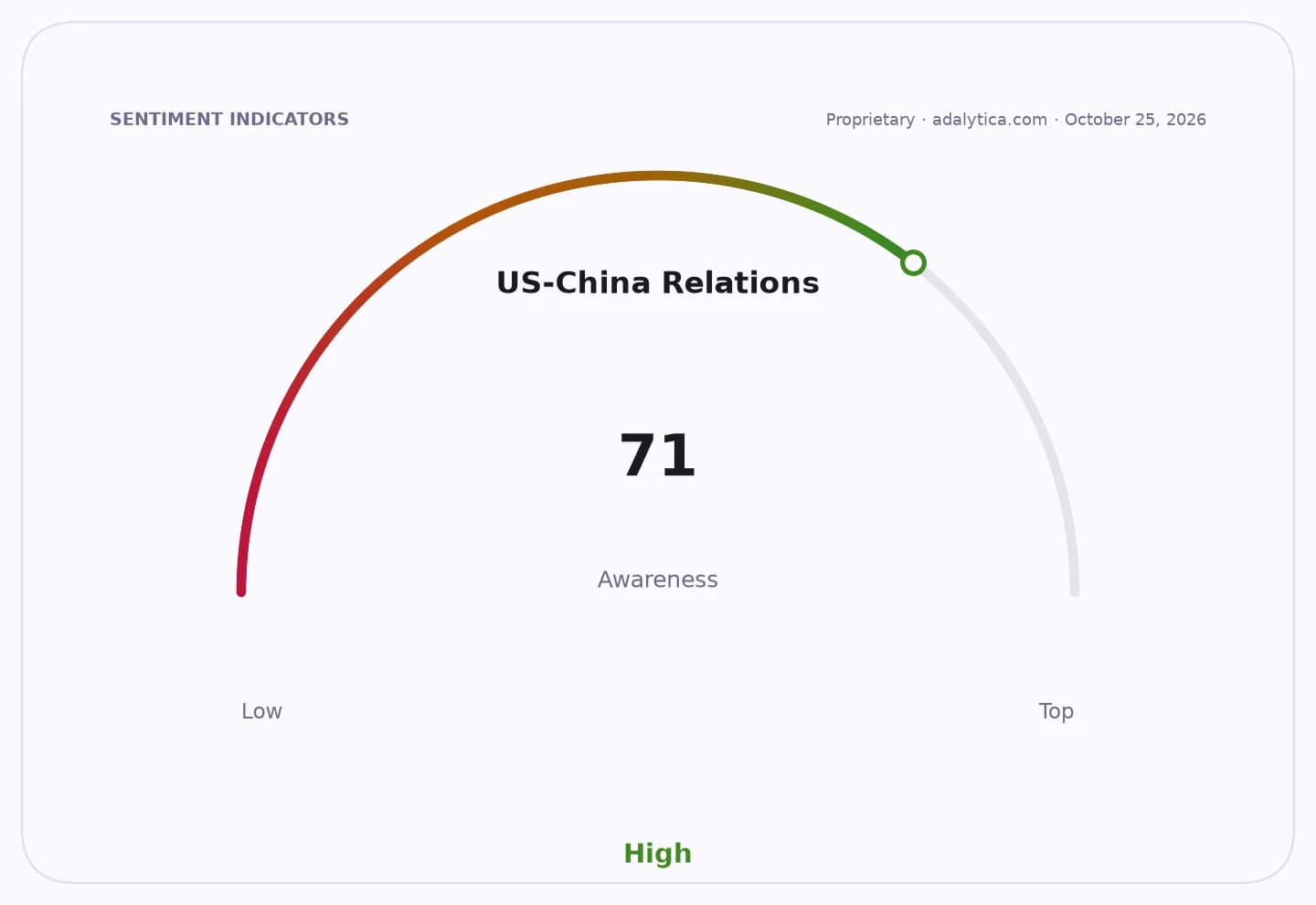
The market is underestimating how quickly these episodes can become investable catalysts. The Adalytica Global Stability Sentiment gauge has dropped sharply into neutral territory with extreme fear in awareness, while the US–China relations gauge remains fragile. In other words, the headlines may look familiar, but the backdrop is not benign: investors are already more sensitive to escalation, and any sustained coast guard presence near the Pratas could quickly reprice volatility across Asia.
Geopolitical Risk — 30-day sentimentadalytica.com
Explore this data interactively — full history, time series and cross-market comparisons.Open AlphaPulse
That is especially relevant for Taiwan-linked assets. The iShares MSCI Taiwan ETF, EWT, has been whipsawed sharply and remains well below its 50-day moving average, a sign that geopolitical risk is still being discounted into the market. China exposure through the iShares China Large-Cap ETF, FXI, has also weakened, suggesting that investors are not yet pricing a clean de-escalation dividend. If Beijing keeps pressing this tactic, the beneficiaries are likely to be defense contractors, maritime surveillance providers and cybersecurity firms, while Taiwan-facing exporters, shippers and insurers remain on the defensive.
My view is that this is less about a single atoll than about a strategic template. China is trying to create an illusion of de facto jurisdiction, and that is exactly the kind of slow-burn geopolitical shift the market tends to miss until it is too late. The best positioned investors should treat every new coast guard patrol, every diplomatic protest and every Taiwan response as part of a longer campaign to reprice control of Asia’s sea routes.
| Entity | Gains | Losses |
|---|---|---|
| China coast guard | ▲Jurisdiction claims | ▼Regional trust |
| Taiwan defense sector | ▲Higher spending bias | ▼ |
| Taiwan exporters/shippers | ▲ | ▼Higher risk premium |
| Defense ETFs/contractors | ▲Demand boost | ▼ |