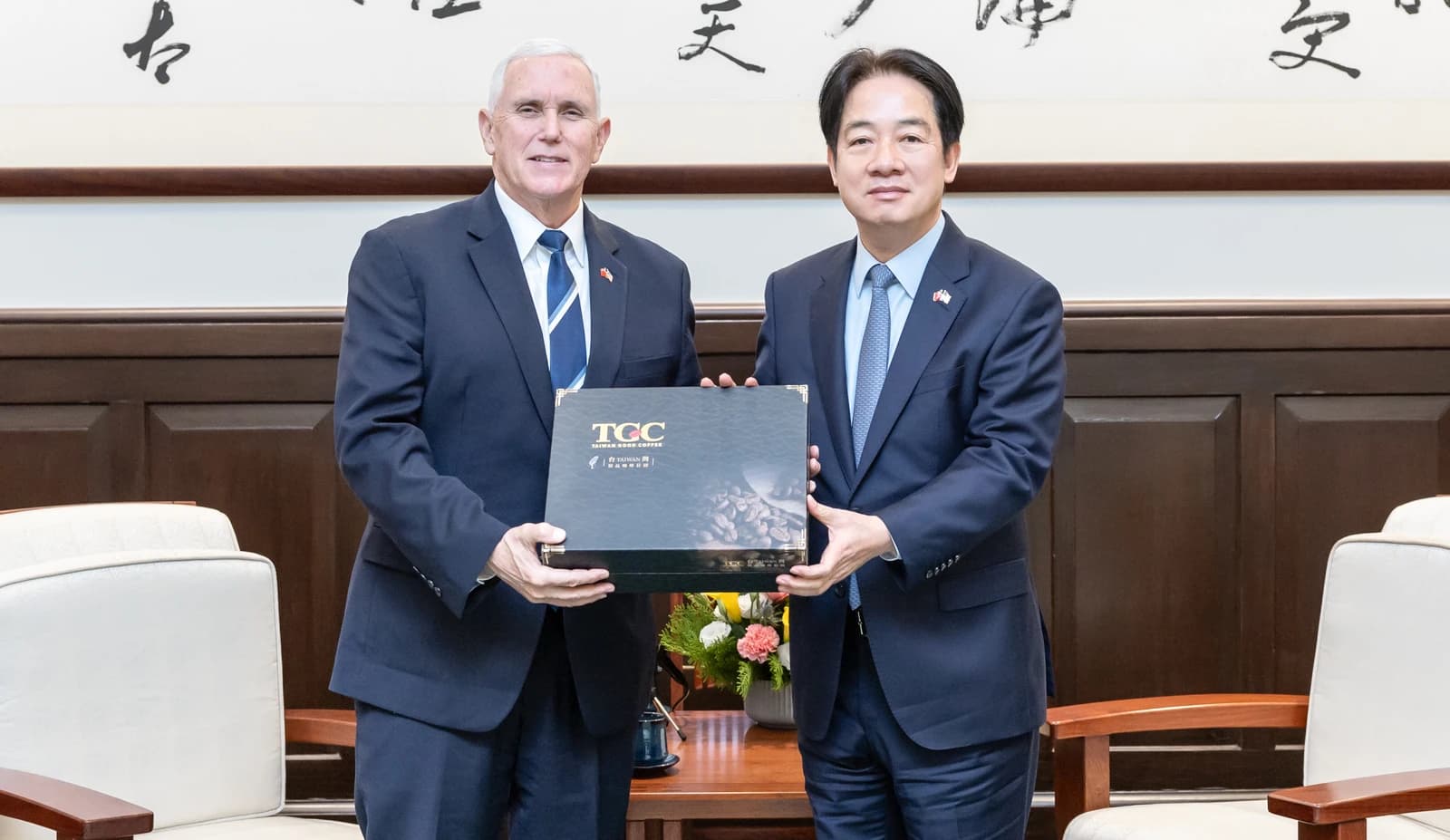
Taiwan is leaning harder into U.S. defense cooperation as Beijing’s pressure campaign intensifies, a shift that could reshape how the island arms itself, who supplies it, and how investors think about the long-term winners in the global defense supply chain.
Taiwan Defense Spending Outlook Rises on U.S. Ties
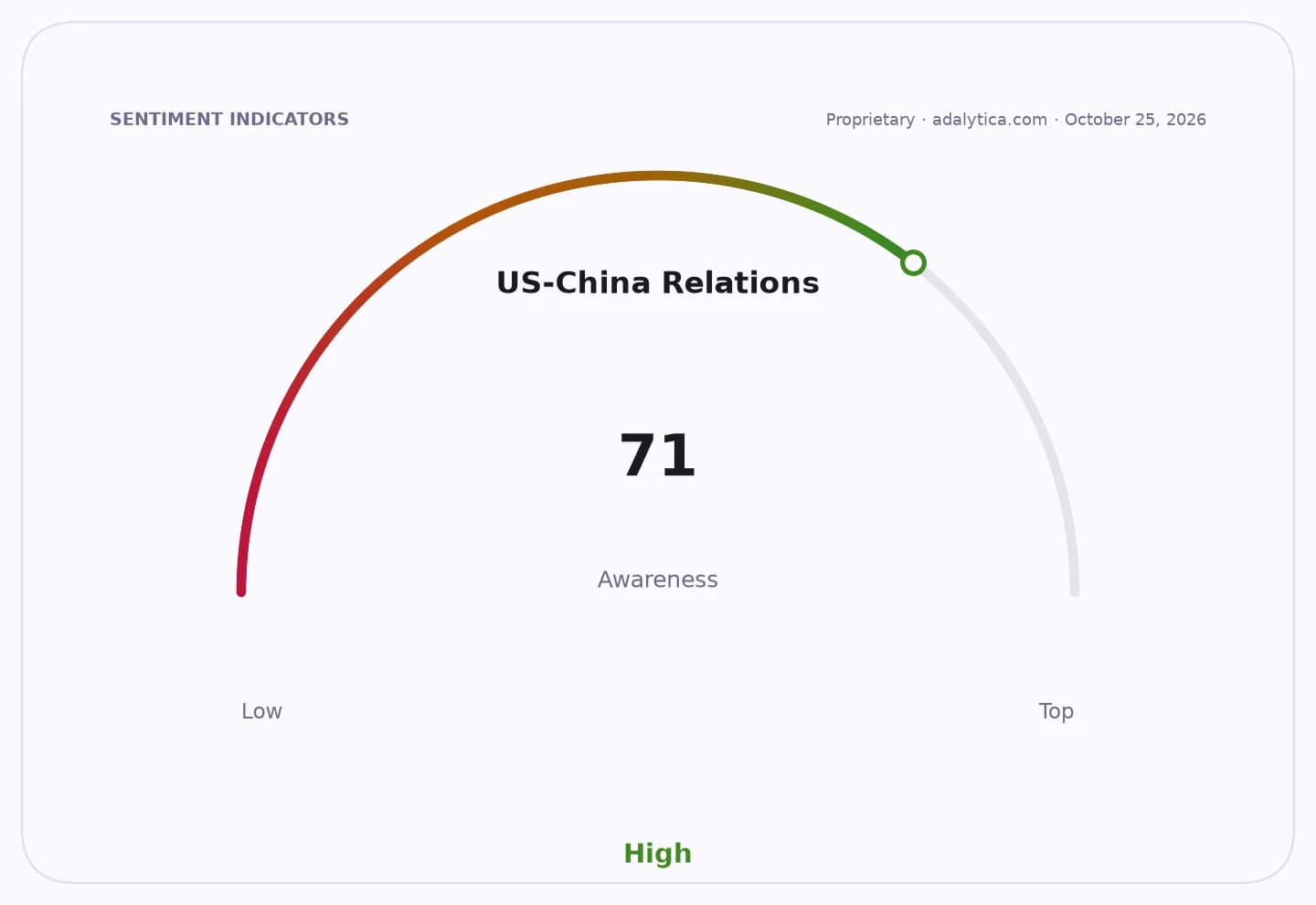
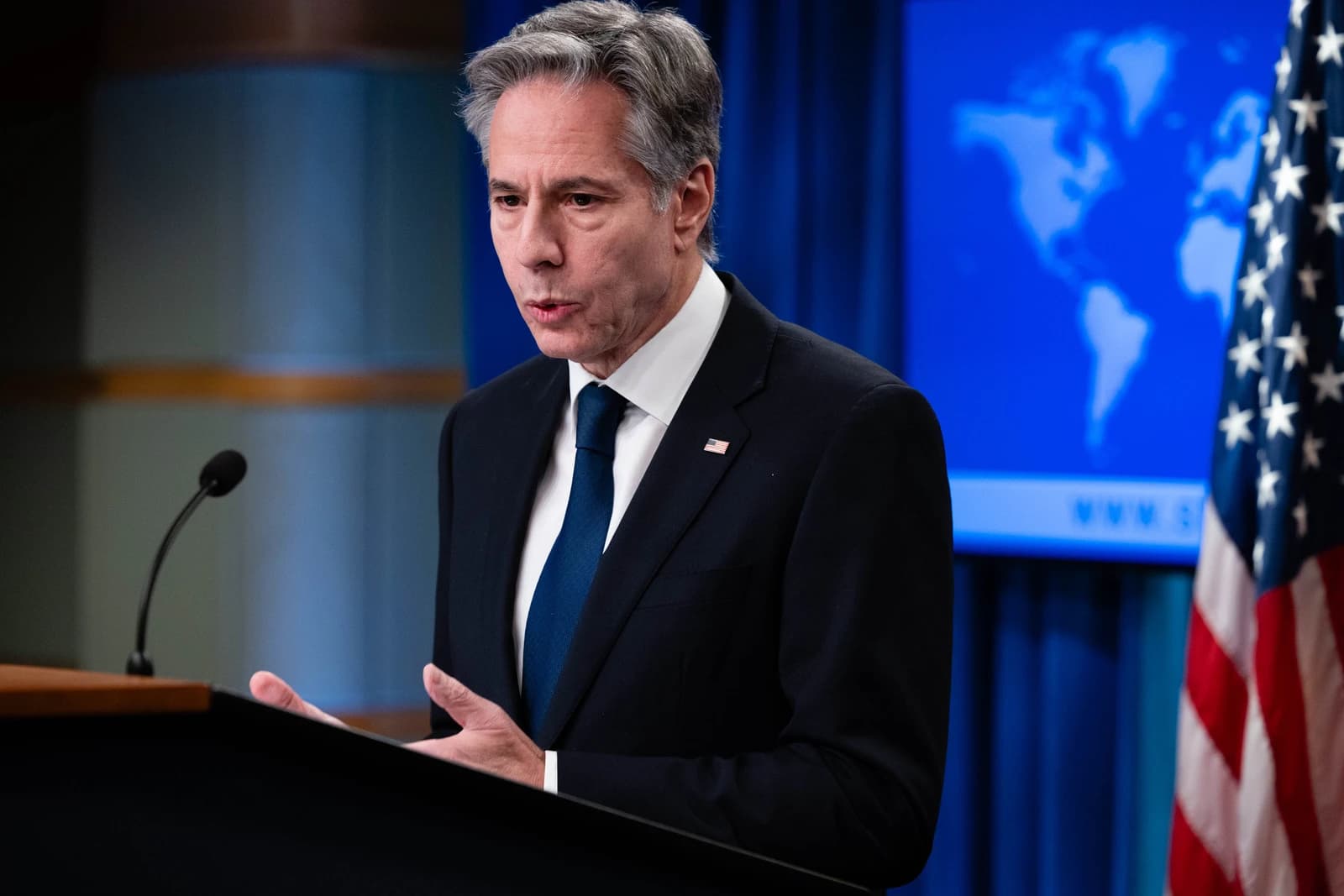
That was the central message from Taiwan’s defense procurement chief, who used a U.S.-Taiwan defense industry conference in Virginia to press for deeper collaboration on drones, artificial intelligence, missile defense and so-called “non-red” supply chains that avoid Chinese inputs. For investors, the bigger story is not the speech itself but the direction of travel: Taiwan is preparing to spend more, buy faster and build more at home.
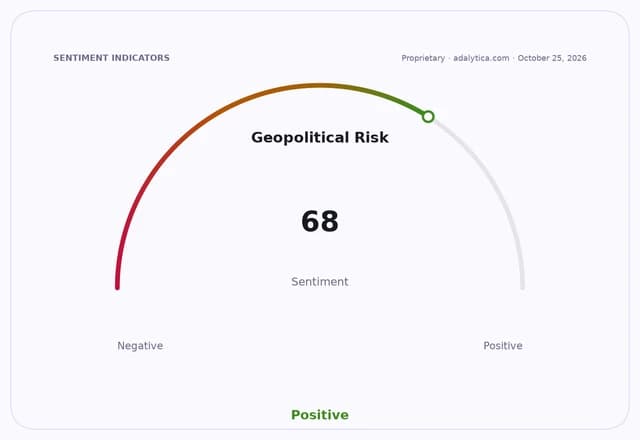
The island’s defense budget is set to reach about $35 billion next year, equal to 3.93% of GDP, with officials saying spending could rise to 5% of GDP or more by 2030. That is a meaningful ramp in a market where procurement cycles have often been slow and politically constrained. If Taiwan follows through, it should support a steadier flow of orders for U.S. prime contractors and, increasingly, for smaller suppliers tied to drones, sensors, command systems and layered air defenses.
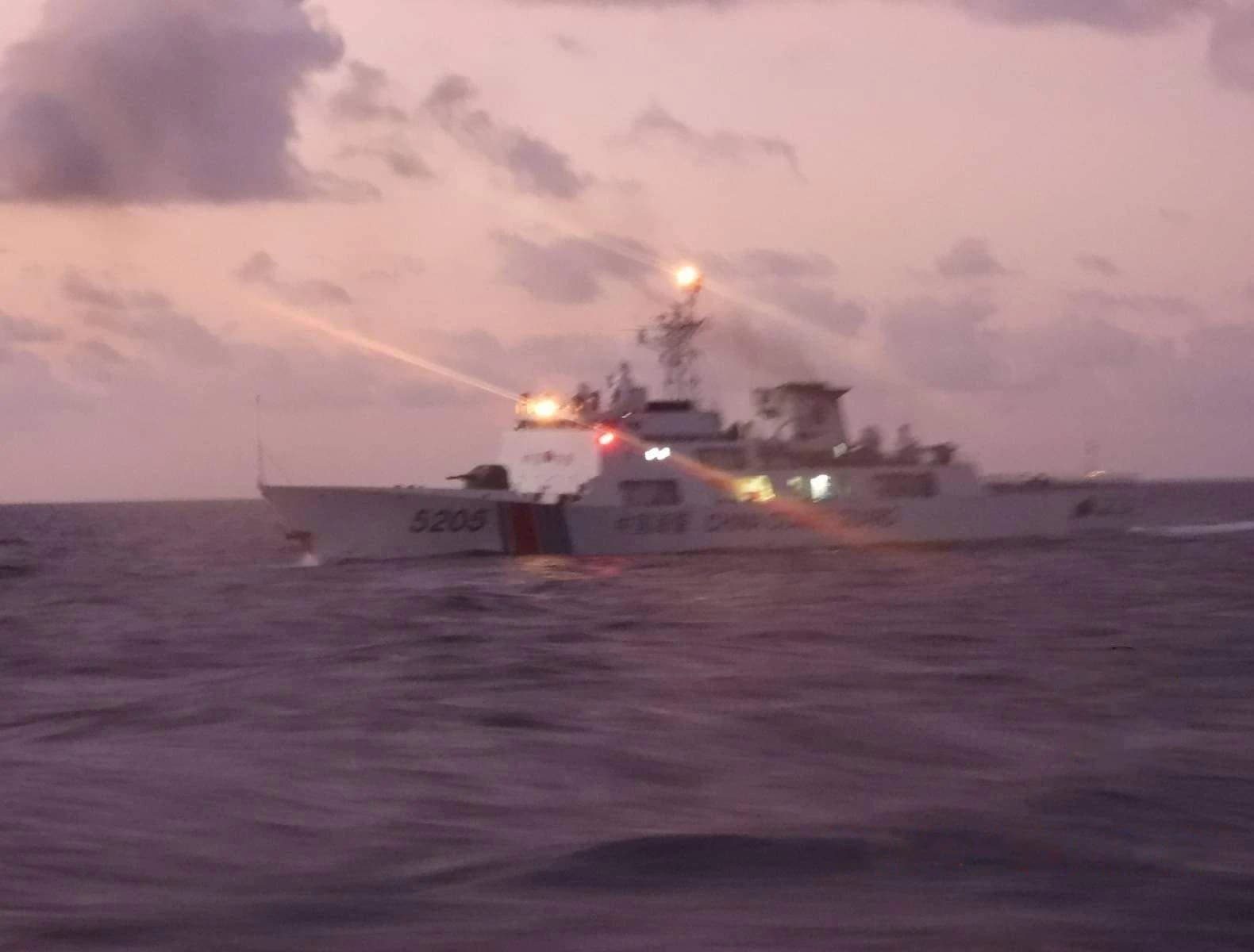
This matters economically because Taiwan sits at the center of a supply chain that is already globally important and increasingly fragile. Its government said Chinese military aircraft crossed the Taiwan Strait median line and entered Taiwan’s air defense identification zone 849 times in the first nine months of the year, while Chinese naval vessels crossed the median line 1,662 times. The point is less the raw tally than the signal: Taiwan sees a persistent, normalized threat environment, and that usually leads governments to favor readiness, redundancy and domestic production over efficiency.
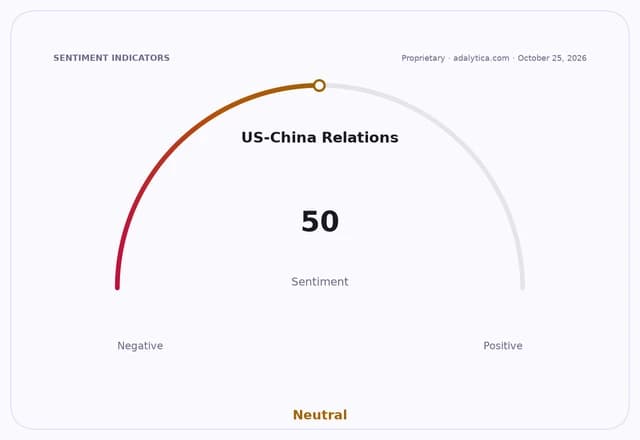
That is exactly the kind of backdrop that can benefit defense names with exposure to the Indo-Pacific. Lockheed Martin, Northrop Grumman and other U.S. contractors stand to gain if Taiwan expands purchases through direct commercial sales and other faster channels, while companies positioned around missile defense, autonomous systems and command-and-control tools could see more demand. Taiwan’s push for a “Taiwan Dome” multilayer air-defense network also suggests a larger, multi-year program rather than a one-off procurement.
The market has already been rewarding parts of that thesis. Lockheed Martin has climbed sharply in recent months, while Northrop Grumman has also recovered from earlier weakness, reflecting investor belief that global rearmament and Pacific deterrence will keep defense spending elevated. Taiwan’s message adds another layer of durability to that view: allies are not just buying more weapons, they are trying to localize more of the production base and shorten delivery timelines.
For investors, the long-term question is which companies can turn geopolitics into recurring free cash flow without getting trapped in political bottlenecks. The biggest incumbents still have the scale, certification and integration expertise to win large programs. But Taiwan’s openness to startups and co-production hints at a broader opportunity set, especially for firms that can supply unmanned systems, software and mission electronics.
There are risks. Cross-strait tensions can spike quickly, export controls can slow execution, and defense procurement is still subject to budget politics in Washington and Taipei. But the direction of policy is clear enough to matter: Taiwan wants a stronger indigenous industrial base, faster access to U.S. systems and deeper industrial ties with allies.
For long-term investors, that makes Taiwan’s defense buildout worth watching. The clearest beneficiaries are U.S. defense primes, niche suppliers in missiles and air defense, and companies tied to drones and resilient supply chains. The obvious losers are firms exposed to Chinese content, slow procurement cycles and any model built on a stable status quo in the Taiwan Strait.
| Entity | Gains | Losses |
|---|---|---|
| Taiwan defense sector | ▲Faster modernization | ▼Dependence on legacy procurement |
| U.S. defense primes | ▲More orders and co-production | ▼Slower foreign sales channels |
| Chinese military pressure | ▲Short-term leverage | ▼Taiwan’s deterrence buildup |
| Non-red supply chain suppliers | ▲New Indo-Pacific demand | ▼China-linked vendors |