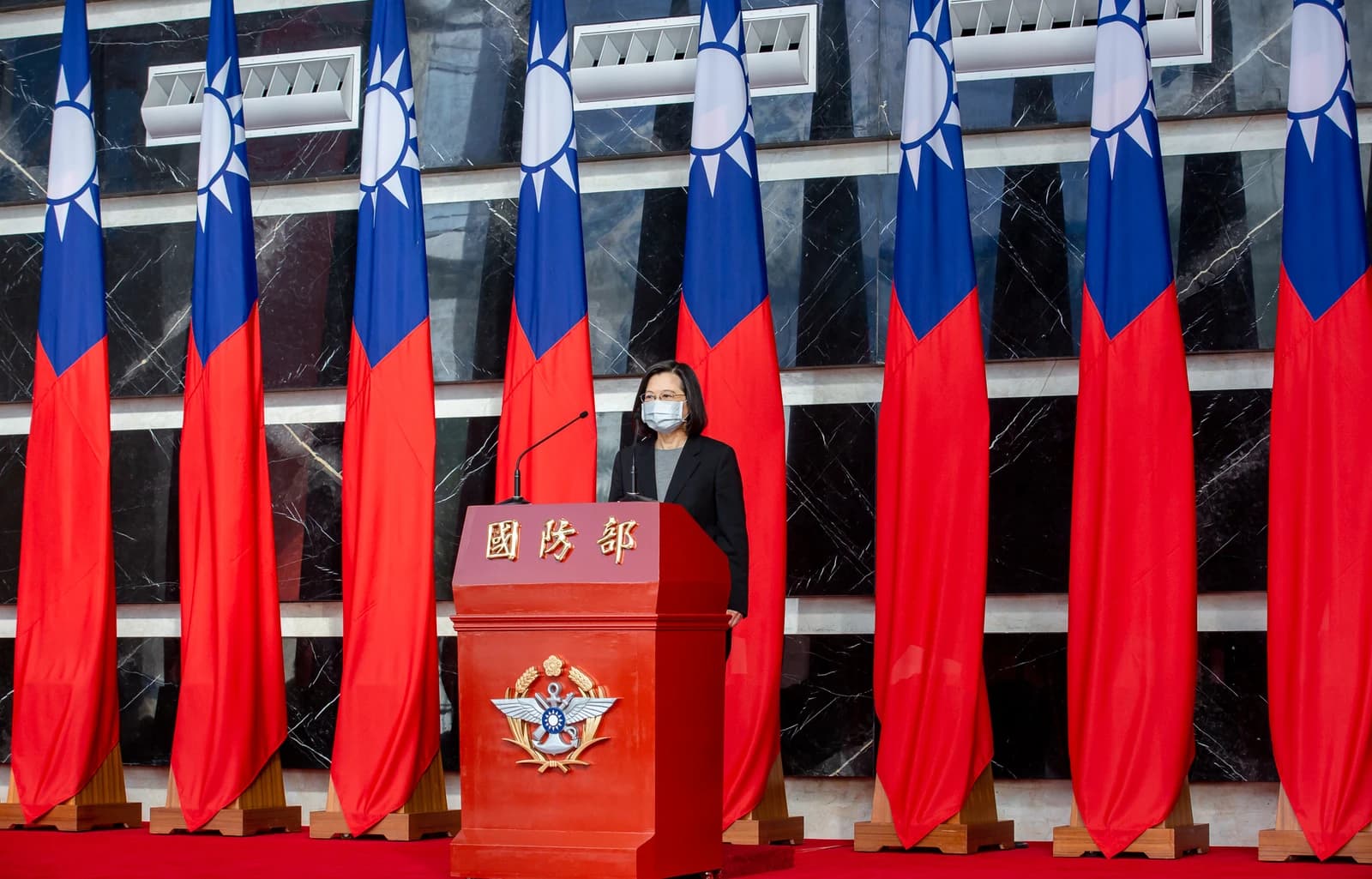
Taiwan’s government is set to propose a 16% increase in defense spending next year, a move that underlines how rising military pressure from China is now forcing a larger share of the island’s economy into security and procurement.
Taiwan plans 16% rise in defense spending
The planned budget of about 1.1 trillion Taiwan dollars, or roughly 29.5 billion euros, would push military spending back above 3% of gross domestic product in 2027, according to state news agency CNA, which cited unidentified sources. The package includes funding run by the Ministry of National Defense as well as the coast guard, veterans’ programs and special arms-acquisition projects.
Sentiment IndicatorsⓘProprietary · adalytica.com · October 7, 2026
This is a snapshot — live sentiment, awareness and momentum for 130+ markets update continuously in the dashboard.Open AlphaPulse
That matters economically because higher defense spending will support public-sector demand, but it also locks in a more expansionary fiscal stance at a time when Taiwan is balancing growth, industrial policy and regional security risk. For Taipei, the increase is a statement that deterrence now carries a rising budgetary cost. For Washington, which has pressed Taiwan to spend more on its own defense, it is evidence that the island is moving closer to US expectations. For Beijing, it is another sign that Taiwan is deepening its security alignment with the United States.
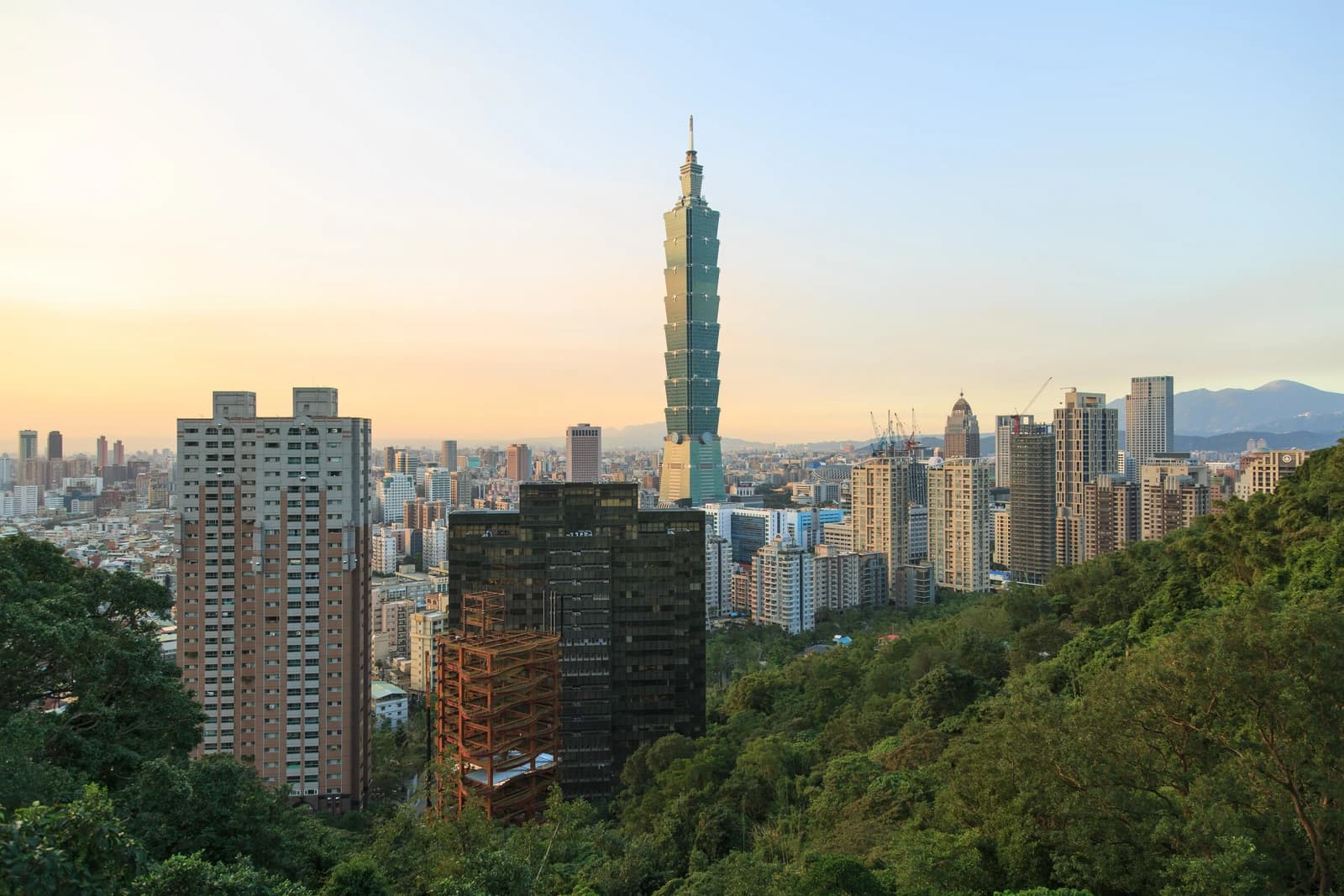
The timing is also significant for investors. Taiwan is a critical node in global electronics and semiconductor supply chains, so any deterioration in cross-strait stability carries implications well beyond the island’s defense budget. A larger military outlay may support domestic aerospace, naval and logistics procurement, while also increasing scrutiny on government borrowing and spending priorities. In equity markets, the development is likely to keep defense names in focus, particularly US contractors with exposure to Indo-Pacific rearmament and firms tied to advanced fighter aircraft, missiles and command systems.
The proposal follows a steady increase in military tension around Taiwan and comes as the island continues to modernize its forces with US support, including delivery of the first F-16V Block 70 fighter jets. It also lands against a backdrop of wider concern among allies and corporates about contingency planning for Taiwan-related risk, reflecting how security considerations are increasingly bleeding into investment decisions and supply-chain management.
For investors, the key question is not whether Taiwan will spend more, but how quickly that spending translates into contracts, imports and capability. If the budget clears smoothly, it could reinforce demand for foreign weapons systems and related suppliers. If politics or fiscal constraints slow implementation, the headline increase may prove less meaningful in practice. Either way, the move signals that Taiwan’s defense burden is rising and that geopolitical risk remains a durable market variable.
| Entity | Gains | Losses |
|---|---|---|
| Taiwan defense ministry | ▲Larger procurement budget | ▼Higher fiscal pressure |
| US arms suppliers | ▲More contract demand | ▼— |
| Beijing | ▲— | ▼Taiwan’s military buildout |
| Taiwanese taxpayers | ▲— | ▼Higher public spending burden |