US Senator Michael Bennet is in Taiwan this week for high-level meetings on US-Taiwan relations, regional security and Indo-Pacific coordination, underscoring Washington’s support for Taipei at a time of elevated friction with Beijing.
Senator Michael Bennet Visits Taiwan
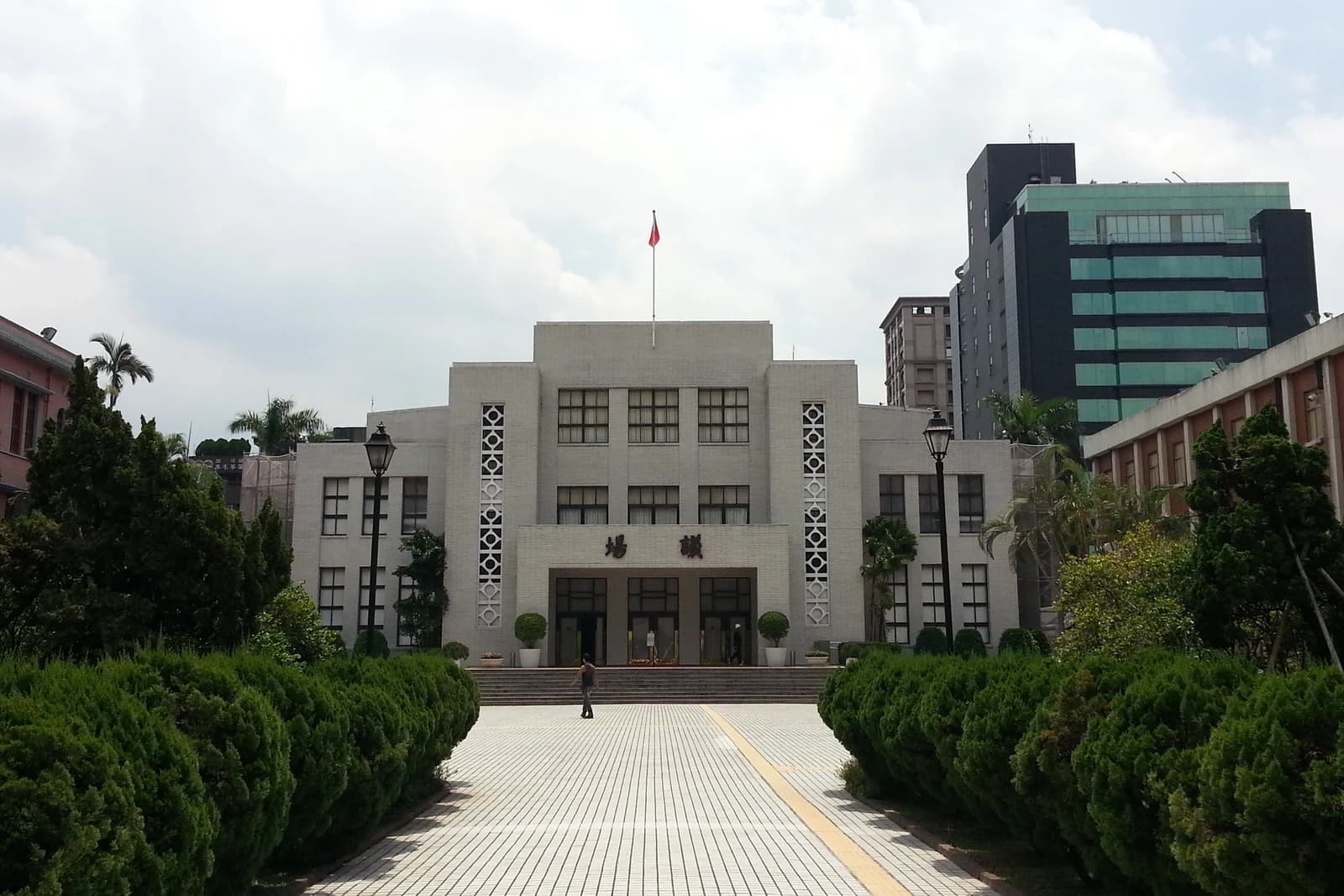
The visit matters because Taiwan sits at the center of the most sensitive flashpoint in US-China relations. Any fresh sign of US political engagement — even from a senator rather than a cabinet official — is watched closely in Taipei, Beijing and by global investors who track semiconductor supply-chain risk, defense spending and cross-strait stability.
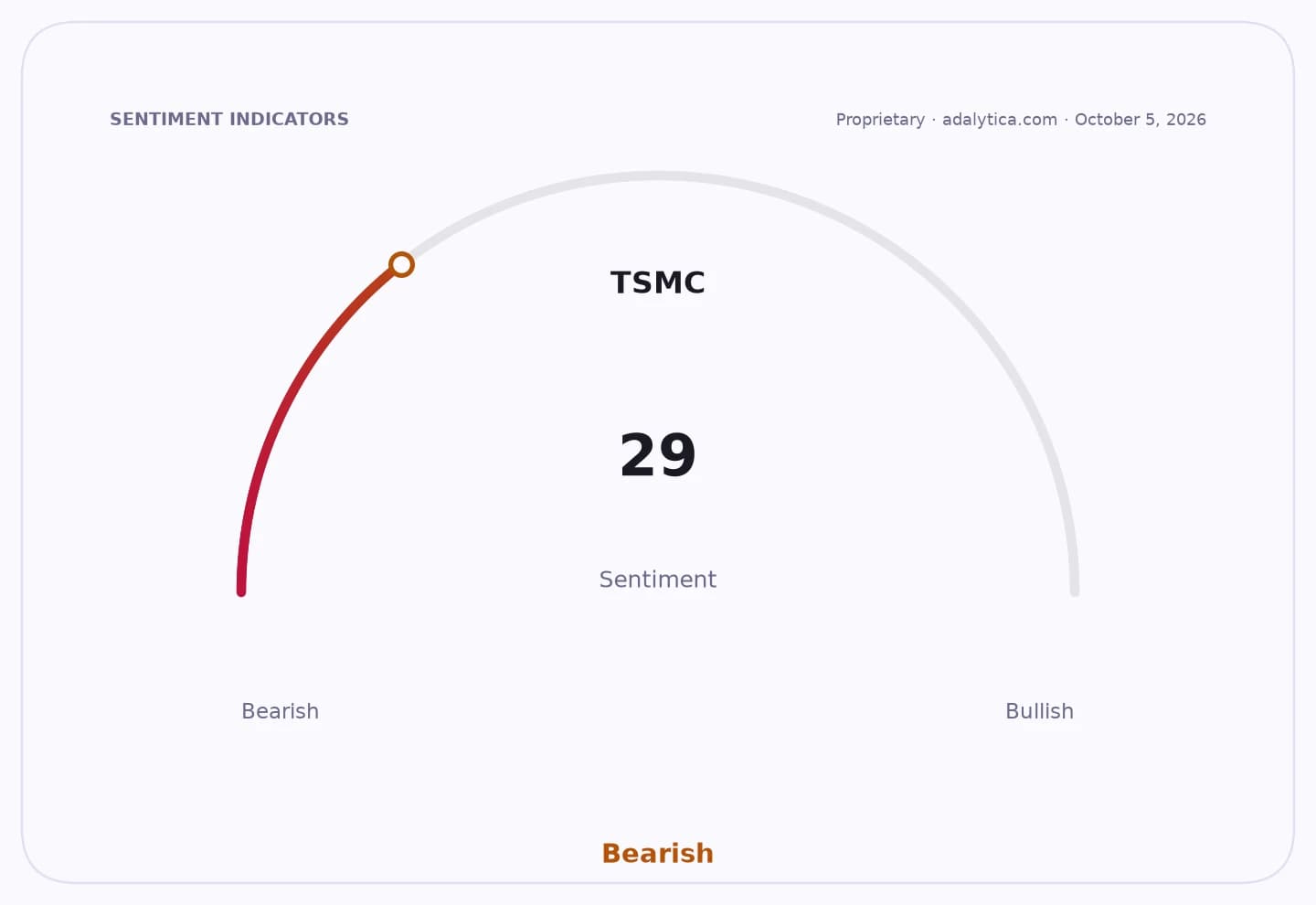
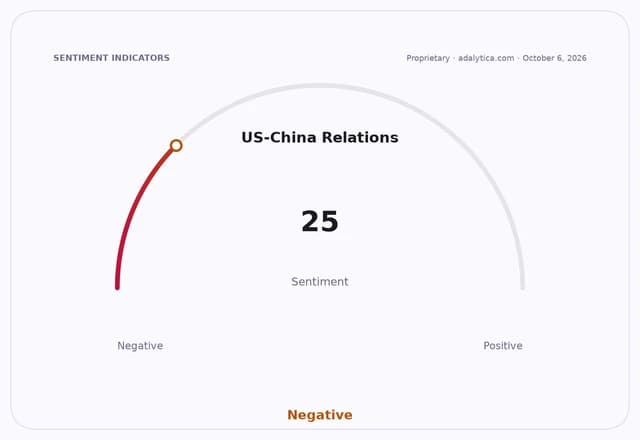
Sentiment IndicatorsⓘProprietary · adalytica.com · October 6, 2026
This is a snapshot — live sentiment, awareness and momentum for 130+ markets update continuously in the dashboard.Open AlphaPulse
The American Institute in Taiwan said Bennet, a Colorado Democrat and member of the Senate Intelligence, Finance, Agriculture and Rules committees, will meet senior Taiwanese leaders during the trip, which runs through Thursday. The AIT said the discussions will cover US-Taiwan ties, regional security and “other issues of mutual interest.”
Bennet has previously backed legislative efforts aimed at boosting US-Indo-Pacific intelligence cooperation and strengthening the US-Taiwan space partnership, giving the trip added weight beyond symbolism. His stop in Taipei is part of a broader Indo-Pacific tour that the AIT said reinforces a “free and open Indo-Pacific,” language that has become shorthand for US efforts to counter China’s military and economic influence in the region.
The visit comes as Taiwan faces persistent pressure from China, including espionage-related accusations and broader diplomatic contestation, while Taipei keeps pushing for deeper security and political ties with Washington and other partners. For markets, that keeps attention on Taiwan’s strategic industries — above all semiconductors — as well as defense names and Taiwan-linked ETFs that tend to move on signs of rising geopolitical risk.
Taiwan equities have already been volatile, with the iShares MSCI Taiwan ETF slipping back toward the low-$30s after earlier gains this year, while Taiwan Semiconductor Manufacturing Co. has held near record territory despite sharp swings. With US-China relations still fragile, any escalation or new diplomatic signal from either side could quickly feed into risk appetite across Asian equities, chips and the broader emerging-markets complex.
Investors will now look for any readout from Bennet’s meetings and whether Beijing responds with rhetoric or military signaling. The bigger question is whether Washington’s bipartisan Taiwan engagement keeps deepening ahead of 2027, a year many in the region still view as a potential stress point for cross-strait security.
| Entity | Gains | Losses |
|---|---|---|
| Taiwan government | ▲US political backing | ▼Diplomatic isolation pressure |
| US lawmakers | ▲Indo-Pacific influence | ▼Risk of China backlash |
| TSMC and Taiwan tech | ▲Strategic support narrative | ▼Geopolitical risk premium |
| China | ▲None | ▼Stronger US-Taiwan ties |