A California real-estate agent was arrested at Los Angeles International Airport on suspicion of acting as an unregistered Chinese agent, in a case that deepens concerns that Beijing is extending its pressure campaign against Taiwan beyond the island and into the United States.
Taiwan Family Surveillance Case Raises U.S.-China Risk
Federal prosecutors allege Wanying “Heather” Zhang, 34, helped surveil the U.S.-based family of Taiwan President Lai Ching-te’s son in Seattle, collecting photos, video and vehicle registration numbers that investigators say could be used by Chinese authorities to gain leverage over Taiwan’s leadership in a crisis. The complaint has not been tested in court, but the alleged operation is politically significant because it suggests the contest over Taiwan is no longer confined to military drills, cyberattacks and maritime harassment; it also includes intelligence-gathering on relatives of senior officials living overseas.
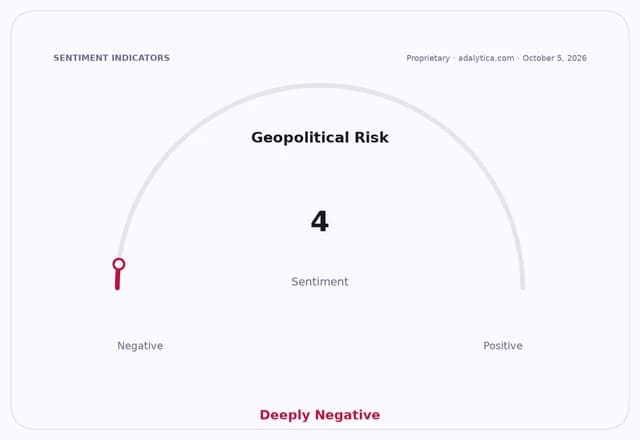
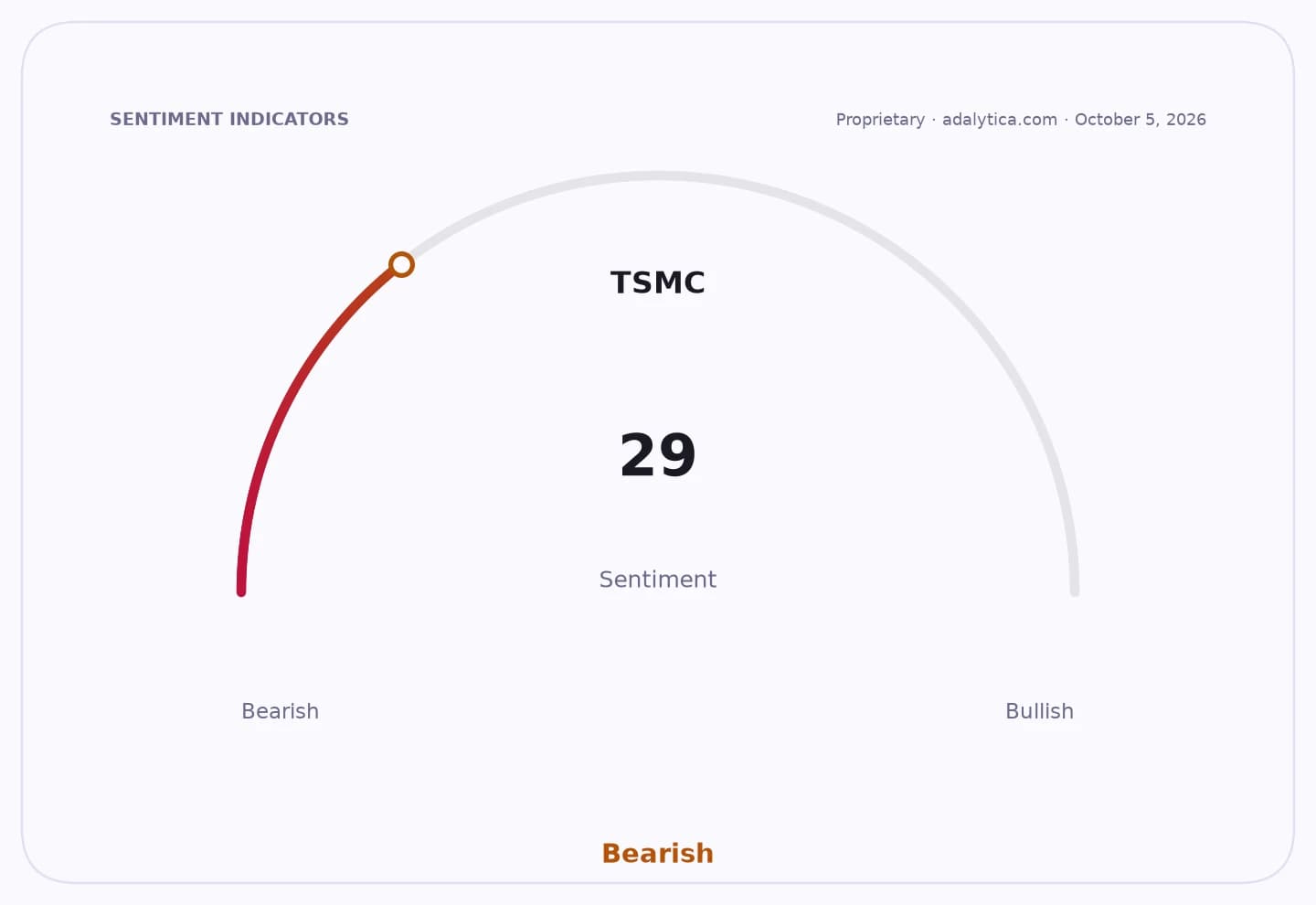
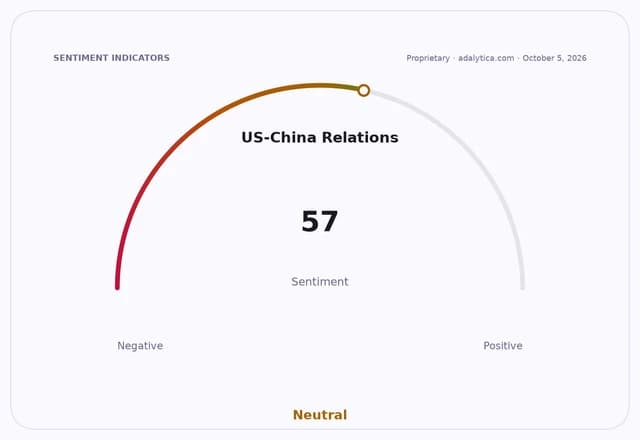
For investors, the case is another reminder that U.S.-China friction remains a structural risk rather than a headline cycle. Taiwan sits at the center of global semiconductor supply chains, with Taiwan Semiconductor Manufacturing Co. among the world’s most important strategic companies, and any escalation in cross-strait pressure can quickly filter into valuations for chips, defense and broader Asia risk assets. Taiwan-focused equities, including the iShares MSCI Taiwan ETF, have shown strong recent volatility, underscoring how geopolitical shocks can move market sentiment even when the direct economic impact is limited.
The FBI affidavit says Zhang and an accomplice traveled to Seattle in September and appeared to record the family as they arrived home. Investigators also allege she later messaged a contact, “I can take care of this thing,” and sent the vehicle plates to someone she appeared to believe worked for the Chinese government. Authorities said the messages were recovered from her iCloud account. Zhang was arrested as she was preparing to fly from Los Angeles to Shanghai.
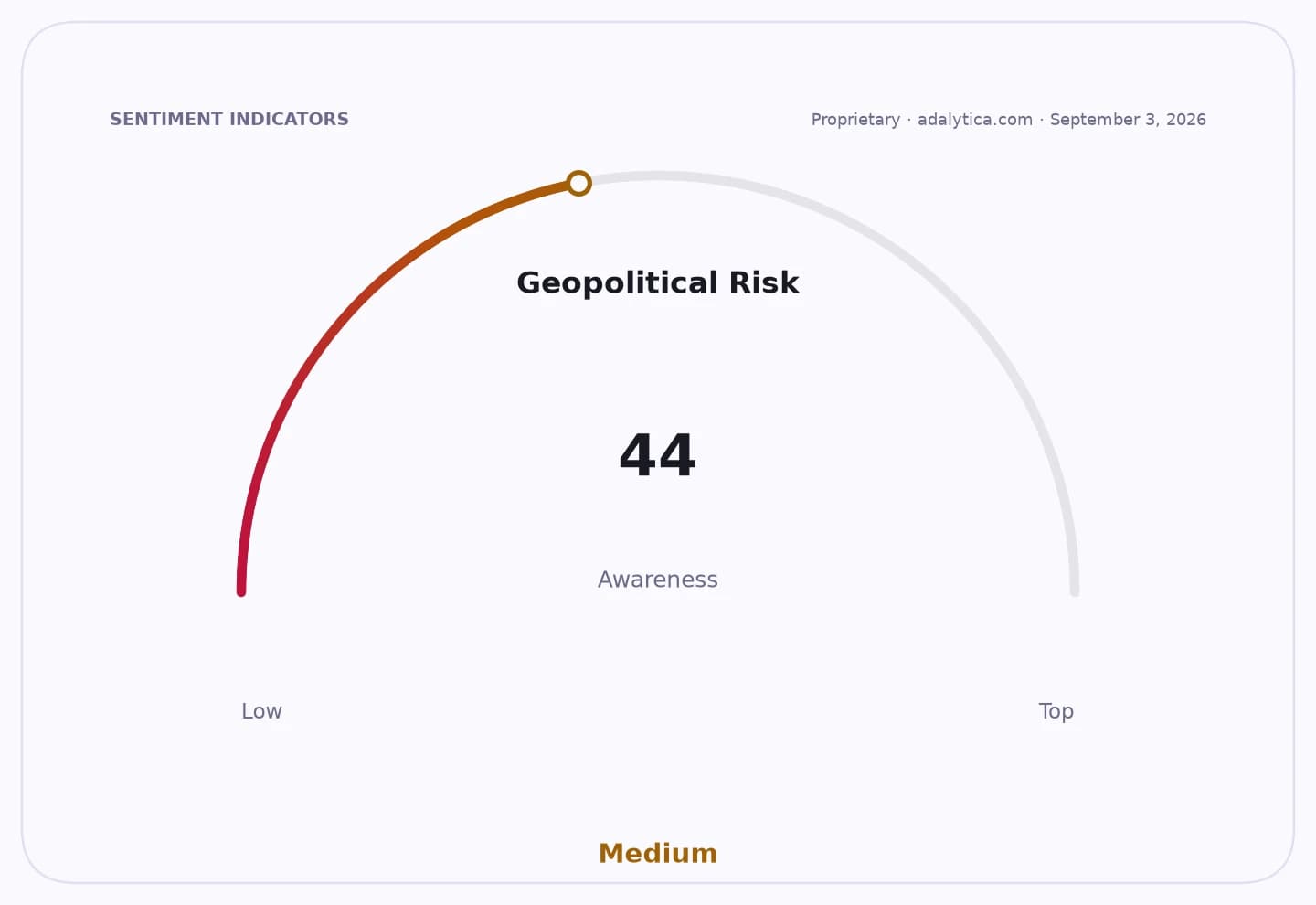
US-China Relations vs TSMadalytica.com
Explore this data interactively — full history, time series and cross-market comparisons.Open AlphaPulse
The allegations fit a broader U.S. law-enforcement pattern in which prosecutors have accused people linked to China of covert surveillance, harassment or influence activity targeting dissidents and opponents abroad. Previous cases have included convictions and arrests over alleged clandestine operations in New York, part of Washington’s wider warning that Beijing’s security apparatus has used unofficial networks to monitor people overseas.
The timing matters. Washington has been tightening support for Taipei, including faster arms deliveries, while Beijing continues to intensify pressure through patrols and intimidation tactics. That combination raises the risk of more counterintelligence cases, more political strain between the U.S. and China, and a higher strategic risk premium for assets tied to Taiwan, semiconductors and the broader Indo-Pacific.
For now, the market impact is likely to be indirect rather than immediate. But the case reinforces a central investor takeaway: Taiwan exposure is not just about chip demand and manufacturing margins. It is also about geopolitical vulnerability, and that risk is becoming more visible in the U.S. legal system as well as in the Strait.
| Entity | Gains | Losses |
|---|---|---|
| U.S. law enforcement | ▲Counterintelligence leverage | ▼None in the near term |
| Taiwan government | ▲International sympathy | ▼Security pressure |
| China | ▲None | ▼Diplomatic scrutiny |
| Taiwan-linked equities | ▲Safe-haven support | ▼Geopolitical discount |