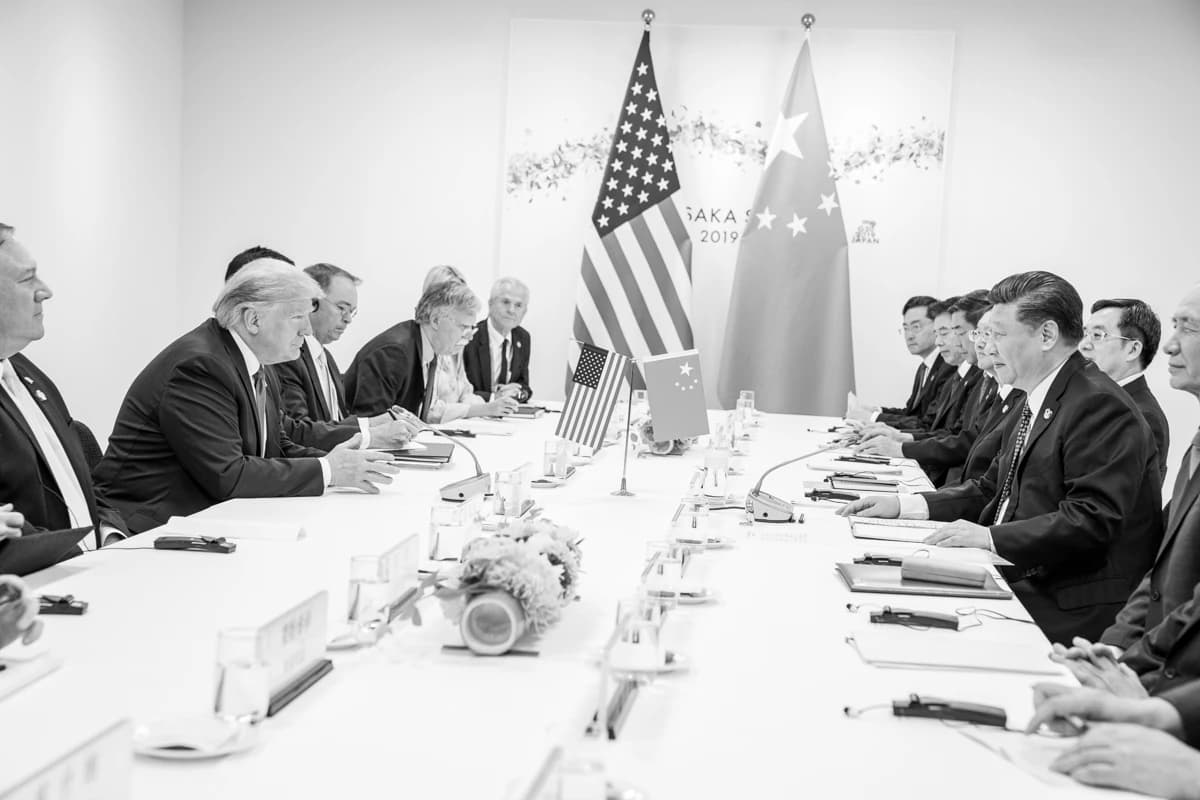
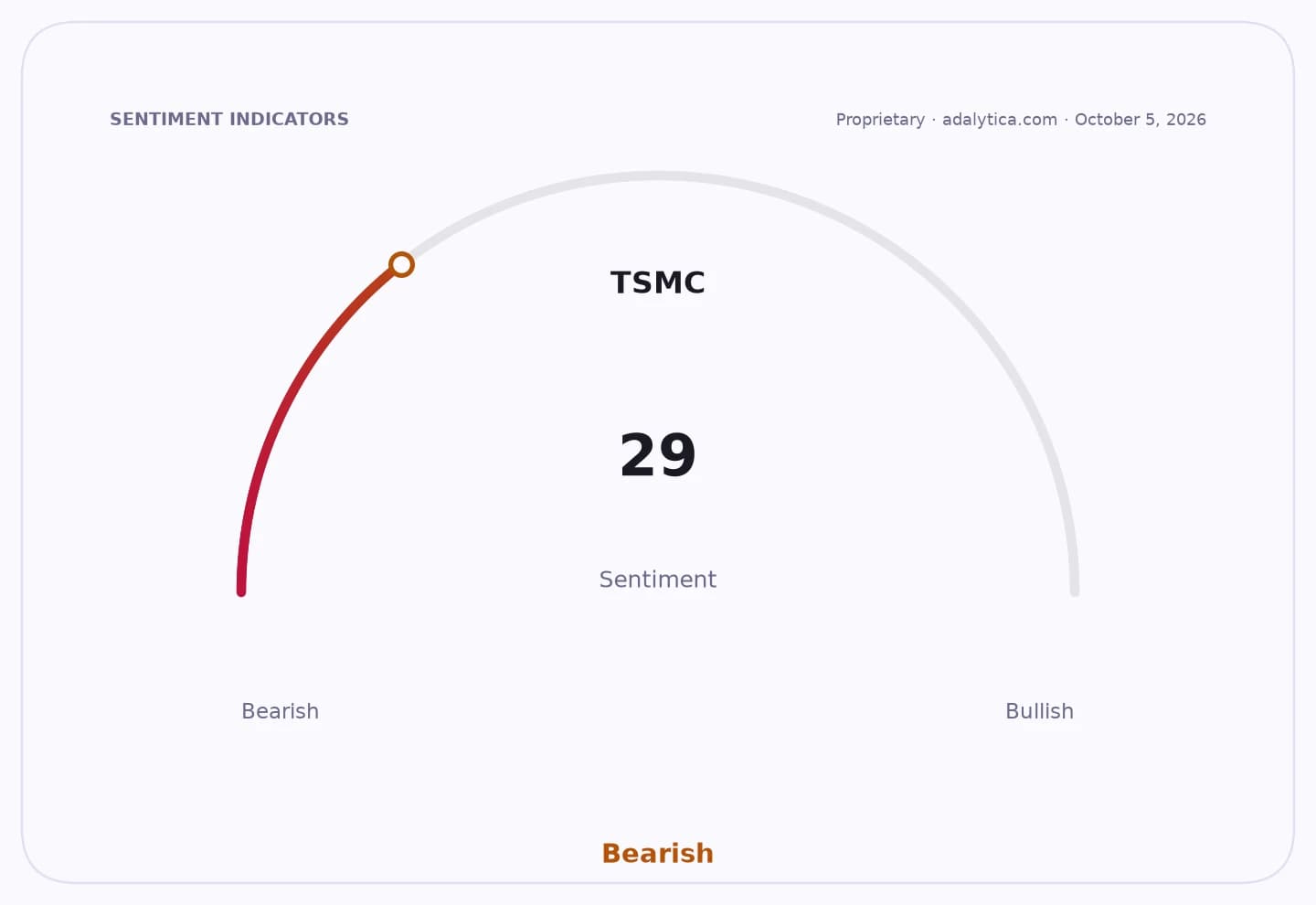
President Donald Trump’s summit with Chinese President Xi Jinping has not altered the basic U.S. policy stance on Taiwan, even as Washington moves to accelerate long-delayed arms deliveries and the strategic rivalry shifts deeper into AI and semiconductors.
Taiwan Policy Unchanged After Trump-Xi Summit
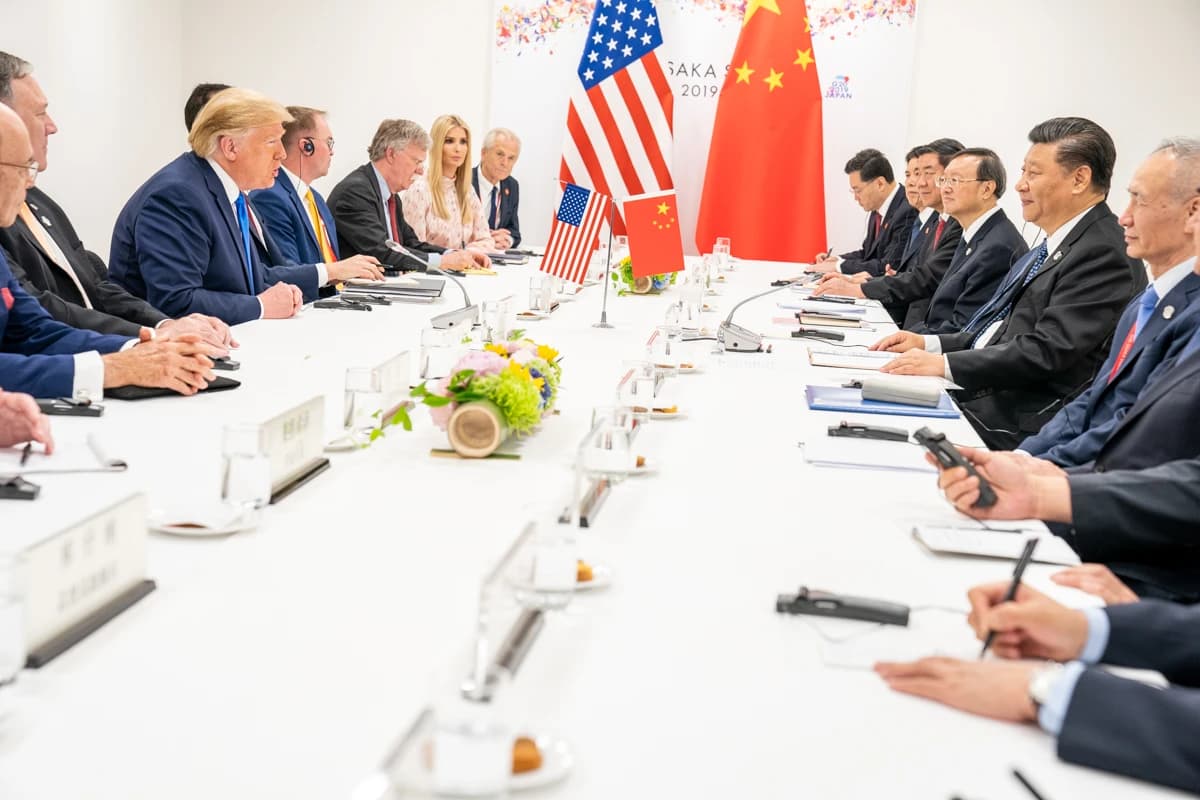
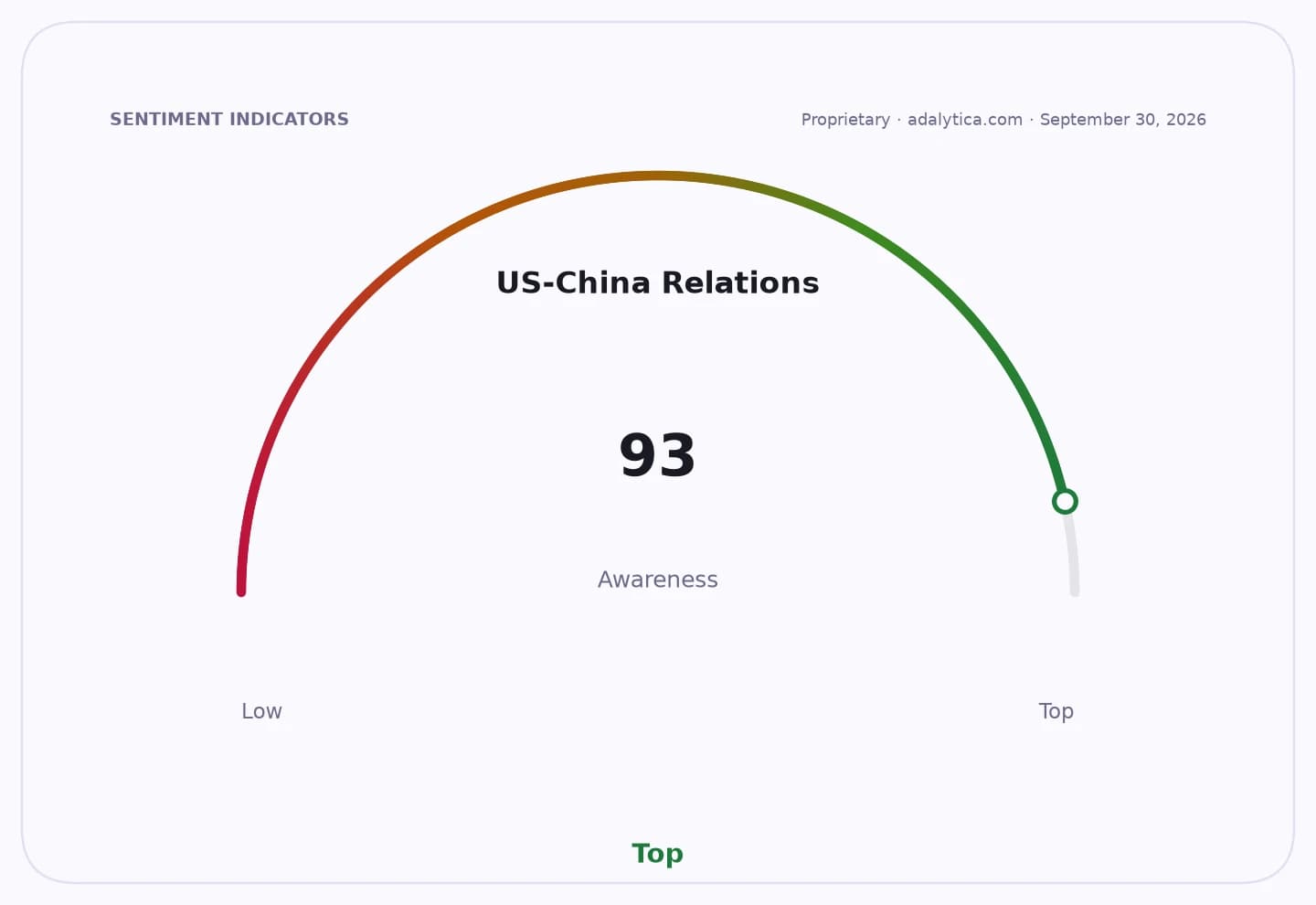
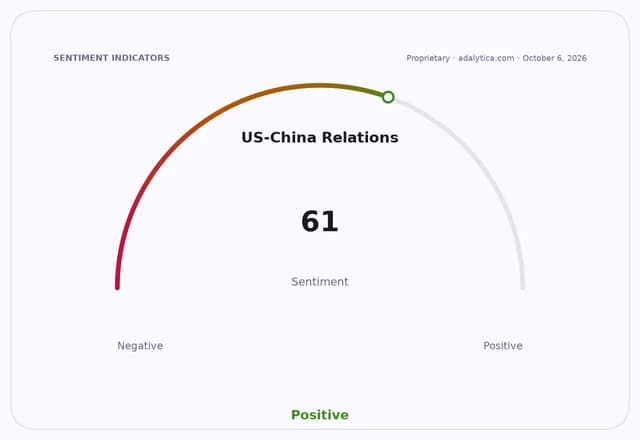
That matters because the market is still pricing U.S.-China relations as a diplomatic headline rather than a structural investment regime. The real story is that the two sides are trying to preserve a workable relationship at the top level while hardening their positions underneath — on Taiwan security, defense procurement and the race for artificial intelligence infrastructure.
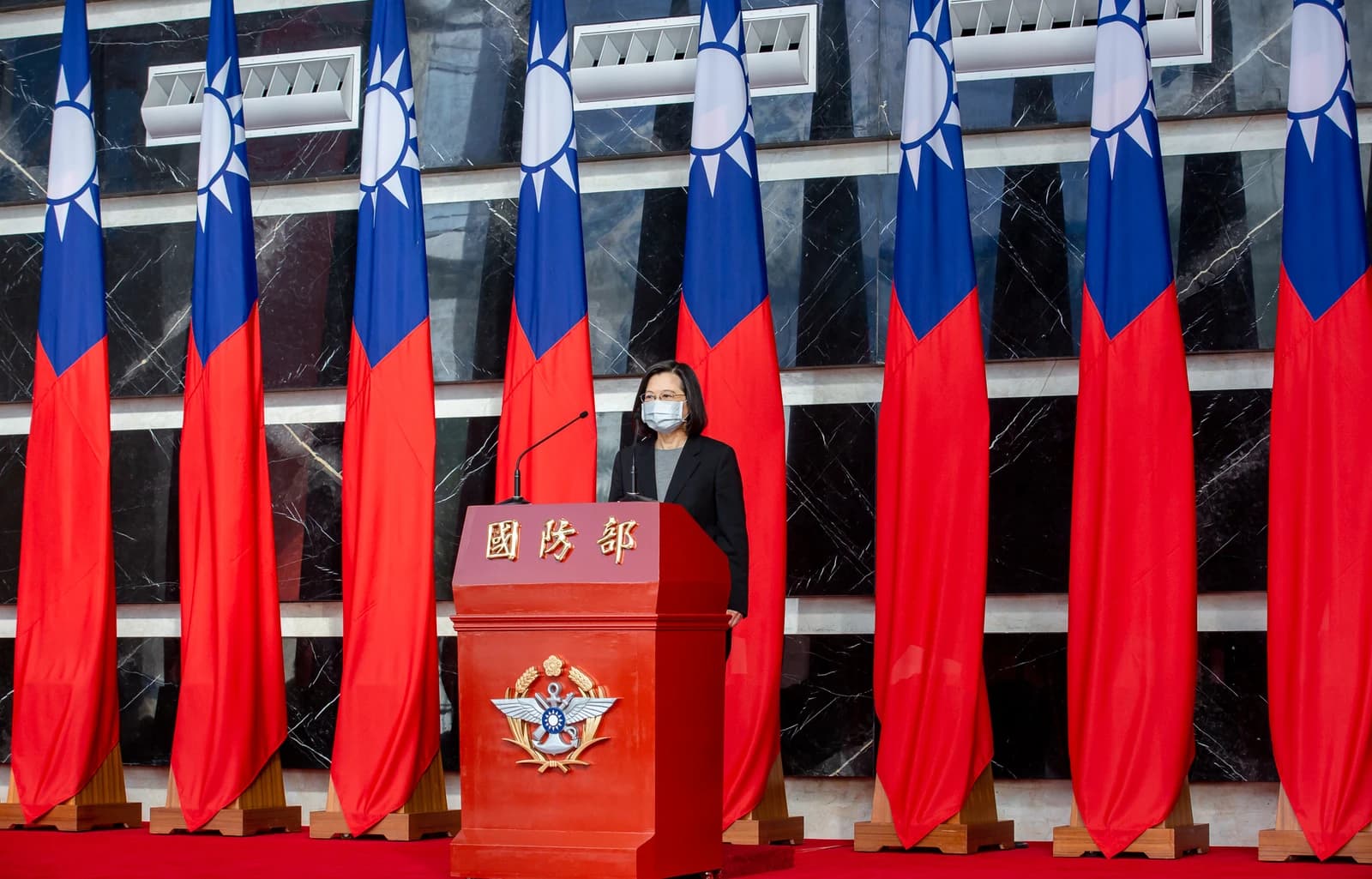
Taiwan’s representative in Washington, Alexander Yui, said U.S. policy toward the island has “not changed” and that contacts with American officials have been “continuous, regular and very close” before and after the summit. U.S. ambassador to China David Perdue also said Washington’s Taiwan policy remains unchanged, underscoring that the summit did not produce a reset on the issue that matters most for cross-strait risk.
For investors, that means the summit reduces the odds of a near-term shock, but it does not eliminate the medium-term premium attached to Taiwan, defense and supply-chain resilience. In other words, de-escalation at the headline level is not the same as de-risking the portfolio.
The clearest evidence is on the military side. Two F-16V Block 70 fighters reached Taiwan a week after the Trump-Xi meeting, and Yui said the U.S. government and contractors are working to speed up delivery of weapons already purchased by Taipei. He said the Trump administration’s second term has approved about $11 billion in arms sales to Taiwan, a sign that deterrence spending remains a bipartisan priority in Washington.
That has direct economic implications. More U.S. military support for Taiwan means sustained orders for defense contractors, missile-defense systems, communications gear and other asymmetric warfare equipment. It also reinforces the market’s view that geopolitical risk in the Taiwan Strait is now a recurring capex theme, not a one-off event.
The larger investment story, though, is technology. Yui argued that Taiwan’s strategic value now extends beyond geopolitics into the super-intelligence race, because its advanced semiconductor industry sits at the center of global AI servers, data centers and chip supply chains. That is the part the market still underestimates: Taiwan is not just a flashpoint, it is a toll road for the AI buildout.
That makes Taiwan a core node in the same secular trade driving spending on chips, foundry capacity, power, cooling, networking and defense-grade resilience. The more Washington and Beijing compete in AI, the more capital must flow into the infrastructure that supports it — and Taiwan remains indispensable to that supply chain.
The narrative also points to a practical middle ground in U.S.-China relations. The two governments can keep high-level dialogue alive, avoid a complete breakdown in trade and security channels, and still expand strategic competition in technology and military preparedness. That is a constructive backdrop for markets, but it is not a reason to fade geopolitical hedges.
The actionable takeaway is straightforward: treat the Trump-Xi summit as a stability event, not a peace dividend. I believe the best opportunities remain in the picks-and-shovels of the AI and defense supercycle — chip suppliers, advanced manufacturing names, defense contractors and infrastructure beneficiaries — because the summit leaves the rivalry intact while confirming that both sides are still investing for a longer, harder competition.
| Entity | Gains | Losses |
|---|---|---|
| Taiwan / TECRO | ▲Policy continuity | ▼No security reprieve |
| U.S. defense contractors | ▲Faster arms orders | ▼None from de-escalation |
| AI chip and infrastructure suppliers | ▲Continued capex demand | ▼None from summit calm |
| China | ▲Lower near-term diplomatic friction | ▼Less leverage on Taiwan pressure |