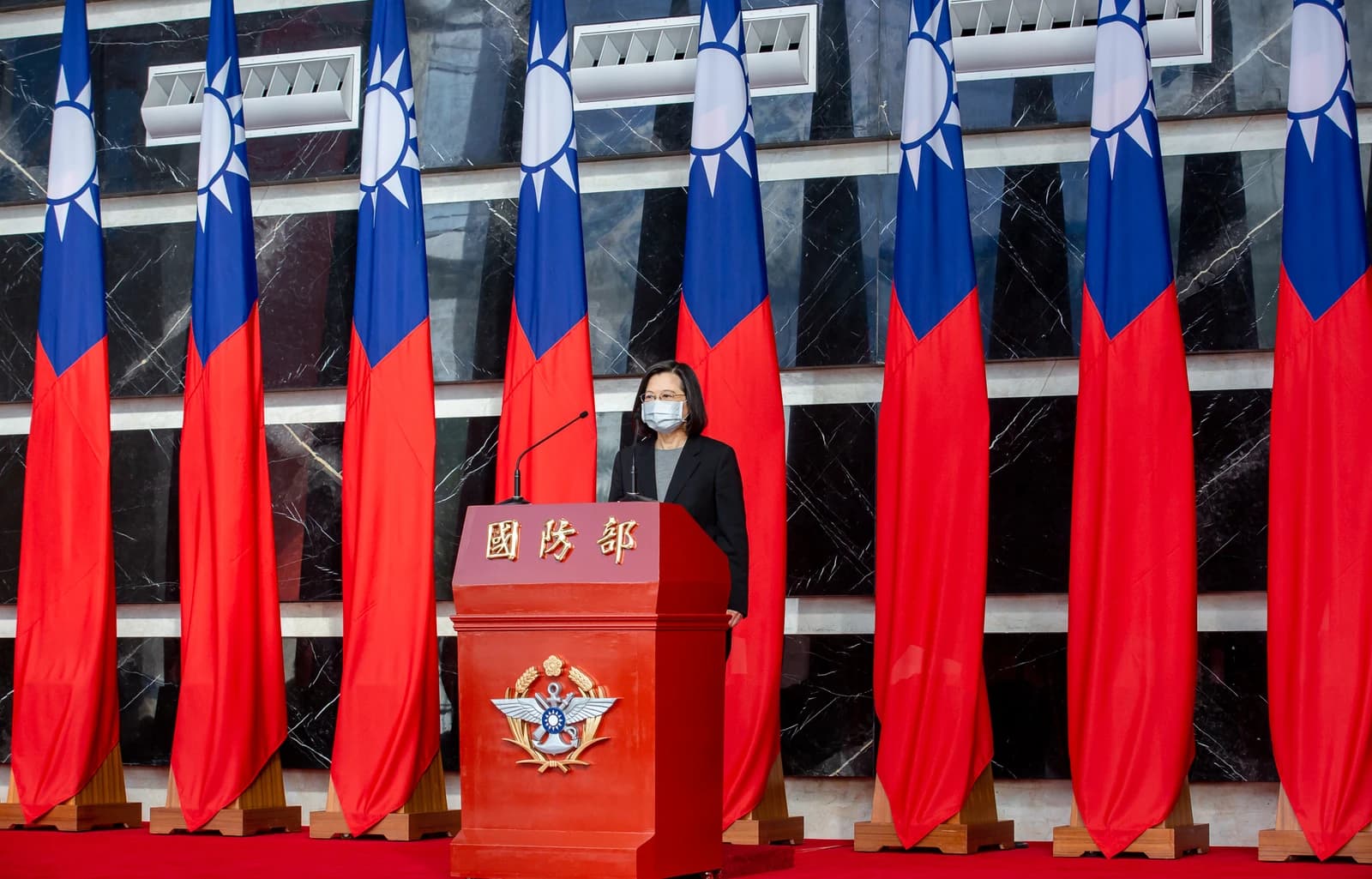
Taiwan is waiting for President Donald Trump to decide on a $14 billion U.S. arms package, with air defenses likely to make up a large share of the deal, as Washington’s warmer ties with Beijing intensify fears the island could become bargaining chip in wider trade talks.
Taiwan Awaits Trump Decision on $14 Billion Arms Deal
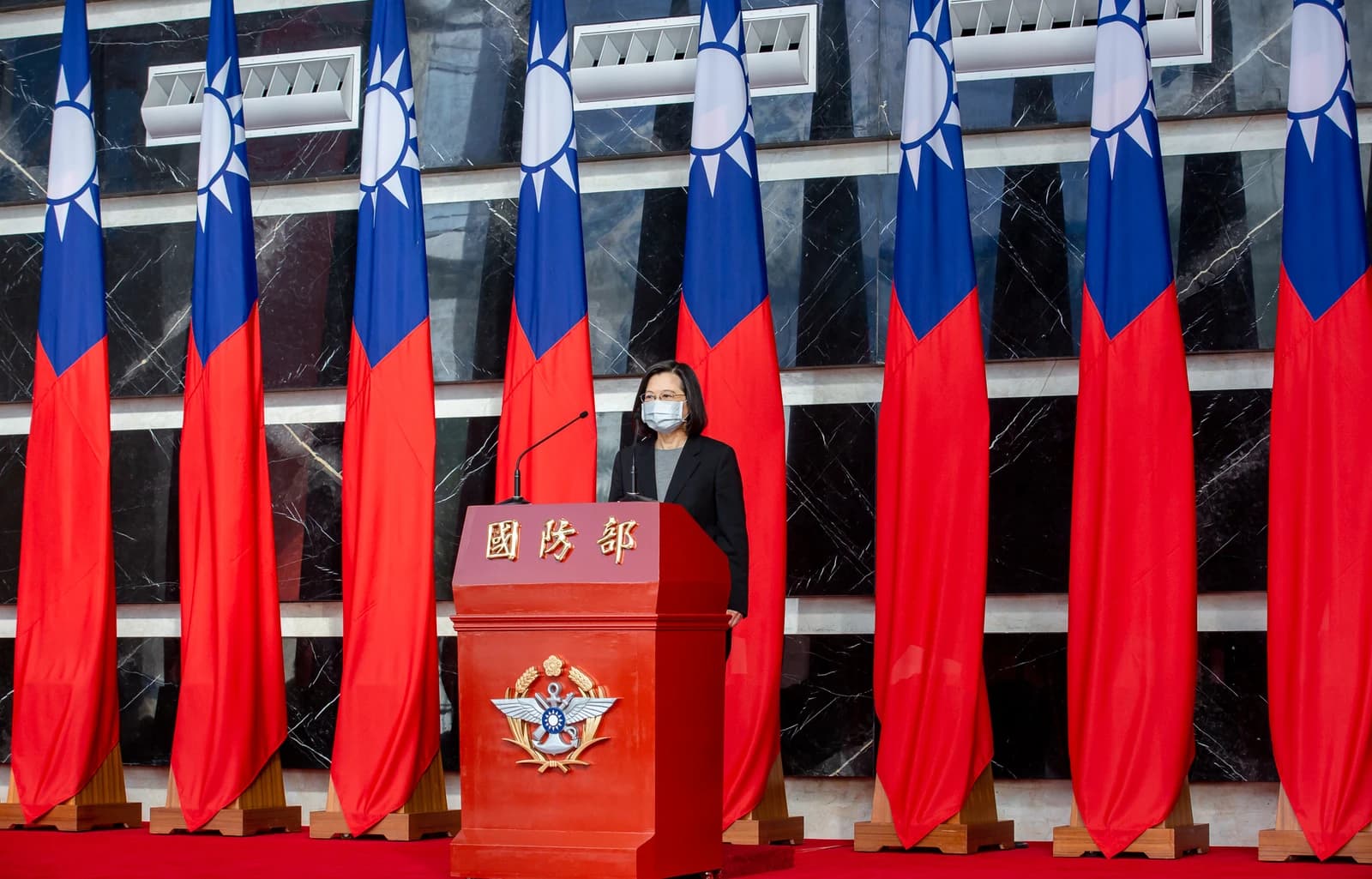
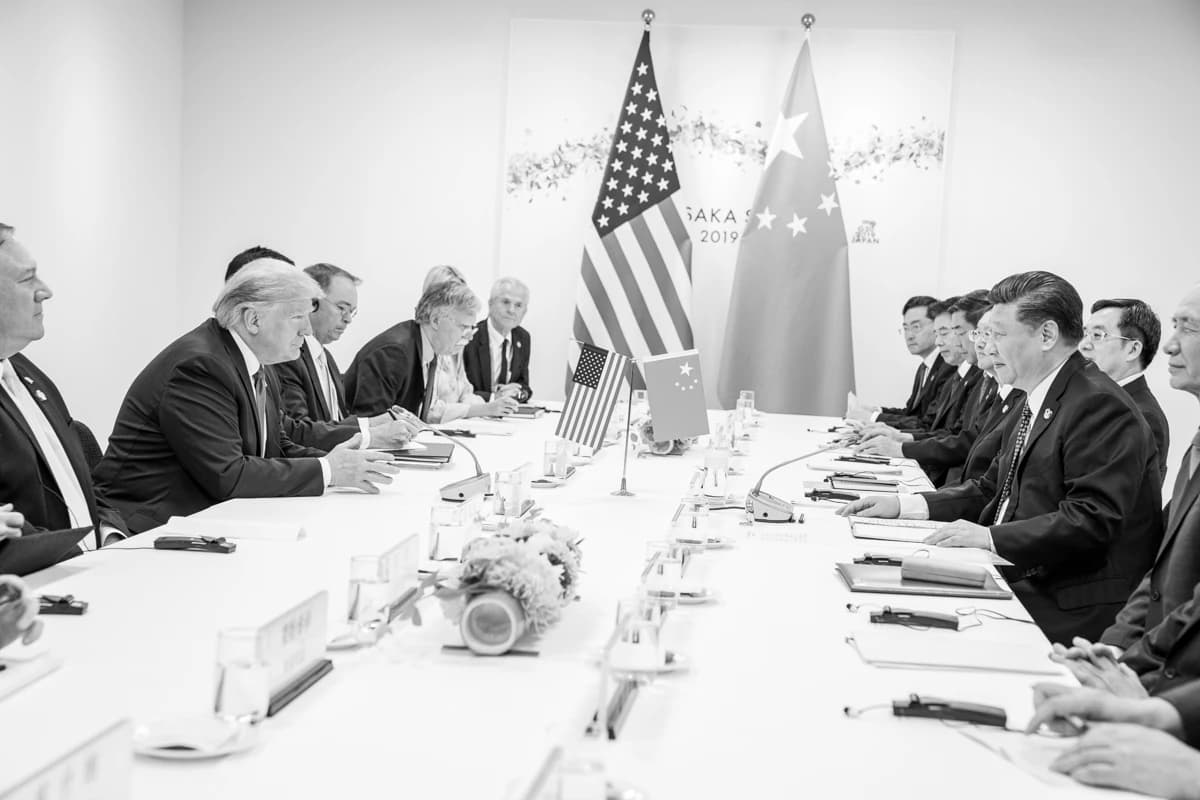
The timing matters because Taiwan’s security posture depends heavily on steady U.S. weapons deliveries, while any hint that arms sales are being folded into Trump’s talks with Xi Jinping would rattle Taipei and complicate deterrence calculations in the Taiwan Strait. A senior U.S. administration official said Trump would decide “quite quickly,” but gave no timetable.
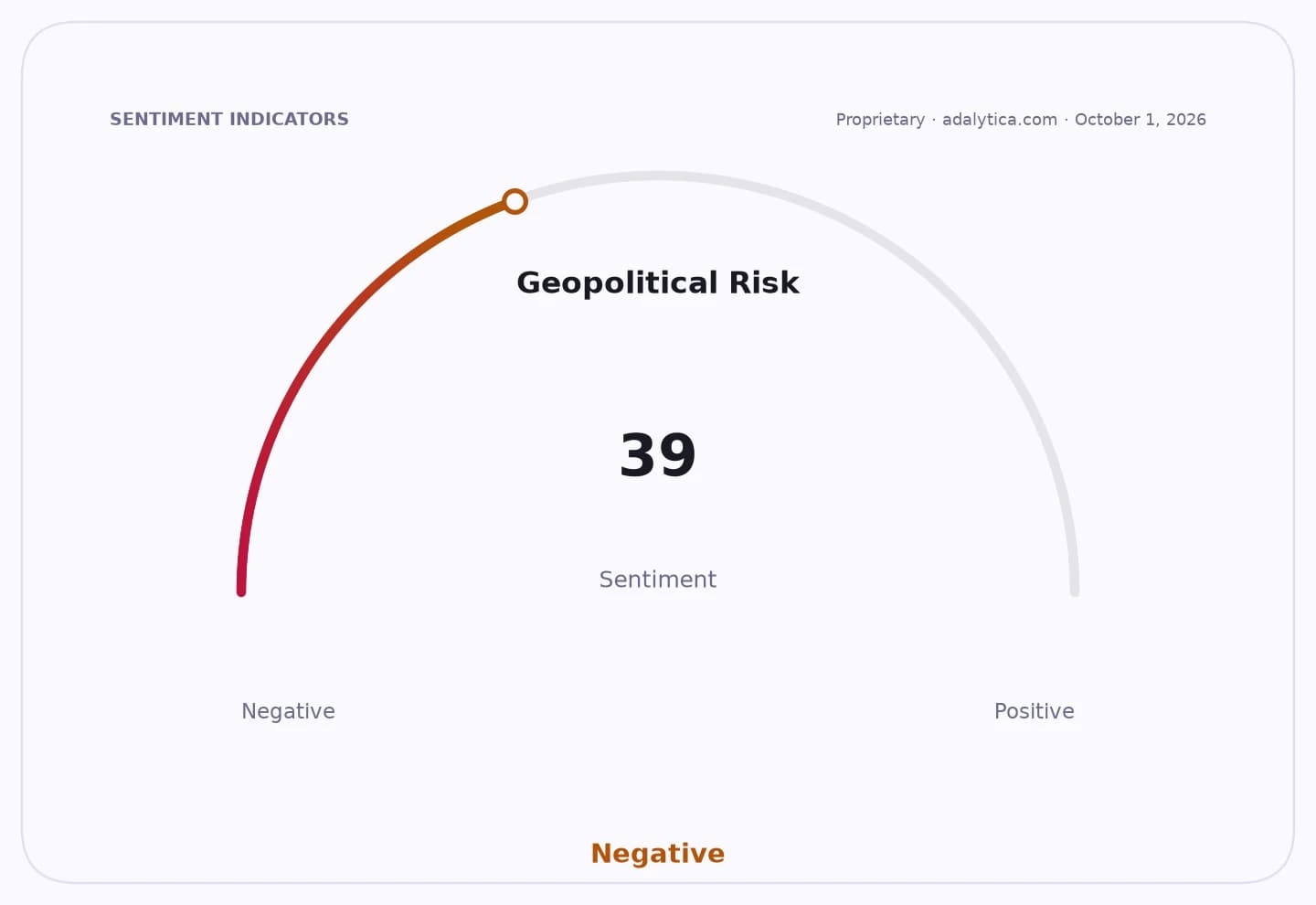
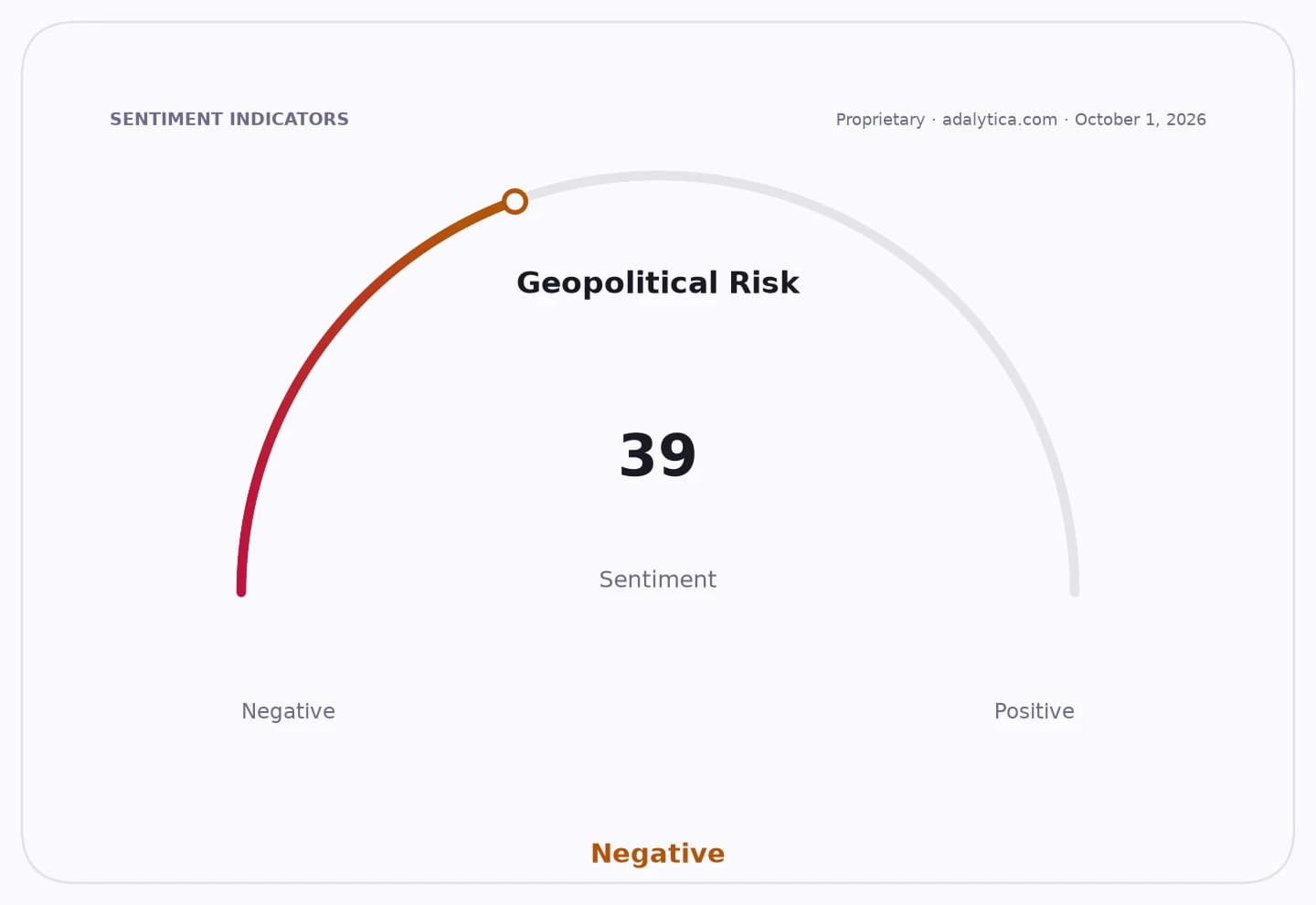
Sentiment IndicatorsⓘProprietary · adalytica.com · October 5, 2026
This is a snapshot — live sentiment, awareness and momentum for 130+ markets update continuously in the dashboard.Open AlphaPulse
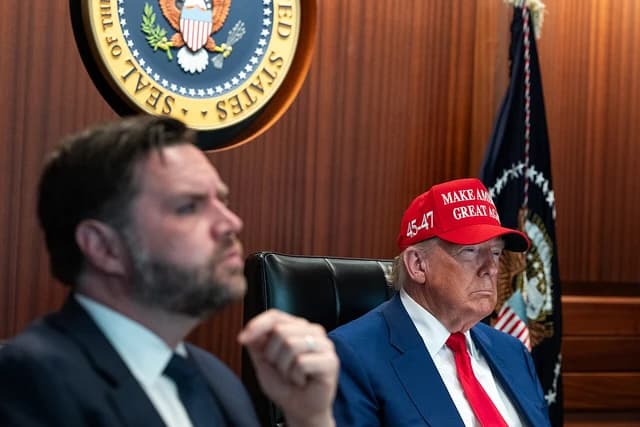
Taiwan’s representative in Washington, Alexander Yui, said he expects approval of the package and stressed that U.S. policy toward Taiwan has not changed despite Trump’s more active engagement with Xi. He said Taipei’s priority is to ensure the island is not “in the menu” ahead of any future Trump-Xi meeting, a blunt reminder that the issue is becoming part of the broader U.S.-China bargaining table.
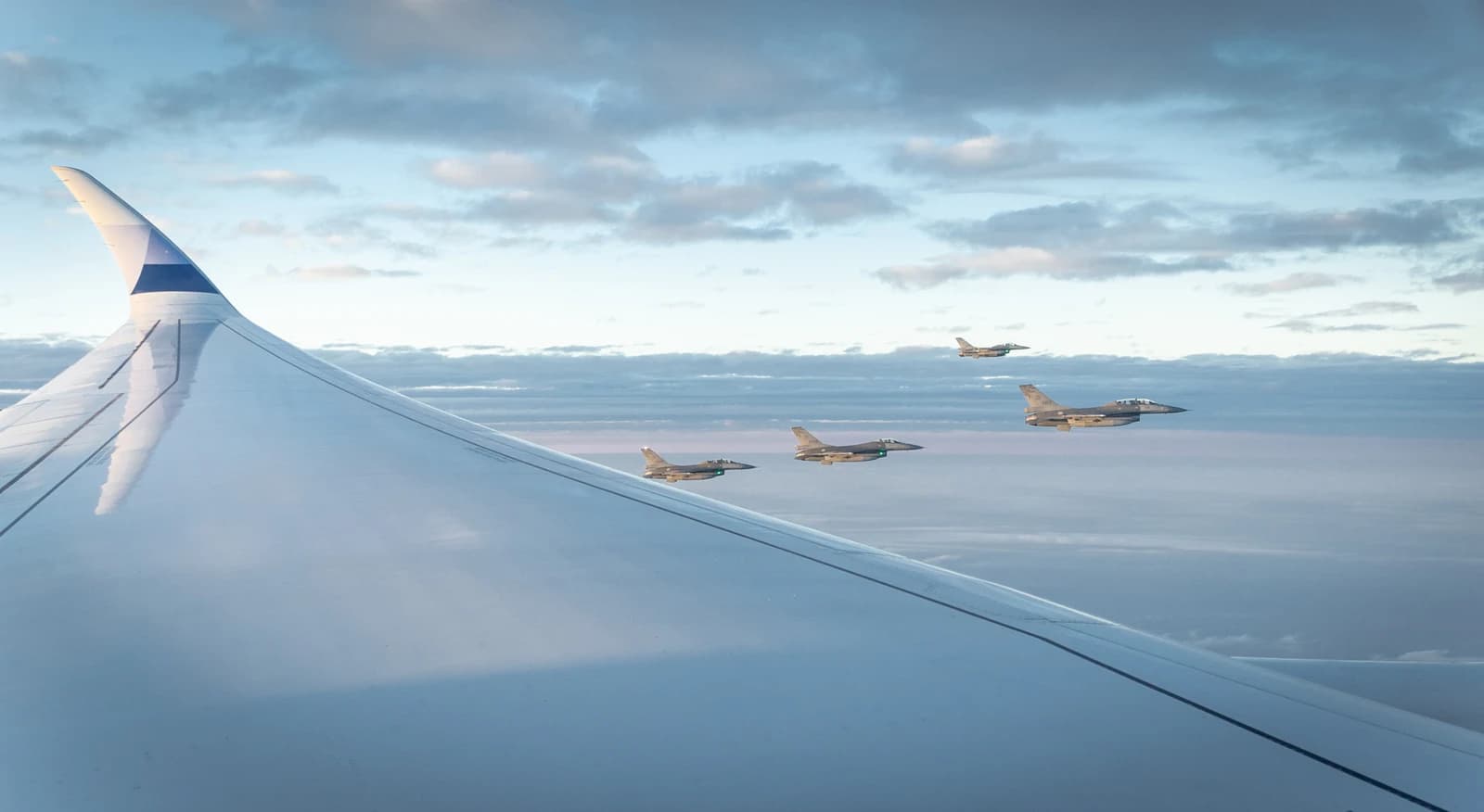
The package would follow a record $11 billion sale approved by Trump in December, underscoring how Taiwan is leaning on Washington for faster replenishment of missiles, air defense systems and other equipment as China keeps up military pressure around the island. For defense contractors, another large Taiwan order would reinforce demand in a sector already benefiting from elevated geopolitical risk and sustained foreign military sales.
Investors will focus on the contract mix and timing. Air-defense systems are typically a high-value, long-cycle category that can support backlogs at companies such as RTX, Lockheed Martin and Northrop Grumman, while any delay or dilution of the package would be read as a political risk to future sales rather than a demand problem.
The dispute lands amid a broader deterioration in global stability, with geopolitical-risk gauges showing extreme fear and U.S.-China relations sentiment still only neutral after sharp swings in recent days. Markets have already shown they are sensitive to trade and security signals from Washington and Beijing, and a Taiwan deal tied too closely to Trump’s China diplomacy could add another layer of volatility.
The near-term catalyst is Trump’s decision, with the bigger risk being whether Taiwan weapons sales remain a standalone security issue or become part of a wider U.S.-China trade bargain.
| Entity | Gains | Losses |
|---|---|---|
| Taiwan | ▲stronger air defenses | ▼bargaining leverage risk |
| U.S. defense contractors | ▲backlog and sales growth | ▼delay in award timing |
| Trump administration | ▲leverage in talks with China | ▼criticism over Taiwan trade-off |
| China | ▲potential room to pressure Taipei | ▼tougher Taiwanese deterrence |