Taiwan has received the first of its new U.S.-built F-16V Block 70 fighters, a delayed delivery that matters because it starts turning a long-promised arms package into real combat capability as Beijing intensifies pressure around the island.
Taiwan receives first F-16V Block 70 fighter jet
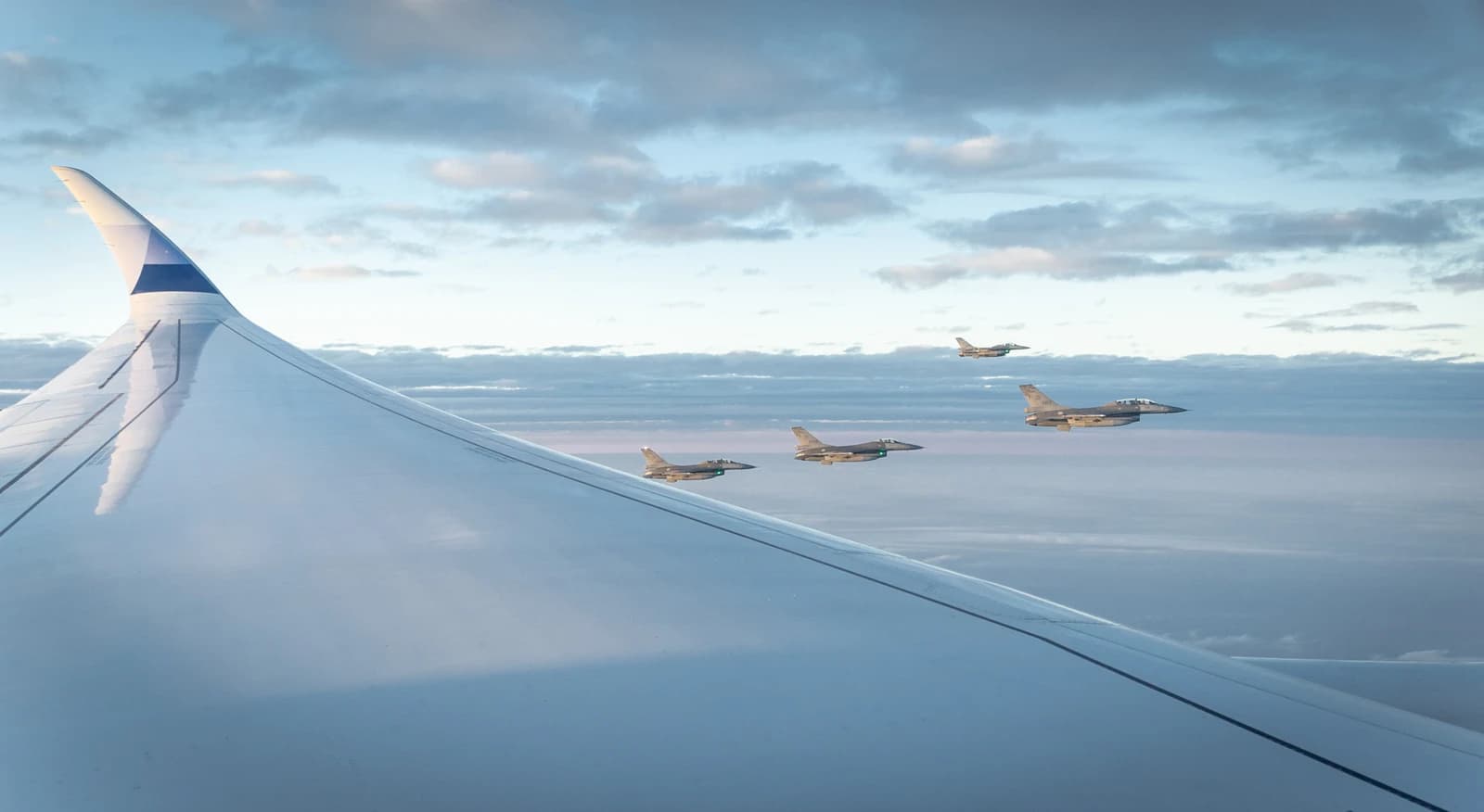
The jets landed safely at Chihhang air base in Taitung, Taiwan’s defense ministry said, with the air force now beginning acceptance checks and conversion training. Taipei said 63 more F-16V Block 70 aircraft remain on the production line in the United States, some already in delivery phase, and defense minister Wellington Koo said more aircraft will arrive this year.
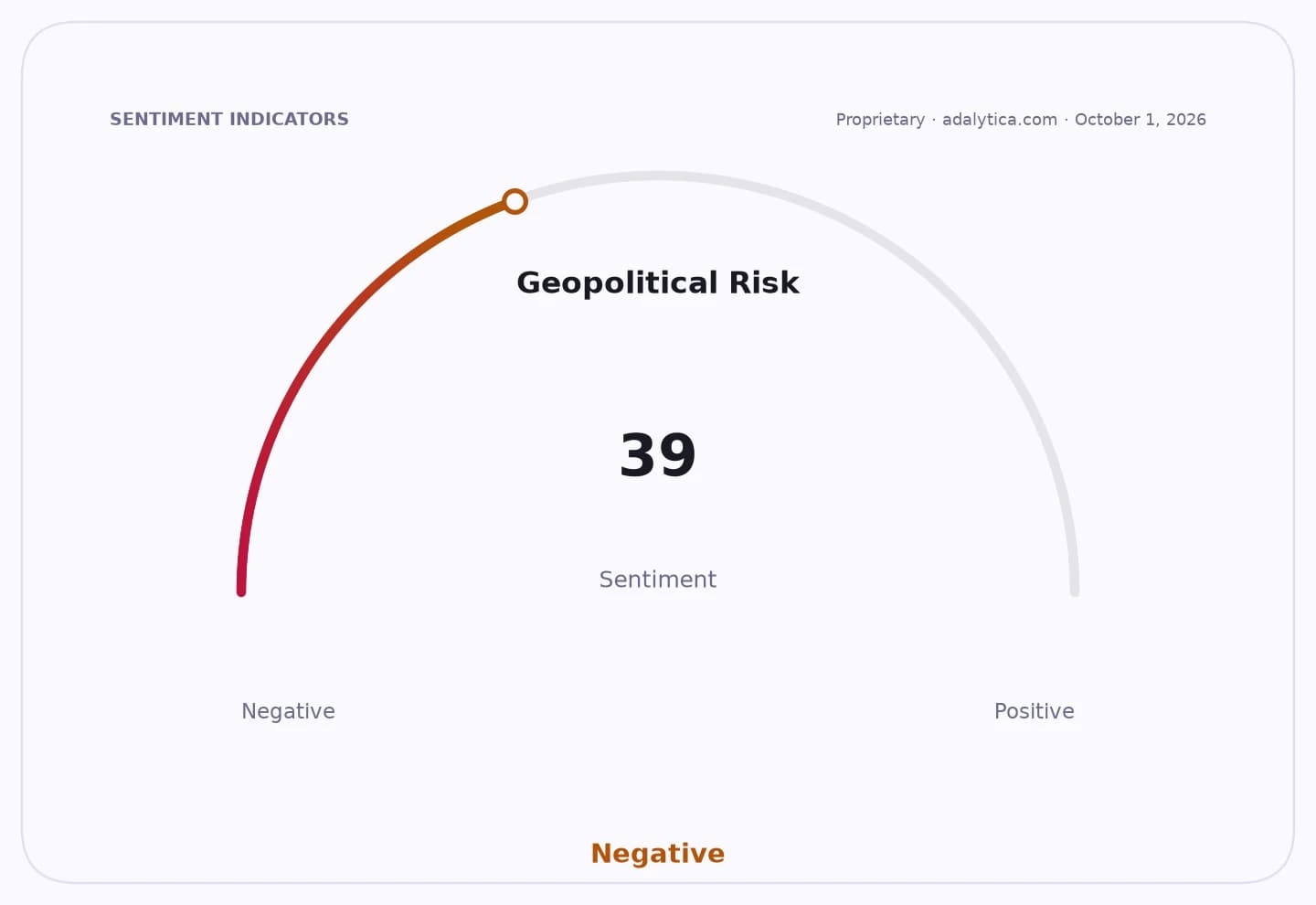
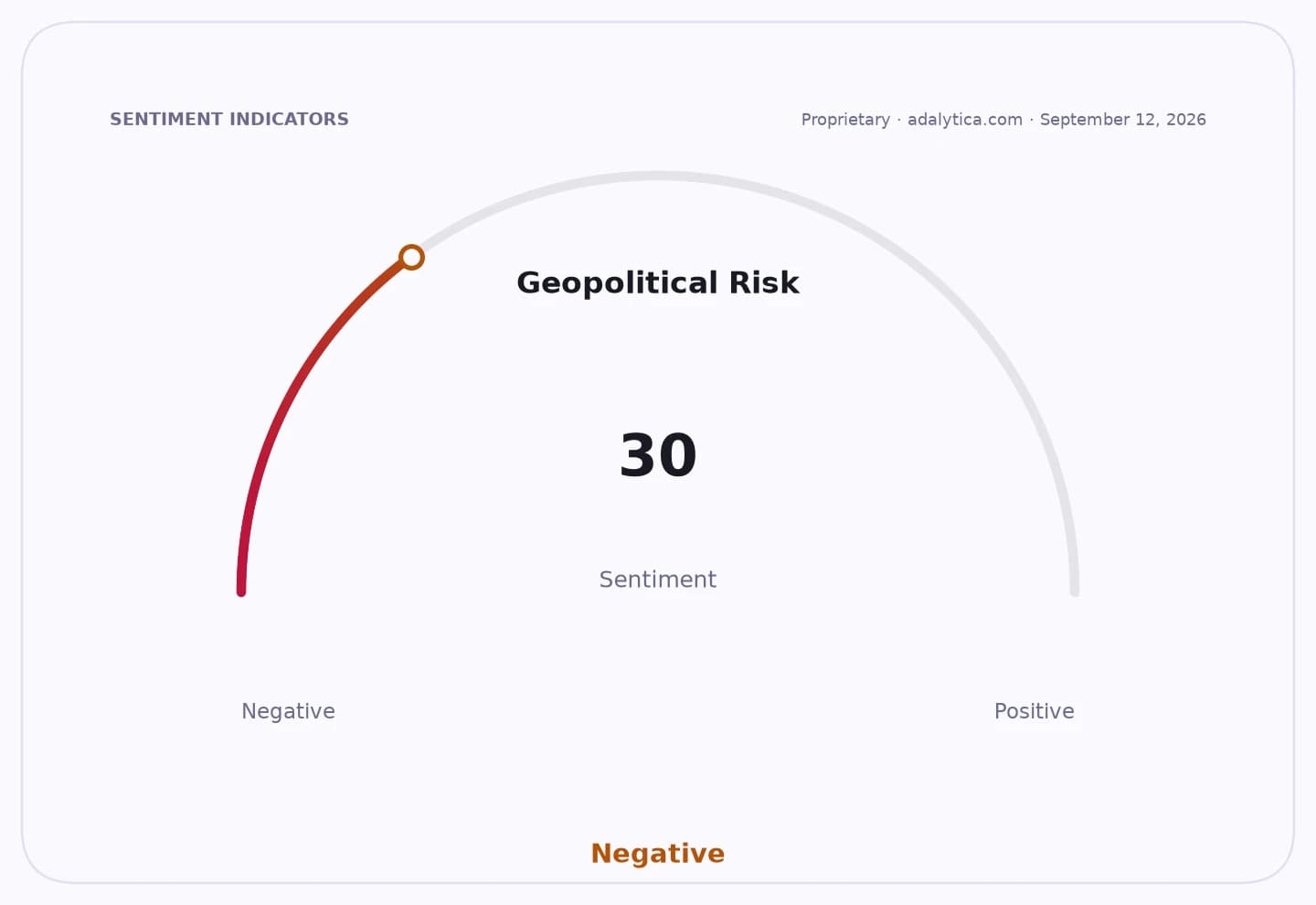
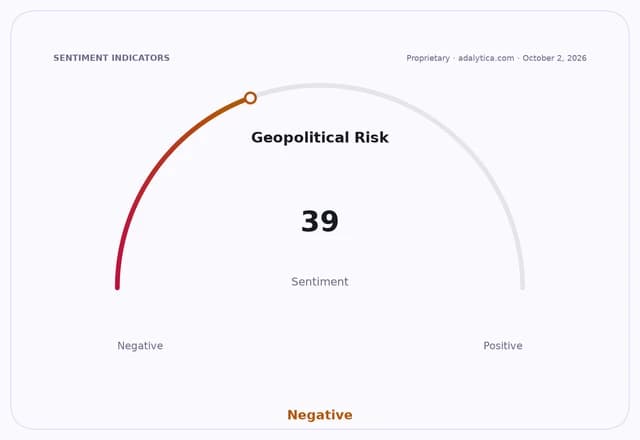
Sentiment IndicatorsⓘProprietary · adalytica.com · October 2, 2026
This is a snapshot — live sentiment, awareness and momentum for 130+ markets update continuously in the dashboard.Open AlphaPulse
That makes the shipment economically relevant beyond Taiwan’s immediate security. The F-16 program is one of Washington’s largest foreign military sales to the island, a $8 billion order for 66 aircraft approved in 2019, and it underscores how U.S. defense industrial capacity is being absorbed by demand from allies in the Indo-Pacific. For contractors, the pipeline supports multi-year revenue visibility; for Washington, it is another test of whether security commitments can be translated into timely deliveries.
The strategic backdrop is worsening. Taiwan said the new aircraft will help preserve combat readiness in its eastern region, which Koo described as a key area for sustaining air power. That comes as Chinese military activity near the island remains routine and as Beijing continues to warn Washington against arms sales to Taipei. The delivery also lands while the U.S. has still not approved a separate $14 billion weapons package that reportedly includes advanced air-defense systems, leaving Taiwan’s force-planning dependent on a slow-moving procurement process.
For investors, the story is less about a single shipment than about the durability of the broader rearmament cycle. Lockheed Martin, which builds the F-16, and suppliers across the U.S. aerospace and defense chain stand to benefit from a long tail of foreign orders, even as production delays highlight execution risk. RTX and Northrop Grumman, exposed through sensors, missile-defense systems and integrated air-defense demand, also sit in the orbit of rising Taiwan-related spending.
The market backdrop suggests investors are still treating geopolitics as a structural rather than temporary support for defense stocks. Lockheed shares recently traded well above their 50-day moving average before pulling back, while RTX and Northrop remain elevated relative to longer-term support levels, reflecting how persistent conflict risk in the Western Pacific continues to underpin order expectations. Adalytica’s Global Stability Sentiment has slipped to a neutral reading while awareness is at an extreme-fear level, a sign that the market remains sensitive to escalation risk even when headlines are orderly.
The key question is whether the delivery pace improves. Taiwan had expected the aircraft years earlier, but technical issues pushed the schedule back, and the government now says it will coordinate closely with the U.S. program office to keep shipments moving. If deliveries accelerate, Taipei gains a more credible deterrent; if delays persist, the island will continue relying on an aging fleet and the political signal of support may outpace the actual combat power on the ground.
| Entity | Gains | Losses |
|---|---|---|
| Taiwan | ▲Stronger air defense | ▼Continued delivery delays |
| Lockheed Martin | ▲F-16 production revenue | ▼Execution and schedule risk |
| China | ▲None | ▼More capable Taiwan air force |
| U.S. defense suppliers | ▲Multi-year orders | ▼Pressure to deliver on time |