The US-China trade truce has bought time for the world’s two largest economies, but analysts say the latest extension and modest tariff rollbacks leave the relationship vulnerable to renewed friction.
US-China trade truce extended, tariff risk remains
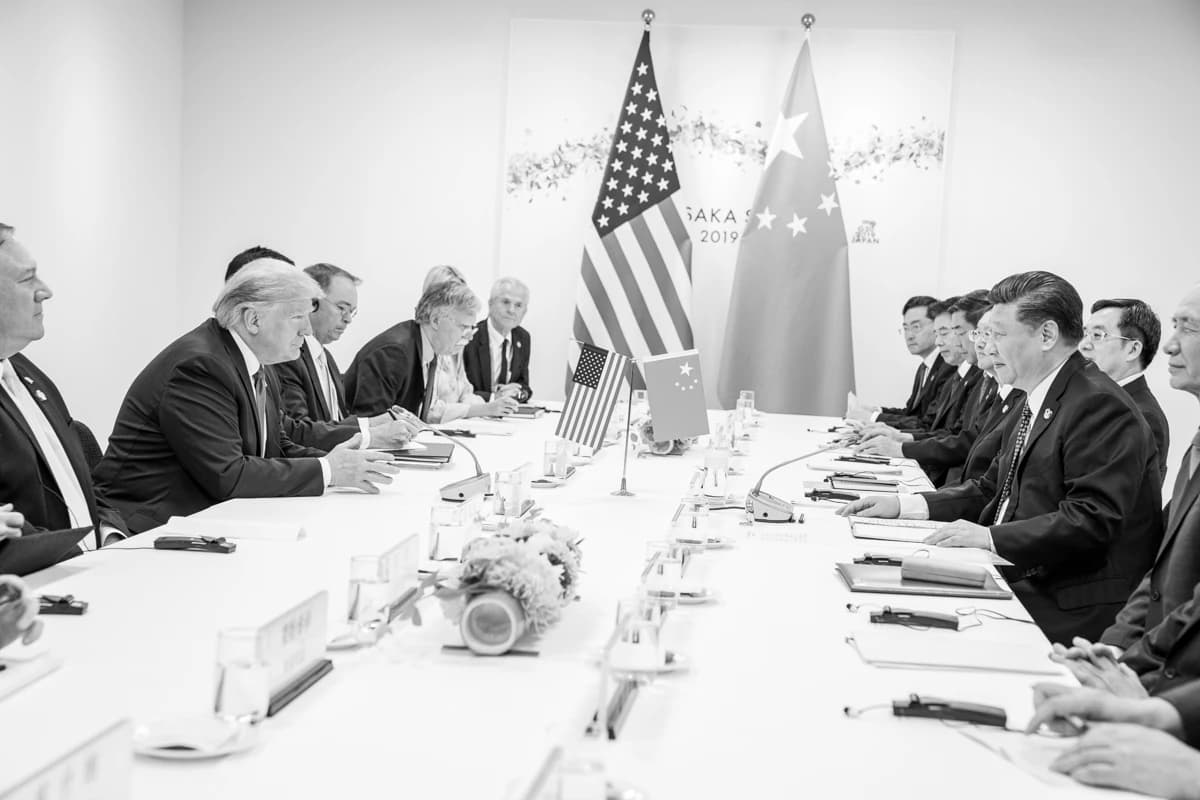
That matters because the deal appears designed less as a durable reset than as a holding pattern: it reduces the risk of an immediate tariff escalation, yet preserves most of the leverage on both sides and leaves the hardest disputes — from agricultural purchases to critical minerals and technology controls — unresolved.
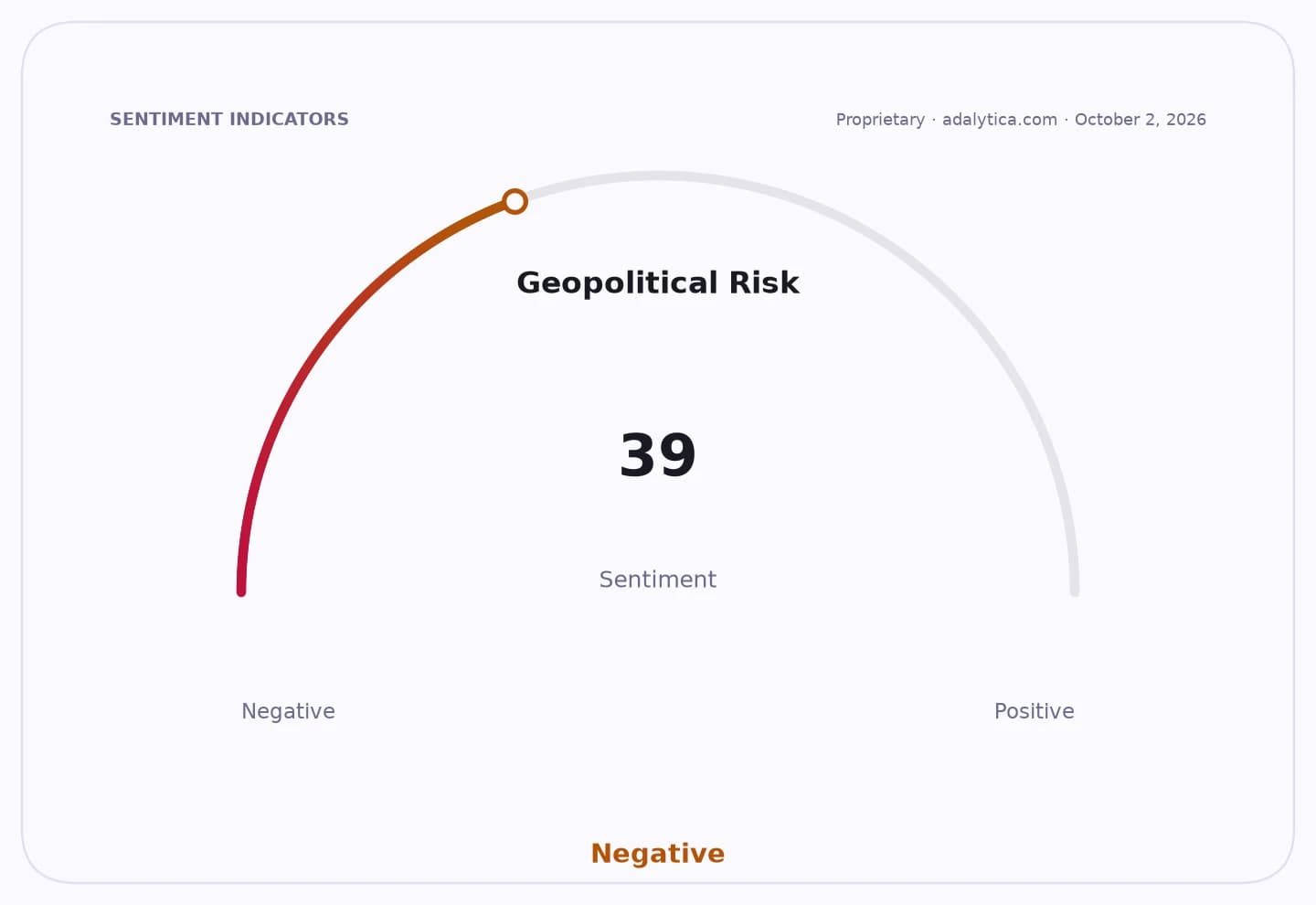
Sentiment IndicatorsⓘProprietary · adalytica.com · October 2, 2026
This is a snapshot — live sentiment, awareness and momentum for 130+ markets update continuously in the dashboard.Open AlphaPulse
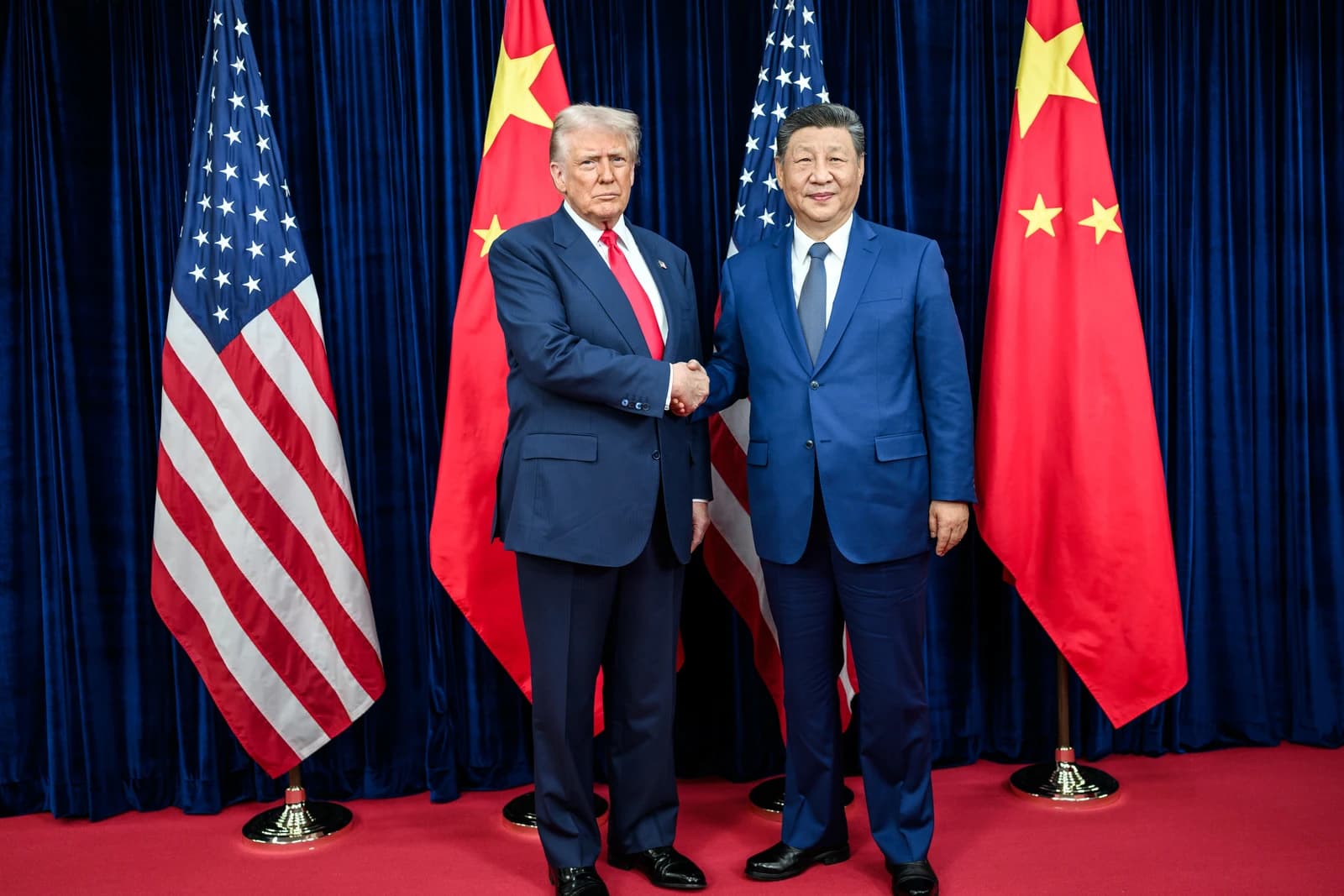
Asia Society Policy Institute vice-president Wendy Cutler, a former acting deputy US trade representative, said the truce was “very fragile” and suggested both governments were testing one another. Her read is significant because the latest summit between Presidents Donald Trump and Xi Jinping produced only limited economic concessions and no broad breakthrough on the structural issues that have defined the trade conflict for years.
The White House on Sunday released lists of non-sensitive goods worth $30 billion recommended for tariff cuts on each side, or $60 billion in total. China’s Commerce Ministry said more than 90% of the covered goods would receive most-favoured-nation tariff rates and all reciprocal tariffs would be waived. But Cutler said the economic deliverables were “pretty modest,” pointing out that more and more trade is being pushed into the sensitive basket, where the politically difficult issues sit.
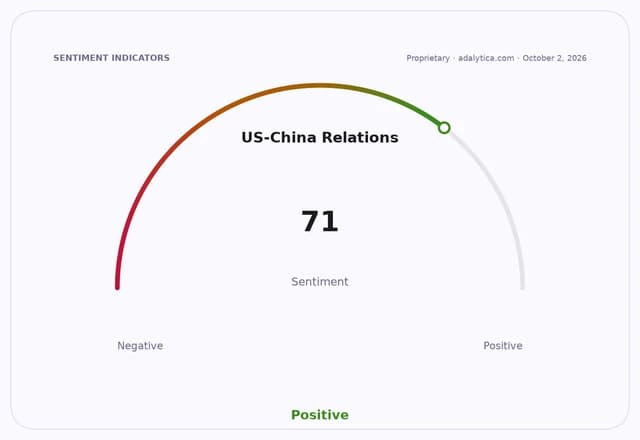
US-China Relations — 30-day sentimentadalytica.com
Explore this data interactively — full history, time series and cross-market comparisons.Open AlphaPulse
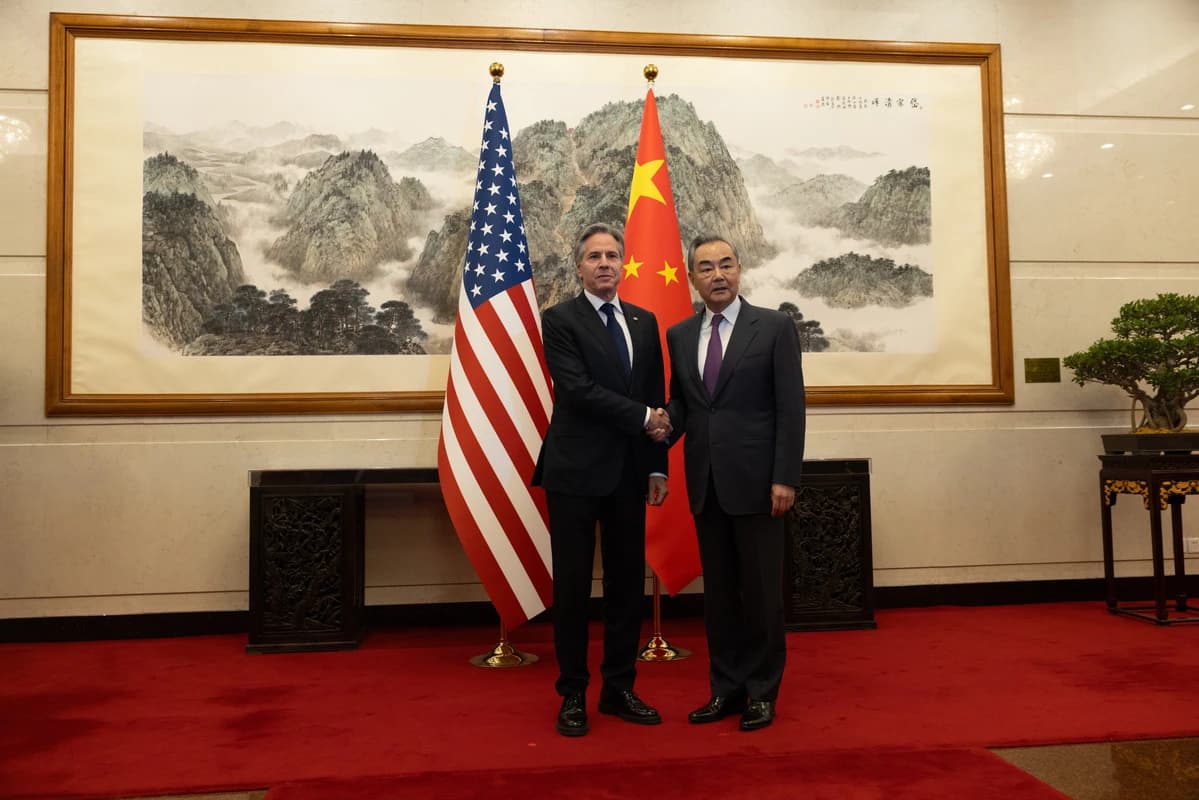
The extension itself reinforces that caution. The truce was pushed out only from Nov. 10, 2026 to Jan. 10, 2027 after an unscheduled meeting between Chinese Vice-Premier He Lifeng and US Treasury Secretary Scott Bessent, shortly before Xi arrived in Washington. Cutler said the short horizon gave Washington leverage to press Beijing on agricultural commitments and the resumption of full shipments of critical minerals and magnets, both strategically important inputs for manufacturing and defence supply chains.
For investors, that combination of limited tariff relief and unresolved supply-chain risks argues against treating the summit as a full de-escalation. Chinese equities, export-sensitive industrials and global manufacturers may benefit if the truce holds, but the lack of a durable settlement keeps a tariff shock on the table and leaves commodity and technology supply chains exposed to fresh bargaining pressure.
The market reaction has also been telling. FXI, the large-cap China exchange-traded fund, has slipped below its 50-day and 200-day moving averages, while its RSI reading has fallen to 31.6, suggesting weakening momentum after the recent optimism around US-China diplomacy. YINN, the leveraged China bull fund, has fallen more sharply, a sign that traders are unwinding bets on a quick policy thaw. By contrast, South Korea’s EWY has held up better, reflecting how investors continue to favor markets seen as beneficiaries of supply-chain diversification as much as of any détente.
The broader political context still points to managed competition, not reconciliation. Kevin Rudd, president of the Asia Society Policy Institute, said Beijing wanted “stability” ahead of its party congress, meaning fewer surprises from Washington and lower tariffs where possible. Yet he also said strategic competition remains the operating reality for both sides, with the question being whether it is managed or unmanaged.
The new AI dialogue announced after the summit underscores that point. Both governments said they would maintain dialogue and strengthen cooperation on artificial intelligence, but Trump later said the US would not collaborate with Beijing to govern AI because it would make it harder for American firms to stay ahead. That leaves another fast-growing strategic area caught between cooperation and rivalry.
The immediate economic message for markets is that the truce reduces tail risk but not the baseline level of uncertainty. The next meaningful catalysts are the planned meetings at APEC in Shenzhen in November and the G20 in Miami in December, where any failure to extend the current calm could quickly revive tariff and supply-chain volatility.
| Entity | Gains | Losses |
|---|---|---|
| US and China governments | ▲Short-term stability | ▼Leverage-heavy uncertainty |
| Exporters and manufacturers | ▲Near-term tariff relief | ▼Persistent supply-chain risk |
| China equities (FXI, YINN) | ▲If truce holds | ▼Weak momentum, policy risk |
| South Korea exporters (EWY) | ▲Supply-chain diversification flows | ▼Less direct benefit from détente |